
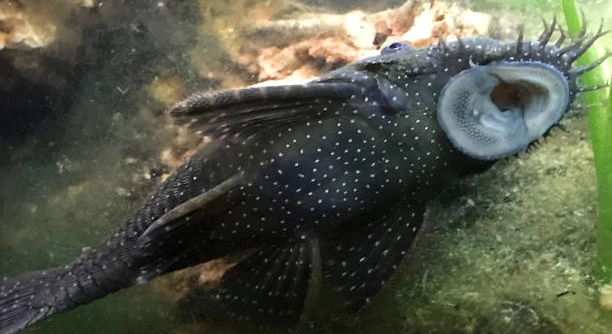
Bristlenose catfish are gentle creatures that show their feelings quietly. Observing them over time can reveal signs of contentment, especially when they interact with their environment or respond to care in familiar ways.
Bristlenose catfish exhibit joy through specific behaviors such as active foraging, frequent fin movements, engaging with tank decorations, exploring new areas, showing regular breathing patterns, social interaction with other fish, and maintaining a healthy appetite and appearance.
Recognizing these behaviors can help you ensure your bristlenose is healthy and happy in its tank environment.
Active Foraging
Bristlenose catfish show joy when they actively search for food. Watching them glide across the substrate, picking at algae or small particles, is a clear sign they are comfortable and stimulated. Their movements are steady, deliberate, and confident, suggesting they feel safe in their environment. A fish that hides or refuses to eat may be stressed or unwell. Observing their foraging patterns over several days gives insight into their overall mood and health. Feeding at consistent times can reinforce this behavior and strengthen their sense of security. Providing a variety of foods, such as algae wafers and fresh vegetables, encourages exploration and keeps them engaged. Bristlenoses are nocturnal feeders, so even if activity is lower during the day, occasional night-time observation can show their natural behaviors. Environmental enrichment, like hiding spots and smooth decorations, allows them to forage without feeling threatened, promoting both physical and mental well-being.
Active foraging indicates a bristlenose is healthy, confident, and responding positively to its environment.
Observing this behavior regularly helps owners ensure their fish thrive, stay healthy, and remain active throughout the tank.
Frequent Fin Movements
Bristlenose catfish often wiggle their fins when happy, a subtle but clear signal of comfort.
These movements are not random. Healthy bristlenoses move their fins gently while swimming or resting, showing they are relaxed and alert. Vigorous fin activity during feeding or exploring indicates enjoyment and curiosity. Conversely, clamped fins or lack of movement may point to stress, poor water quality, or illness. Ensuring the tank is clean, maintaining stable water parameters, and keeping other tank mates calm encourages frequent fin movements. Observing these motions daily allows you to track subtle changes in behavior that may reflect their well-being. Fin activity also relates to social interactions; fish often display gentle fin waves around other bristlenoses, signaling recognition and calmness. Lighting, temperature, and placement of decorations can influence fin movements. Providing a natural, low-stress environment ensures these behaviors remain consistent, signaling a joyful and secure fish. Regular observation reinforces the bond between you and your bristlenose by recognizing their quiet expressions of happiness.
Engaging with Tank Decorations
Bristlenose catfish show happiness when exploring tank decorations. They swim around caves, driftwood, and plants, rubbing their bodies against surfaces or inspecting nooks and crannies, indicating comfort and curiosity in their surroundings.
Providing a variety of smooth surfaces and hiding spots encourages natural behaviors. Bristlenoses often climb onto driftwood or push against decorations, which is a sign of contentment. Watching them interact with these items reveals their personality and confidence. Some fish prefer gentle rubbing against rocks or tank walls to clean themselves or explore textures. Offering different heights, shapes, and textures keeps their environment stimulating, reducing boredom. Observing these interactions regularly allows you to notice subtle signs of stress or satisfaction. Over time, a fish that freely engages with its surroundings demonstrates that it feels secure and well-adjusted in the tank.
Frequent engagement with tank decorations shows your bristlenose is both mentally and physically stimulated. These behaviors indicate they are comfortable, confident, and happy in their home environment.
Regular Breathing Patterns
Regular breathing patterns in bristlenose catfish reflect calmness and good health. Steady gill movements show the fish is relaxed and not experiencing stress or oxygen deprivation.
Abnormal breathing, like rapid or irregular gill movements, can indicate discomfort, poor water quality, or illness. Bristlenoses that breathe evenly while exploring or resting are showing contentment. Observing their breathing in different areas of the tank can highlight comfort zones. Tank placement, filtration, and water flow affect how naturally they breathe. Gentle currents allow them to move freely without exertion. Paying attention to subtle changes helps maintain their health.
Monitoring breathing patterns alongside other behaviors provides a clear picture of overall well-being. Healthy, steady respiration confirms your bristlenose is relaxed, comfortable, and enjoying its environment.
Social Interaction
Bristlenose catfish display joy when interacting with other fish. They often swim near tank mates, gently touch fins, or explore together, showing they feel safe and comfortable in their environment.
Peaceful interactions with companions indicate the fish is confident. Avoid overcrowding, as it can reduce social behavior and increase stress.
Exploring New Areas
Bristlenose catfish enjoy exploring new sections of their tank. Moving through different areas shows curiosity and comfort, reflecting a positive state of mind. They may inspect plants, rocks, and decorations, sometimes returning to favorite spots afterward.
Regular exploration encourages physical activity and mental stimulation. Adding new, safe items gradually keeps them interested and prevents boredom. Observing these behaviors helps track their well-being.
Healthy Appetite
A strong appetite is a clear sign of a happy bristlenose. Eagerly eating during feeding times reflects both health and comfort.
FAQ
How can I tell if my bristlenose catfish is happy?
A happy bristlenose will show several clear behaviors. Active foraging, exploring the tank, interacting with tank decorations, moving fins regularly, and swimming confidently are all signs of comfort. Steady breathing and a good appetite also indicate they feel secure and content in their environment.
Why does my bristlenose rub against decorations?
Rubbing against smooth surfaces is a natural behavior. It can be a way for them to clean themselves, explore textures, or mark their space. When they do this often and seem relaxed, it generally indicates satisfaction and engagement with their surroundings.
What should I feed my bristlenose to keep it happy?
A varied diet is important. Algae wafers, blanched vegetables like zucchini or spinach, and occasional protein-based foods like bloodworms provide nutrients and encourage foraging. Feeding at regular times also helps them feel secure and maintains their daily routine.
How much space does a bristlenose need to feel comfortable?
Bristlenoses thrive in tanks that allow room for swimming, exploring, and hiding. A minimum of 20 gallons for one fish is recommended, with additional space for tank mates. Decorations, plants, and smooth surfaces give them comfort and mental stimulation. Crowded or empty tanks can lead to stress or inactivity.
Do bristlenose catfish enjoy company?
Yes, they are social but not overly aggressive. They often swim near tank mates, explore together, and sometimes gently touch fins. Observing these interactions indicates comfort. Overcrowding or aggressive tank mates, however, can suppress these behaviors and cause stress.
Why is my bristlenose hiding all the time?
Hiding is normal if they feel stressed, unsafe, or the tank environment is too bright or busy. Providing caves, driftwood, and plants allows them to retreat naturally. Frequent hiding without other joyful behaviors may signal poor water quality, illness, or incompatibility with other fish.
How can I encourage my bristlenose to be more active?
Introducing new decorations, varying food types, and ensuring a clean, well-oxygenated tank promotes activity. Gentle water flow and safe hiding spots encourage exploration. Observing their favorite areas and gradually changing the layout keeps them mentally stimulated without causing stress.
Is it normal for bristlenose catfish to breathe rapidly sometimes?
Occasional bursts of faster breathing can happen during feeding or brief activity. Consistently rapid or irregular gill movements, however, indicate stress, low oxygen levels, or poor water quality. Regular observation and proper tank maintenance are crucial to maintain comfort and health.
How do I know if my bristlenose is stressed?
Signs of stress include clamped fins, hiding constantly, loss of appetite, erratic swimming, or unusual breathing. Environmental factors like aggressive tank mates, poor water quality, or overcrowding often contribute. Identifying and correcting these issues quickly helps restore a sense of safety and joy.
Can bristlenose catfish recognize their owners?
Bristlenoses may respond to regular feeding routines or gentle movements outside the tank. While they do not show affection like mammals, they can become familiar with consistent care, demonstrating comfort by swimming openly or approaching areas where food is offered.
What role does water quality play in their happiness?
Water quality directly affects behavior and health. Proper pH, temperature, and cleanliness reduce stress and encourage normal behaviors. Regular water changes, monitoring filtration, and avoiding overfeeding ensure bristlenoses remain active, display joyful behaviors, and maintain a healthy appetite.
How often should I observe my bristlenose to track its behavior?
Daily observation is ideal. Noticing small changes in swimming patterns, fin movements, foraging, or social interactions provides insight into well-being. Keeping a routine helps detect early signs of stress or illness, allowing timely adjustments to maintain happiness and comfort.
Are there specific decorations bristlenoses prefer?
They enjoy smooth surfaces, driftwood, caves, and dense plant areas. These provide safe spaces for exploration and resting. Varied textures stimulate natural rubbing and foraging behaviors, helping maintain mental and physical activity while reinforcing a sense of security within the tank.
How long does it take for a bristlenose to settle in a new tank?
Adjustment varies by individual. Typically, a few days to a week is needed for them to explore, begin foraging confidently, and show normal fin and breathing activity. Providing hiding spots and minimizing stress during this period helps them settle more quickly and display joyful behaviors.
Can bristlenose catfish live alone?
Yes, they can survive alone, but they may display less social or exploratory behavior. Having companions encourages interaction and gentle social behaviors, which can enhance their activity and overall well-being. If kept alone, enrichment and varied feeding are essential for maintaining mental stimulation.
Do bristlenoses enjoy changes in their environment?
Gradual changes, like adding new decorations or rearranging the tank, can stimulate curiosity and exploration. Sudden or extreme changes may cause stress. Observing reactions to minor modifications helps ensure they remain comfortable while encouraging natural joyful behaviors.
How important is lighting for bristlenose happiness?
Moderate, consistent lighting is key. Bright lights can stress them, while dim or natural light encourages natural activity and exploration. Observing their behavior under different lighting helps create an environment where they feel safe, allowing normal behaviors like foraging, fin movement, and exploration to thrive.
What are the signs of a content bristlenose at night?
Even at night, happy bristlenoses explore, forage, and rest in familiar areas. Regular nocturnal activity, gentle rubbing against surfaces, and steady breathing indicate comfort. They may retreat to hiding spots temporarily, but consistent movement and interaction with decorations show ongoing engagement and well-being.
How can I tell if my bristlenose enjoys its tank setup?
Frequent exploration, interaction with decorations, steady breathing, active foraging, and fin movements all indicate satisfaction with the tank environment. Lack of stress signs, consistent eating habits, and gentle social behaviors confirm that the setup provides comfort and promotes a joyful, healthy fish.
What should I do if my bristlenose stops showing joyful behaviors?
Check water quality, tank mates, temperature, and diet first. Ensure the tank is clean, adequately sized, and enriched with decorations and hiding spots. Gradually adjust the environment and observe for improvement. Persistent changes may require consulting an aquatic veterinarian to rule out illness or stress-related issues.
Final Thoughts
Bristlenose catfish are quiet, gentle fish that show their feelings through small, observable behaviors. Their happiness is expressed through actions like active foraging, exploring their tank, moving their fins, and interacting with decorations. These behaviors are subtle but meaningful, showing that they feel safe and comfortable. Paying attention to these signs helps owners understand their fish better and create a supportive environment. A fish that consistently explores, eats well, and displays normal breathing patterns is likely experiencing a positive state of mind. Observing them over time can reveal patterns that indicate joy or potential stress, giving owners the tools to maintain their health and well-being.
Creating a proper environment for a bristlenose involves several factors. Tank size, water quality, decorations, and social conditions all play a role in their comfort and activity levels. Providing hiding spots, smooth surfaces, and varied textures encourages natural behaviors like rubbing, exploring, and resting. Regular water changes and stable water parameters prevent stress and allow the fish to engage with its environment without threat. Feeding a balanced and varied diet ensures they remain active and interested in their surroundings. Even small adjustments, like changing the placement of decorations or adding plants, can stimulate curiosity and engagement. These changes help the fish remain mentally and physically active, promoting a sense of well-being.
Consistent observation and care are key to supporting a bristlenose’s happiness. Watching for changes in fin movement, breathing, foraging, and social interaction can provide insight into their emotional and physical state. Responding to stressors, maintaining a stable environment, and providing enrichment fosters confidence and comfort. Over time, this attention allows the fish to develop regular patterns of joyful behaviors, making it easier to recognize when something is off. By focusing on these simple yet meaningful behaviors, owners can ensure their bristlenose catfish thrives, stays healthy, and displays clear signs of contentment. A careful, thoughtful approach to their care creates a positive environment that supports long-term happiness and well-being.

Hello,
If you enjoy the content that we create, please consider saying a "Thank You!" by leaving a tip.
Every little bit helps us continue crafting quality advice that supports the health, happiness, and well-being of pets around the world, for pets of all shapes, sizes, and species.
We really appreciate the kindness and support that you show us!