
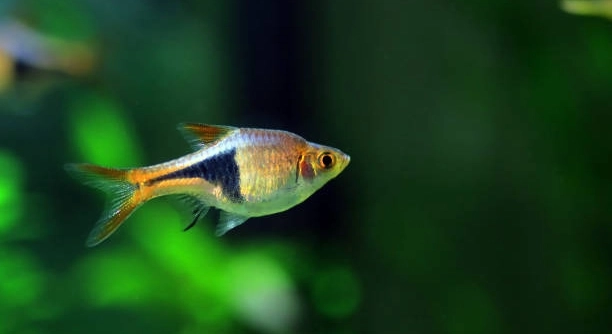
Do you ever find yourself worried about the well-being of your rasbora after one of their schoolmates disappears from the tank?
Rasboras are schooling fish that rely on social bonds for comfort and safety. When one is lost, the remaining fish may show signs of stress, reduced activity, and altered swimming patterns due to the disruption in their group structure.
Understanding how rasboras react to the loss of a companion can help you support their needs and maintain a healthy environment.
Why Rasboras Depend on Their School
Rasboras are naturally social fish that thrive in groups. In the wild, they swim in large schools for protection, navigation, and comfort. When kept in a home aquarium, they need a group of at least six to feel secure. The presence of other rasboras helps reduce stress and encourages natural behavior like foraging and active swimming. A sudden change, like the loss of one group member, can affect how the others behave. They may become skittish, hide more often, or stop swimming actively. Over time, this can affect their health and make them more prone to illness. It’s not just about numbers—it’s about social connection and routine. When that balance is disturbed, rasboras respond quickly, and it’s important to notice those changes. Understanding this aspect of their behavior can help you create a stable and calming setup for them to thrive, even after losing a member of their school.
Without a group, rasboras can feel exposed and anxious. Their instincts are tuned for social living, not isolation.
If a rasbora is removed or lost, the remaining school can show stress right away. You might see them huddling in a corner, darting around nervously, or avoiding food. These are common signs of unease. Their immune systems can also weaken if the stress continues. The tank might feel emptier, not just visually, but in how the fish interact with the space. If the group becomes too small, the dynamic changes, and even the healthiest rasboras can start showing unusual behavior. It helps to keep an eye on how they swim and feed during this time. Gradually, some may adjust, especially if new members are added, but it takes time. Maintaining a consistent routine and quiet environment can ease the transition. In some cases, the best thing you can do is reintroduce more rasboras to bring balance back to the tank.
What You Can Do About It
Keeping a healthy group of rasboras means more than just feeding them well. Their social needs matter just as much.
If you’ve lost one rasbora, consider the size of the remaining group. A group of five or fewer can create stress for the others. Adding new rasboras can help restore the natural balance and ease the anxiety of the remaining fish. When adding new members, match the species and try to introduce them during a calm time of day. It’s also helpful to dim the lights slightly and rearrange tank decorations to reduce territorial behavior. Consistency is key—keep the water conditions stable and feed them at the same time each day. If adding new fish isn’t an option, consider enriching their environment with live plants and hiding spaces to help them feel secure. Regular observation helps catch any changes early. When you respond with small, thoughtful steps, you can help your rasboras stay active, healthy, and comfortable in their environment.
How Stress Affects Rasboras Physically
Stress in rasboras can lead to several health problems. It weakens their immune system, making them more likely to get sick. You may also notice faded colors, clamped fins, or sluggish swimming patterns when they are not feeling well.
Physical stress often shows up through changes in behavior or appearance. If a rasbora is not schooling properly, hiding more than usual, or losing interest in food, it’s likely under stress. These signs can appear quickly after losing a tank mate. Constant stress can cause weight loss, weakened immunity, and a shorter lifespan. They may also develop conditions like fin rot or ich due to lower resistance. Keeping their environment stable is essential. Avoid loud noises, sudden changes in lighting, or disruptions in the tank. It helps to perform regular water changes and monitor water quality, as poor conditions can make stress symptoms worse and delay recovery.
The more time a rasbora spends stressed, the harder it becomes for it to return to normal behavior. Stress interferes with rest, feeding, and even digestion. It’s not just about surviving—chronic stress can prevent them from enjoying their environment. If you keep a watchful eye, you may notice subtle signs before they worsen. For example, a fish that hovers near the bottom or avoids swimming with the group may be struggling. Act early by checking water parameters and offering a calm, consistent space. Introduce new schoolmates carefully, and never overcrowd the tank. Giving them space, quiet, and company goes a long way in easing the physical strain caused by emotional distress.
Signs Your Rasbora Needs Help
If your rasbora is isolating itself, not eating, or swimming in unusual patterns, it may be reacting to social imbalance. These signs often appear within days after losing a schoolmate.
Losing a member of the group can shift the tank’s behavior. You may notice one fish separating itself or the entire group becoming more cautious. They might start to avoid the open areas they once explored freely. Reduced appetite is also common—some fish may stop eating altogether for a day or two. If they seem restless or overly alert, they are likely feeling insecure. While these signs are typical at first, they should begin to fade once the fish adjusts or new companions are added. If symptoms persist, check your tank conditions. Consistent stress signs—like color loss or odd swimming—might signal a deeper issue that needs addressing, either socially or environmentally.
How to Comfort a Stressed Rasbora
Start by keeping the environment calm and stable. Avoid tapping on the glass or moving decorations too often. Gentle lighting and regular feeding times can help them feel secure again.
Adding a few more rasboras of the same species can make a big difference. They rely on group structure, and rebuilding that helps restore normal behavior quickly.
When to Add New Schoolmates
Wait a few days after the loss to observe how the group is behaving. If stress signs remain, it’s a good time to introduce new rasboras. Make sure the newcomers are healthy and quarantined beforehand. Add at least two to three, not just one, so the group dynamic feels natural. Acclimate them slowly to prevent shock. Rearranging tank decorations slightly can help reset territories and reduce tension. Monitor all fish closely for the first few days after introduction. Signs of improved swimming, feeding, and group activity are good indicators that the adjustment is working.
What to Avoid During This Time
Avoid overhandling tank items or making sudden changes. Stress can worsen if the environment feels unpredictable. Keep things quiet, consistent, and gently monitored while your rasboras adjust.
FAQ
How many rasboras should be kept together to avoid stress?
Rasboras are happiest in groups of at least six, but more is often better. A larger group helps them feel safe, lowers stress, and encourages active, natural behavior. If kept in small numbers, they may become shy, inactive, or anxious. Always match the tank size to the number of fish to avoid overcrowding.
What signs show a rasbora is grieving or stressed after losing a schoolmate?
Watch for changes in swimming patterns, loss of appetite, duller colors, hiding, or staying in one area of the tank. Some rasboras may separate from the group or avoid open spaces. These behaviors can appear quickly and often signal they are not feeling secure. Left unaddressed, these signs may get worse over time.
Can rasboras live alone if they lose all their schoolmates?
While it is possible for a rasbora to live alone, it is not recommended. Rasboras are naturally social and rely on the presence of others to feel safe. A solitary rasbora often becomes inactive, withdrawn, or stops eating. Adding new companions of the same species can greatly improve its health and behavior.
How soon should new rasboras be introduced after one dies?
If the group shows signs of stress, it’s safe to consider adding new fish within a week. Make sure your water parameters are stable and the remaining fish are not sick. Quarantine new rasboras first, and introduce them gradually. A group of two or more is best to restore social balance.
Can tank changes make the situation worse?
Yes, frequent or large changes in the tank can increase stress. Avoid changing decor, lighting, or water parameters during this time unless necessary. Sudden shifts in their environment make it harder for rasboras to feel safe and settle back into normal behavior. Keep everything stable while they adjust.
Do rasboras recognize the loss of a specific fish?
They may not recognize the individual in the way humans do, but they do sense when the group number is lower. Their behavior changes in response to the shift in schooling patterns. Rasboras are instinct-driven, so the loss causes insecurity due to fewer members watching for threats.
Will adding other fish species help with their stress?
No, rasboras need their own kind to feel comfortable. While peaceful tank mates can provide a sense of community, they cannot replace the function of a school. For true comfort and natural behavior, adding more rasboras is the most helpful solution.
What if the stressed rasbora refuses to eat?
Try feeding more appealing foods like live or frozen options—brine shrimp or bloodworms can help trigger appetite. Make sure the water quality is good and the tank is quiet. If it continues for more than a few days, monitor for signs of illness and consider separating the fish temporarily for observation.
Can stress from losing a schoolmate cause long-term damage?
Yes, if not managed, ongoing stress can lead to a weakened immune system, frequent illness, and shortened lifespan. Rasboras need social structure to thrive. Helping them regain that balance quickly is the best way to support their long-term health and well-being.
How do I know when things are improving?
Your rasboras will start swimming more freely, eating regularly, and interacting with one another again. You’ll see more group swimming and less hiding. Their colors may brighten, and they’ll explore the tank more often. These are good signs that they feel safe and are adjusting well.
Final Thoughts
Rasboras are peaceful, social fish that do best when kept in stable, well-balanced groups. When one of their schoolmates is lost, it can cause visible changes in behavior and health. These changes are not random—they are signs of discomfort, confusion, or stress. Watching for these signs helps you understand what your rasboras are feeling and gives you a chance to support them before things get worse. Even something as simple as a rasbora hiding more or swimming differently can be an early warning. These small details matter and shouldn’t be ignored. By paying attention and responding gently, you give your fish the best chance to feel safe and return to normal.
Replacing a lost rasbora may feel like a quick fix, but it’s important to do it with care. Adding one new fish isn’t enough—a group of at least six helps rebuild the school dynamic. The way you introduce new fish also matters. Quiet surroundings, good water quality, and a gentle approach to adding new members can reduce stress for everyone in the tank. Rasboras are sensitive to change, so keeping their routine stable while adjusting the school size is key. When done right, they usually respond well and become more active and comfortable again. Their return to normal behavior is the best sign that the tank is on the right track.
Creating the right environment is more than just filling the tank with plants and decorations. It’s about understanding how rasboras think and what they need to feel safe. They rely on each other, and when one is gone, the others notice. That’s why keeping their group size healthy and their space calm is so important. Stress can harm them quietly, and the effects are not always easy to reverse. The good news is that with patience and simple care, rasboras usually adjust well. When their social needs are met, they swim together confidently, eat properly, and explore their surroundings with ease. If you keep a close eye on their habits and respond early, you can prevent most long-term problems. Supporting your rasboras through the loss of a schoolmate is not just helpful—it’s part of being a thoughtful fish keeper.

Hello,
If you enjoy the content that we create, please consider saying a "Thank You!" by leaving a tip.
Every little bit helps us continue crafting quality advice that supports the health, happiness, and well-being of pets around the world, for pets of all shapes, sizes, and species.
We really appreciate the kindness and support that you show us!