
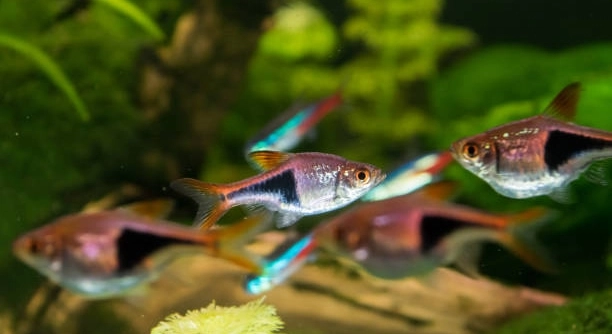
Are your rasboras swimming around with fins that look torn or uneven, and you’re not sure what might be causing it? This can be concerning, especially when your fish were once vibrant and healthy.
The most common reason your rasbora fins look ragged is fin rot, a bacterial or fungal infection often triggered by poor water conditions or stress. Secondary causes include bullying, fin nipping, and physical injuries from decorations.
Other factors like tank mates, sharp objects, and inconsistent water changes also play a role. Learning what to look for and how to respond can make a big difference in your rasboras’ recovery.
Common Causes of Ragged Fins in Rasboras
Ragged fins in rasboras are usually caused by fin rot, which often begins when the water quality in the tank is poor. Dirty water, sudden changes in temperature, or high ammonia levels can stress fish and make them more vulnerable to infections. Fin rot can also be bacterial or fungal, and if left untreated, it can spread quickly. Another common cause is fin nipping, especially in crowded tanks or when rasboras are kept with aggressive fish. Some rasboras may even nip each other’s fins if they don’t have enough space. Sharp decorations or rough surfaces can physically damage fins, which then become infected. Stress from overfeeding, lack of hiding spaces, or sudden light changes may also affect their immune system. Identifying the cause early is important so you can take the right steps to stop further damage and help your fish recover fully and comfortably in their tank.
Early signs include a shredded look or white edges on the fins. Watch how your rasboras interact and swim, especially near decorations or other fish.
Check for tank aggression or rough objects. If the water isn’t clean or the environment feels cramped, your rasboras will show signs of distress quickly. These issues often go unnoticed until the damage worsens.
How to Treat and Prevent Ragged Fins
Start by improving the tank’s water quality. Change 25–30% of the water regularly and vacuum the substrate to remove waste. Test for ammonia, nitrite, and nitrate levels to ensure they stay balanced. If fin rot is visible, isolate the affected rasbora in a clean hospital tank. Use aquarium salt or an antibacterial treatment specifically made for fin rot. Do not use household medications, as they can harm your fish. Keep the water slightly warmer to support healing but avoid sudden temperature spikes. If you suspect fin nipping, separate aggressive tank mates or add more plants and hiding spots. Avoid overcrowding, as it increases stress and aggression. Remove sharp decorations and replace them with soft, smooth ones. Feed high-quality food to support their immune system. Treat consistently and observe your rasboras daily. You should see improvement in fin appearance within a week or two if treated early. Prevention always begins with clean water and a peaceful tank.
When to Be Concerned About Fin Damage
If your rasbora’s fins are getting worse, changing color, or starting to rot near the base, it’s time to act quickly. Damage near the body or signs of bleeding are especially serious and should not be ignored.
Rasboras usually heal quickly if the cause is handled early, but when the fin damage spreads or looks infected, waiting can lead to more harm. Watch for clamped fins, slow swimming, or signs of stress like hiding and loss of appetite. These may point to a deeper issue like a bacterial infection. Fin damage caused by aggression or poor water usually improves once the environment changes. But if the fins are getting shorter or torn every day, infection or stress is likely. It’s important to respond early with clean water, treatment, and changes to the tank if needed. Avoid trying several treatments at once, as this can stress your fish even more.
Sometimes rasboras can get bullied by tank mates without much warning. A peaceful tank can suddenly become aggressive if space is tight or if one fish becomes territorial. If you’re noticing damaged fins regularly, rearranging the tank layout, increasing space, or removing the aggressive fish may be the only solution. Quiet observation often helps catch problems early.
Long-Term Fin Health and Care
Rasboras can grow back damaged fins if they’re kept in a clean, low-stress tank. Healing depends on the severity of the damage, water quality, and overall health. Most fins begin showing signs of regrowth within a week if conditions are right. Watch for clear or slightly white tips as a sign of healing.
Preventing future fin damage means being consistent with tank maintenance and choosing peaceful tank mates. Test your water weekly to keep ammonia and nitrite at zero. Add live plants and hiding spots to reduce stress and give fish a sense of safety. Feed a balanced diet that includes protein-rich foods and occasional treats like frozen bloodworms. Avoid sharp decor and keep the tank calm and well-aerated. If you’re adding new fish, quarantine them first to avoid spreading infections. Long-term fin care is mostly about small habits—clean water, proper tankmates, and a calm space. These things go a long way in keeping your rasboras healthy.
What Not to Do During Treatment
Avoid using multiple medications at once, even if symptoms seem severe. Mixing treatments can overwhelm your rasboras and damage their immune systems. Stick to one proven method and give it time to work before trying something else.
Do not ignore water testing. Medications won’t help much if ammonia or nitrite levels are high. Poor water conditions will undo any progress and continue to harm your fish’s fins, even during treatment.
How Tank Mates Affect Fin Health
Aggressive tank mates are one of the main reasons rasboras suffer from fin damage. Even fish that seem peaceful can turn aggressive during feeding or when competing for space. Fin nipping is common with some species like tiger barbs, bettas, or certain tetras. Rasboras are generally peaceful and prefer calm environments. To avoid problems, choose tank mates that are known to be gentle and compatible. Watch how your fish interact throughout the day, not just when feeding. Even small changes in group behavior can lead to long-term fin damage if not addressed. Adding hiding spots and plants can also reduce aggression.
How Lighting Can Affect Healing
Too much lighting can cause stress and slow healing. Use a moderate light schedule and include dark rest periods each day to help your rasboras feel safe.
FAQ
Why do my rasbora fins look ragged even though the water is clean?
Clean water is very important, but it’s not the only factor. Sometimes, ragged fins come from fin nipping by other fish or damage from sharp decorations. Stress from overcrowding or sudden changes in the tank can also cause fin damage. Make sure your tank mates are peaceful and that the tank has enough space and hiding spots.
How can I tell if fin damage is caused by infection or aggression?
Infections usually cause fins to look ragged with white edges or redness near the base. The fins may appear to be dissolving or have small patches missing. Aggression or fin nipping often causes tears or chunks missing without redness or infection signs. If you see your fish chasing or biting each other, it’s likely aggression.
How long does it take for rasbora fins to heal?
If conditions are good, you can expect to see new fin growth in about one to two weeks. Full healing depends on how badly the fins were damaged and how quickly you treat the cause. Clean water, low stress, and good nutrition speed up the process.
Can I treat fin rot without moving my fish to a hospital tank?
Yes, mild fin rot can be treated in the main tank if water quality is excellent and you add the right medication. However, isolating the affected fish in a hospital tank can reduce stress and prevent the infection from spreading. It also allows for easier monitoring and treatment.
Is aquarium salt helpful for fin rot?
Aquarium salt can help reduce stress and kill some bacteria causing fin rot. Use it carefully and follow dosing instructions, as too much salt can harm rasboras and plants. Salt should be used as a supportive treatment alongside water changes and proper medication.
What foods help improve fin health in rasboras?
High-quality flakes or pellets made for tropical fish are a good base. Adding frozen or live foods like bloodworms, brine shrimp, or daphnia provides extra protein, which helps the immune system and fin regrowth. Avoid overfeeding, as leftover food can dirty the water.
How often should I test my tank water to prevent fin damage?
Testing water weekly is a good habit. Check for ammonia, nitrites, nitrates, and pH levels. Keeping these stable helps prevent stress and infections. More frequent testing is needed if your fish are sick or if you notice water changes affecting the tank.
Can stress alone cause ragged fins in rasboras?
Yes, stress weakens the immune system and can lead to fin damage over time. Causes include poor water quality, aggressive tank mates, sudden changes, and lack of hiding places. Reducing stress is key to fin health and overall happiness.
Are some rasbora species more prone to fin damage than others?
Some species have longer, more delicate fins that can be easier to damage. For example, the lambchop rasbora has large fins that may tear more easily compared to smaller-finned species like the harlequin rasbora. Still, care and environment are the biggest factors.
What should I avoid to keep rasbora fins healthy?
Avoid overcrowding, poor water quality, aggressive tank mates, rough decorations, and overfeeding. Sudden temperature or lighting changes should also be minimized. Consistency and attention are the best ways to keep fins looking their best.
Taking care of rasbora fins is an important part of keeping your fish healthy and happy. Ragged fins are often a sign that something in their environment needs attention. It might be water quality, stress, or even aggression from other fish. Keeping the water clean and stable is the first step. Regular water changes, testing, and proper filtration help prevent many problems that cause fin damage. A calm and peaceful tank with enough space also makes a big difference.
It is normal for rasboras to get small fin tears occasionally, but these should heal quickly if conditions are good. If the fins look ragged for a long time or start to rot, it means action is needed. Treating fin rot or infections early can save your fish a lot of stress and pain. Always choose gentle and proven treatments, and avoid using too many medicines at once. Along with treatment, look closely at the tank setup. Sometimes small changes like removing sharp objects or separating aggressive fish can help the fins grow back stronger.
Long-term fin health depends on consistent care. Feeding your rasboras a balanced diet with occasional protein-rich treats supports their immune system and helps fins repair faster. Providing hiding spots and plants can reduce stress and protect your fish from bullying. Keeping an eye on your fish’s behavior and tank conditions helps catch problems early before fins become badly damaged. With patience and attention, you can help your rasboras regain healthy, beautiful fins and enjoy a peaceful, thriving home.

Hello,
If you enjoy the content that we create, please consider saying a "Thank You!" by leaving a tip.
Every little bit helps us continue crafting quality advice that supports the health, happiness, and well-being of pets around the world, for pets of all shapes, sizes, and species.
We really appreciate the kindness and support that you show us!