
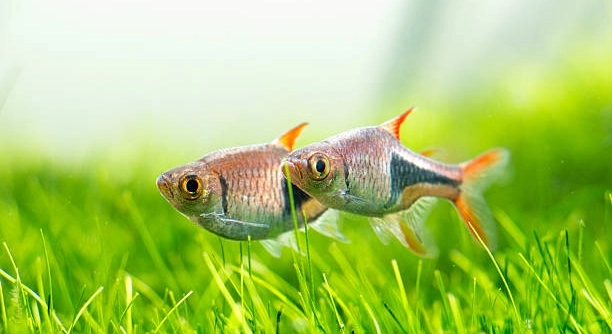
Rasboras are small, peaceful fish that often display unique behaviors, especially at night. Their subtle movements and interactions reveal a side of their nature that is not always obvious during the day. Observing these behaviors helps us understand their habits better.
At night, rasboras explore their environment through gentle swimming, subtle fin movements, and careful investigation of their surroundings. These actions help them search for food, maintain territory, and stay alert to potential threats in low light conditions.
Knowing how rasboras behave after dark adds depth to keeping them healthy and comfortable in home aquariums. This insight can improve how we care for these delicate fish.
Nighttime Movement Patterns of Rasbora
Rasboras tend to move more cautiously at night. Their swimming becomes slower and more deliberate as they explore dark corners and hidden spaces. This behavior helps them avoid predators that might be more active during nighttime. Instead of wide, fast movements, they glide smoothly through plants and decorations. They often hover near the substrate or around hiding spots to stay protected. At times, you might see small groups moving together, which adds a layer of safety in numbers. Their delicate fins subtly adjust to changes in water currents, helping them stay balanced and ready to react. These movements are not only about survival but also about gathering information on their environment. This pattern shows how they adapt to low light while still being alert and curious.
This slow, careful swimming at night reduces energy use and keeps rasboras safe from potential threats.
By watching their nighttime movement, aquarists can better understand their comfort levels. Providing plenty of hiding places and gentle water flow will support their natural behavior. When rasboras feel secure, they display healthier activity and interact more with their environment, making the aquarium more lively.
Sensory Exploration in Low Light
Rasboras rely heavily on their senses to explore at night.
Their lateral line system detects vibrations and movements in the water. This sense helps them locate food and avoid dangers when visibility is low. Along with their keen eyesight adjusted to dim light, they can navigate efficiently even in shadows. These fish may also use their sense of smell to detect nearby objects or other fish. This multi-sensory approach allows them to remain active and aware despite darkness.
In dim conditions, rasboras increase their use of tactile and chemical senses to compensate for the limited vision. They brush lightly against plants and surfaces, gathering information about their surroundings. This tactile exploration keeps them informed about possible food sources or changes in the environment. Their ability to adapt their sensory focus ensures they maintain routine behaviors such as feeding and territory patrol. Understanding these sensory adaptations can help aquarists create a balanced habitat with adequate stimuli that encourage natural exploration at night.
Ensuring the aquarium has gentle lighting and a variety of plants will promote these natural behaviors. Sensory enrichment supports their well-being and encourages active exploration during nighttime hours.
Nighttime Foraging Habits
Rasboras become more selective when searching for food at night. They prefer small, slow-moving prey that is easier to catch in low light. This cautious approach reduces energy waste and helps them avoid exposing themselves to predators during feeding.
Their diet shifts slightly after dark, focusing on tiny insects, larvae, and microorganisms that are more active or visible in dim conditions. They explore the substrate and plants with gentle nibbling motions, carefully picking food particles. This slow foraging method contrasts with their daytime feeding, which tends to be quicker and more aggressive. Nighttime feeding also supports their natural rhythm and promotes healthy digestion.
The environment plays a key role in encouraging proper nighttime foraging. A well-planted tank with a variety of surfaces will provide natural food sources and stimulate these behaviors. Overfeeding during the day should be avoided to keep nighttime feeding relevant and effective.
Social Interactions in Darkness
Rasboras often group closely at night to increase safety.
This clustering reduces the chance of individual fish being targeted by predators. It also enhances communication and shared alertness through subtle body language and movement cues. They may gently nudge or align their bodies to maintain contact and stay coordinated. The social structure remains calm but alert, creating a stable environment for the group.
Such behavior highlights the importance of keeping rasboras in small schools rather than alone. Social bonds and group dynamics support their natural behavior patterns and reduce stress during nighttime hours. Recognizing this need helps in creating an aquarium setup that supports their social nature, leading to a healthier and more active group. Providing enough space and hiding places within the tank further encourages these positive interactions.
Subtle Communication Signals
Rasboras use gentle fin flicks and body movements to communicate at night. These signals help maintain group cohesion without drawing attention from predators. The subtlety ensures they stay connected while staying safe in the dark.
These quiet cues also indicate mood changes or alert others to nearby activity.
Resting and Pausing Behavior
At night, rasboras take short pauses to rest between explorations. These brief stops help conserve energy and reduce stress. They often settle near plants or smooth surfaces, blending into their surroundings for protection. This resting behavior is essential for their overall health and nighttime routine.
Environmental Interaction
Rasboras interact carefully with their environment during the night. They avoid sudden movements and stay close to plants or decorations. This cautious approach helps them feel secure while exploring in low light. Their interaction is slow and deliberate to avoid startling themselves or others.
FAQ
Why do rasboras explore more actively at night?
Rasboras increase their nighttime activity to take advantage of quieter surroundings. The lower light reduces threats from daytime predators, allowing them to forage and investigate their environment more safely. Their natural instincts guide them to explore while still being cautious and conserving energy.
How can I tell if my rasboras are comfortable at night?
Comfortable rasboras move smoothly and calmly, often swimming in small groups. They show balanced, slow movements and make gentle contact with plants or tank surfaces. If they hide excessively or dart nervously, it may indicate stress or an unsafe environment.
Do rasboras need special lighting for nighttime exploration?
Rasboras do not require bright lighting at night. Soft or dim lights that mimic natural moonlight help them maintain normal behavior without causing stress. Complete darkness may reduce their activity, so subtle lighting is often best for their well-being.
What should I provide in the tank to support nighttime exploration?
A tank with plenty of plants, hiding spots, and smooth surfaces encourages natural exploration. These features offer shelter and tactile stimuli that rasboras use to navigate and forage. A gentle water current also helps mimic their natural habitat.
Is it normal for rasboras to change their diet at night?
Yes, rasboras tend to eat smaller, slower-moving prey at night. This shift helps them conserve energy and hunt more effectively in low light. Offering live or frozen small foods like daphnia or micro-worms can support their natural nighttime diet.
Why do rasboras stay close together during nighttime?
Grouping together at night improves safety by lowering the risk of individual attacks from predators. It also facilitates communication through subtle movements and vibrations, keeping the group coordinated and alert without drawing attention.
Can nighttime behavior indicate health problems in rasboras?
Changes like lethargy, excessive hiding, or frantic swimming at night can signal health issues or poor water quality. Monitoring their nighttime activity helps detect early signs of stress or illness, allowing for prompt care adjustments.
Should I feed rasboras at night?
Feeding at night can be beneficial but should be light to prevent overfeeding. Nighttime feeding mimics their natural behavior but must complement daytime feeding to maintain a balanced diet and avoid water pollution.
How do rasboras use their senses to explore in the dark?
Rasboras rely on their lateral line system to sense water vibrations and movement. Their eyesight adjusts to dim light, and they use tactile and chemical senses to investigate surroundings. These combined senses help them navigate and find food safely.
What role do plants play in rasboras’ nighttime activity?
Plants provide shelter, reduce stress, and offer surfaces for tactile exploration. Dense planting simulates natural environments and encourages rasboras to engage in their typical nighttime behaviors, making them feel secure and active.
Final Thoughts
Rasboras show interesting and subtle behaviors during the night that reveal much about their natural habits. Their slower movements, careful exploration, and social grouping all help them stay safe while continuing to interact with their environment. Understanding these patterns allows aquarists to create a better living space that supports both their physical and mental health. The nighttime routines of rasboras are just as important as their daytime activity and deserve attention to keep these fish comfortable.
Providing an aquarium environment that mimics natural conditions can greatly improve the well-being of rasboras. This includes soft lighting that does not disturb their night vision and plenty of plants or decorations that offer hiding spots and tactile surfaces. A gentle water flow helps them maintain balance and explore without stress. Feeding habits can be adjusted to support their natural nighttime foraging, offering smaller and slower prey in the evening. Paying attention to these details helps maintain a healthy and active group of rasboras.
Observing rasboras at night can deepen appreciation for their subtle communication and survival strategies. Their quiet signals, resting behavior, and careful exploration demonstrate how well adapted they are to a life between light and dark. Respecting their needs during these hours encourages a peaceful aquarium atmosphere and reduces stress. Overall, understanding and supporting the nighttime behavior of rasboras contributes to their longevity and happiness, making them rewarding fish to care for.

Hello,
If you enjoy the content that we create, please consider saying a "Thank You!" by leaving a tip.
Every little bit helps us continue crafting quality advice that supports the health, happiness, and well-being of pets around the world, for pets of all shapes, sizes, and species.
We really appreciate the kindness and support that you show us!