
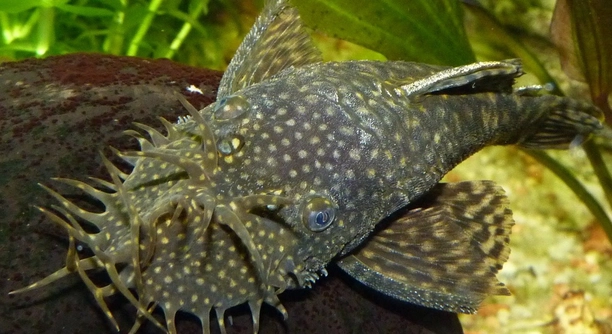
Many pleco owners enjoy watching their fish glide along the tank, yet they may notice a sudden loss of interest in food. This change can be worrying and may affect the overall health of the fish.
A pleco losing interest in food is often caused by environmental stress, illness, or dietary issues. Ensuring water quality, proper tank conditions, and offering a varied, nutrient-rich diet can help restore normal feeding behavior.
Recognizing subtle changes in your pleco’s eating habits is important, as it can signal larger concerns. Understanding these factors will help maintain your fish’s health and well-being over time.
Environmental Stress
Plecos are sensitive to their surroundings, and changes in water temperature, pH, or cleanliness can make them hesitant to eat. Even small fluctuations can cause stress that suppresses appetite. A tank that is overcrowded or lacks hiding spots may further discourage feeding. Observing your fish carefully helps identify stressful conditions. Providing a stable, well-maintained environment ensures your pleco feels safe and comfortable. Proper filtration and regular water changes are essential to remove toxins and maintain oxygen levels. Lighting should mimic a natural day-night cycle, as overly bright conditions can make plecos retreat and reduce feeding activity. Tank décor, such as caves and driftwood, offers hiding spaces that help the fish feel secure. Monitoring water parameters with test kits allows you to detect any imbalances early. Introducing new fish gradually prevents aggression and territorial disputes. A calm, stable environment encourages natural feeding behavior.
Stress in plecos often shows through lethargy and reduced interest in food. Small adjustments can improve their comfort.
Maintaining ideal conditions involves balancing temperature, pH, and cleanliness. Avoid sudden changes, as plecos react poorly to quick shifts. Providing multiple hiding spots and proper tank mates reduces stress. Monitoring water quality closely allows you to address problems before they affect appetite. Consistent care promotes healthy feeding patterns and overall well-being.
Dietary Issues
A pleco’s diet must be varied and nutrient-rich to support growth and activity. Offering only one type of food, such as algae wafers, can lead to boredom or deficiencies. Supplementing with vegetables like zucchini, cucumber, and spinach provides fiber and essential nutrients. Occasional protein sources, including bloodworms or shrimp, help maintain health. Removing uneaten food promptly prevents decay and keeps water clean. Observing your pleco’s preferences allows you to adjust offerings accordingly. Feeding smaller portions several times a day often encourages better intake than one large meal. Rotating food types helps prevent disinterest and ensures nutritional balance. Carefully preparing vegetables by blanching or softening makes them easier for plecos to eat. Avoid overfeeding, which can lead to poor water quality and digestive issues. A thoughtful feeding routine supports appetite, energy, and long-term health.
Proper diet is crucial for appetite and overall well-being, impacting your pleco’s willingness to eat daily.
Introducing new foods gradually helps plecos adapt without stress. Monitor reactions to each type, ensuring they receive a balanced mix of plant and protein sources. Combine feeding schedules with environmental care to create a stable, healthy setting that encourages regular eating. Variety and careful observation help maintain a consistent appetite and prevent nutrient deficiencies.
Illness and Health Concerns
Changes in appetite can indicate illness or internal issues. Common problems include parasites, bacterial infections, or digestive troubles. Observing unusual behavior, spots, or bloating can help identify health concerns early and prevent worsening conditions.
Prompt action is crucial when illness is suspected. If your pleco refuses food for more than a day or two, check for visible signs like discoloration, frayed fins, or unusual swimming patterns. Water tests can rule out environmental factors, narrowing the problem to internal health. Consulting a veterinarian experienced with fish ensures accurate diagnosis. Early treatment often leads to a full recovery, minimizing long-term impact on feeding habits.
Maintaining routine observation helps catch minor health changes before they escalate. A balanced diet, clean tank, and stable water conditions support immunity. Regular monitoring combined with quick response to any signs of illness protects your pleco’s appetite and overall well-being, ensuring it stays active and healthy in the tank environment.
Seasonal and Natural Behavior
Plecos sometimes naturally reduce food intake during seasonal changes. Lower temperatures or changes in daylight can trigger slower metabolism, reducing appetite temporarily.
During colder months, plecos may become less active and eat less as part of their natural cycle. Their metabolism slows, and energy requirements decrease. Providing slightly warmer water within safe limits can help maintain feeding, but forcing large meals can cause digestive issues. Observing feeding patterns over time helps distinguish normal seasonal changes from actual health concerns. Adjusting food types to softer, easier-to-digest options encourages continued eating without stressing the fish.
Understanding natural behavior allows for better care. Regular monitoring of water temperature and light cycles, along with adjusting feeding amounts and food types, aligns with plecos’ seasonal patterns. This approach minimizes stress and ensures they receive necessary nutrients even during periods of reduced activity. Maintaining consistency in other aspects of care helps support their appetite and overall vitality throughout the year.
Tank Size and Space
Plecos need enough room to move freely and establish territory. A cramped tank can cause stress, making them less interested in food. Ensuring adequate space supports natural behaviors and encourages regular feeding.
Overcrowding also increases waste and lowers water quality, both of which reduce appetite. Larger tanks help maintain cleaner water and reduce stress from other fish, promoting a healthier environment where plecos feel safe to eat.
Water Quality
Maintaining clean, balanced water is essential for feeding. Poor water conditions, such as high ammonia, nitrite, or nitrate levels, directly affect a pleco’s appetite. Regular testing and adjustments keep the tank safe. Proper filtration and routine water changes prevent toxin buildup, helping your pleco stay healthy.
Aging Plecos
Older plecos may naturally eat less due to slower metabolism. As they age, energy requirements drop, and appetite can decrease. Observing gradual changes helps distinguish normal aging from health issues, allowing appropriate adjustments in diet and care to keep them nourished.
FAQ
Why is my pleco refusing food suddenly?
Sudden loss of appetite is often linked to stress, water quality issues, or illness. Check water temperature, pH, and cleanliness first, as fluctuations can discourage feeding. Look for visible signs of disease, such as spots, frayed fins, or bloating, which may require veterinary attention.
How long can a pleco go without eating?
Healthy plecos can survive for several days without food, but this depends on age, size, and prior health. Long-term refusal is a serious concern, as prolonged fasting can weaken the immune system, making them more susceptible to infections. Observing behavior alongside appetite helps gauge the urgency.
What foods are best for picky plecos?
A varied diet is key. Offer algae wafers, fresh vegetables like zucchini or cucumber, and occasional protein sources like shrimp or bloodworms. Rotating foods prevents boredom and ensures balanced nutrition. Softening vegetables by blanching makes them easier to eat and encourages consumption.
Could water temperature affect feeding habits?
Yes. Plecos prefer stable temperatures, usually between 72–78°F. Cooler water slows metabolism and appetite, while sudden spikes or drops cause stress. Use a reliable heater and thermometer to maintain consistent conditions, especially during seasonal changes.
Can tank mates influence appetite?
Aggressive or territorial fish can intimidate plecos, making them retreat and eat less. Providing adequate hiding spots and monitoring interactions reduces stress. Choosing compatible species helps maintain a calm environment conducive to normal feeding behavior.
How do I know if my pleco is sick?
Signs of illness include lethargy, clamped fins, bloating, discoloration, and unusual swimming patterns. Reduced feeding is often one of the first indicators. Regular observation and prompt water testing help distinguish environmental issues from true health problems.
Is aging a reason for decreased appetite?
Older plecos naturally eat less as metabolism slows. This is normal if accompanied by steady behavior and no visible signs of illness. Adjust portion sizes and offer softer, easy-to-digest foods to support aging fish without overfeeding.
How often should I feed my pleco?
Smaller, frequent meals are preferable. Feeding once daily may work, but splitting portions into two or three smaller feedings encourages better consumption and prevents uneaten food from fouling the tank.
Can stress alone make plecos stop eating?
Stress is a significant factor. Changes in environment, new tank mates, overcrowding, or poor water quality can all reduce appetite. Minimizing disturbances and providing a stable, enriched environment helps restore normal feeding patterns.
When should I contact a veterinarian?
If your pleco refuses food for more than two days or shows other symptoms like bloating, discoloration, or frayed fins, consult a vet experienced with fish. Early intervention improves recovery chances and prevents more serious health issues.
What steps can I take to encourage eating?
Start with stable water conditions and proper tank setup. Offer a variety of foods in small amounts and provide hiding spaces for security. Gradually introducing new vegetables or protein sources helps stimulate appetite while keeping the fish comfortable.
Are there signs of long-term appetite problems?
Long-term issues may appear as gradual weight loss, lethargy, or repeated refusal to eat certain foods. Monitoring behavior and adjusting diet and environment proactively prevents chronic malnutrition and ensures your pleco remains healthy and active.
Does light affect feeding?
Plecos are nocturnal, so bright lighting can make them retreat and avoid eating. Providing shaded areas or dim lighting during feeding times encourages activity and consumption without stress.
How can I prevent future appetite issues?
Maintain a stable tank environment, offer a varied diet, and monitor water quality regularly. Observing behavior daily allows early intervention if appetite declines. Consistency in care reduces stress and promotes healthy, consistent feeding patterns for your pleco.
This FAQ covers common causes of decreased appetite, practical solutions, and long-term strategies to keep plecos eating well, addressing stress, health, diet, and environmental factors.
Final Thoughts
Watching a pleco lose interest in food can be worrying, but it is important to remember that several factors can influence feeding behavior. Stress, environmental changes, illness, or natural aging may all contribute to reduced appetite. Plecos are sensitive fish, and even minor changes in water temperature, pH, or tank conditions can affect their willingness to eat. Maintaining a stable, well-balanced environment is essential to help your pleco feel secure and comfortable. Regular water testing, proper filtration, and clean tank conditions create the foundation for healthy feeding habits. Providing hiding spots and an appropriately sized tank also reduces stress, allowing your pleco to engage in natural behaviors and eat normally. Paying attention to subtle signs, such as lethargy, discoloration, or unusual swimming patterns, helps you identify potential problems early, whether they are environmental or health-related.
Dietary considerations are equally important for ensuring your pleco continues to eat regularly. Offering a varied diet prevents boredom and provides the essential nutrients necessary for health and growth. Fresh vegetables, algae wafers, and occasional protein sources help meet dietary needs. Preparing vegetables by softening or blanching them makes it easier for plecos to consume, encouraging consistent feeding. Avoid overfeeding, as uneaten food can lead to poor water quality and stress the fish. Monitoring how your pleco responds to different foods allows you to adjust the diet and feeding schedule according to preferences and seasonal needs. During colder months or times of slowed metabolism, providing smaller, more frequent meals helps maintain energy without overburdening the digestive system. Paying attention to both quantity and variety ensures that your pleco receives proper nutrition throughout its life.
Long-term care requires consistent observation and attention to detail. Regularly monitoring water parameters, tank cleanliness, and the behavior of your pleco allows you to detect problems before they escalate. Gradual adjustments to food, tank mates, or environmental conditions help maintain stability and reduce stress. Aging plecos may naturally eat less, but ensuring they receive easily digestible foods can support their health. If appetite issues persist despite stable conditions and proper diet, consulting a veterinarian experienced with fish is the best course of action. By combining attentive observation, careful diet management, and a well-maintained environment, you can encourage your pleco to remain active, healthy, and engaged with its food. Understanding these factors and applying consistent care creates a setting in which plecos are more likely to thrive, enjoy their meals, and live a longer, healthier life.

Hello,
If you enjoy the content that we create, please consider saying a "Thank You!" by leaving a tip.
Every little bit helps us continue crafting quality advice that supports the health, happiness, and well-being of pets around the world, for pets of all shapes, sizes, and species.
We really appreciate the kindness and support that you show us!