
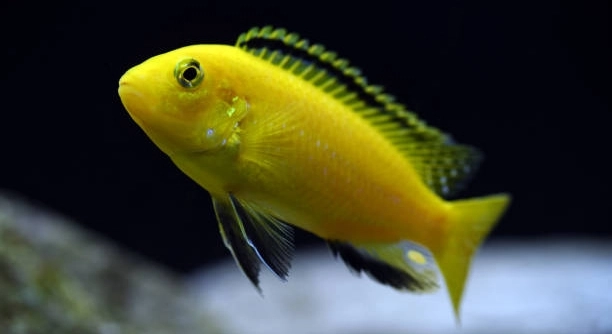
Convict cichlids are fascinating fish known for their striking colors and strong pair bonds. After mating, these fish display unique behaviors as they prepare to care for their eggs and future fry. Observing their routine is both calming and educational.
After convict cichlids mate, the female lays eggs on a flat surface while the male guards the territory. Both parents actively protect the eggs and fry, ensuring proper development, feeding, and survival through coordinated parental care.
Watching their dedicated parenting provides insight into their natural instincts and the delicate balance of life in a home aquarium. It highlights the importance of understanding their behaviors for successful care.
Egg Laying and Early Care
After mating, the female convict cichlid selects a flat surface, usually a rock or aquarium glass, to lay her eggs. She can lay dozens at a time, carefully attaching each one to ensure it remains safe. The male stays nearby, patrolling the area to keep other fish away. Both parents clean the surface and remove any debris or unfertilized eggs, keeping the clutch healthy. Over the next few days, the eggs develop a small eye, signaling that the fry will soon hatch. The female remains close to the eggs, fanning them gently with her fins to provide oxygen and prevent fungus. During this period, the male’s presence is just as important, as he guards the perimeter and maintains a safe environment. This coordinated effort increases the chances of the eggs reaching the hatching stage without disturbance or predation. The bond between the pair is evident in how they respond to threats together.
The eggs usually hatch within three to four days, depending on water temperature and conditions.
Once hatched, the fry are tiny, translucent, and extremely vulnerable. Both parents guide them around the territory, keeping them close and defending them from any intruders. This stage requires constant attention, as the fry are not yet strong swimmers. Observing this phase highlights the parents’ dedication, patience, and instinctive behaviors, showing how convict cichlids prioritize offspring survival over other needs.
Fry Development and Feeding
In the first week, the fry feed primarily on algae and microscopic organisms in the water. Parents continue to shepherd them, nudging them toward food and keeping them away from danger.
As the fry grow, parents encourage independent foraging while still maintaining protective behavior. They may split the fry into smaller groups temporarily, ensuring all receive proper attention and access to food. During this time, growth is rapid, and the fry start to develop the characteristic stripes of convict cichlids. Water quality and temperature remain critical, as any fluctuation can impact development and survival. Observing the interaction between parents and fry offers insight into their natural instincts and how they balance nurturing with maintaining territory. Over the following weeks, fry gradually become stronger and more confident swimmers. Parental guidance slowly diminishes, allowing the young to explore more freely while still benefiting from the safety of the guarded area. Understanding these stages helps aquarium owners provide suitable conditions and monitor behaviors that indicate healthy development. Proper nutrition, gentle water movement, and stable temperatures support growth, while attentive observation ensures that any signs of stress or disease are addressed promptly. By recognizing these patterns, one can foster an environment that mirrors the convict cichlids’ natural care strategies, promoting survival and well-being for both the parents and their fry.
Parental Roles and Interaction
Both parents stay close to their territory, protecting eggs and fry from other fish. The female focuses on cleaning and fanning the eggs, while the male guards the perimeter. Their coordinated effort ensures the highest survival rate for their offspring during the early stages of development.
During the first week after hatching, the parents’ roles are clearly defined. The female constantly attends to the fry, moving them gently around the territory and ensuring they remain safe. She nudges the fry toward food and removes any debris or weak fry to prevent contamination. The male maintains vigilance over the area, chasing away potential threats and signaling the female if danger approaches. This teamwork is instinctive and ensures that both the eggs and newly hatched fry are well protected from predation or environmental stressors, giving them a strong start in life.
As the fry grow, both parents gradually allow more independence. The female still monitors feeding closely, while the male focuses on territorial defense. Their interactions are less constant but remain highly protective. The fry start to explore more actively, and the parents adjust their behavior to balance supervision with allowing the young to practice swimming and foraging skills. Observing these changes shows how convict cichlids adapt their parenting as offspring develop strength and coordination, ensuring survival without excessive interference.
Environmental Factors and Care
Water quality, temperature, and tank setup directly impact fry survival. Clean, stable conditions help parents maintain their protective behaviors effectively.
Optimal water conditions are essential for both the parents and fry. Temperature should remain consistent, as sudden changes can stress the fish, reduce parental care, and slow fry growth. Filtration should provide gentle water movement to avoid disturbing eggs or fry. Tank decorations such as flat rocks or small hiding spots create secure areas, allowing parents to guide fry safely. Feeding the parents a nutritious diet supports their energy levels, ensuring they can continue attentive care. Observing water parameters and behavior daily helps catch early signs of stress, disease, or aggression. Consistent maintenance and monitoring improve survival rates and support healthy development for all family members in the tank.
Parents respond strongly to environmental changes, adjusting their behavior to protect offspring. Sudden disturbances or overcrowding can reduce care quality, causing fry to scatter or stress the parents. Maintaining a calm, stable tank encourages natural behaviors, helping parents feed, guard, and guide fry effectively. Careful observation allows owners to identify when adjustments are needed, such as rearranging decorations, adding hiding spots, or separating aggressive tankmates. Over time, a well-managed environment lets the parents focus on nurturing, giving fry the best chance to grow strong. The combination of consistent conditions, attentive feeding, and protective behavior creates a balanced ecosystem in which both parents and fry thrive.
Fry Independence
As the fry grow stronger, they begin to swim more confidently around the tank. Parents gradually reduce close supervision, allowing the young to explore while still providing protection when needed. This stage is critical for developing foraging and survival skills.
The young start learning to feed themselves and respond to environmental cues. Parents continue to intervene only if there is danger or competition from other fish. By gradually letting the fry explore, the parents encourage independence, preparing them for life beyond the immediate territory. This balance between guidance and freedom ensures healthier, more resilient offspring.
Feeding Strategies
Fry feed on small particles, like infusoria and finely crushed flakes. Parents guide them toward food and ensure all fry get access, supporting growth during early stages.
Territorial Behavior
Parents become more defensive as fry grow, marking and guarding boundaries to prevent intruders. This protects resources and keeps the young safe.
FAQ
How long do convict cichlid parents care for their fry?
Convict cichlid parents usually care for their fry for three to four weeks. During this time, they closely guard and guide the young, helping them find food and protecting them from potential threats. As the fry grow stronger and more independent, parental involvement gradually decreases.
What should I feed convict cichlid fry?
In the first few days, fry rely on tiny microorganisms like infusoria. As they grow, finely crushed flakes, baby brine shrimp, and specialized fry food can be introduced. Parents often help direct the fry toward food, which improves survival and supports steady growth. Feeding small amounts frequently is best.
Can both parents be aggressive toward other fish?
Yes, both male and female convict cichlids become highly territorial when eggs or fry are present. They chase away intruders, including tankmates and even other cichlids. Aggression usually decreases as the fry grow and become more independent. Careful tank management can reduce conflict.
How can I tell if the fry are healthy?
Healthy fry are active, swim in groups, and respond to parents’ guidance. Their stripes become more visible with age, and they feed eagerly. Lethargy, loss of color, or staying hidden can indicate stress, poor water quality, or disease. Quick action is important to maintain survival rates.
Do convict cichlid parents eat their eggs or fry?
It can happen if eggs are unfertilized or if the parents feel threatened. Removing weak or contaminated eggs is natural behavior to protect the rest of the clutch. Healthy, well-fed parents usually do not harm their surviving fry. Maintaining good water quality and minimizing stress reduces this risk.
Can fry survive without both parents?
Fry can survive without both parents if provided proper food, hiding spots, and safe tank conditions. However, survival rates are lower compared to when parents are present. Parents help guide fry to food and defend them from threats, so their presence significantly improves chances of survival.
How often should I check water conditions during breeding?
Daily monitoring is recommended, especially during early fry development. Stable temperature, clean water, and proper oxygen levels are essential. Frequent partial water changes and careful observation help prevent stress, disease, and loss of fry. Consistency ensures parents maintain their care routines effectively.
When do fry start showing adult behavior?
Fry begin showing territorial and feeding behaviors around three to four weeks of age. They swim more confidently, explore independently, and start responding to other fish in the tank. Full adult coloration develops gradually, and parental supervision continues to taper off as they mature.
Can I separate fry from parents for safety?
Yes, separating fry can protect them from aggressive tankmates or if parents become overly aggressive. Use a breeder box or partition, ensuring food is accessible and water quality is maintained. Gradual introduction back into the main tank is safer once fry are strong enough to survive independently.
What tank setup is best for breeding convict cichlids?
A tank with flat rocks, hiding spots, and open swimming areas works well. Stable temperature, gentle water flow, and clean conditions are important. Avoid overcrowding to reduce stress. Providing suitable surfaces for egg-laying encourages natural breeding behavior and supports successful fry development.
How can I reduce stress for breeding pairs?
Minimize disturbances, keep tankmates peaceful, and maintain stable water conditions. Providing hiding spots and a well-planned territory helps the pair feel secure. Stress reduction supports proper egg care, consistent fanning, and attentive protection of fry.
When should I start feeding fry more substantial food?
After about one week, fry can begin eating baby brine shrimp or finely crushed flakes. Gradually introduce new foods while parents still guide feeding. This supports growth and helps fry develop the coordination needed for independent foraging.
Can I breed convict cichlids multiple times in a year?
Yes, under good conditions, convict cichlids can breed repeatedly throughout the year. They may lay eggs every few weeks if water, food, and environment remain ideal. Monitoring parental health and providing rest periods helps sustain successful breeding cycles.
How do parents communicate with fry?
Parents use nudges, fin movements, and positioning to guide fry. These subtle signals keep fry together, direct them toward food, and warn them of danger. Observing this communication demonstrates how instinctive behaviors ensure fry survival and proper development.
What is the survival rate of fry in a home aquarium?
With attentive parents and proper care, survival rates can be high, sometimes exceeding 80 percent. Without parental guidance or in stressful conditions, survival rates drop significantly. Providing food, clean water, hiding spots, and minimal stress maximizes the chance that fry will reach maturity.
How long until fry resemble adult convict cichlids?
Within 6 to 8 weeks, fry develop clear black stripes and begin to resemble adults in size and coloration. Full adult size may take several months, during which parents may still supervise and guide them in the tank. Regular observation ensures healthy growth.
Are convict cichlids suitable for beginner breeders?
Yes, they are hardy and display strong parental care, which helps fry survive. However, attention to water quality, diet, and tankmates is essential. Even though they are beginner-friendly, understanding their behaviors and needs improves breeding success. Proper setup and consistent care make a noticeable difference.
How do I handle aggressive behavior between the parents?
Mild aggression between a pair is normal, especially around eggs or fry. Severe fighting may require temporary separation or more hiding spots in the tank. Providing adequate space and reducing stressors ensures the pair cooperates while still protecting their offspring.
Can fry recognize their parents?
Yes, fry respond to parental guidance, staying close and following nudges toward food or safety. This recognition fades as they grow stronger and begin exploring independently, but during early development, parental presence is critical for survival.
What are common mistakes in convict cichlid breeding?
Overcrowding, poor water quality, inconsistent feeding, and unnecessary disturbances are frequent issues. Removing parents too early or introducing aggressive tankmates can reduce survival. Observing behaviors and maintaining a stable environment is key to preventing common problems and ensuring healthy fry growth.
How do I know when fry are ready for a larger tank?
Fry are ready when they swim confidently, feed independently, and show strong coloration. Gradual acclimation to a larger space helps reduce stress. Parents may no longer supervise closely, and the young are better equipped to handle new tankmates and territory.
What is the best way to track fry growth?
Regular observation, measuring growth visually or with small markers in the tank, and noting feeding response helps track progress. Healthy fry grow consistently, develop stripes, and respond to parental guidance. Tracking ensures timely interventions if growth slows or health issues arise.
How do I prevent fungus on eggs?
Maintaining clean water, removing debris, and fanning the eggs regularly prevents fungus. Parents usually handle this naturally, but careful monitoring and consistent tank conditions reduce the risk of infection. Avoid overcrowding or introducing unclean objects into the breeding area.
What happens if eggs are infertile?
Infertile eggs are usually removed by the female to prevent contamination. They may appear cloudy or fail to develop. Removing them manually can also help protect healthy eggs from fungus or decay. Parents instinctively prioritize the well-being of viable offspring.
How often should I feed parent cichlids during breeding?
Frequent, small meals of high-quality food maintain energy levels. Both parents need proper nutrition to guard, clean, and guide fry effectively. Balanced protein, vitamins, and minerals support reproductive behavior and overall health during this demanding period.
Can I mix convict cichlids with other fish during breeding?
Mixing with peaceful species may work, but territorial aggression increases with fry present. Aggressive or fast-moving fish can stress parents and fry. Carefully observing interactions and providing hiding spots reduces conflict, but the safest approach is a separate breeding tank.
Do parents need extra care after fry become independent?
Parents benefit from continued good nutrition and stable water. Once fry are independent, aggression decreases, and stress is reduced. Maintaining consistent conditions ensures the adult cichlids remain healthy and ready for future breeding opportunities.
How do I encourage natural breeding behavior?
Providing flat surfaces, secure territory, clean water, and high-quality food encourages courtship and egg-laying. Minimal disturbance helps pairs focus on parenting, while stable conditions and adequate space support successful mating and offspring care.
Can fry be reared artificially without parents?
Yes, with proper food, water conditions, and protection, fry can survive without parents. This requires careful attention to feeding frequency, tank cleanliness, and avoiding stress. While possible, survival and development rates are higher when parents are present to guide and protect the young.
What signs indicate successful breeding?
Visible eggs on flat surfaces, attentive parental care, and active fry following guidance indicate success. Consistent growth, strong stripes, and healthy swimming behaviors confirm the offspring are thriving and the breeding effort was effective.
How long before fry can be sold or moved?
After 6 to 8 weeks, fry are strong enough for relocation, feeding independently, and handling minimal stress. At this stage, their coloration and size are sufficient for separation without significantly impacting survival. Gradual acclimation ensures continued health and growth.
Can parents breed again while caring for fry?
It is rare but possible. Most pairs focus on the current fry, delaying the next spawn until offspring are more independent. Ensuring parents are well-fed and stress-free supports healthy repeated breeding cycles without compromising current fry survival.
What is the role of water temperature in breeding?
Temperature affects egg development, fry growth, and parental activity. Stable, slightly warmer temperatures speed up development, while fluctuations can cause stress, slow growth, or reduce survival. Monitoring and maintaining appropriate temperatures is critical for successful breeding.
How do I manage multiple pairs in one tank?
Separate territories with rocks or partitions help reduce aggression. Overcrowding increases stress and decreases fry survival. Careful observation, adequate space, and strategic tank layout allow multiple pairs to coexist while minimizing conflict and ensuring offspring are protected.
What are common diseases affecting fry?
Fungal infections, bacterial outbreaks, and parasitic infestations are the most common. Maintaining clean water, stable conditions, and proper nutrition reduces risk. Early detection and prompt treatment are essential to prevent widespread loss in young fry.
How long do parents stay active after fry independence?
Once fry are independent, parental activity decreases. They resume normal feeding and swimming behaviors, with less aggression and minimal guarding. Maintaining good tank conditions supports their health and readiness for future breeding opportunities.
Are convict cichlids seasonal breeders?
No, they can breed year-round if conditions are favorable. Stable water parameters, consistent feeding, and secure territory allow continuous breeding cycles, provided parents have time to recover between spawns.
What is the ideal tank size for breeding pairs?
A minimum of 20 gallons is recommended for one pair with fry. Larger tanks reduce stress, allow multiple hiding spots, and provide enough space for fry to explore while parents guard their territory effectively.
How important is parental observation in a home aquarium?
Observing parents helps detect stress, disease, or aggression early. It ensures timely intervention to protect fry, adjust tank conditions, and support healthy growth. Regular monitoring allows owners to replicate natural behaviors while maintaining a safe environment.
Can fry be kept with plants?
Yes, plants provide hiding spots and mild filtration benefits. Avoid dense or sharp plants that may trap fry. Carefully placed plants help fry explore safely while allowing parents to guide them without obstruction.
How do I know when to stop interfering with parental care?
Interfere only if eggs or fry are at risk from tankmates, disease, or environmental hazards. Otherwise, letting parents manage care encourages natural behaviors and higher survival rates. Overhandling can stress both parents and offspring.
What are the most important tips for successful convict cichlid breeding?
Provide clean, stable water, flat surfaces for eggs, hiding spots, balanced nutrition, and minimal stress. Observe behaviors closely, support parental care, and ensure fry have safe access to food. Attention to these details improves survival and promotes healthy development for both parents and offspring.
How do I prevent cannibalism among fry?
Maintain ample space, provide frequent small feedings, and remove weak or sick fry early. Healthy parents usually manage this naturally, but overcrowding or insufficient food increases risk. Proper tank management minimizes aggression and promotes survival.
Can I breed convict cichlids in a community tank?
It is possible with peaceful species, plenty of hiding spots, and careful observation. Aggressive or fast-moving fish can stress parents and fry, so monitoring interactions is necessary. For higher survival rates, a separate breeding tank is preferable.
Do parents need extra food during fry care?
Yes, extra protein-rich food supports energy demands for guarding, fanning eggs, and guiding fry. Feeding small portions frequently ensures both parents stay healthy and attentive throughout the breeding period.
How do I handle a failed breeding attempt?
Remove infertile eggs or unhealthy fry, maintain water quality, and allow parents to recover. Avoid disturbing them unnecessarily, provide a stress-free environment, and try again once conditions are optimal. Observing behaviors can help improve future breeding success.
What is the best lighting for breeding tanks?
Moderate lighting supports normal behavior without stressing the fish. Bright lights can increase visibility for predators and stress parents, while dim lighting encourages natural activity and proper egg care. A balanced light cycle mimics natural conditions.
Can I use heaters for fry development?
Yes, stable heaters maintain consistent temperatures that speed up development and support parental activity. Avoid rapid fluctuations, as they can stress parents and fry, reducing survival and growth rates.
How long should fry stay with parents before separation?
Typically, 6 to 8 weeks is sufficient. By this time, fry swim independently, feed on their own, and exhibit adult-like behaviors. Gradual separation minimizes stress and preserves parental well-being while giving fry room to grow.
What is the best way to handle fry during tank maintenance?
Minimize handling and use gentle tools like a soft net or breeder box. Avoid disturbing parents unnecessarily. Partial water changes and careful cleaning reduce risk to both fry and adults while maintaining optimal conditions.
How can I track parental effectiveness?
Observe egg and fry survival rates, feeding guidance, defensive behavior, and overall health. Active, attentive parents with high fry survival indicate effective care. Tracking these behaviors helps identify problems early and adjust conditions if needed.
Are there signs of overbreeding in convict cichlids?
Fatigue, decreased egg viability, or reduced attention to fry indicate overbreeding. Providing rest periods, balanced nutrition, and stable conditions allows parents to recover and maintain successful future breeding cycles.
How do I encourage fry to school together?
Parents naturally guide fry to stay close, but ensuring open swimming areas and minimal disturbances encourages grouping. Consistent feeding and gentle nudging by parents help fry develop coordination and cohesion as a school.
Can fry survive in tanks without hiding spots?
Hiding spots improve survival by reducing stress and offering refuge from parents or tankmates. Without them, fry are more vulnerable to aggression or environmental stress, leading to lower survival rates. Strategic placement of rocks or plants enhances safety.
Do convict cichlids ever abandon their fry?
Abandonment is rare but can occur under extreme stress, poor water quality, or illness. Parents instinctively prioritize survival of healthy offspring. Maintaining calm, stable conditions minimizes the risk of abandonment and promotes successful care.
How can I encourage natural cleaning behaviors in parents?
Provide smooth surfaces for egg-laying, maintain water quality, and avoid excessive interference. Parents instinctively fan and clean eggs, and proper conditions allow these behaviors to continue effectively, supporting fry survival.
What are signs of parental stress?
Excessive aggression, lethargy, poor feeding, or neglecting eggs/fry indicate stress. Environmental issues, overcrowding, or sudden changes often cause this. Correcting conditions quickly helps parents resume normal care and improves fry survival.
How do I know when fry are ready to eat adult food?
When they can pick up flakes, swim confidently, and digest small pieces easily, transition gradually. Continue monitoring to ensure they grow well and remain healthy during the shift from fry to adult diet.
What is the typical lifespan of convict cichlids in captivity?
Convict cichlids live around 8 to 10 years with proper care. Healthy diet, stable water conditions, and minimal stress support longevity, allowing multiple breeding cycles over their lifespan.
Can parents recognize repeated offspring?
No, parents focus on immediate fry care and territorial defense. Each clutch receives attention based on presence, health, and environmental conditions rather than recognition of previous offspring.
How do I prevent fry from being bullied by tankmates?
Provide hiding spots, separate aggressive species, and ensure fry are fed frequently. Monitoring interactions helps prevent injury or stress, supporting healthy growth until fry are strong enough to swim freely.
Are convict cichlids easy to breed in captivity?
Yes, they are hardy, display strong parental care, and breed readily with proper conditions. Attention to water quality, diet, and territory management ensures successful breeding and high fry survival.
How can I tell when a breeding pair is ready?
Pairing behavior, territorial guarding, and courtship displays indicate readiness. Providing flat surfaces and minimal disturbance encourages mating and egg-laying. Observing consistent behavior ensures timing aligns with ideal conditions for offspring care.
What is the importance of consistent tank maintenance?
Regular cleaning, water changes, and monitoring temperature and pH maintain a safe environment. This consistency reduces stress, supports parental care, and increases fry survival. Proper maintenance is crucial for successful breeding and healthy offspring.
How do I know if fry are stressed?
Signs include hiding excessively, lethargy, poor feeding, or erratic swimming. Stress can result from poor water quality, lack of hiding spots, overcrowding, or aggressive tankmates. Immediate corrective actions improve survival.
Can fry be raised with other cichlid species?
Some peaceful species may coexist, but care is needed to prevent aggression. Overcrowding or fast-moving fish can stress fry, while proper tank setup and observation help maintain safety and growth.
What role does parental observation play in preventing disease?
Parents remove weak or sick fry, reducing contamination. Observing their behavior helps detect early signs of illness and ensures interventions can be applied quickly to protect the remaining offspring.
How do I know when fry are fully independent?
When they swim confidently, feed without parental guidance, and exhibit normal behavior without fear, they are independent. At this stage, parents reduce supervision, and fry can handle minor challenges in the tank on their own.
Can environmental enrichment help fry development?
Yes, small hiding spots, open swimming areas, and gentle water flow encourage exploration, coordination, and natural behaviors. Enrichment supports physical and mental development while allowing parents to maintain effective care.
**How do I manage multiple cl
Convict cichlids are remarkable fish, especially when observed during breeding and fry development. Their behaviors, from courtship to parental care, demonstrate strong instincts and a surprising level of coordination between the male and female. Watching how they protect their eggs, fan them for oxygen, and guide their fry around the territory can be both educational and rewarding for anyone who maintains a home aquarium. Understanding these behaviors is essential for creating an environment where they can thrive. Proper care involves not only feeding and maintaining clean water but also observing their interactions and adjusting the tank setup when necessary. Flat rocks or smooth surfaces for egg-laying, secure hiding spots for fry, and gentle water movement all contribute to the success of their parenting. Paying attention to these details allows owners to support natural behaviors while minimizing stress or aggression, which in turn increases the survival rate of the fry.
Parents play a critical role in the survival and growth of their young, and the division of responsibilities is evident from the moment eggs are laid. The female focuses on cleaning and fanning the eggs, ensuring they receive sufficient oxygen and remain free from fungus, while the male maintains the perimeter, warding off potential threats. Once the fry hatch, both parents guide them toward food, keep them close to safe areas, and protect them from other fish. This stage requires constant attention and coordination, and the careful balance between supervision and allowing the fry some independence helps them develop important survival skills. As the fry grow, they gradually become stronger swimmers and more confident in exploring the territory. The parents’ behavior naturally adjusts, shifting from constant monitoring to occasional guidance, demonstrating how instinctive parenting evolves with the needs of the offspring. Observing these stages helps aquarium owners anticipate potential challenges and provides insight into the natural development process of convict cichlids.
Environmental factors also play a significant role in the breeding and development process. Water quality, temperature, and tank setup all directly influence the success of egg hatching and fry growth. Stable, clean conditions allow parents to perform their duties effectively, while sudden changes or overcrowding can cause stress, aggression, or even abandonment of the eggs. Feeding both the parents and the fry properly ensures that all fish receive the nutrition needed to maintain health and energy levels during these critical stages. Gradual transitions, careful monitoring, and a stable environment help fry grow into strong, healthy juveniles capable of thriving independently. With proper attention to these details, convict cichlids demonstrate natural behaviors that are fascinating to observe and rewarding to support. A thoughtful approach to their care ensures that both the parents and the fry remain healthy, and that breeding in a home aquarium is successful and fulfilling.

Hello,
If you enjoy the content that we create, please consider saying a "Thank You!" by leaving a tip.
Every little bit helps us continue crafting quality advice that supports the health, happiness, and well-being of pets around the world, for pets of all shapes, sizes, and species.
We really appreciate the kindness and support that you show us!