
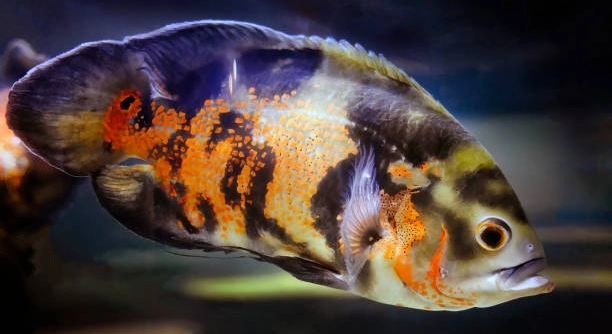
Keeping cichlids can be a rewarding hobby, but sometimes the size of their tank is overlooked. Many aquarists do not realize how much space these fish actually need to thrive and feel comfortable in their environment.
A tank that is too small for cichlids can cause stress, aggressive behavior, and stunted growth. Limited space reduces water quality and disrupts natural behaviors, negatively impacting both physical health and overall well-being of the fish.
Recognizing the signs of an overcrowded tank can help you take timely action. Proper space ensures healthier fish and a more balanced aquatic environment for years to come.
Signs of Aggressive Behavior
When cichlids are cramped, aggression tends to rise quickly. You might notice chasing, nipping, or constant territorial disputes. Even fish that are normally calm can become hostile when they don’t have enough room. Small tanks make it hard for fish to retreat, which increases stress and can lead to injuries. Aggression can also affect other species in the tank, causing them to hide or stop eating. Observing your fish closely can help you identify patterns of fighting. Aggression is often more noticeable during feeding or breeding times. Rearranging decorations or adding hiding spots might reduce tension temporarily, but if the tank is too small, these measures only provide short-term relief. Overcrowding is a serious problem for cichlids, as their natural behavior is heavily influenced by space. Regularly checking interactions and adjusting tank conditions is essential for keeping aggression under control and ensuring the health of all your fish.
Aggressive behavior is a clear indicator of insufficient space in a cichlid tank, showing the need for a larger environment to maintain peace.
Too many fish in a small tank can also increase stress hormones. Stress affects immune systems and growth, leading to weaker fish. Even subtle signs, like hiding more often or sudden color changes, can indicate discomfort. Taking action early helps prevent long-term health problems.
Poor Water Quality
Small tanks struggle to maintain stable water conditions. Waste accumulates quickly, leading to high ammonia and nitrite levels. Filtration systems may not keep up, causing cloudy water or strong odors. Poor water quality affects fish health, appetite, and lifespan. Frequent water changes are necessary but may not fully solve the problem if the tank is overcrowded.
Limited space reduces the water’s ability to buffer toxins naturally. Ammonia and nitrites build up faster, stressing the cichlids and making them more prone to disease. Oxygen levels can drop, especially in tanks with poor circulation. Fish may gasp at the surface, a sign that oxygen is insufficient. Behavioral changes, like lethargy or erratic swimming, also reflect poor water conditions. Overcrowding amplifies these issues because every additional fish contributes to waste and consumes oxygen. Even with careful maintenance, a tank that is too small cannot support healthy water chemistry long-term. Expanding the tank or reducing the number of fish is often necessary. Regular monitoring of pH, ammonia, nitrite, and nitrate levels is essential to maintain a healthy environment and prevent irreversible damage. Understanding how tank size affects water quality ensures your cichlids remain active, healthy, and stress-free.
Stunted Growth
Small tanks limit the space cichlids have to swim, which directly impacts their growth. Crowding and poor water quality also contribute to stunted development, making fish appear smaller than their potential size.
In cramped tanks, cichlids cannot exercise naturally, which slows muscle and bone development. Stress from overcrowding can reduce appetite, making it harder for fish to get proper nutrition. Water conditions in small tanks change rapidly, adding another layer of stress that interferes with normal growth. Over time, these factors combine, leaving fish smaller, weaker, and more susceptible to illness. Providing adequate space is essential for healthy, steady growth and for allowing cichlids to reach their full size potential naturally.
Even a minor increase in tank size can help improve swimming space and reduce stress. Fish show better coloration, increased activity, and more consistent growth when given proper conditions. Monitoring their size and behavior regularly is key.
Excessive Hiding
Cichlids in small tanks often hide more than usual. Limited space and lack of territories make fish feel unsafe, leading to constant retreat behind decorations or plants.
Hiding becomes a regular behavior when fish cannot establish their own territory. Smaller tanks make it difficult for cichlids to escape aggressive tank mates or feel secure. Constant hiding reduces feeding opportunities and social interactions, which can affect health over time. Fish may become lethargic or withdrawn, and their natural behaviors, like exploring or displaying colors, diminish. Adding hiding spots can provide temporary relief, but if the tank is too small, this behavior persists. Overcrowding directly limits the number of safe zones, forcing cichlids to stay in corners and under decorations more often than normal. Observing these patterns helps identify if tank size is the main issue. Proper tank dimensions and thoughtful arrangement improve confidence, reduce stress, and encourage natural activity.
Rapid Waste Build-Up
In small tanks, waste accumulates quickly, creating poor water conditions. Uneaten food and fish waste can increase ammonia and nitrite levels, which are harmful to cichlids.
Filtration in a cramped tank often cannot keep up with the high waste load. Frequent water changes help, but they are only a temporary fix if the tank is too small.
Reduced Breeding Success
Overcrowding and stress in a small tank can prevent cichlids from breeding successfully. Fish may avoid mating or fail to care for their eggs properly. Stress hormones disrupt reproductive behavior and lower fertility. Proper space is essential for healthy breeding and egg survival.
Constant Stress
Cichlids in tight spaces experience ongoing stress. Limited room and frequent confrontations trigger chronic stress, affecting health, behavior, and immunity.
FAQ
How can I tell if my cichlid tank is too small?
You can look for physical and behavioral signs. Fish may display aggression, hide frequently, or show stunted growth. Water quality may deteriorate faster, and filtration might struggle to keep up. Observing your cichlids closely over time helps identify if space is an issue.
What is the minimum tank size for common cichlids?
Many common cichlids, like African cichlids, require at least 55 gallons for a small group. Larger species need more space, often 75 gallons or more. Tank size should account for adult fish size, not just juveniles, to avoid overcrowding as they grow.
Can tank decorations reduce stress in a small tank?
Adding rocks, caves, and plants can provide hiding spots and reduce tension temporarily. However, in a very small tank, these decorations take up space and may not fully alleviate stress. Proper tank size is more important than decoration alone.
How often should I test water in a small tank?
In a smaller tank, water parameters change quickly. Testing ammonia, nitrites, nitrates, and pH at least twice a week is recommended. Frequent monitoring allows early intervention before fish show signs of stress or illness.
Will adding more filtration help a small tank?
Extra filtration can help manage waste, but it does not solve space issues. Fish still need room to swim and establish territories. Overcrowding in a small tank continues to cause aggression and stress regardless of filtration improvements.
Can fish growth be reversed if the tank is too small?
Stunted growth caused by limited space and poor conditions is often permanent. Once cichlids have experienced long-term stress or restricted swimming, they may not fully reach their potential size, even in a larger tank later. Early intervention is key.
How many cichlids can I safely keep in my tank?
Safe stocking depends on tank size, species, and temperament. Aggressive species need more space per fish. A general rule is one inch of fish per gallon, but territorial behavior can require even more space. Monitoring interactions is important to prevent overcrowding.
What are long-term effects of a too-small tank?
Chronic stress, poor growth, weakened immune systems, and shortened lifespan are common. Aggression can lead to injuries, and poor water quality increases disease risk. Fish may also fail to breed successfully if overcrowded. Addressing space issues early ensures healthier fish over time.
Is it okay to keep multiple species in a small tank?
Mixing species increases complexity and can worsen aggression. Each species needs enough space to establish territories. In a small tank, conflicts are more frequent, and dominant fish may prevent others from feeding or hiding. Careful planning or larger tanks are necessary.
How do I improve conditions if my tank is too small?
The most effective solution is upgrading to a larger tank. Reducing the number of fish temporarily can help. Proper filtration, regular water changes, and adding hiding spots provide short-term relief, but increasing space ensures long-term health and stability for your cichlids.
Can overcrowding affect fish color?
Yes, stressed or cramped cichlids often show duller coloration. Reduced space and aggression can prevent natural displays of vibrant colors. Adequate space allows cichlids to express their full color, which is also a sign of improved health and reduced stress.
How do I prevent stress in a cichlid tank?
Provide enough space, maintain water quality, and minimize aggression by spacing hiding spots. Avoid overcrowding and monitor fish behavior regularly. Proper tank setup and careful stocking help maintain calm, active, and healthy cichlids, reducing long-term stress effectively.
What is the most common mistake with cichlid tanks?
Underestimating the space they need is the biggest issue. Many aquarists start with small tanks for juveniles and don’t account for adult size. This leads to aggression, stunted growth, poor water quality, and overall health problems. Planning for adult fish size prevents these problems.
How often should I upgrade my tank?
Tank upgrades are needed when fish show signs of crowding, aggression, or stunted growth. Moving to a larger tank before problems escalate ensures better long-term health. Regularly evaluating fish behavior and tank capacity helps determine the right timing for an upgrade.
Are there any temporary fixes for a small tank?
Temporary fixes include reducing the number of fish, adding hiding spots, and performing more frequent water changes. These measures help, but they do not replace the need for adequate swimming space. Long-term solutions require a larger tank to fully support cichlid health.
How important is territory for cichlids?
Territory is critical. Cichlids are naturally territorial, and small tanks prevent them from establishing spaces. Without defined territories, aggression rises, stress increases, and feeding competition becomes severe. Sufficient space and careful decoration placement help maintain harmony and healthy behavior patterns.
Can tank size affect breeding behavior?
Yes, small tanks limit breeding activity. Fish may avoid spawning or fail to protect eggs. Stress and crowding suppress reproductive hormones and behaviors. Providing enough room, hiding spots, and proper water conditions encourages natural breeding and increases the chances of fry survival.
How do I know if aggression is due to space?
Frequent chasing, nipping, and constant fights are indicators. Aggression often spikes during feeding or when hiding spots are limited. Observing patterns and comparing tank size to species requirements helps determine if limited space is the main factor behind aggressive behavior.
Does diet help with stress in small tanks?
A balanced diet supports overall health but cannot compensate for limited space. Stress from overcrowding affects hormones and behavior, which food alone cannot fix. Nutrition helps fish cope better, but proper tank size remains the most important factor for reducing stress.
Are small tanks more prone to disease?
Yes, poor water quality, high stress, and aggression increase susceptibility to illness. Overcrowded tanks often experience higher ammonia and nitrite levels, weakening immune systems. Regular monitoring and addressing tank size issues are essential for preventing disease outbreaks and maintaining healthy cichlids.
How quickly should I react to signs of overcrowding?
Immediate action is recommended. Early intervention prevents injuries, disease, and long-term stunted growth. Adjusting fish numbers or upgrading the tank promptly ensures better water quality, reduces stress, and supports natural behavior and growth, safeguarding the health of your cichlids.
Can small tanks ever be safe for cichlids?
Only for very young juveniles temporarily. Once fish grow, even slightly aggressive species require larger space. Short-term housing in small tanks is acceptable if closely monitored, but long-term health and proper behavior demand adequate tank size.
What is the ideal setup for cichlids to reduce stress?
Provide a tank that matches adult fish size, with sufficient hiding spots, caves, and territories. Keep water clean, maintain stable parameters, and avoid overcrowding. Observing fish behavior regularly ensures a calm and healthy environment that supports natural activity, growth, and breeding.
How does tank shape affect cichlid behavior?
Longer tanks give more horizontal swimming space and allow better territory establishment. Tall, narrow tanks limit movement and may increase aggression. Choosing the right shape along with sufficient size helps fish feel secure, reduces stress, and promotes natural interactions.
Can lighting and plants help in a small tank?
Lighting and plants provide comfort and simulate natural habitats. Plants give hiding spaces, while proper lighting supports natural behaviors and coloration. However, these improvements cannot replace the need for adequate space, which is essential for long-term health and reduced aggression.
Is it better to have fewer fish in a small tank?
Yes, reducing fish numbers lowers aggression, stress, and waste load. Even temporary reductions can improve water quality and fish behavior. Long-term, ensuring proper tank size is the most effective solution for healthy and active cichlids.
How do I maintain water quality in a small tank?
Frequent water changes, strong filtration, and careful monitoring of ammonia, nitrites, nitrates, and pH are crucial. Small tanks experience rapid parameter fluctuations, so staying proactive prevents stress and disease. These measures help temporarily, but proper tank size is essential for lasting stability.
What are subtle signs of a tank being too small?
Subtle signs include reduced activity, faded coloration, hiding more often, and minor aggression. Fish may eat less or avoid swimming openly. Noticing these behaviors early allows you to address tank size or environmental adjustments before serious problems develop.
How much space does each cichlid need?
Space requirements vary by species and temperament. Aggressive or large species need more room, often at least one gallon per inch of fish or more. Providing extra space allows territory establishment, reduces stress, and supports healthy growth and natural behavior patterns.
Can cichlids adapt to small tanks?
Cichlids can survive in small tanks temporarily, but adaptation comes with stress, stunted growth, and higher disease risk. Long-term survival requires adequate space to allow natural swimming, territory formation, and proper social behavior, ensuring healthier and longer-lived fish.
What should I do if I notice constant hiding or aggression?
Immediate evaluation of tank size and stocking levels is necessary. Reducing fish numbers, adding hiding spots, or upgrading the tank can alleviate stress. Observing changes after adjustments helps ensure the environment supports natural behavior, reduces aggression, and improves overall health.
How important is observation for cichlid health?
Regular observation is key. Watching behavior, coloration, and feeding patterns helps identify issues early. Changes in activity, aggression, or hiding indicate stress or overcrowding. Promptly addressing these signs ensures the tank environment meets the needs of your cichlids.
Can overcrowding affect lifespan?
Yes, prolonged overcrowding leads to chronic stress, disease, and poor growth, all of which reduce lifespan. Providing enough space and proper care is essential for cichlids to reach their full life expectancy and maintain good health.
How do I balance tank size and fish numbers?
Consider adult fish size, behavior, and territorial needs. Avoid overcrowding by calculating space per fish and monitoring interactions. Providing extra room supports natural behavior, reduces stress, and prevents health problems, creating a stable and thriving environment for all cichlids.
Are there visual signs of stress besides aggression?
Yes, signs include pale or dull coloration, clamped fins, erratic swimming, hiding, or reduced feeding. These subtle indicators reveal that fish are uncomfortable and may need more space, better water quality, or environmental adjustments.
Can I use multiple smaller tanks instead of one large tank?
Yes, separating fish into smaller groups can reduce aggression and overcrowding. However, each tank still needs sufficient space for species’ size and behavior. Proper monitoring, maintenance, and careful stocking are required to ensure each tank supports healthy cichlids.
How does tank maintenance differ in small tanks?
Small tanks require more frequent water changes, regular monitoring, and careful feeding to prevent waste accumulation. Fluctuations happen quickly, so consistent upkeep is critical. While maintenance can manage conditions temporarily, sufficient tank size is the most effective long-term solution.
What is the best way to upgrade a tank without stressing the fish?
Gradually acclimate fish to the new tank by transferring them carefully and keeping water parameters consistent. Add decorations and hiding spots in the new tank to reduce stress. Moving fish slowly ensures they adjust smoothly to the larger environment and maintain healthy behavior.
How do I plan for future tank needs?
Consider adult fish size, growth rate, and temperament before purchasing. Plan for enough space to avoid overcrowding as fish mature. Anticipating these needs prevents long-term stress, aggression, and health problems, making tank management more effective and sustainable.
Can overcrowding cause physical deformities?
Yes, long-term overcrowding and stress can result in stunted growth and skeletal deformities. Limited swimming space affects muscle and bone development, and poor water quality can impact overall health. Early detection and providing adequate space prevent these irreversible issues.
What is the most reliable sign that a tank is too small?
Consistent stress, aggression, stunted growth, hiding, and declining water quality together indicate the tank is too small. Addressing these issues by increasing space or reducing fish numbers ensures healthier, more active cichlids and prevents long-term health problems.
How can I make a small tank safer temporarily?
Temporarily, reduce the number of fish, add hiding spots, maintain strict water changes, and monitor behavior closely. These measures help, but long-term health depends on providing a tank that allows sufficient swimming space and territory for all fish.
What should I prioritize: water quality or tank size?
Both are critical, but tank size directly impacts stress, aggression, and behavior. Water quality can be managed temporarily, but insufficient space leads to long-term problems. Prioritizing an appropriate tank size ensures healthier fish and more stable water conditions.
Is a too-small tank more work to maintain?
Yes, small tanks require more frequent monitoring, water changes, and careful feeding. Waste builds up quickly, and fish stress increases, demanding constant attention. A larger tank reduces these problems and provides a more stable, manageable environment.
How do I choose the right tank for multiple cichlid species?
Consider species size, temperament, and territorial needs. Provide enough space for all species to establish territories without overcrowding. Plan for adult sizes, arrange hiding spots, and monitor interactions to ensure compatibility and minimize stress in a shared tank.
Can tank size affect cichlid behavior long-term?
Yes, prolonged overcrowding can permanently alter behavior. Fish may remain aggressive, fearful, or avoid social interactions. Providing adequate space early supports natural behaviors, reduces stress, and encourages healthy social and breeding patterns over the lifespan of your cichlids.
How do I know when it’s time to move to a larger tank?
Signs include frequent aggression, hiding, stunted growth, poor water quality, or stress behaviors. If adjustments like reducing fish or adding hiding spots don’t help, it’s time to upgrade. Observing these patterns ensures a smooth transition to a healthier, more spacious environment.
Are there alternatives to a larger tank if space is limited?
Alternatives include dividing fish into multiple smaller tanks or reducing stocking numbers. These strategies help manage aggression and stress but still require careful monitoring. The ultimate solution for long-term health is providing sufficient space for natural behavior and growth.
Can small tanks affect social hierarchy?
Yes, limited space prevents fish from establishing clear territories, causing constant fights. Dominant fish may block others from feeding or hiding. Adequate space allows social hierarchies to form naturally, reducing aggression and supporting healthier interactions among cichlids.
How long can cichlids tolerate a small tank?
Tolerance varies, but prolonged confinement leads to stress, stunted growth, and illness. Short-term survival is possible, but long-term health and behavior are compromised. Providing adequate space early is essential to ensure active, healthy fish.
What is the best way to monitor stress in a small tank?
Watch for hiding, aggression, lethargy, color fading, erratic swimming, and reduced feeding. Regular observation combined with water testing provides a clear picture of stress levels. Acting promptly prevents long-term damage and ensures the tank remains a suitable environment.
Does tank size affect compatibility of cichlid species?
Yes, small tanks intensify territorial disputes and aggression between species. Adequate space allows different cichlids to coexist more peacefully. Proper planning for size, temperament, and hiding spots supports harmony and reduces stress when keeping multiple species together.
How do I gradually adjust fish to a larger tank?
Float the fish in bags to equalize temperature, slowly introduce water from the new tank, and add hiding spots. Transfer fish gently, monitor behavior, and ensure stable water parameters. Gradual acclimation reduces stress and encourages natural behavior in the larger environment.
Can tank size affect appetite?
Yes, overcrowded fish may eat less due to stress or competition. Constant hiding or chasing reduces feeding opportunities. Proper tank size improves access to food, reduces stress, and supports healthy growth and energy levels.
Are juvenile cichlids easier to keep in small tanks?
Juveniles tolerate small tanks briefly, but growth and activity eventually require more space. Overcrowding during early development can stunt growth and alter behavior. Planning for adult size ensures healthier fish as they mature.
What role does tank layout play in small tanks?
Layout can reduce stress temporarily by providing hiding spots and visual barriers. However, limited swimming space still constrains natural behavior. A larger tank with thoughtful decoration placement ensures proper territory formation and reduces aggression.
How can I track if fish are stressed due to tank size?
Observe behavior consistently, monitor feeding, watch for color changes, and test water quality. Patterns like hiding, chasing, or lethargy indicate stress. Early detection allows adjustments to improve health and reduce aggression.
Do cichlids need open swimming space or hiding areas more?
Both are important. Open swimming space allows exercise and natural behavior, while hiding areas provide security. In small tanks, hiding spots help temporarily, but adequate swimming room is essential for long-term health and proper growth.
Can overcrowding affect cichlid longevity?
Yes, chronic stress, poor water quality, and stunted growth reduce lifespan. Providing enough space and stable conditions ensures fish live longer, healthier lives and maintain natural behavior patterns throughout adulthood.
How do I balance decorations and space in a small tank?
Decorations provide hiding and territories, but too many reduce swimming room. In small tanks, prioritize minimal decorations while maximizing open space. In larger tanks, more decoration can be added without limiting movement. Proper balance reduces aggression and stress.
Are there signs that tank size is affecting breeding?
Yes, lack of mating behavior, abandoned eggs, or poorly developed fry indicate insufficient space. Stress and limited territory prevent proper reproductive activity. A larger, well-structured tank encourages natural breeding and fry survival.
What adjustments help in the short term for a crowded tank?
Temporarily remove some fish, increase hiding spots, maintain frequent water changes, and monitor interactions. These steps relieve stress and reduce aggression temporarily, but a larger tank is required for lasting improvement.
How does water movement in small tanks impact stress?
Too little or too much water movement can increase stress. Small tanks may circulate water unevenly, causing stagnant areas or strong currents. Proper flow supports oxygenation and mimics natural environments, reducing stress for cichlids.
Is tank size more important than species compatibility?
Both matter, but space often has a greater effect on stress and aggression. Even compatible species can fight or hide excessively in cramped conditions. Adequate tank size supports natural interactions, reduces stress, and improves overall health.
Can tank size affect color display?
Yes, stressed or cramped fish often lose vibrant coloration. Proper space allows fish to feel secure, show natural behaviors, and display their full range of colors, which also reflects improved overall health.
**Are there behavioral changes that indicate space issues before health
Caring for cichlids is rewarding, but tank size is one of the most important factors for their health and happiness. A tank that is too small can cause stress, aggression, and stunted growth. Even fish that seem active and healthy may be struggling in a cramped environment. Observing their behavior, such as hiding often, constant chasing, or dull coloration, can give you a clear picture of their comfort level. Proper space allows cichlids to swim freely, establish territories, and interact naturally, which is essential for maintaining both their physical and mental health. Water quality also improves in larger tanks because toxins and waste are diluted more effectively, reducing the risk of illness. Regularly checking the tank’s conditions, including ammonia, nitrite, and nitrate levels, ensures a stable environment where fish can thrive.
Upgrading to a larger tank may feel like a big step, but it is often necessary for long-term success. Many aquarists start with a tank that seems sufficient for juveniles, only to find that as the fish grow, space quickly becomes an issue. Planning ahead for the adult size of your cichlids helps prevent problems before they start. When selecting a tank, consider the species, temperament, and number of fish you plan to keep. Aggressive species require more space per fish, while schooling or peaceful cichlids may tolerate closer quarters if the tank is properly sized. Even temporary overcrowding can have long-term effects, such as stunted growth or increased susceptibility to disease. Providing extra space early reduces stress and supports natural behaviors like swimming, foraging, and breeding. Hiding spots, caves, and decorations help fish feel secure, but they should never replace adequate swimming room.
Taking the time to observe, plan, and maintain a proper tank benefits both you and your fish. Fish that have enough space are more active, colorful, and resilient, making them more enjoyable to watch. Paying attention to their behavior and acting on signs of stress ensures that they grow strong and healthy. Proper tank size also simplifies maintenance by stabilizing water conditions and reducing the frequency of emergencies. By understanding the impact of space on aggression, health, and breeding, you can make informed decisions that improve the overall quality of life for your cichlids. Investing in the right tank size is not just about comfort—it is about providing an environment where fish can thrive naturally and live longer, healthier lives. It allows you to enjoy your cichlids without constantly worrying about problems caused by overcrowding. A well-sized tank sets the foundation for a calm, balanced, and visually appealing aquatic environment, creating a healthier home for every fish.

Hello,
If you enjoy the content that we create, please consider saying a "Thank You!" by leaving a tip.
Every little bit helps us continue crafting quality advice that supports the health, happiness, and well-being of pets around the world, for pets of all shapes, sizes, and species.
We really appreciate the kindness and support that you show us!