
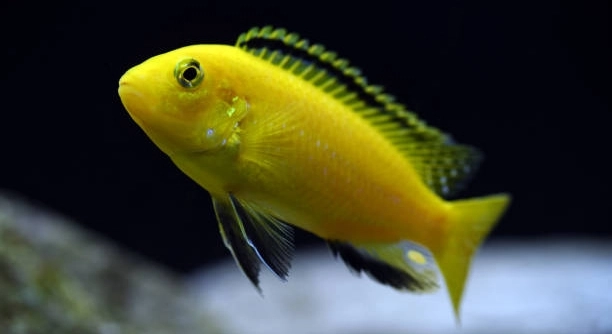
Have you ever noticed small fry clustering near tank walls while leaving the center mostly empty, even in calm conditions, creating concern about comfort, safety, and overall balance within your aquarium environment at home today?
Fry often avoid the center of the tank due to perceived predation risk, stronger water flow, and limited visual cover. Edges provide shelter, stable conditions, and access to surfaces that support feeding behavior and early developmental security during growth stages.
By understanding these patterns, aquarists can adjust layout, flow, and lighting to promote healthier movement and confidence in young fish.
Water Flow and Fry Safety
Young fry are extremely sensitive to movement in their environment, and strong or uneven water flow can quickly push them away from open spaces. The center of most tanks often has higher circulation due to filters, air stones, or pumps. For small fry, this constant motion requires extra energy to resist, which can lead to stress and fatigue. Staying near the edges allows them to rest while still accessing oxygenated water. Tank corners also create natural breaks in current, making movement more predictable and less demanding. As a caretaker, I have noticed fry settle faster when flow is gentle and evenly distributed. Adjusting filter output, using spray bars, or adding plants can significantly change how secure the center feels. When water movement becomes manageable, fry are more likely to explore beyond the glass walls and develop stronger swimming behavior over time as their strength and confidence slowly increase together naturally.
Reducing strong currents helps fry conserve energy and lowers daily stress levels. Balanced flow encourages gradual exploration and supports healthy growth without forcing constant swimming or hiding behaviors. This simple adjustment often leads to calmer, more evenly distributed groups throughout the tank during early development stages for most species observed.
Tank design also plays an important role in how fry use space. Bare centers can feel exposed, especially under bright lighting. Adding floating plants, gentle hardscape, or fine-leaf vegetation creates visual breaks that signal safety. Fry rely on cover not only for protection, but also for feeding, as biofilm and microfoods collect on surfaces. When the middle of the tank offers similar shelter to the sides, fry behavior becomes more balanced. From my experience, even small layout changes can shift their swimming patterns within days. A thoughtfully arranged tank supports natural instincts while still allowing clear observation without added stress.
Lighting and Perceived Threats
Lighting intensity strongly influences where fry choose to stay. Bright, direct light increases visibility and makes open areas feel unsafe. Softer lighting near edges offers comfort and reduces sudden shadow movement, which can otherwise trigger stress responses in young fish during early growth phases inside home aquariums very often there.
Fry interpret light and shadows as signals of danger, especially during their earliest stages. In nature, open bright water often exposes them to predators from above. This instinct remains strong in aquariums. Overhead lighting placed directly above the center creates sharp contrast and moving reflections that can feel threatening. When I adjusted my own tank lighting by diffusing it and shifting intensity toward the sides, fry spread out more naturally. Using floating plants, dimmers, or raised light fixtures softens harsh exposure. Consistent lighting schedules also matter, as sudden changes increase anxiety and hiding behavior. A stable light environment allows fry to build confidence and explore safely. When lighting feels predictable, the center of the tank no longer stands out as a risky zone. Over time, fry begin using all available space, resulting in healthier development and more natural movement patterns that benefit long term care. These changes also support feeding routines, reduce competition, and help weaker fry access food evenly. Balanced lighting works alongside flow and layout to create stability. Small adjustments can produce noticeable improvements without major equipment changes. Over time this balance encourages confidence, even distribution, and calmer daily behavior across the tank for young fish overall health.
Tank Mates and Social Pressure
Fry often stay near tank edges when larger fish are present, even peaceful ones. Size differences create constant pressure, making open areas feel unsafe. Remaining close to walls or plants allows quick escape and reduces unwanted attention during vulnerable early stages of growth when instincts are still developing and learning.
Even subtle movements from adult fish can influence fry positioning throughout the tank. Sudden turns, feeding rushes, or territorial swimming patterns increase stress and encourage avoidance of open space. Fry respond by grouping where visibility is limited. I have seen this happen even with community species labeled as gentle. Visual barriers help, but separation often works best. Using breeding boxes or dedicated grow out tanks removes constant pressure and allows fry to spread naturally. When social stress is reduced, swimming becomes calmer, feeding improves, and growth appears more even across the group without constant edge hugging behavior over time steadily.
Consistent observation helps identify whether social dynamics are affecting fry behavior. If adults patrol the center or dominate feeding zones, fry will continue avoiding those areas. Rearranging décor may help, but removing pressure sources is more effective. I prefer adjusting stocking plans early to prevent long term stress. Fry raised with minimal intimidation develop stronger swimming habits and explore confidently. This also reduces competition and uneven growth. Allowing fry space to move freely supports muscle development and improves survival rates. A calmer social environment encourages natural behavior and healthier transitions into juvenile stages over time within the tank system overall.
Feeding Zones and Fry Behavior
Feeding locations strongly affect where fry choose to spend time. Food that drifts toward edges reinforces wall hugging behavior. When nourishment rarely reaches the center, fry have little reason to enter open water. I have found that spreading food evenly encourages movement. Fine powders and suspended foods remain accessible longer, reducing competition and supporting balanced exploration across the entire tank during feeding periods and helps weaker fry feed without pressure from stronger tank mates nearby.
Targeted feeding techniques help retrain fry behavior over time. Using pipettes or feeding rings directs food into open areas without strong currents. This creates positive association with the center of the tank. I prefer slow, repeated feedings rather than large portions. Fry gain confidence when food appears consistently in the same spots. Over time, they begin venturing farther from cover. Balanced feeding also prevents dominant individuals from controlling resources. When fry are not rushed, they eat more evenly and grow at similar rates. Adjusting feeding strategy supports healthier habits and improves overall tank balance without adding stress. This approach works well alongside changes in lighting, flow, and layout for consistent behavioral improvement over extended periods of fry development in controlled home aquarium setups today overall.
Edges as Visual Comfort
Tank walls offer fry constant visual reference and physical support. Staying near glass helps them orient themselves and rest without drifting. The center lacks these cues, which can feel unstable. This preference fades as fry gain strength, coordination, and confidence through daily movement and gradual growth over time naturally steadily.
As a caretaker, I notice fry relax faster when they have edges nearby. Adding background film or textured panels increases comfort. These simple changes reduce frantic swimming and edge clustering over time. Once fry mature, reliance on boundaries decreases and center swimming becomes more frequent and relaxed overall steadily naturally.
Lack of Cover in Open Water
Open tank centers lack shelter, which affects how safe fry feel. Without plants or décor, exposure increases stress and avoidance behavior. I prefer using fine leaf plants, floating cover, or soft structures to break open space. These additions slow movement and soften light. Fry respond by spreading out instead of clinging to edges. Cover also supports feeding since microorganisms gather on surfaces. A balanced layout does not crowd the tank but creates gentle zones of security. When the center offers similar protection as the sides, fry movement becomes more even and natural over time with consistent thoughtful aquarium design choices.
Development Over Time
Fry behavior changes as they grow and adapt. Center avoidance is often temporary. With proper flow, lighting, cover, and feeding, confidence builds naturally. I have seen fry shift patterns within weeks. Patience and small adjustments support steady development and healthier use of tank space during early life stages overall consistently.
FAQ
Why are my fry always hiding near the tank edges?
Fry instinctively seek safety along tank walls where they feel protected. The edges offer stable visual cues, shelter, and reduced exposure to stronger water currents. I often notice that even in calm tanks, fry prefer these areas until their swimming strength and confidence improve naturally over time.
How can I encourage fry to explore the center of the tank?
Gradually adjusting water flow, providing gentle cover in the middle, and spreading food evenly helps fry feel secure. Using floating plants or small décor pieces softens light and creates safe zones. I have seen fry begin venturing into open areas when conditions are predictable and comfortable.
Does tank lighting affect fry behavior?
Yes, intense or direct light makes open water feel exposed. Fry interpret bright areas as risky, especially without shelter. Diffused lighting, dimmers, or floating plants reduce stress and encourage movement. Consistent light schedules also help fry feel more comfortable and less anxious overall.
Can tank mates cause fry to avoid the center?
Larger or more active fish create pressure that keeps fry near walls. Even peaceful species can trigger hiding if their movement is unpredictable. Using dedicated grow-out tanks or breeding boxes reduces social stress. I noticed my fry spread out more once adult fish were separated or monitored closely.
Does water flow prevent fry from swimming in open areas?
Strong currents in the tank center require more energy to resist, which young fry may avoid. Reducing filter output, using spray bars, or adding plants creates calmer zones. Fry are more likely to explore open spaces when energy expenditure is manageable and movement feels predictable.
Should I rearrange tank décor to encourage center exploration?
Yes, adding plants, floating cover, or soft structures in the middle creates visual breaks and a sense of safety. Over time, fry begin using these areas naturally. I find that small changes often result in noticeable improvements in swimming patterns within days.
How does feeding impact fry positioning?
Fry follow food sources, so drifting flakes or powders near edges reinforce wall hugging. Targeted feeding with pipettes or feeding rings distributes food evenly, teaching fry that open areas are safe and rewarding. I prefer slow, repeated feedings to prevent competition and support even growth.
Do fry eventually stop avoiding the center?
Yes, as fry grow stronger, their confidence improves, and exposure risk decreases. With balanced flow, appropriate lighting, and adequate cover, fry begin exploring freely. I have seen fry transition from constant edge hugging to evenly distributed swimming within weeks when conditions are stable and secure.
Is tank size a factor in center avoidance?
Smaller tanks limit safe zones, making fry more cautious. Larger tanks can feel intimidating without visual breaks or cover. I have observed that fry in well-planted, appropriately sized tanks start using the center more naturally compared to crowded or barren setups.
Can stress from early handling affect fry behavior?
Yes, frequent disturbance or sudden changes in water conditions increase hiding and edge preference. Gentle handling, stable water parameters, and minimal disruption encourage exploration. In my experience, fry that are introduced carefully to new tanks or adjusted slowly settle faster and spread more evenly across available space.
How long does it take for fry to feel comfortable in the center?
It varies by species and tank conditions but usually takes several weeks. Consistent water flow, lighting, feeding, and layout adjustments accelerate comfort. I find that regular observation and small, gradual changes are more effective than abrupt modifications, leading to healthier swimming habits and more confident fry overall.
Are there long-term effects if fry avoid the center too much?
Prolonged avoidance can lead to uneven growth, weaker muscles, and stress-related behaviors. Ensuring gradual exposure to open areas supports balanced development. I monitor my fry carefully to encourage exploration without forcing them, resulting in stronger, more active juveniles over time.
Final Thoughts
Fry avoiding the center of the tank is a common behavior rooted in instinct, environmental factors, and social dynamics. Young fish naturally seek safety, and the edges of a tank offer visual cues, shelter, and calmer water that make them feel secure. This behavior is not unusual, and it often changes as fry grow stronger and more confident in their movements. Factors like water flow, lighting, tank mates, and feeding patterns all influence where fry choose to spend their time. Recognizing these influences allows caretakers to adjust tank conditions in ways that support healthier behavior. Simple changes, such as reducing strong currents, providing cover in open areas, or adjusting lighting intensity, can encourage fry to explore more freely. Over time, these adjustments create an environment where fry feel safe moving throughout the tank rather than clustering along walls.
Maintaining a balanced and predictable environment is essential for promoting natural swimming behavior. Fry respond strongly to environmental cues, and small modifications can have noticeable results. For example, adding floating plants or soft décor in the center of the tank provides both shelter and visual breaks, making open spaces feel less intimidating. Feeding techniques also play a role in encouraging movement. When food is consistently distributed across the tank, fry learn that the center is a safe and productive area to explore. Similarly, minimizing stress from tank mates and sudden disturbances helps fry build confidence gradually. In my experience, patience is key. Fry do not immediately change their habits, but consistent adjustments to flow, cover, light, and feeding routines gradually support healthier exploration and more balanced growth patterns.
It is important to remember that center avoidance is a normal stage in fry development. With careful observation and small, deliberate adjustments, fry will naturally expand their range and interact more evenly with their environment. Supporting these behaviors early has long-term benefits for growth, muscle development, and overall well-being. As fry gain strength, coordination, and confidence, they begin using all available space in the tank more evenly, which improves feeding efficiency and reduces stress. For caretakers, understanding the reasons behind edge preference helps create a nurturing and stable environment. By focusing on flow, lighting, cover, and feeding strategies, fry can thrive and develop into active, healthy juveniles. Observing gradual improvements over time also reinforces the importance of patience and consistency in aquarium care, ensuring that fry not only survive but flourish in their habitat.

Hello,
If you enjoy the content that we create, please consider saying a "Thank You!" by leaving a tip.
Every little bit helps us continue crafting quality advice that supports the health, happiness, and well-being of pets around the world, for pets of all shapes, sizes, and species.
We really appreciate the kindness and support that you show us!