
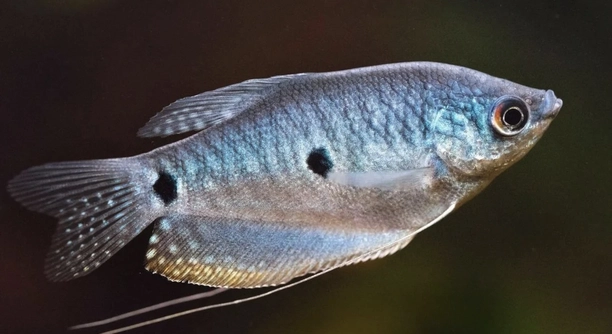
Gouramis are popular aquarium fish known for their unique behaviors and peaceful nature. Observing how they act can give important clues about their environment and overall well-being. Their behavior often reflects how well their tank conditions suit them.
Overfiltration in gourami tanks can cause stress and unusual behaviors such as hiding, gasping, or lethargy. Excessive water flow disrupts their natural swimming patterns and breathing, which may negatively impact their health and comfort. Monitoring behavior helps identify this issue early.
Recognizing these signs allows for adjustments that improve your gourami’s environment and health. This article will explain what specific behaviors suggest overfiltration and how to respond.
Recognizing Signs of Overfiltration in Gouramis
Gouramis typically prefer gentle water movement because they come from slow-flowing waters in their natural habitats. When the filtration system is too strong, it can create currents that stress the fish. You might notice your gourami hiding more often, staying at the bottom, or avoiding open areas in the tank. Gasping at the surface is another clear sign, as strong water flow can affect their ability to breathe comfortably. Some gouramis may become lethargic, losing their usual active swimming behavior. These signs suggest that the environment is not ideal and needs adjusting. Observing these behaviors regularly can help you maintain a healthy tank for your gouramis.
Overfiltration affects their breathing and swimming comfort, which can lead to long-term health issues if not addressed.
Paying attention to how your gourami moves and breathes is essential. They rely on calm waters to use their labyrinth organ effectively. Adjusting the filter to reduce water flow often resolves these issues quickly.
How to Adjust Filtration for Gourami Tanks
Too strong a filter can disturb the tank’s balance and stress gouramis, so lowering the flow rate is key. You can use filter sponges or baffles to reduce current speed. Positioning the filter output towards the tank’s side rather than directly into the water helps create gentler circulation. Sometimes, replacing a high-flow filter with one designed for smaller tanks or slower water movement is necessary. Keeping the water clean is important, but it should never come at the expense of your fish’s comfort. Monitoring the tank daily allows you to notice any changes in behavior and make timely adjustments. Balancing filtration to keep water clear and currents mild is essential for gouramis’ well-being and helps them thrive in captivity.
Common Behavioral Changes from Overfiltration
Gouramis often show signs like increased hiding, sudden restlessness, or frequent surface gasping when water flow is too strong. These changes indicate discomfort and stress caused by overfiltration.
Stress from strong currents disrupts their natural behavior. Gouramis prefer calm environments where they can swim slowly and use their labyrinth organ to breathe efficiently. Overfiltration forces them to expend extra energy to maintain position in the tank, which can tire them out. Constant stress weakens their immune system, making them more vulnerable to illness. Watching for these behavioral shifts early can help prevent more serious health problems. It’s important to create a balanced environment that meets both cleanliness and comfort needs.
Their natural habitats usually have gentle currents, so mimicking this in the aquarium is key. Reducing filter output or using flow diffusers can ease their stress and restore normal behavior. A relaxed gourami is more active and shows brighter colors, signaling good health.
Impact of Overfiltration on Gourami Health
Excessive water flow can cause physical harm to gouramis, including fin damage and weakened resistance to disease. Constant swimming against strong currents leads to fatigue and injury.
Besides behavioral stress, overfiltration can cause direct physical effects. Gouramis may develop torn or frayed fins from trying to swim against strong water currents. This not only looks unhealthy but opens pathways for infections. Additionally, stress weakens their immune response, increasing susceptibility to common fish diseases like ich or fungal infections. Over time, the fish may lose appetite and become lethargic. Maintaining moderate water flow preserves their health and appearance. Proper tank maintenance that balances filtration strength with the species’ natural preferences supports long-term wellbeing. Adjusting filtration ensures gouramis can rest and thrive without unnecessary strain.
How to Test if Your Tank Is Overfiltered
Start by observing your gouramis closely. Notice if they avoid certain areas or struggle to swim normally. These signs often point to excessive water flow.
Check the filter’s output. If the current feels strong near the surface or creates noticeable ripples, the flow may be too high for your gouramis’ comfort.
Simple Fixes to Reduce Overfiltration
Adjusting the filter’s flow rate is the easiest solution. Many filters have a dial or lever to control water output. Using sponge covers or placing decorations near the outlet can help diffuse strong currents. Experiment with these changes and watch your gouramis’ behavior to find the best setup for their comfort.
Importance of Balanced Filtration
Balanced filtration keeps the tank clean without causing stress. It supports both water quality and fish well-being. Finding the right flow prevents health problems linked to overfiltration.
Monitoring Your Gourami’s Comfort
Regularly watch your gouramis for signs of stress. Changes in behavior often indicate a need to adjust the tank environment.
FAQ
How can I tell if my gourami is stressed from overfiltration?
Stress from overfiltration often shows through behavior changes. If your gourami hides more than usual, gasps at the surface frequently, or appears lethargic, these are signs. Restlessness and trying to swim against strong currents also indicate discomfort caused by excessive water flow.
What should I do if I suspect overfiltration?
First, reduce the filter flow if possible. Many filters have adjustable settings. You can also place sponge covers or baffles over the output to soften the current. Rearranging tank decorations to block or slow water flow near resting areas helps. Monitor your gourami’s response to these changes closely.
Is strong filtration always bad for gouramis?
Strong filtration is not always harmful but can be stressful if the current is too intense. Gouramis naturally live in calm waters, so a gentle flow is better. Proper filtration keeps water clean but needs to be balanced to avoid disturbing the fish.
Can overfiltration cause physical injuries to gouramis?
Yes. Constant swimming against strong currents can damage fins, leading to torn or frayed edges. These injuries expose the fish to infections. Over time, physical stress weakens their immune system, increasing the risk of disease.
Will my gourami get used to strong water flow over time?
Gouramis may adapt slightly, but continuous exposure to high water flow is stressful and harmful. They prefer calm water, and prolonged overfiltration can reduce their lifespan and overall health. It’s better to create an environment close to their natural habitat.
How do I balance filtration and water flow in my tank?
Use filters with adjustable flow or add flow-reducing accessories like sponge pre-filters or baffles. Position the filter outlet to direct water gently along the tank walls instead of directly into open areas. Regularly observe your gouramis’ behavior to ensure comfort.
Can plants or decorations help with overfiltration effects?
Yes. Plants and decorations create natural barriers that slow water movement, offering calm zones for gouramis. Floating plants are especially useful, breaking surface currents and providing shelter. These additions help gouramis feel secure and reduce stress.
Is overfiltration more common in certain types of filters?
Power filters and canister filters can produce strong currents if not properly adjusted. Sponge filters usually create gentler flow, making them better for gouramis. Always check the filter’s flow rate against the tank size and species needs.
What water flow speed is ideal for gouramis?
Gouramis thrive in slow-moving water, generally below 0.5 feet per second. Maintaining gentle currents mimics their natural environment, allowing them to swim comfortably and use their labyrinth organ to breathe efficiently.
How often should I check my gouramis for signs of stress?
Daily observation is best. Even small changes in behavior can signal issues. Early detection helps prevent health problems related to overfiltration or other tank conditions.
Can other fish in the tank influence how much filtration is needed?
Yes. Different species produce varying amounts of waste and have different flow preferences. When mixing fish, choose a filtration system that balances water quality with all species’ comfort, aiming for the gentlest effective flow.
What are the long-term effects of overfiltration on gouramis?
Long-term overfiltration can cause chronic stress, weakened immunity, fin damage, and reduced lifespan. Stress also affects feeding and breeding behaviors. Maintaining proper filtration supports healthier, happier gouramis over time.
Are there signs that indicate filtration is too weak instead?
If the water is cloudy, smells bad, or ammonia and nitrate levels rise, filtration may be insufficient. Gouramis might appear sluggish or sick from poor water quality. Balance is key: enough filtration to keep water clean, but not so much that it stresses the fish.
Can adjusting feeding help reduce overfiltration problems?
Indirectly, yes. Overfeeding increases waste, which demands stronger filtration. Feeding moderate amounts and removing uneaten food helps keep waste low, allowing you to use gentler filtration settings that suit gouramis better.
Is it safe to turn off the filter to calm down the water flow temporarily?
Short breaks can help but only for a limited time. Filters keep water oxygenated and clean. Turning them off too long can harm the tank environment. If you do turn off filtration, monitor oxygen levels and restart as soon as possible.
What equipment helps reduce strong water flow in gourami tanks?
Flow diffusers, sponge pre-filters, spray bars, and adjustable filter outlets can reduce water speed. Adding decorations near the filter output also slows currents. Choosing the right filter size and type for your tank helps prevent overfiltration issues from the start.
Final Thoughts
Overfiltration is a common issue many gourami keepers face, often without realizing the impact it has on their fish. Gouramis naturally prefer calm, slow-moving waters, so strong water currents can cause stress and discomfort. When the water flow is too strong, these fish may show behavioral changes like hiding, restlessness, or frequent gasping at the surface. Recognizing these signs early is important to prevent further health problems. Adjusting the filtration system to reduce water flow can make a significant difference in their well-being. Simple steps like lowering the filter’s output or adding flow diffusers help create a more suitable environment.
Maintaining balanced filtration is key to supporting both water quality and the health of your gouramis. While clean water is essential for their survival, the way filtration affects water movement must be considered carefully. Overfiltration not only causes stress but can also lead to physical damage such as fin tears and weakened immune systems. This combination of stress and injury increases the risk of illness. Therefore, finding the right balance between effective filtration and gentle water flow supports healthier fish. Regular observation of your gouramis will help you detect any signs of stress or discomfort caused by the tank environment.
Creating a comfortable home for gouramis means understanding their natural preferences and needs. Adding plants or decorations to break strong currents and provide resting spots can help them feel secure. Also, adjusting filter settings to produce a gentle flow can improve their quality of life. Monitoring water parameters and the behavior of your fish regularly ensures the filtration system is working properly without causing harm. Taking these measures allows gouramis to thrive and live longer in captivity. Being attentive to their behavior and tank conditions will result in a happier, healthier aquarium overall.

Hello,
If you enjoy the content that we create, please consider saying a "Thank You!" by leaving a tip.
Every little bit helps us continue crafting quality advice that supports the health, happiness, and well-being of pets around the world, for pets of all shapes, sizes, and species.
We really appreciate the kindness and support that you show us!