
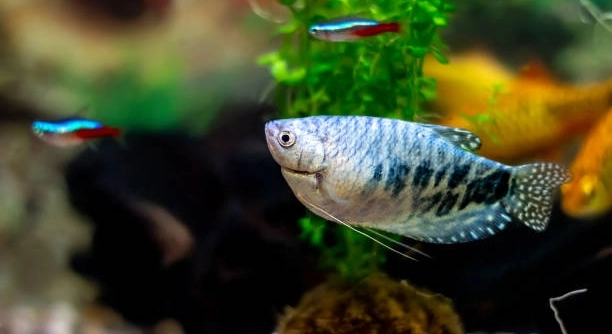
Gouramis are known for their vibrant colors, which often change depending on their mood or environment. Observing these color shifts can provide insight into their health and behavior. Understanding these signals helps in better care for these popular aquarium fish.
Color changes in gouramis typically indicate stress, breeding readiness, illness, or environmental adjustments. These shifts are caused by hormonal changes, water quality, or social interactions, making color an important indicator for owners to monitor the fish’s well-being.
Recognizing these color signals allows fish keepers to respond appropriately, ensuring the gouramis remain healthy and comfortable in their habitat. This article explains the seven most common color shifts and what they mean.
Understanding Stress-Related Color Changes
When gouramis feel stressed, their colors often fade or darken. Stress can come from poor water quality, overcrowding, or sudden changes in their environment. These shifts help signal that something in their tank might not be right. For example, a gourami that once displayed bright colors may become dull or pale. This color change is usually a way to conserve energy or reduce attention from potential threats. Stress also weakens their immune system, making them more vulnerable to disease.
Recognizing stress early by watching color shifts allows prompt action to improve conditions. This can prevent more serious health problems. Adjusting water quality, reducing tank mates, or maintaining a stable environment often helps gouramis regain their vibrant colors and overall health.
Gouramis may also show a blotchy or uneven color pattern during stress, which differs from their normal smooth coloration. These patterns can appear quickly and fade once the stress is removed. Keeping a consistent environment and monitoring changes closely is essential to their well-being.
Color Changes During Breeding
During breeding periods, male gouramis often display brighter, more intense colors. This vibrant display serves to attract females and signal readiness to mate. It can also help establish dominance among males in the tank. These color intensifications are natural and healthy signs of reproductive behavior. In some species, the colors may shift to shades of red, blue, or orange, depending on the type of gourami.
The change can last from a few days to several weeks, depending on the fish’s breeding cycle. It is important to provide a calm environment with plenty of hiding spaces during this time. Stress or poor conditions may inhibit this color change, affecting breeding success.
Breeding gouramis often become more territorial and aggressive, which can influence their coloration as well. Providing separate spaces or breeding tanks can reduce conflicts. Observing these shifts closely helps fish keepers support natural behavior and ensures a better chance for healthy fry. Monitoring water parameters and diet during breeding also contributes to the success and overall health of the fish.
Illness-Related Color Changes
Illness often causes gouramis to lose their bright colors and appear pale or dull. Spots or blotches may also develop on their bodies or fins, signaling infections or parasites. Early detection through color changes can prevent worsening health issues.
Illness weakens gouramis, causing changes in their skin pigmentation as the body redirects energy toward healing. Fungal or bacterial infections typically cause discoloration around the fins or mouth, while parasites might create patchy spots or white film on the skin. These symptoms often accompany lethargy, loss of appetite, or unusual swimming behavior.
Treatment depends on the specific illness but generally involves improving water quality, quarantining affected fish, and using medication. Regular observation of color changes helps catch problems early. A stable, clean environment reduces stress and supports recovery. Maintaining proper diet and tank conditions also plays a key role in preventing illness.
Environmental Influence on Color
Water temperature, pH levels, and lighting greatly affect gourami coloration. Changes in these factors can cause sudden or gradual shifts in color intensity or pattern. Maintaining stable conditions is crucial to keep colors vibrant and consistent.
Lighting affects how gouramis display their colors. Too little light may dull their appearance, while strong lighting can enhance it but also increase stress. Temperature fluctuations outside the ideal range can cause stress, leading to color fading or darkening. pH imbalance similarly impacts their health and pigmentation.
Adjusting these environmental factors slowly and monitoring fish response helps avoid shock. Stable, balanced water chemistry supports natural color expression and overall well-being. Regular testing and gradual adjustments can prevent unexpected color changes. Providing a natural day-night light cycle also benefits their health and color vibrancy.
Social Interaction and Color Change
Gouramis often change color based on their interactions with other fish. Dominant individuals usually display brighter colors to assert their status. Submissive gouramis tend to show duller colors as a sign of submission or avoidance.
Color shifts can signal aggression or courtship. Observing these changes helps understand fish dynamics in the tank and prevent conflicts.
Aging and Color Variation
As gouramis age, their colors may naturally fade or change. Older fish often show less vibrant hues, which is a normal part of their life cycle. This gradual change reflects shifts in metabolism and pigment production.
Older gouramis still need proper care to maintain health despite color variations. Regular tank maintenance and balanced nutrition support their well-being and slow color loss.
Sudden Color Changes
Sudden color changes usually indicate immediate stress or environmental shifts. Rapid darkening or paling requires quick attention to water quality or tank conditions to prevent harm.
Seasonal Color Fluctuations
Some gouramis show seasonal color changes linked to natural cycles. These shifts are subtle and repeat regularly, influenced by temperature and light variations.
FAQ
Why is my gourami suddenly turning pale?
A sudden pale color in your gourami usually indicates stress or poor water conditions. This can result from changes in temperature, pH, or water quality. It may also signal illness or lack of proper nutrition. Checking water parameters and ensuring a stable environment often helps reverse this change quickly.
How can I tell if my gourami’s color change is due to illness?
Illness-related color changes often come with other symptoms such as lethargy, loss of appetite, clamped fins, or unusual swimming behavior. Look for spots, blotches, or fuzzy patches on the body or fins. If these signs appear alongside dull coloration, it is likely your fish is sick and needs treatment.
Can gouramis change color because of tank mates?
Yes, social dynamics can influence color shifts. Gouramis may brighten to show dominance or dull colors to avoid conflict. Aggressive or territorial tank mates can cause stress-related color changes. Observing fish behavior and providing enough space reduces this problem.
Is it normal for gouramis to change color during breeding?
Brightening or intensifying colors during breeding is a natural behavior, especially in males. This signals readiness to mate and helps attract females. The color change usually fades once breeding is over. Providing a calm, secure environment encourages healthy breeding behavior.
What environmental factors affect gourami coloration?
Water temperature, pH levels, lighting, and water quality all impact gourami colors. Stable and appropriate conditions help maintain vibrant coloration. Sudden changes in any of these factors can cause stress and color fading or darkening.
How often should I check water parameters to prevent color changes?
Regular testing, at least once a week, helps keep conditions stable. Monitoring temperature, pH, ammonia, nitrite, and nitrate levels can prevent problems. Consistent water changes and proper filtration support fish health and color vibrancy.
Can aging cause my gourami’s colors to fade?
Yes, aging often leads to gradual color fading. Older gouramis may lose some brightness due to changes in metabolism and pigment production. This is normal but maintaining good care can slow the process and keep your fish healthy longer.
What should I do if my gourami shows blotchy or uneven color patterns?
Blotchy patterns can indicate stress, illness, or water quality issues. Isolate the fish if possible, check water parameters, and improve tank conditions. If symptoms persist, consult a veterinarian or use appropriate medication.
Will changing the lighting improve my gourami’s colors?
Proper lighting enhances natural coloration but should not be too intense. Use aquarium lights designed for fish, and maintain a consistent day-night cycle. Avoid sudden changes in lighting, which may stress your gourami and cause color shifts.
How long do color changes usually last?
The duration varies depending on the cause. Stress-related changes may last hours to days. Breeding colors can remain for weeks. Illness or poor conditions may cause longer-lasting or permanent changes if untreated. Prompt action improves recovery time.
Can diet influence gourami color?
Yes, a balanced diet rich in carotenoids and vitamins helps maintain bright colors. Foods like bloodworms, brine shrimp, and specially formulated pellets support pigment health. Poor nutrition can dull colors and weaken the immune system.
Is it necessary to separate aggressive gouramis to protect their colors?
Separating aggressive or overly territorial gouramis often prevents stress-related color fading and injury. Providing enough space and hiding spots reduces conflict. If aggression persists, consider moving fish to different tanks or adjusting the setup.
Are color changes reversible?
Many color changes caused by stress, environment, or social factors are reversible with proper care. Illness-related changes may also improve if treated early. Permanent fading can occur with age or chronic health issues, but good care can slow progression.
What signs indicate a healthy gourami besides color?
Healthy gouramis are active, have clear eyes, intact fins, and show normal appetite. Smooth, consistent coloration with no spots or patches supports good health. Regular observation helps detect problems early before color changes become severe.
How can I prevent unwanted color changes?
Maintain stable water conditions, avoid overcrowding, feed a nutritious diet, and provide a calm environment. Regular tank cleaning and monitoring fish behavior are key. Avoid sudden changes in lighting or water chemistry to keep colors bright and consistent.
When should I consult a professional about color changes?
If color changes are accompanied by physical symptoms like sores, abnormal swimming, or prolonged dullness despite improved conditions, seek veterinary advice. Early diagnosis and treatment can prevent severe health issues.
Color changes in gouramis can tell a lot about their health, environment, and mood. These shifts are natural but can also signal issues needing attention. Paying close attention to their colors helps ensure they remain healthy and comfortable in their tanks. Whether the change is due to aging, stress, illness, or social interaction, understanding what each color shift means can guide you in providing better care.
Maintaining stable water conditions and a balanced diet is essential for keeping gouramis vibrant. Sudden changes in temperature, lighting, or pH can cause stress and affect coloration. It is important to monitor these factors regularly and make adjustments slowly if needed. Social dynamics among fish can also influence color, so providing enough space and minimizing aggression helps reduce stress-related fading or darkening. Early detection of illness through color change allows for timely treatment and improves recovery chances.
Color shifts are not always cause for concern but should never be ignored. Observing your gouramis daily gives insight into their well-being and environment. When changes happen, consider all possible factors, including health, environment, and behavior. Keeping the tank clean, feeding quality food, and maintaining proper conditions support your gouramis’ long-term health and appearance. With careful attention and good care, your gouramis can maintain their natural beauty and live a healthy life.

Hello,
If you enjoy the content that we create, please consider saying a "Thank You!" by leaving a tip.
Every little bit helps us continue crafting quality advice that supports the health, happiness, and well-being of pets around the world, for pets of all shapes, sizes, and species.
We really appreciate the kindness and support that you show us!