
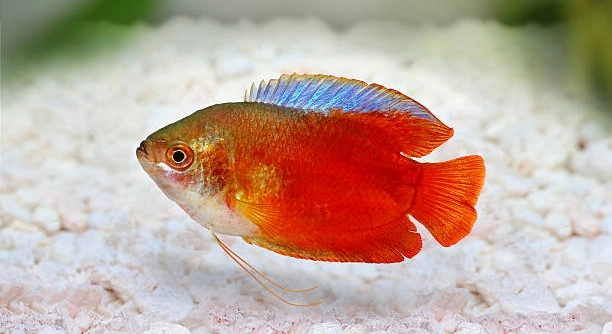
Gouramis are popular freshwater fish known for their interesting behavior. Many fish owners notice how these fish react when they see their own reflection. Understanding these reactions can help keep your gourami healthy and stress-free.
Gouramis often respond to their reflection in several ways, including displaying territorial behavior, attempting to interact, or showing signs of stress. These reactions vary depending on the individual fish and its environment, reflecting natural instincts and social behavior.
Learning about these responses can improve how you care for your gourami. This knowledge offers insight into their needs and helps create a better home for them.
How Gouramis Recognize Their Reflection
Gouramis often notice their reflection when placed near aquarium glass or shiny surfaces. They can see this image clearly, which sometimes causes confusion because they may mistake it for another fish. This reaction is natural since gouramis are territorial creatures. When they spot their reflection, they might think it’s a rival invading their space. Some gouramis may repeatedly approach the reflection to investigate, while others display aggressive behavior like flaring their fins or changing colors. This interaction varies between individual fish and depends on their temperament and environment. Understanding this helps aquarium owners reduce stress for their gouramis by managing reflective surfaces or adding plants to break up reflections.
Reflections can trigger both curiosity and territorial defense in gouramis, influencing their behavior in the tank.
By learning how gouramis respond to their reflection, you can better arrange their habitat. Minimizing reflective surfaces or adding decorations can reduce unnecessary stress and create a more peaceful environment for your fish to thrive.
Territorial Displays and Stress Signs
Gouramis often show territorial displays like puffing up or chasing their reflection.
These displays include spreading fins, raising their dorsal fin, and sometimes bumping the glass. Aggression towards the reflection is a way to defend what they see as their space. If this behavior happens too often, it can cause stress, which affects their health. Stress signs include hiding, reduced appetite, and dull coloration. Constant exposure to their reflection can exhaust the fish mentally and physically. To reduce this, try changing the tank setup or repositioning the aquarium to avoid direct reflections. Sometimes, adding tank mates can help, but they should be chosen carefully to avoid more aggression. Monitoring your gourami’s behavior regularly ensures they stay healthy and comfortable in their environment.
Interaction and Curiosity
Gouramis sometimes try to interact with their reflection as if it were another fish. This behavior can look like gentle nudging or swimming close to the glass.
This curious behavior is common, especially in younger gouramis or those kept alone. They may be trying to communicate or make contact with what they believe is a companion. This interaction is not always aggressive. Instead, it often shows their social nature. However, if left alone too long, the fish might become fixated on its reflection, mistaking it for a real friend or rival. This fixation can affect their normal swimming and feeding habits, so it’s important to provide real social opportunities or enrichment.
When gouramis see their reflection, their curiosity helps them stay active and engaged, but it can also cause confusion without proper tank conditions.
Reducing Reflection Stress
Reflections in the tank can create stress if the gourami feels constantly threatened or confused. Minimizing reflective surfaces helps calm them down.
Adding plants, decorations, or background covers can break up reflections and reduce the fish’s focus on their image. Proper lighting also plays a role; softer, indirect lighting lowers glare and reflections inside the tank. Another way to reduce stress is by rearranging the aquarium so reflective areas face away from bright light or room windows. Giving gouramis a varied environment with hiding spots helps them feel secure and less reactive to reflections. These simple steps improve their well-being by reducing anxiety caused by seeing themselves repeatedly.
Creating a calm environment with fewer reflections helps your gourami feel safer and encourages natural behavior, leading to a healthier life in the tank.
Mistaking Reflection for a Rival
Gouramis often see their reflection as a rival fish. This can cause them to become defensive or aggressive quickly.
This misunderstanding is natural because gouramis are territorial. They want to protect their space from what they think is another fish.
Repetitive Behavior and Its Impact
When gouramis repeatedly react to their reflection, it can become a habit that tires them out. Constantly flaring fins, chasing the reflection, or bumping the glass uses energy that should be saved for feeding or exploring. This repetitive behavior can lead to stress and weaken their immune system over time. It might also reduce their interest in normal activities, like swimming freely or socializing with other fish. Observing this pattern helps identify if the environment needs changes to stop the reflection-triggered reactions. Providing hiding spots or rearranging the tank layout often breaks this cycle and keeps the gourami healthier.
Mirror Testing and Intelligence
Gouramis sometimes show signs of recognizing their reflection during mirror tests.
How do gouramis react when they see their own reflection?
Gouramis usually react by either showing curiosity or aggression toward their reflection. They may swim close to the glass, flare their fins, or display territorial behavior. Sometimes they try to interact gently, but often they think the reflection is a rival fish invading their space. This response varies by individual fish and their environment.
Is it normal for gouramis to be aggressive toward their reflection?
Yes, it is normal because gouramis are territorial animals. When they see their reflection, they can mistake it for another fish competing for territory. This often leads to displays of aggression like flaring fins, chasing, or bumping the glass. However, excessive aggression can stress the fish and should be managed.
Can gouramis get stressed from seeing their reflection too often?
Absolutely. Constant exposure to their reflection can cause stress. The fish may feel threatened or confused, leading to signs like hiding, loss of appetite, and dull colors. Stress can weaken their immune system and impact their overall health, so it’s important to reduce reflective surfaces in the tank.
How can I reduce my gourami’s reaction to its reflection?
You can minimize reflections by adding plants, decorations, or a background cover to the tank. These help break up reflective surfaces. Adjusting the lighting to reduce glare and repositioning the tank away from windows or bright lights also helps. Providing hiding places gives gouramis a sense of security.
Do gouramis recognize themselves in a mirror?
Gouramis generally do not recognize themselves like some animals might. They usually perceive the reflection as another fish. Some studies show they might get used to the reflection over time, but true self-recognition is rare in fish.
Why do some gouramis seem curious rather than aggressive about their reflection?
Younger gouramis or those kept alone may show curiosity instead of aggression. They might try to interact with the reflection as if it were a companion. This behavior shows their social nature but can still become a problem if they fixate on the reflection too much.
What happens if a gourami becomes obsessed with its reflection?
If a gourami constantly focuses on its reflection, it can neglect normal behaviors like swimming, eating, or socializing. This obsession can cause stress and exhaustion. Changing the tank setup or adding real tank mates can help redirect their attention.
Is it better to keep gouramis alone or with other fish to avoid reflection problems?
It depends on the gourami’s personality. Some do better alone and become fixated on reflections, while others benefit from tank mates to reduce boredom and reflection focus. Careful selection of peaceful tank mates is important to prevent further aggression.
Can tank decorations help with gouramis reacting to reflections?
Yes, decorations like plants, rocks, and driftwood help break reflections and provide hiding spots. This reduces stress and aggressive behavior by giving gouramis places to retreat and feel safe.
How often should I check my gourami’s behavior regarding its reflection?
Regularly observe your gourami for signs of stress or repeated reactions to reflections. Early detection allows you to adjust the environment quickly, preventing long-term health problems.
Are all gourami species equally reactive to their reflections?
Different species and even individual gouramis can react differently. Some are more territorial and aggressive, while others are calmer and more curious. Knowing your gourami’s species traits helps anticipate their behavior.
Can lighting in the room affect how gouramis see their reflection?
Yes, bright lighting or sunlight can increase reflections inside the tank, making the fish more likely to notice their image. Adjusting room light and tank lighting can reduce this effect.
What signs show that a gourami is stressed from reflection exposure?
Signs include hiding more often, losing appetite, dull or faded colors, rapid breathing, or resting at the bottom of the tank. These indicate the fish is uncomfortable and needs changes in its environment.
Is it safe to use mirrors for gourami stimulation?
Using mirrors occasionally can stimulate gouramis and encourage activity. However, prolonged exposure should be avoided to prevent stress or aggressive behavior.
How can I tell if my gourami has accepted its reflection?
If the fish stops reacting aggressively and ignores the reflection or calmly explores around it, this may mean some level of acceptance or habituation. Still, it does not mean full recognition.
What should I do if my gourami injures itself from hitting the glass due to reflection?
If your gourami injures itself, reduce reflections immediately and consider rearranging the tank. Provide gentle care, maintain water quality, and consult a vet if wounds worsen.
Can reflections affect gourami breeding behavior?
Reflections may disrupt breeding by causing stress or false territorial fights. A stable, calm environment with minimal reflections helps encourage natural breeding behavior.
Does tank size influence how gouramis react to their reflection?
Smaller tanks often increase reflection frequency due to limited space. Larger tanks with more hiding spots help reduce encounters with reflections and lower stress.
Are gouramis more aggressive toward reflections during certain times?
Yes, during breeding or territorial periods, gouramis are more likely to respond aggressively to their reflection. Recognizing these times helps manage their environment better.
Can feeding habits change because of reflection stress?
Stress from reflections can reduce a gourami’s appetite or cause erratic feeding behavior. Providing a calm environment encourages regular eating patterns and better health.
Gouramis reacting to their own reflection is a common behavior that many fish owners notice. These reactions can range from curiosity to aggression, depending on the individual fish and its surroundings. Understanding how gouramis see and respond to their reflection helps in creating a better environment for them. This knowledge allows owners to reduce stress and improve the well-being of their fish by managing reflections in the tank.
Reflections often confuse gouramis because they think the image is another fish. This can lead to territorial displays or attempts to interact. While some gouramis may become aggressive, others might simply be curious. Both responses are natural and show the fish’s instincts. However, repeated exposure to reflections without breaks can cause stress. Stress in fish can lead to health problems and change their normal behavior. Taking steps to reduce reflections, such as adding plants or rearranging the tank, can help keep gouramis calm and healthy.
Overall, paying attention to how gouramis react to reflections is important for their care. Making simple changes in the tank setup can make a big difference. Providing hiding spots, reducing reflective surfaces, and adjusting lighting all contribute to a more comfortable space. When gouramis feel safe and less threatened, they show better behavior and stay healthier longer. Keeping these factors in mind will help ensure your gouramis enjoy their environment without unnecessary stress.

Hello,
If you enjoy the content that we create, please consider saying a "Thank You!" by leaving a tip.
Every little bit helps us continue crafting quality advice that supports the health, happiness, and well-being of pets around the world, for pets of all shapes, sizes, and species.
We really appreciate the kindness and support that you show us!