
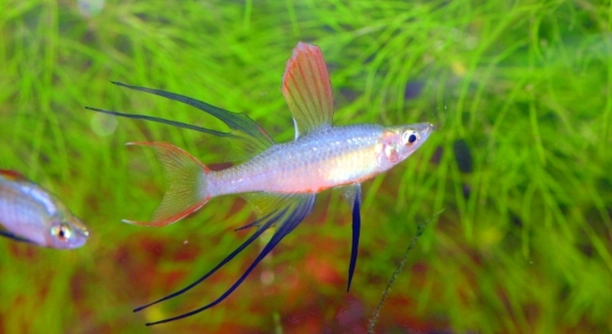
Many fishkeepers enjoy keeping Threadfin Rainbowfish for their graceful movements and vibrant colors. These active swimmers thrive in peaceful community tanks, making it important to choose companions that complement their temperament and avoid unnecessary stress or competition.
Suitable tank mates for Threadfin Rainbowfish include small, gentle species such as neon tetras, guppies, rasboras, corydoras, otocinclus, cherry shrimp, and small peaceful gouramis. These species coexist without aggression, occupy different tank levels, and do not compete for food resources, ensuring harmony.
Selecting compatible companions enhances the overall beauty of the aquarium. The following guide highlights seven peaceful options that blend effortlessly with Threadfin Rainbowfish.
Neon Tetras
Neon tetras are small, colorful fish that swim in schools, creating a lively display in the aquarium. Their peaceful nature makes them ideal for Threadfin Rainbowfish tanks. They prefer the middle and upper water levels, which complements the rainbowfish’s active swimming style. Neon tetras are hardy and adapt well to community tanks, provided the water is stable and well-maintained. They thrive in slightly acidic to neutral water with temperatures between 70–78°F. Feeding them is simple, as they accept flakes, micro-pellets, and occasional live or frozen foods. Their shimmering blue and red stripes add a striking contrast against the rainbowfish’s silver body and red fins. Keeping them in groups of six or more reduces stress and encourages natural schooling behavior. Overcrowding should be avoided to maintain water quality and prevent aggressive tendencies. By selecting neon tetras, the tank maintains harmony while enhancing visual interest and dynamic movement.
Neon tetras integrate well with rainbowfish due to their small size, peaceful nature, and tendency to occupy different swimming areas in the tank.
These tetras are easy to care for and provide a continuous, gentle activity in the aquarium, making them a reliable addition for a calm community setup.
Corydoras Catfish
Corydoras catfish are bottom dwellers known for their gentle and social behavior. They spend most of their time scavenging the tank floor for leftover food, which minimizes competition with rainbowfish. Corydoras thrive in groups of at least three, as they feel more secure and display natural behaviors when schooling together. They prefer soft, sandy substrate to protect their sensitive barbels while searching for food. Water conditions should be stable, with temperatures around 72–79°F and a neutral pH. Corydoras are peaceful and rarely disturb other fish, making them excellent companions. Their calm, methodical movements and small size allow them to coexist without stress in community tanks. Feeding is straightforward, as they accept sinking pellets, wafers, and small frozen foods. Additionally, their playful interactions and curious nature can be enjoyable to watch. Incorporating corydoras improves the tank’s balance and ensures uneaten food does not accumulate, supporting cleaner, healthier conditions for all inhabitants.
Corydoras catfish maintain tank cleanliness and peace while being undemanding companions for Threadfin Rainbowfish.
Guppies
Guppies are small, active fish that add color and movement to a Threadfin Rainbowfish tank. They are peaceful, adapt well to community setups, and do not compete aggressively for food, making them a suitable companion for rainbowfish.
Guppies are hardy and thrive in temperatures between 72–78°F with slightly alkaline to neutral water. Their varied colors and flowing tails provide visual interest, while their small size prevents them from intimidating or stressing larger rainbowfish. They are livebearers, which means they can breed easily if males and females are kept together. Careful monitoring of population may be needed to prevent overcrowding. Feeding guppies is simple, as they accept flakes, micro-pellets, and occasional frozen foods, and their active swimming encourages the rainbowfish to stay energized. These fish are low-maintenance yet add life and activity to the tank, creating a vibrant and harmonious aquatic environment.
Guppies interact calmly with Threadfin Rainbowfish, maintaining a peaceful community. Their lively behavior complements the rainbowfish’s natural activity and ensures the aquarium remains engaging and balanced.
Otocinclus
Otocinclus catfish are small algae eaters that occupy the lower levels of the tank, keeping surfaces clean while avoiding competition with Threadfin Rainbowfish. Their gentle nature allows them to coexist peacefully in community setups without stress.
These catfish prefer soft, planted tanks with plenty of hiding spots. They thrive in groups of at least three, as social behavior helps them feel secure and promotes natural activity. Otocinclus feed primarily on algae but also accept blanched vegetables and algae wafers, making maintenance easier for the tank owner. Stable water conditions, with temperatures around 72–79°F and a neutral pH, are important for their health. Their small size, combined with calm, deliberate movements, ensures they do not disrupt more active species. Adding otocinclus supports overall tank cleanliness and reduces algae buildup, contributing to a healthier environment. Watching their peaceful grazing can be surprisingly satisfying and adds a subtle, constant activity to the aquarium.
Otocinclus are excellent companions for rainbowfish due to their algae-eating habits, non-aggressive behavior, and preference for lower swimming zones, creating a balanced tank ecosystem.
Rasboras
Rasboras are small, peaceful fish that swim in schools, complementing the active nature of Threadfin Rainbowfish. They stay mostly in the middle and upper water levels, reducing competition for space and food while adding subtle color and movement to the tank.
They thrive in stable, slightly acidic to neutral water, with temperatures between 72–78°F. Rasboras are hardy and low-maintenance, feeding easily on flakes, micro-pellets, and occasional live or frozen foods. Their schooling behavior makes the tank feel lively without creating stress for other fish.
Cherry Shrimp
Cherry shrimp are tiny, colorful invertebrates that coexist peacefully with Threadfin Rainbowfish. They occupy different tank zones, primarily scavenging on the substrate and plants for leftover food, ensuring minimal interference with the rainbowfish’s activity. Their small size and calm behavior make them a low-stress addition to community tanks.
Small Peaceful Gouramis
Small peaceful gouramis, such as honey or sparkling gouramis, blend well with Threadfin Rainbowfish due to their calm temperament and slow movements. They generally occupy the upper and middle water layers, avoiding conflict while contributing gentle colors and patterns to the tank. Gouramis require stable water and some plant cover to feel secure.
Otocinclus Catfish
Otocinclus catfish are excellent algae eaters and peaceful companions. Their calm, grazing behavior helps maintain tank cleanliness without disturbing other fish, making them a practical addition to a Threadfin Rainbowfish setup.
FAQ
What is the ideal tank size for Threadfin Rainbowfish and their tank mates?
Threadfin Rainbowfish are active swimmers, so a spacious tank is essential. A minimum of 30 gallons works for a small group, but larger tanks of 50 gallons or more allow multiple species to coexist comfortably. Adequate space reduces stress and prevents territorial disputes among fish. Tank mates such as guppies, rasboras, and neon tetras also benefit from swimming room, and bottom dwellers like corydoras or otocinclus need enough substrate to forage. Proper water circulation and hiding spots ensure each species can thrive without crowding.
Which water parameters suit rainbowfish and their companions?
Threadfin Rainbowfish prefer neutral to slightly alkaline water with a pH of 6.5–7.5 and temperatures between 72–79°F. Most suitable tank mates share these preferences, making maintenance simpler. Stability is more important than exact numbers, as fluctuations can stress fish and trigger illness. Regular testing helps maintain consistent water quality, while filtration and partial water changes support a healthy environment. Hardness should be moderate, around 5–15 dGH, to suit both rainbowfish and peaceful companions like rasboras, guppies, and corydoras.
Can Threadfin Rainbowfish live with invertebrates like shrimp or snails?
Yes, gentle invertebrates like cherry shrimp coexist well. They occupy different levels, mainly scavenging the substrate or plants, so there is little competition for space or food. Snails can also thrive if introduced carefully, providing natural cleaning and helping reduce algae. Large or aggressive invertebrates should be avoided. Hiding spots and plants ensure invertebrates feel secure and reduce stress from accidental nips or curiosity from rainbowfish.
How should feeding be managed in a mixed tank?
Feeding requires balancing diets for all species. Rainbowfish and small schooling fish accept flakes, micro-pellets, and occasional frozen foods. Bottom dwellers like corydoras need sinking pellets, while otocinclus benefit from algae wafers or vegetables. Offering varied foods ensures all species get enough nutrition without overfeeding. Feeding in multiple locations helps prevent competition, while observing fish during meals identifies underfed individuals or potential issues. Overfeeding should be avoided to maintain water quality.
What are common signs of stress or aggression?
Stress signs include faded colors, erratic swimming, hiding, or loss of appetite. Aggression may appear as chasing, nipping, or fin damage. Observing fish behavior daily helps catch issues early. Ensuring compatible tank mates, proper space, and structured hiding areas reduces stress and minimizes conflicts. Consistent water parameters and adequate feeding also help maintain a calm environment.
Can these fish breed in a community tank?
Some species, like guppies and rasboras, may breed if males and females are present. Threadfin Rainbowfish can also spawn under favorable conditions, but eggs and fry may be at risk in a community tank. Using breeding nets or separate tanks can protect offspring, while careful monitoring ensures both adults and fry remain healthy.
How often should water changes be performed?
Partial water changes of 20–30% weekly keep water quality stable and reduce nitrates. More frequent changes may be needed in heavily stocked tanks or if algae grows quickly. Consistent water changes support all species, especially sensitive invertebrates like shrimp and otocinclus. Using dechlorinated water and monitoring temperature and pH prevents sudden stress.
What plants and decorations work best?
Live plants like java fern, moss, and floating species provide cover and grazing surfaces for smaller tank mates. Smooth rocks, driftwood, and hiding spots create security for bottom dwellers and shy fish. Avoid sharp decorations that may injure fins or barbels. Plants also improve water quality and encourage natural behaviors, making the tank visually appealing and functional.
Are Threadfin Rainbowfish suitable for beginners?
Yes, they are generally hardy, peaceful, and adapt well to stable water conditions. Pairing them with gentle, compatible tank mates makes care easier. Monitoring water quality, providing proper space, and feeding a balanced diet ensures a successful community tank for beginner aquarists.
Can I mix multiple types of rainbowfish?
Mixing different rainbowfish species is possible if their sizes, temperaments, and water requirements are compatible. Avoid overly aggressive or much larger species, as they may stress or outcompete smaller fish. Research each species before combining them to maintain harmony and protect weaker individuals.
Final Thoughts
Threadfin Rainbowfish are beautiful, active fish that bring life and movement to a community aquarium. Choosing the right tank mates is essential to maintain their calm and peaceful environment. Gentle species like neon tetras, guppies, rasboras, corydoras, otocinclus, cherry shrimp, and small peaceful gouramis complement the rainbowfish’s temperament. Each of these companions occupies different areas of the tank, helping to avoid competition for food or space. Selecting fish that are compatible in size, swimming patterns, and behavior ensures harmony. A well-planned tank allows both the rainbowfish and their companions to thrive without stress, making care easier and the tank more enjoyable to watch. Observing the interactions between species can also be rewarding, as natural schooling, grazing, and playful movements create a dynamic and balanced environment.
Maintaining water quality is equally important for a peaceful community tank. Threadfin Rainbowfish and their gentle tank mates prefer stable conditions, with temperatures around 72–79°F and a neutral to slightly alkaline pH. Regular water testing, proper filtration, and partial water changes help prevent problems and keep fish healthy. Different species have slightly different needs for food and habitat, so offering a variety of diets ensures all fish get proper nutrition. Bottom dwellers like corydoras and otocinclus benefit from sinking pellets and algae wafers, while neon tetras, guppies, and rasboras thrive on flakes or micro-pellets. Live plants, smooth rocks, and gentle decorations provide hiding spaces and natural grazing surfaces, which reduce stress and encourage natural behaviors. A balanced environment not only supports the physical health of the fish but also promotes a peaceful and visually appealing aquarium.
The key to a successful community tank with Threadfin Rainbowfish is observation and careful planning. Watching how each species interacts allows you to identify any signs of stress, aggression, or overcrowding early on. Adjusting the tank setup, feeding routines, and number of fish can prevent conflicts and maintain harmony. By providing adequate space, hiding spots, and compatible companions, you create a tank where every species has room to thrive. Over time, the peaceful coexistence of rainbowfish with gentle tank mates creates a lively and engaging display, reflecting a natural balance. Caring for these fish is straightforward when you focus on stable water conditions, proper feeding, and suitable companions. With attention and care, Threadfin Rainbowfish and their gentle tank mates can coexist beautifully, making the aquarium a serene and attractive space to enjoy.

Hello,
If you enjoy the content that we create, please consider saying a "Thank You!" by leaving a tip.
Every little bit helps us continue crafting quality advice that supports the health, happiness, and well-being of pets around the world, for pets of all shapes, sizes, and species.
We really appreciate the kindness and support that you show us!