
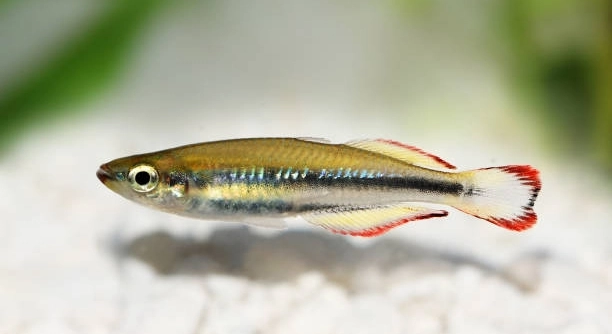
Do you ever notice your fish suddenly flashing bright colors in the tank? It can be surprising to see these sudden changes, and many fish owners wonder what is causing this fascinating display in their aquatic pets.
Fish flashing colors is a natural behavior that can indicate communication, mating readiness, territorial display, or stress. Color changes are often influenced by environmental factors, social interactions, and overall health, providing insight into the fish’s physiological and emotional state.
Observing these color changes can reveal much about your fish’s behavior, environment, and well-being, helping you better care for their needs and habitat.
Why Fish Change Colors
Fish change colors for several reasons, including communication, mating, and stress. Some species use bright colors to attract mates, while others darken to show dominance or submission. Environmental factors like light, water quality, and tank decorations can also trigger color changes. Watching these patterns closely can reveal a lot about your fish’s daily habits. Stress is another common reason for color shifts. When fish feel threatened by overcrowding, sudden movements, or aggressive tank mates, their colors may fade or flash abruptly. Health issues, including parasites or illness, can also cause noticeable color changes. Temperature and diet may influence pigmentation as well. Some fish display vibrant colors when well-fed or in ideal water conditions. Recognizing normal patterns versus unusual flashes helps ensure your fish remain healthy. By understanding these changes, you can adjust tank conditions to provide a safe and comfortable environment that supports natural behavior. Observing your fish daily makes it easier to spot meaningful color shifts.
Fish color changes are an important sign of both physical and emotional states. Paying attention helps maintain a healthy tank.
Monitoring fish behavior alongside color changes allows for better care. Changes often signal diet, environment, or social interactions that may need adjustment.
How to Respond to Color Flashes
If your fish begins flashing colors suddenly, it is important to assess their environment first. Check water temperature, cleanliness, and chemical levels. Overcrowding or aggressive tank mates can trigger stress-related color changes. Adjusting tank layout or introducing hiding spaces can help fish feel secure. Sudden changes in diet or feeding schedules may also influence coloration. Observing fish interactions provides insight into social hierarchy and mating behaviors. Some flashes indicate excitement or readiness to breed, which is normal in many species. Long-term or extreme color changes may require consulting a veterinarian specializing in aquatic life. Consistent care, stable conditions, and a balanced diet reduce stress and promote natural coloration. Recording patterns over time can help distinguish temporary flashes from concerning health issues. By understanding the reasons behind these visual cues, you can support both the emotional and physical well-being of your fish, ensuring they remain vibrant and active in the tank.
Common Causes of Color Flashing
Color flashing in fish often results from stress, changes in lighting, or interactions with other fish. It can also occur during feeding or when establishing territory. Recognizing the specific trigger helps maintain a stable tank and prevents potential health problems.
Environmental changes frequently cause fish to display sudden color shifts. Adjustments in light intensity, water temperature, or pH levels can make fish react visually. Some species are more sensitive, showing brighter or darker shades to adapt quickly. Overcrowding, aggressive tank mates, or lack of hiding spaces can intensify stress-induced color changes. Observing patterns over time helps differentiate normal behavior from problematic reactions.
Diet and health also influence coloration. A poor diet lacking nutrients may dull colors, while illnesses or parasites can trigger unusual flashes. Ensuring proper nutrition and regular health checks helps maintain vibrant, healthy fish. By monitoring daily behavior and maintaining consistent conditions, you can reduce stress and support natural color expression, keeping your fish active and visually striking in their environment.
Mating and Social Signals
Fish often flash colors as part of courtship or to assert dominance. Bright displays can attract mates or signal territorial boundaries, and these flashes vary among species. Observing behavior alongside color changes clarifies intentions and social structure.
During breeding periods, males frequently display more vibrant colors to attract females. These flashes indicate readiness and help establish mating hierarchies. Social interactions, including competition or submission, are often signaled through temporary color changes. Subtle shifts may show deference, while bold flashes assert dominance. Recognizing these patterns allows careful management of tank mates to prevent aggression or stress. By understanding social cues and providing proper hiding spaces, you can maintain harmony and promote natural behaviors. Supporting these instincts with suitable environmental conditions ensures fish remain active, engaged, and healthy.
Stress-Related Color Changes
Stress can cause fish to flash or fade colors suddenly. Overcrowding, aggressive tank mates, or sudden movements often trigger these responses. Monitoring tank conditions closely can help identify and reduce sources of stress.
Water quality also plays a major role. Poor filtration, unbalanced pH, or fluctuating temperatures may lead to persistent color changes. Maintaining clean, stable conditions supports both health and natural coloration, preventing long-term stress effects in the tank.
Health and Disease Indicators
Unusual or prolonged color changes can indicate health problems. Parasites, infections, or nutritional deficiencies often manifest visually. Regular observation and prompt action are key to maintaining fish health. Noticing patterns and early symptoms helps prevent serious illness and ensures timely treatment.
Environmental Influences
Lighting, decorations, and tank layout affect fish coloration. Bright lights or reflective surfaces can trigger flashes, while hiding spaces and subdued lighting promote calmer displays. Adjusting these factors helps fish feel secure and supports natural behavior in the tank.
FAQ
Why do my fish suddenly flash bright colors?
Fish often flash colors as a natural response to environmental changes, social interactions, or stress. Bright flashes can indicate excitement, mating readiness, or territorial behavior. Observing when and how often these flashes occur helps determine if they are normal or a sign of discomfort.
Can color flashing indicate illness?
Yes, prolonged or unusual color changes can signal health issues. Parasites, bacterial infections, or poor water quality can cause noticeable flashes or fading. Monitoring other symptoms, such as lethargy, loss of appetite, or clamped fins, helps identify if medical attention is needed.
Do all fish change colors in the same way?
No, different species exhibit color changes differently. Some show subtle shifts, while others display dramatic flashes. Understanding your fish species’ natural behavior helps distinguish between normal signaling and stress-induced changes, making it easier to provide appropriate care.
Does lighting affect color flashing?
Lighting has a strong influence on fish coloration. Bright or fluctuating light can trigger temporary flashes, while consistent, moderate lighting promotes stable and natural color patterns. Adjusting tank lighting to mimic natural cycles helps maintain healthy coloration and reduces stress-related changes.
How does diet influence color changes?
Nutrition directly affects pigmentation. Diets lacking essential vitamins or carotenoids can dull colors, while a balanced, nutrient-rich diet enhances natural vibrancy. Feeding a variety of foods suited to the species ensures brighter, healthier coloration and supports overall well-being.
Are color flashes a sign of mating behavior?
In many species, color flashes are part of courtship rituals. Males often display brighter colors to attract females or establish dominance. Observing interactions alongside these flashes can clarify whether the behavior is reproductive or simply social signaling within the tank.
What should I do if my fish flashes colors and seems stressed?
Check tank conditions first, including water quality, temperature, and space. Reduce overcrowding, provide hiding spots, and ensure compatible tank mates. Consistent care, clean water, and stable environments help reduce stress-induced flashes and support natural behavior patterns.
How can I distinguish normal flashing from harmful changes?
Normal flashes are usually brief and consistent with daily routines, like feeding or social interactions. Harmful changes often persist, appear irregular, or accompany other symptoms like unusual swimming patterns or loss of appetite. Keeping a visual log can help identify concerning patterns early.
Does tank setup affect color flashing?
Yes, decorations, substrate, and hiding spaces can influence color behavior. Reflective surfaces or brightly colored backgrounds may trigger sudden flashes. Providing naturalistic layouts with adequate cover encourages calm behavior and supports healthy coloration.
Can stress from new tank mates cause flashing?
Introducing new fish can trigger temporary color flashes due to stress or territorial displays. Observing interactions and gradually acclimating newcomers reduces aggression and prevents prolonged stress-related color changes. Monitoring the tank daily ensures all fish adjust safely.
How long do color flashes typically last?
Flashes are usually short-lived, lasting seconds to minutes, depending on the trigger. Persistent or frequent flashes may indicate stress or health concerns, warranting further observation or adjustment of tank conditions to maintain fish well-being.
Is it normal for color flashing to vary by time of day?
Yes, many fish show more pronounced flashes during active periods, often in the morning or when feeding. Color intensity may reduce during resting periods. Understanding your fish’s natural daily rhythm helps interpret their behavior accurately.
Do juvenile fish flash colors differently than adults?
Juveniles often display subtler color changes, while adults show stronger, more vibrant flashes. Developmental stages and maturity affect intensity, and observing growth over time helps recognize normal patterns versus stress or illness.
Can frequent color flashing damage a fish?
Frequent flashing itself usually does not harm fish, but if caused by stress, poor water quality, or aggression, it can impact health over time. Ensuring proper care, nutrition, and environment minimizes risks associated with excessive color changes.
What role does water temperature play in color changes?
Temperature affects metabolism and stress levels, which can trigger flashes. Sudden changes or extremes may cause rapid color shifts. Maintaining a stable, species-appropriate temperature supports consistent coloration and reduces stress-induced flashing.
How do I encourage natural color expression in my fish?
Provide a balanced diet, stable water conditions, appropriate lighting, and a safe environment with hiding spots. Observing social interactions and minimizing stress allows fish to display natural colors, enhancing both their health and visual appeal.
Can color flashing indicate aggression?
Yes, some flashes signal dominance or territorial behavior. Fish may use brief, bright displays to warn or intimidate others. Recognizing these signals helps manage tank dynamics and prevent conflicts that could cause injury or prolonged stress.
Do fish flash colors when happy or comfortable?
Often, yes. Bright, consistent flashes during feeding, swimming, or social interaction can indicate contentment. Healthy, well-cared-for fish frequently display natural coloration as part of normal, positive behavior in a secure environment.
Is monitoring color changes important for long-term care?
Absolutely. Regular observation helps detect early signs of stress, illness, or social issues. Tracking patterns over time ensures timely interventions, supports overall health, and allows you to maintain a thriving, visually vibrant aquarium.
Can color flashing be used to train or interact with fish?
While not intentional training, observing flashes can guide interactions. Feeding, enrichment, or environmental changes often elicit predictable color responses, helping you understand behavior and foster a healthy, engaging tank environment.
Final Thoughts
Color flashing in fish is a natural and important part of their behavior. It can signal a variety of things, including communication with other fish, mating readiness, territorial displays, or responses to environmental changes. Observing these flashes carefully helps you understand your fish’s needs and mood. Some flashes are brief and harmless, while others may indicate stress or health issues. By paying attention to patterns, timing, and intensity, you can distinguish between normal behavior and situations that may require intervention. Noticing small changes over time gives valuable insight into your fish’s overall well-being and helps maintain a balanced tank environment.
Maintaining a stable environment is crucial for supporting healthy color expression. Water quality, temperature, and proper lighting all influence how fish display their colors. Clean, well-maintained tanks reduce stress and encourage natural behavior. Adequate space and the presence of hiding spots allow fish to feel secure, which also affects how often and how brightly they flash colors. Diet plays a key role as well. Nutrient-rich food supports vibrant pigmentation and overall health. Regular observation, combined with consistent care, ensures that fish remain active, healthy, and visually appealing. Recognizing the difference between stress-related color changes and normal behavioral flashes helps prevent potential problems before they affect the fish’s health.
Understanding social interactions among tank mates is another important factor. Some flashes indicate dominance, submission, or mating intentions. Observing how fish interact and adjusting tank dynamics when necessary can prevent conflict and reduce stress. It is also important to note that different species exhibit color flashing differently, so familiarity with your specific fish is helpful. Juvenile fish may display subtler changes, while adults often show more pronounced flashes. By monitoring their behavior closely and responding appropriately to environmental or social triggers, you can create a supportive environment that encourages natural behavior. Overall, observing and understanding color flashing enhances both the care and enjoyment of keeping fish, helping them thrive while allowing you to appreciate their unique and dynamic displays.

Hello,
If you enjoy the content that we create, please consider saying a "Thank You!" by leaving a tip.
Every little bit helps us continue crafting quality advice that supports the health, happiness, and well-being of pets around the world, for pets of all shapes, sizes, and species.
We really appreciate the kindness and support that you show us!