
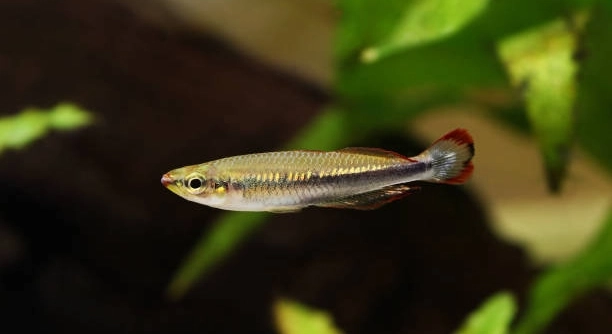
Many people notice how rainbowfish move with steady energy and may wonder what makes their pace different from other small fish in home aquariums, creating a sense of curiosity each time they watch them glide.
Rainbowfish exhibit increased swimming speed due to streamlined bodies, efficient fin placement, and elevated aerobic capacity. These adaptations reduce drag, improve propulsion, and enable rapid movement compared to many similarly sized freshwater species, supporting survival and efficient foraging behaviors overall.
As their swift movements reveal layers of natural design and purpose, the following sections will explore factors shaping their speed.
Rainbowfish Structure and Strength
Rainbowfish owe much of their speed to the way their bodies are built for smooth movement through open water. Their slender shape helps reduce resistance, allowing them to push forward with little effort. Their fins also play an important role, giving them control as they move in different directions. When combined with their strong muscles, these features help them maintain a quick pace for long periods without showing signs of strain. Their natural agility supports their need to react quickly to changes in their environment, especially when they sense potential threats or shifting currents. In an aquarium, these traits become easy to notice because they swim with confidence and rarely slow down unless resting. Their bodies seem to work like simple but efficient machines, designed to keep them moving with ease. Understanding these traits makes it clearer why their speed feels so natural and consistent when you watch them.
Their swimming habits are shaped by constant motion, which keeps their muscles active and responsive. This routine supports their overall speed, helping them stay alert in changing conditions. Their quick reactions and balanced movements create a sense of energy that you can notice each time they move across the tank.
Watching rainbowfish in a calm setting makes it easier to appreciate how each part of their body works together with purpose. Their steady rhythm reflects natural patterns formed in the wild, where quick adjustments help them avoid danger and locate food. These patterns continue even in a tank, showing how instinct shapes their behavior. Their movements may seem simple, yet they carry hints of the environments they evolved in. As you observe them, their pace reveals a mix of strength, awareness, and design shaped by many generations. This blend creates the effortless speed that makes rainbowfish stand out among others.
Rainbowfish Environmental Reactions
The way rainbowfish react to their surroundings gives more insight into their natural speed. They stay aware of movement around them and adjust with quick bursts of motion. This awareness helps them stay safe and maintain a strong pace even when conditions shift in unexpected ways during their daily routines.
Rainbowfish rely on a combination of physical traits and instinctive responses to maintain the fast pace that sets them apart from many freshwater species. Their bodies are shaped to move smoothly in open spaces, which helps them conserve energy while staying active for long periods. Their strong muscles give them the power to speed up quickly, while their fins help guide their movements with control. These traits support their need to respond to sudden changes around them, such as shifting currents or the presence of larger creatures. In an aquarium, these behaviors remain easy to see because they continue to follow the same natural patterns. Their quick movements are not random, but a reflection of how they survive and interact with their surroundings. Over time, these instincts shaped their ability to stay swift without losing stability. Observing their behavior helps you understand how each part of their body works with purpose. Their speed is not meant to impress, but to support their daily needs in the wild and in a tank. These details create a picture of what makes rainbowfish swim with such speed.
Rainbowfish Diet and Energy Use
Rainbowfish rely on a steady supply of nutrients to support their active swimming style. Their meals provide the energy needed to keep their muscles strong and responsive, allowing them to stay quick throughout the day without slowing down during normal activity in their tank.
A balanced diet helps rainbowfish maintain the energy levels that match their natural pace. Their bodies use proteins to support muscle strength, while fats and carbohydrates help fuel continuous movement. When they receive the right mix of nutrients, they can move with ease and react quickly to shifts in their surroundings. Their eating habits in captivity often mirror their instincts from the wild, where they need to stay alert and ready to move. By giving them clean food sources and keeping portions reasonable, you help them stay active and comfortable. Their speed depends on steady nutrition, which supports their natural rhythm and keeps their bodies functioning well.
A steady feeding routine encourages consistent energy use, allowing rainbowfish to stay quick without feeling stressed. Their digestion works best when food is offered in moderate portions, supporting balanced energy release and preventing sluggish behavior. When they receive proper nutrition, their bodies maintain the steady rhythm needed for smooth swimming. Their movements reflect the natural patterns shaped by their environment, showing how diet influences behavior. Their energy levels remain stable when their meals match their needs, supporting the steady pace they display in tanks. Balanced feeding encourages strong health, clear reactions, and consistent swimming patterns.
Rainbowfish Social Behavior and Movement
Rainbowfish often swim faster when they are part of a group, because staying together helps them feel secure. Their movements become more coordinated, and this shared activity encourages a steady pace that keeps them alert while moving with purpose in their environment.
Their social habits influence the way they move, creating patterns shaped by their interactions. When they swim in groups, they follow each other’s motions, which helps them maintain speed without wasting energy. This behavior comes from their instincts in the wild, where staying together helps reduce risk. The rhythm of the group supports smooth navigation and balanced movements. Their reactions become quicker when surrounded by others, helping them respond to changes in their environment. By keeping rainbowfish in suitable group sizes, you can support their natural tendencies. Their group behavior encourages steady activity, calm interactions, and clear patterns that make their speed easy to understand and appreciate.
Rainbowfish Habitat Stability
Water conditions play a strong role in how fast rainbowfish move, as clean and stable water helps their bodies stay comfortable. When the water remains free of sudden shifts, their muscles work smoothly and allow them to keep up a steady pace throughout the day each time they swim forward.
Temperature stability also supports their active swimming style by keeping their metabolism balanced. When the water stays within a suitable range, their bodies respond with stronger movements. This steadiness helps them react quickly to changes nearby and maintain the natural pace that makes them stand out in a tank setting.
Rainbowfish Light Response
Light levels influence how rainbowfish move, since brighter areas encourage active swimming while dim spaces lead to calmer motions. Their eyes adjust to shifting light, helping them stay aware of movement around them. When light remains consistent, they follow smooth paths and maintain strong reactions. Their pace often increases when the lighting suits their natural preferences, allowing them to move with comfort. Proper lighting also helps them avoid stress, which supports steady activity and balanced energy use. By keeping the lighting stable, you help them stay confident as they move through their space without losing their usual easy swimming rhythm.
Rainbowfish Tank Layout
Tank layout influences their movement because open areas give them the space needed to swim at their natural pace. When decorations are placed with care, they can navigate without strain. This arrangement supports steady motion and helps them stay comfortable as they move across the tank each day with ease.
FAQ
Why do rainbowfish swim faster than other small freshwater fish?
Rainbowfish swim faster because of their body shape, fin placement, and muscle structure. Their streamlined bodies reduce drag in water, while fins provide balance and direction. Strong muscles and a high aerobic capacity allow them to move continuously without tiring, which sets them apart from many other freshwater species.
Does diet affect the swimming speed of rainbowfish?
Yes, diet plays an important role. A balanced intake of proteins, fats, and carbohydrates supports their muscles and energy levels. Fish with steady nutrition move consistently and react quickly. Overfeeding or poor-quality food can reduce their energy, slowing their natural swimming pace and affecting overall health.
How does tank size influence their speed?
Tank size affects how rainbowfish swim because open spaces allow them to use their full speed. Small or overcrowded tanks can limit movement, making them appear slower. A well-planned layout with enough room ensures they maintain their natural pace and remain agile in the water.
Do rainbowfish swim faster in groups?
Yes, social behavior affects speed. Rainbowfish coordinate movements when in schools, which encourages a steady rhythm. Group swimming provides safety and helps them react quickly to changes. Their instincts in the wild favor group activity, so maintaining appropriate numbers in an aquarium supports faster, more natural swimming patterns.
How do water conditions affect swimming?
Stable and clean water supports fast swimming. Sudden changes in temperature, pH, or ammonia levels can stress rainbowfish and slow them down. Proper filtration, regular water changes, and consistent temperature create a comfortable environment that allows muscles to work efficiently and maintain natural speed.
Does lighting influence how fast rainbowfish swim?
Lighting does affect movement. Bright, consistent lighting encourages activity, while dim or uneven light can reduce swimming speed. Rainbowfish adjust to light changes using their vision to navigate safely. Proper lighting keeps them confident, supports steady energy, and allows them to swim without hesitation.
Do rainbowfish get slower with age?
Like many animals, rainbowfish may slow down slightly as they age due to reduced muscle strength. However, providing proper nutrition, a healthy tank environment, and regular space to swim helps older fish maintain a good pace and remain active for longer periods.
Can tank decorations change their speed?
Yes, decorations can either help or hinder movement. Open areas allow smooth swimming, while crowded or awkwardly placed objects can limit space and slow them down. A well-thought-out layout supports natural swimming patterns, encourages exploration, and keeps their muscles engaged without unnecessary strain.
How can I help rainbowfish maintain their speed?
Provide a balanced diet, clean and stable water, consistent lighting, and enough open swimming space. Keep them in small groups to encourage natural schooling behavior. Monitoring tank conditions and adjusting decorations for clear paths supports their energy, reduces stress, and helps maintain the fast swimming they are known for.
Are there health issues that affect their swimming pace?
Yes, illness or parasites can reduce activity. Infections, fin rot, or internal problems may make swimming sluggish. Early detection through observation, proper care, and treatment helps rainbowfish regain their natural speed and continue moving actively without strain.
Does temperature affect their swimming speed?
Temperature directly impacts metabolism. Water that is too cold can slow them down, while overly warm water may cause stress or overexertion. Maintaining a consistent, suitable temperature range allows rainbowfish to swim at their natural pace while keeping energy levels steady and avoiding fatigue.
Do all rainbowfish species swim at the same speed?
No, speed varies by species. Some species are naturally more energetic, while others prefer calmer movement. Differences in body size, fin structure, and habitat preferences influence how fast each type swims. Understanding the specific species helps tailor care and tank conditions to support their natural rhythm.
How important is exercise for rainbowfish speed?
Exercise matters. Providing space for continuous swimming keeps muscles strong and energy levels balanced. Fish that can move freely develop stamina and coordination, while confined or stagnant environments may reduce activity, leading to slower swimming and less responsive behavior. Regular movement is essential for maintaining their characteristic pace.
Can stress affect swimming speed?
Yes, stress from overcrowding, aggressive tank mates, or poor water quality can reduce speed. Stress triggers cautious movements and decreased energy, making them appear sluggish. A calm, stable environment with compatible companions supports natural swimming behavior and maintains their typical quickness.
Do rainbowfish sleep, and does it affect their speed?
Rainbowfish rest at night, reducing movement during these hours. Proper rest helps their muscles recover and maintains energy for daytime activity. Sleep is essential for supporting the fast swimming patterns they show when fully awake and active.
Rainbowfish are remarkable for their steady and quick swimming, a trait shaped by many factors in their biology and environment. Their slender, streamlined bodies help them move through water efficiently, while their fins and strong muscles provide control and propulsion. These physical traits allow rainbowfish to maintain a consistent pace without showing fatigue, whether they are exploring a tank or reacting to their surroundings. Watching them swim, it is easy to see how their movement seems natural and effortless, reflecting the design shaped by generations of evolution. Even small differences in body shape or fin placement can have a noticeable effect on how quickly they move, showing the importance of their anatomy in supporting speed. Their swimming style is not just for show; it serves practical purposes in feeding, avoiding stress, and interacting with other fish. Their natural rhythm is a product of both instinct and physical design, making them unique among many freshwater species.
Environmental factors play an equally important role in maintaining their pace. Water quality, temperature, and lighting can all influence how active rainbowfish are on a daily basis. Clean, stable water helps their muscles work efficiently, while proper temperature supports metabolism and energy levels. Consistent lighting encourages natural movement patterns, while uneven or dim conditions can make them appear slower or less confident. Tank layout is also important, as open swimming space allows them to move freely without unnecessary strain. Even small details, such as the placement of decorations or hiding spots, can affect how confidently they swim. Providing a suitable environment allows rainbowfish to express their natural behavior and helps them maintain their characteristic speed. Their ability to move quickly is therefore a combination of biology, nutrition, and environment, with each factor reinforcing the others to support healthy and active swimming.
Social behavior and diet further support their natural swimming abilities. Rainbowfish often move faster when in groups, coordinating their motions to maintain a steady rhythm that helps them stay alert. Proper nutrition provides the energy required for continuous movement, while regular feeding routines support steady energy levels. Stress, illness, or poor diet can reduce activity and slow their movements, showing the close connection between health and swimming performance. Observing rainbowfish in a well-maintained tank makes it clear how each element—body structure, environment, diet, and social interaction—works together to enable their fast and efficient swimming. These fish are not only visually appealing but also demonstrate a balance between instinct, design, and care, making their movement an important part of understanding their behavior and needs. Paying attention to these details allows rainbowfish to stay active, healthy, and true to the natural swimming patterns that make them unique.

Hello,
If you enjoy the content that we create, please consider saying a "Thank You!" by leaving a tip.
Every little bit helps us continue crafting quality advice that supports the health, happiness, and well-being of pets around the world, for pets of all shapes, sizes, and species.
We really appreciate the kindness and support that you show us!