
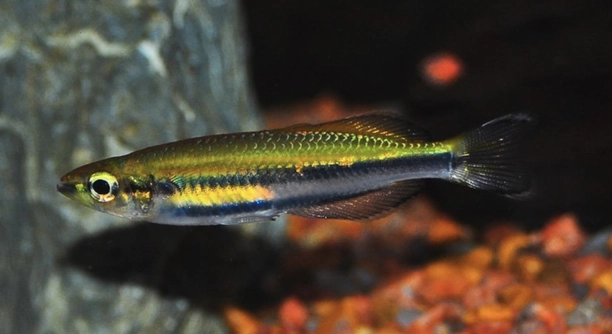
Have you ever tried creating a peaceful aquarium setup and hoped your rainbowfish could enjoy a space that feels close to their natural surroundings, offering comfort, safety, and a little extra charm in your home?
Building a natural habitat for rainbowfish requires recreating key environmental elements, including clean water conditions, dense plant cover, stable temperatures, and gentle lighting. These factors support their health, reduce stress, and encourage natural behaviors within a balanced aquarium ecosystem environment.
As you explore the steps ahead, you will find simple methods that bring comfort, structure, and beauty to their habitat.
Creating the Ideal Environment
Setting up a space that helps rainbowfish feel secure begins with choosing an aquarium size that allows swimming patterns and calm interactions. A tank of appropriate dimensions gives them enough room to move without stress. Next, aim for clean water that stays stable with regular maintenance. Using a gentle filter that keeps the flow smooth helps protect their delicate fins while keeping the habitat fresh. Adding plants supports their need for shelter and creates a sense of balance throughout the space. Choose plants that grow well in moderate lighting and arrange them in groups to build a natural layout that feels familiar to the fish. Keep the lighting soft to match their preference for calmer surroundings. Include hiding areas made from small pieces of driftwood or smooth stones to enhance safety and comfort. When each element works together, the habitat becomes a peaceful environment that supports healthy behavior every day.
These adjustments help produce a setting that feels natural and stable, supporting the rainbowfish through consistent conditions. When the aquarium remains predictable, the fish respond with brighter colors, smoother movement, and reduced stress, which leads to a healthier display that reflects the care given to their environment every single day.
Maintaining attention to these early steps helps shape a dependable base for your rainbowfish. A habitat built with care encourages the fish to interact calmly with their surroundings, easing their day to day activity. Steady routines make it easier to prevent issues linked to water quality or crowding, allowing the aquarium to remain pleasant and functional. Small changes handled on time also keep the environment from developing sudden shifts that might unsettle the fish. As these practices become part of your care schedule, the habitat stays balanced, creating a space that feels safe, clean, and enjoyable for both you too.
Maintaining Water Quality
Keeping the water stable is essential for supporting rainbowfish health. Regular changes help avoid harmful buildup while preserving clarity. A clean filter supports balanced conditions and lowers stress. Monitoring temperature and pH prevents fluctuations that may affect their comfort, leading to a more reliable and comfortable habitat overall each day.
Establishing steady maintenance habits keeps the aquarium healthy and predictable for rainbowfish. Start by changing a portion of the water on a regular schedule to remove waste and replenish minerals that support overall stability. This simple step helps prevent shifts that may disturb the fish or strain their ability to adjust. Cleaning the filter on time keeps circulation smooth, allowing the tank to remain clear without pushing too much current through the space. Overfeeding should be avoided, since leftover food can create buildup that stresses the environment if not controlled. Choose a feeding amount that matches what your rainbowfish can finish within a short period, which keeps the water from becoming cloudy. Test kits can be used to check pH, ammonia, and other factors that influence their comfort. Keeping these measurements within range protects the fish from stress that might affect color or activity. Plants also play a role in sustaining a clean setting by absorbing small amounts of waste and offering shade. Trimming plants on occasion prevents them from becoming too dense or blocking circulation. When all these efforts come together, the aquarium stays balanced, steady, and welcoming, giving your rainbowfish a calm space where they can remain active.
Choosing the Right Plants
Selecting plants that support rainbowfish comfort begins with options that can handle moderate lighting. These plants help create shade, reduce stress, and offer gentle coverage. A balanced mix of tall and short plants forms calm spaces where the fish can move with ease and feel secure.
Adding rooted plants like cryptocoryne and various sword plants helps shape a steady layout that remains stable over time. These plants stay fixed in one place and offer strong coverage without overwhelming the tank. Floating plants can be used to soften the lighting while giving rainbowfish a sense of protection from above. Keeping growth controlled prevents the tank from feeling crowded or blocking water flow. Regular trimming also allows light to pass through at a comfortable level, which supports plant health and fish movement. By choosing plants suited to the tank conditions, the environment becomes more predictable and gentle.
Placing plants along the back and sides of the tank helps structure the space while leaving the center open for swimming. This gives rainbowfish enough room to stay active without losing access to hiding areas. Using medium sized groups of plants keeps the layout natural while preventing clutter. Selecting species that grow at a moderate pace makes care easier, especially when maintaining balance in a smaller tank. Avoid using plants that demand strong lighting, since bright light may make rainbowfish uneasy. With the right arrangement, the aquarium becomes a calm and steady environment.
Creating Safe Hiding Areas
Building hiding areas begins with using simple decorations that mimic natural cover. Smooth stones, driftwood, and small clusters of plants form gentle spaces where rainbowfish can rest without stress. These features also help reduce tension within the group by offering comfortable retreats.
Choosing soft edged decorations keeps the environment safe while adding structure that supports healthy activity. Driftwood pieces can be placed to create shaded paths, giving the fish quiet spots where they can move without feeling exposed. Stones arranged in small patterns help break up open areas while maintaining enough space for swimming. When setting up these features, keep the arrangement uncluttered so the tank does not feel crowded or difficult to clean. Added cover reduces the chance of territorial behavior, especially in larger groups. Stable hiding spots also support natural color expression by helping the fish feel confident in their surroundings. Over time, these areas blend into the layout, creating a balanced and comforting habitat.
Managing Lighting Levels
Keeping lighting gentle supports rainbowfish comfort by reducing harsh glare that may cause stress. Use moderate brightness and allow plants or floating cover to soften the light. Consistent timing with a simple schedule helps the fish stay calm and maintain steady daily activity within their environment at all times overall.
Adjusting the duration of lighting helps prevent overstimulation and keeps the tank balanced. Aim for evenly spaced hours that mirror a natural setting without strong intensity. Soft changes between light and dark periods protect rainbowfish from sudden shifts that might unsettle their movement or affect how comfortable they feel each.
Feeding for Healthy Behavior
Feeding rainbowfish in a controlled and steady way helps maintain their health and supports a clean environment. Choose small portions they can finish within a short time so leftover food does not settle and create buildup. Use high quality flakes or micro pellets that match their size and energy needs. Supplementing with small live or frozen options adds variety without overwhelming the tank. Maintaining a stable schedule encourages calm behavior and prevents competition that may cause stress. Observing how quickly they eat helps you adjust amounts to keep the water clear while giving them the nutrition they require each day.
Maintaining Tank Stability
Keeping the tank stable begins with simple routines that prevent sudden changes. Regular checks of temperature, water clarity, and plant growth help maintain steady conditions. Small adjustments handled early reduce stress on rainbowfish and support predictable behavior that reflects their comfort within the environment each day of their aquatic space.
FAQ
How often should I change the water in a rainbowfish tank?
Changing a portion of the water once a week helps keep the environment clean and comfortable. This routine removes waste that builds up over time and keeps the tank stable. Regular changes also help maintain clarity, reduce stress, and support the natural behavior of rainbowfish.
What temperature range is best for rainbowfish?
A steady temperature between 74 and 78 degrees keeps rainbowfish comfortable. Sudden changes can make them uneasy, so using a reliable heater helps avoid fluctuations. Monitoring the temperature each day ensures the tank stays within a range that supports their health and activity.
Do rainbowfish need strong lighting?
Rainbowfish prefer moderate lighting that feels soft rather than bright. Harsh light may cause stress, so a gentle setup works best. Plants or floating cover help soften the brightness. Keeping a stable lighting schedule creates a calm routine that supports their comfort and daily behavior.
How many rainbowfish should be kept together?
Rainbowfish feel safer and more relaxed in small groups. Keeping at least six helps prevent stress and encourages natural movement. A group setting allows them to display their colors more confidently. Enough space and calm surroundings help the group stay peaceful and active.
What tank size is suitable for rainbowfish?
A tank of at least 20 to 30 gallons gives rainbowfish the room they need to swim without pressure. They enjoy open areas paired with gentle cover. Extra space helps reduce stress and prevents crowding. A larger tank also keeps water conditions more stable throughout the week.
Do rainbowfish get along with other fish?
Rainbowfish usually stay peaceful and interact well with calm tank mates. They prefer species that do not nip fins or behave aggressively. Selecting tank mates with similar needs keeps the environment steady. With the right mix, the tank remains relaxed and balanced for everyone inside.
What type of food should rainbowfish eat?
A mix of high quality flakes or micro pellets works well for daily feeding. Small live or frozen foods can be added for variety. Keeping portions small prevents leftover food from settling. When feeding stays controlled, the water stays clearer and the fish remain healthy.
How do I keep the tank from becoming cloudy?
Cloudiness often comes from leftover food, plant debris, or waste buildup. Feeding in small amounts helps avoid this. Regular water changes and gentle filter maintenance also support clarity. Simple routines like trimming plants prevent them from overcrowding and blocking water flow.
Is it normal for rainbowfish to hide often?
Rainbowfish may hide when the tank is new or conditions feel unfamiliar. Adding gentle cover helps them feel safe. When the environment becomes stable, they usually become more active. Consistent lighting, balanced plants, and safe hiding spaces support their comfort and reduce the need to hide.
Why do rainbowfish lose color sometimes?
Color fading often comes from stress or unstable water conditions. Checking temperature, pH, and cleanliness helps find the cause. A calm environment encourages brighter colors. When the tank stays steady, rainbowfish show stronger tones and move with more confidence throughout the day.
How can I reduce stress in a rainbowfish tank?
Keeping the tank predictable helps lower stress. Stable lighting, clean water, and gentle decoration placement support a calm atmosphere. Avoid sudden changes that may unsettle them. When each part of the environment stays balanced, rainbowfish respond with smoother movement and healthier behavior.
Do rainbowfish need hiding spots even if they seem active?
Yes, they benefit from having places to retreat whenever they feel the need. Simple decorations like driftwood, smooth stones, or clusters of plants create safe spaces. These areas help them rest, reduce tension, and feel secure. Even active fish appreciate having areas that offer comfort.
Can rainbowfish live with strong water flow?
A gentle flow works better for their comfort. Strong currents may tire them or disrupt their movement. Using a filter that produces soft circulation keeps the tank clean without making the water feel too active. This supports calm swimming and stable behavior throughout the day.
Final Thoughts
Building a natural habitat for rainbowfish depends on steady routines and gentle choices that support their comfort. Each part of the tank plays a small but meaningful role in creating balance. Clean water, calm lighting, stable temperatures, and thoughtful placement of plants all work together to form an environment where the fish can move with ease. A predictable setting helps them feel secure, allowing their natural colors and behavior to develop without stress. When these details remain consistent, the tank becomes a place that stays stable throughout the day, giving rainbowfish a space that feels safe and familiar. This steady approach also makes care easier for you, since a well maintained tank tends to stay clearer and healthier with fewer sudden problems. Taking the time to focus on these basic steps creates a strong foundation that supports the long term well being of your rainbowfish.
Paying attention to how the tank changes over time is just as important as the first setup. Plants grow, filters collect debris, and lighting can shift as bulbs age. Small checks help you notice these changes early so the tank remains calm and predictable. Rainbowfish respond strongly to stability, so keeping an eye on water clarity, plant growth, and equipment performance helps maintain the conditions they need. When adjustments are made gradually and with care, the fish feel more at ease and their behavior becomes smoother and more confident. It also helps prevent stress related issues that can appear when conditions shift too quickly. Creating a regular routine for feeding, trimming plants, and changing water keeps everything running in a simple and manageable way. These small habits support the health of the fish while also helping the environment remain balanced for a longer period.
A natural habitat does more than keep rainbowfish healthy, it creates a space that feels peaceful and enjoyable to watch. When the tank reflects the calm environments these fish come from, their colors brighten and their movement becomes steady and graceful. Observing them in a well maintained setting brings a quiet sense of satisfaction, knowing the care you put in shapes the space they depend on. This kind of setup also encourages more natural behavior, which makes the tank feel lively without becoming overwhelming. Over time, the aquarium becomes not only a habitat for the fish but also a gentle presence in your home. With consistent care and small adjustments when needed, the tank remains a stable and pleasant place for both you and your rainbowfish, creating a calm environment that continues to grow and improve with steady attention.

Hello,
If you enjoy the content that we create, please consider saying a "Thank You!" by leaving a tip.
Every little bit helps us continue crafting quality advice that supports the health, happiness, and well-being of pets around the world, for pets of all shapes, sizes, and species.
We really appreciate the kindness and support that you show us!