
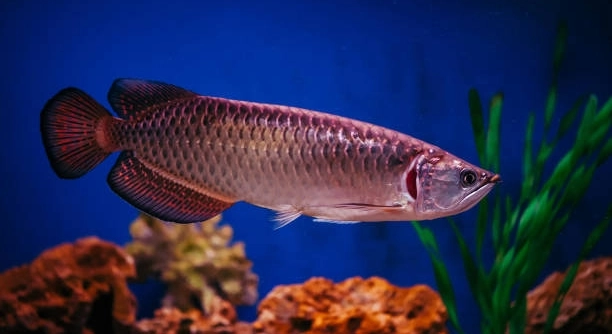
Have you noticed your arowana spending more time near the surface of the tank than usual? Observing this behavior can be concerning, especially for new fish owners trying to maintain a healthy and balanced aquatic environment.
Arowanas floating near the top typically indicate issues with oxygen levels, water quality, or possible stress. Maintaining proper aeration, regular water changes, and monitoring temperature can help ensure your fish remain healthy and active.
Recognizing these signs early is important, as it can prevent further health problems and support a stable habitat for your arowana to thrive.
Common Reasons Arowanas Float Near the Top
Arowanas often stay near the water surface for several reasons. One of the most frequent causes is low oxygen levels. These fish need well-oxygenated water to remain healthy, and they instinctively rise to areas with more oxygen. Another reason is poor water quality. Accumulation of waste, leftover food, and insufficient filtration can create harmful conditions that push arowanas toward the surface. Temperature fluctuations can also affect their behavior, as arowanas prefer stable water conditions. Stress is another factor. Sudden changes in the tank, overcrowding, or aggressive tank mates may lead them to float near the top. Observing their swimming patterns and behavior closely can provide valuable insights. Adjusting water parameters, enhancing filtration, and providing a calm environment helps address this issue. Maintaining consistent care ensures your arowana remains active, healthy, and less likely to exhibit unusual surface-floating behavior. Proper attention to detail is key for long-term wellbeing.
Floating near the top is often a sign that the tank environment needs adjustment. Correcting water quality and aeration usually resolves the problem.
Monitoring these factors regularly helps prevent recurring issues. Consistent maintenance keeps your arowana healthier and more comfortable in its habitat.
How to Improve Oxygen Levels
Adding an air pump or increasing water movement can significantly improve oxygenation for arowanas. Proper aeration ensures that the fish have enough oxygen throughout the tank, reducing stress and abnormal behavior.
Regular water changes are equally important. Removing old water and adding fresh, treated water maintains oxygen levels and removes toxins. Avoid overcrowding the tank, as too many fish reduce available oxygen and can make arowanas swim near the surface. Plants that oxygenate water can also help, though balance is necessary to prevent excess waste. Observing your arowana’s behavior after adjustments provides feedback on the tank’s condition. Consistency in monitoring and maintenance makes a big difference. Temperature stability is another factor; warm water holds less oxygen, so keeping the tank at the appropriate temperature range is critical. Proper filtration, regular checks, and gradual adjustments contribute to a healthier environment. Maintaining these conditions not only improves oxygenation but also supports overall fish health, leading to more active, comfortable, and vibrant arowanas over time.
Water Quality and Filtration
Dirty water or inadequate filtration can make arowanas float near the top. Waste buildup, leftover food, and uneven water circulation all reduce water quality, affecting their health and comfort. Regular checks and cleaning are essential.
Maintaining clean water requires consistent care. Changing 20–30% of the tank water weekly helps remove toxins and waste that accumulate over time. Filters need regular inspection and cleaning to ensure they function properly. Uneven flow or clogged filters can reduce oxygen distribution, forcing your arowana to stay near the surface. Monitoring pH levels and ammonia, nitrite, and nitrate concentrations is also important. A stable and clean environment prevents stress and promotes normal swimming behavior, keeping the fish active and healthy.
Adding a reliable filtration system and performing scheduled water changes supports overall tank health. Proper filtration not only keeps the water clear but also balances essential nutrients and oxygen. This reduces stress on your arowana, encouraging it to explore all areas of the tank rather than lingering near the top. Observing water clarity and fish behavior helps identify issues before they become serious, ensuring a longer, healthier life for your fish.
Stress and Environmental Factors
Stress can cause arowanas to float near the surface. Overcrowding, aggressive tank mates, and sudden changes in water conditions often trigger this behavior. Proper monitoring and adjustments are necessary.
Environmental stability is crucial for your arowana’s wellbeing. Sudden temperature shifts, improper lighting, and excessive noise can cause stress. Providing hiding spots and enough swimming space helps reduce tension. Avoid placing the tank near high-traffic areas or near windows with direct sunlight that may overheat the water. Gradual changes in water parameters, rather than sudden alterations, help the fish adapt smoothly. Observing your arowana’s behavior daily can reveal early signs of stress, such as reduced appetite or lethargy. Stress management ensures the fish remains healthy, active, and less likely to stay near the water surface unnecessarily.
Temperature Fluctuations
Arowanas are sensitive to sudden changes in water temperature. Rapid drops or spikes can cause them to float near the top, as they try to find a comfortable environment within the tank.
Maintaining a stable temperature reduces stress. Using a reliable heater and thermometer ensures the water stays within the ideal range for your arowana.
Feeding Habits
Overfeeding or underfeeding can affect your arowana’s behavior. Floating near the surface sometimes indicates digestive discomfort or hunger. Feeding small, consistent portions helps maintain proper digestion.
Monitoring diet quality is important. Live or frozen foods and high-quality pellets provide necessary nutrients. Avoid feeding too often, as excess food pollutes the water.
Signs of Illness
Lethargy, loss of appetite, or unusual swimming patterns often accompany surface-floating behavior. Observing these signs early helps address health problems promptly.
Regular health checks and maintaining water quality are essential for preventing diseases and keeping your arowana active.
FAQ
Why does my arowana float near the surface even with clean water?
Even if the water appears clean, oxygen levels might still be low, especially in warmer tanks. Arowanas instinctively move toward areas with higher oxygen. Check aeration, water flow, and temperature, as warm water holds less oxygen. Adjusting these factors usually helps your fish return to normal swimming patterns.
Can overfeeding cause my arowana to stay at the top?
Yes. Overfeeding can lead to digestive issues and water pollution, both of which affect your arowana’s comfort. Uneaten food decomposes, reducing water quality and oxygen levels, prompting the fish to float near the surface. Feeding smaller portions and removing leftovers helps maintain health.
Is floating at the surface always a sign of illness?
Not necessarily. Sometimes arowanas float near the top due to stress, temperature changes, or oxygen preferences. Illness is more likely if the behavior is accompanied by lethargy, loss of appetite, or unusual swimming patterns. Observing additional symptoms is key for accurate assessment.
How do I improve oxygen levels in my tank?
Adding an air pump or increasing water movement helps oxygenate the water. Plants that produce oxygen can assist, though balance is necessary to avoid excess waste. Regular partial water changes and proper filtration also maintain adequate oxygen and overall water quality.
Can tank size affect my arowana’s surface-floating behavior?
Yes. Arowanas need ample swimming space. Small or overcrowded tanks can restrict movement and reduce oxygen availability, causing them to float near the top. Ensuring the tank is large enough and not overstocked promotes healthy swimming and reduces stress.
Do water temperature fluctuations cause this behavior?
Absolutely. Sudden drops or spikes in temperature stress arowanas, leading them to seek a more comfortable layer near the surface. Maintaining a stable temperature with a reliable heater and thermometer helps reduce stress and encourages normal activity.
How often should I check my water parameters?
Weekly monitoring of pH, ammonia, nitrite, and nitrate levels is recommended. Regular checks prevent water quality issues that could push your arowana to the top. Keeping a consistent schedule of testing, filtration maintenance, and water changes ensures long-term health.
What are the signs that my arowana is stressed?
Stress signs include floating near the surface, hiding excessively, reduced appetite, rapid gill movement, or erratic swimming. Addressing environmental factors like tank mates, water quality, and stable temperature can relieve stress and restore normal behavior.
Can lighting affect my arowana’s position in the tank?
Yes. Excessive or inconsistent lighting can cause stress, prompting your fish to move near the top. Providing consistent, moderate lighting and areas of shade helps them feel secure and reduces surface-floating behavior.
When should I consult a veterinarian?
If your arowana continues to float near the surface despite correcting oxygen levels, water quality, feeding, and temperature, it’s time to consult a vet. Persistent surface-floating combined with lethargy, swelling, or visible wounds may indicate a medical issue requiring professional care.
How do I prevent this behavior long-term?
Maintaining stable water conditions, proper filtration, adequate tank size, regular monitoring, and a balanced diet helps prevent surface-floating. Observing your fish daily allows early detection of stress or illness, keeping your arowana healthy and active over time.
Does the type of food affect this behavior?
Yes. Low-quality or inappropriate food can lead to digestive problems, impacting swimming behavior. High-quality pellets, live, or frozen foods suitable for arowanas support healthy digestion and reduce the likelihood of floating at the surface.
Can tank decorations influence this behavior?
Yes. Lack of hiding spots or resting areas can stress arowanas. Including sturdy plants, driftwood, or other tank elements gives them security, encouraging normal swimming patterns instead of lingering at the surface.
Is surface-floating more common in young or older arowanas?
Younger fish may float occasionally due to developing swim bladders, while older arowanas are more sensitive to stress and water quality issues. Observing age-specific behavior helps identify normal activity versus signs of potential problems.
What should I do if multiple factors are affecting my arowana?
Address each factor step by step. Start with oxygenation and water quality, then evaluate feeding, tank conditions, and temperature. Monitoring behavior after each adjustment allows you to identify the primary cause and maintain a healthier environment for your arowana.
This FAQ covers common reasons and solutions for arowanas floating near the surface, providing practical steps for observation, correction, and long-term care to keep your fish healthy and comfortable.
Final Thoughts
Observing an arowana floating near the surface of the tank can be worrying, but it does not always indicate a serious problem. Often, this behavior is a sign that something in the tank environment needs attention. Low oxygen levels, unstable water temperature, or poor filtration are common reasons for surface-floating. By maintaining clean water, proper aeration, and stable temperatures, you can provide a more comfortable environment for your fish. Regular water changes, careful monitoring of pH and other parameters, and ensuring adequate tank space all contribute to reducing stress. Small adjustments to the tank setup or maintenance routine can have a big impact on your arowana’s behavior and overall health.
Feeding habits also play a crucial role in your arowana’s comfort. Overfeeding or offering inappropriate food can lead to digestive problems and water pollution, both of which can cause the fish to float near the surface. Providing the right balance of high-quality pellets, live, or frozen foods in controlled portions supports proper digestion and reduces the risk of water contamination. It is equally important to remove any uneaten food promptly. Observing your arowana’s appetite and behavior after feeding can help you identify potential problems early. Maintaining a consistent feeding schedule and providing the right nutrition encourages normal activity and swimming patterns, keeping your fish healthier and more comfortable in its tank.
Finally, stress and environmental factors should not be overlooked. Sudden changes in water temperature, aggressive tank mates, overcrowding, or excessive noise can all affect your arowana’s behavior. Providing hiding spots, consistent lighting, and a calm environment reduces stress and encourages the fish to explore all areas of the tank. Paying attention to subtle signs such as lethargy, rapid gill movement, or unusual swimming patterns allows you to respond before problems become serious. Combining proper water care, balanced feeding, and a stable, low-stress environment will help your arowana thrive. Careful observation and regular maintenance are the best ways to ensure that your fish remains active, healthy, and less likely to float near the surface unnecessarily.

Hello,
If you enjoy the content that we create, please consider saying a "Thank You!" by leaving a tip.
Every little bit helps us continue crafting quality advice that supports the health, happiness, and well-being of pets around the world, for pets of all shapes, sizes, and species.
We really appreciate the kindness and support that you show us!