
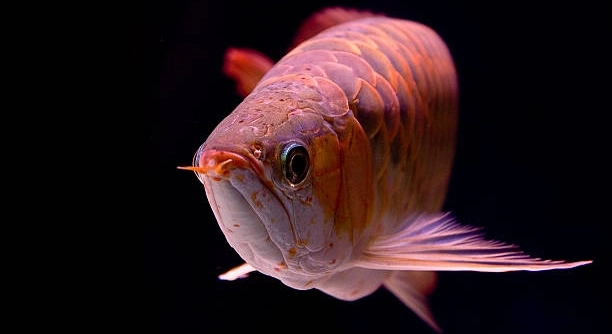
Arowanas are striking, elegant fish that can become true centerpieces in any aquarium. Observing their daily routines helps you notice changes in their habits and ensures they remain healthy, active, and comfortable in their aquatic home.
Monitoring an Arowana’s behavior over time involves keeping detailed records of feeding patterns, swimming activity, and interaction with tank mates. Consistent observation allows early detection of stress, illness, or environmental issues that may impact the fish’s overall well-being.
Tracking these patterns carefully can reveal subtle changes before they become serious problems. Maintaining awareness of your arowana’s habits helps create a stable, thriving environment for years to come.
Understanding Normal Arowana Behavior
Arowanas have unique behaviors that reflect their health and mood. Observing how they swim, feed, and interact with their tank is essential. They typically glide gracefully through the water, explore corners, and respond to food quickly. Noticing any sudden shifts in these patterns can indicate stress or illness. Some arowanas may become more territorial, especially in smaller tanks or when introducing new fish. Monitoring their response to environmental changes, such as lighting, temperature, or tank rearrangements, helps you gauge comfort levels. Feeding behavior is another key indicator. Healthy arowanas show interest in meals, often striking at food with precision. Lethargy, sudden aggression, or refusal to eat can signal health problems. Keeping a daily log of these behaviors makes trends easier to spot over time. Observing and recording even minor details ensures your arowana stays in good health and adjusts well to any changes in its habitat.
Consistent observation over weeks helps create a baseline for normal activity.
Tracking patterns carefully allows early recognition of potential problems. Regular notes on movement, appetite, and interaction make it easier to spot when something is off. This record can guide adjustments to diet, tank conditions, or social arrangements. Over time, these small observations build a clear picture of your arowana’s overall wellness. You’ll notice subtle shifts in energy or behavior that may otherwise go unnoticed. Changes in swimming speed, feeding eagerness, or resting spots provide clues about comfort and health. Observing reactions to new objects or plants in the tank also reveals stress levels. This methodical approach helps ensure that minor issues are addressed before they develop into serious problems. Maintaining detailed records allows for informed decisions regarding tank adjustments and health interventions, creating a safer and more stable environment.
Tools for Monitoring Arowana Behavior
Journals or digital logs are simple tools to record observations. Even short daily notes on feeding times and activity levels are useful.
Using a combination of written records and photo or video documentation enhances monitoring accuracy. Taking short videos of feeding sessions or swimming patterns allows you to review behavior more objectively. Tracking environmental factors such as water temperature, pH, and filter performance alongside behavioral notes provides a clearer understanding of influences on the fish. Some hobbyists use apps designed for fish care to schedule feeding, track growth, and log observations efficiently. Visual records help spot subtle changes, like slower swimming or unusual resting positions, which may indicate illness. Consistently reviewing these records over weeks helps identify patterns that guide adjustments in care routines. Proper monitoring tools not only track behavior but also support long-term health and reduce stress by quickly highlighting when intervention is needed. Over time, these methods become a practical routine, keeping your arowana safe and comfortable while giving you peace of mind.
Recognizing Signs of Stress
Stress in arowanas often shows through changes in appetite, erratic swimming, or hiding. Paying attention to these signals early helps prevent long-term health issues and keeps your fish active and comfortable in its tank environment.
Stress can result from overcrowding, sudden changes in water conditions, or the introduction of new tank mates. Arowanas may become less active, swim near the surface constantly, or refuse food when stressed. Observing these behaviors alongside water quality checks can reveal underlying causes. Maintaining stable temperature, proper filtration, and adequate space reduces stress. Regular interaction, like watching their reactions to feeding or environmental changes, helps you identify patterns. Adjusting care routines based on these observations ensures your arowana feels secure and reduces the likelihood of illness. Early recognition of stress prevents escalation into serious health problems.
Behavioral stress indicators vary, including rubbing against tank surfaces or constant pacing. Recognizing subtle changes is crucial for timely intervention. Recording these behaviors daily allows you to compare with previous patterns. Minor adjustments, such as rearranging decorations or checking water parameters, can significantly improve the fish’s comfort. Observing how your arowana responds over time ensures a calmer, healthier environment. Consistency in care routines also strengthens their overall well-being and reduces repeated stress episodes.
Feeding Patterns and Health
Arowanas eating consistently and eagerly usually indicate good health. Any sudden refusal or slower consumption signals potential problems requiring attention.
Monitoring feeding times, frequency, and portion sizes is essential for maintaining optimal health. Arowanas have high metabolism and need a balanced diet, including live, frozen, or prepared foods. Recording the type and amount of food consumed daily helps detect shifts in appetite or energy levels. Gradually changing diets or introducing new foods can reveal preferences and tolerance, avoiding overfeeding or nutrient deficiencies. Proper observation ensures the fish receives adequate nutrition, supporting growth, immunity, and overall activity. Environmental factors, such as light, water temperature, and tank setup, also affect feeding behavior. Tracking all these aspects allows you to create a stable feeding routine that promotes long-term health.
Feeding behavior can reflect more than appetite; it also signals stress or discomfort. Noting variations in speed, enthusiasm, or method of consuming food helps identify minor issues. Some arowanas may eat at the same location or follow predictable swimming paths before feeding. Recognizing these habits allows better scheduling and ensures all tank areas remain safe and accessible. Adjusting portions, types of food, or feeding frequency based on these observations supports consistent energy levels and proper growth. Detailed records of feeding behavior also make it easier to notice illness early, enabling timely intervention.
Tank Environment and Behavior
Arowanas react strongly to their tank environment. Lighting, water temperature, and space all influence swimming patterns, activity levels, and interactions with other fish. Consistent monitoring of these conditions helps maintain a stable, comfortable habitat for your fish.
Even small changes, like moving decorations or adjusting filters, can alter behavior. Observing how your arowana adapts ensures it remains calm and healthy. Consistency in environment reduces stress and supports normal activity patterns.
Social Interactions
Arowanas may show territorial behavior or curiosity toward other fish. Watching how they interact provides insight into comfort levels and potential conflicts. Proper spacing and careful introduction of new fish help maintain harmony. Monitoring interactions also helps prevent injuries and stress.
Recording and Analyzing Data
Keeping detailed records of behavior, feeding, and environmental changes is essential. Regular notes allow you to spot trends, unusual patterns, or early signs of health issues. Consistent analysis supports better decisions in care routines and tank management.
Adjusting Care Based on Observations
Behavioral changes often indicate the need for adjustments in feeding, environment, or tank setup. Acting promptly on these observations ensures ongoing health and reduces stress.
FAQ
How often should I observe my arowana’s behavior?
Daily observation is ideal. Even short sessions of 10–15 minutes can reveal changes in swimming, appetite, or interactions with tank mates. Regular monitoring helps you notice patterns, catch early signs of stress or illness, and make adjustments to maintain a stable environment. Consistency is more important than duration, as repeated daily checks provide a clear baseline for normal behavior.
What behaviors indicate stress in an arowana?
Stress can show through erratic swimming, hiding, refusing food, or rubbing against tank surfaces. Some arowanas may become unusually aggressive or lethargic. Observing how they respond to environmental changes, such as lighting adjustments or new tank mates, helps identify stress triggers. Promptly addressing stressors reduces the risk of illness and ensures your fish remains comfortable.
Can water quality affect my arowana’s behavior?
Absolutely. Poor water conditions often lead to reduced activity, loss of appetite, and abnormal swimming patterns. Regularly checking temperature, pH, ammonia, and nitrate levels is essential. Clean water and proper filtration support normal behavior, while sudden changes in water parameters can trigger stress or health issues.
How can I tell if my arowana is healthy?
A healthy arowana is active, swims smoothly, eats consistently, and interacts naturally with its surroundings. Scales should appear bright and intact, and fins should be undamaged. Observing feeding habits, swimming paths, and resting spots daily provides a reliable measure of overall wellness. Minor deviations can indicate early problems.
Is tracking feeding behavior important?
Yes. Changes in appetite or how the fish eats may signal health or environmental issues. Recording what, when, and how much your arowana eats helps identify trends, detect illness early, and adjust diet for proper nutrition. Maintaining a consistent feeding routine supports energy, growth, and immunity.
How do social interactions affect my arowana?
Arowanas can be territorial, and stress may arise if tank mates are too close or aggressive. Watching how your fish responds to others indicates comfort and potential conflict. Proper introduction, sufficient space, and observation ensure safe coexistence and reduce stress-related behaviors.
Should I record behavior visually or in writing?
Both methods are helpful. Written logs capture patterns and daily notes, while photos or videos allow you to review behavior objectively. Visual records can reveal subtle changes in swimming style, appetite, or interactions that might otherwise go unnoticed. Combining both ensures a complete picture of your arowana’s health.
What adjustments can I make if I notice unusual behavior?
Adjusting feeding routines, water conditions, or tank setup can help. For example, modifying light intensity, rearranging decorations, or separating aggressive tank mates can reduce stress. Minor changes based on observations often restore normal behavior quickly, preventing long-term health problems.
How long does it take to notice behavior trends?
Behavioral trends often become visible after several weeks of consistent observation. Daily notes, combined with photos or videos, provide enough data to identify patterns and distinguish normal variations from potential issues. Tracking over time allows for proactive care decisions rather than reactive responses.
Can I rely on behavior alone to assess health?
While behavior is a strong indicator, it should be combined with other checks such as water quality, physical appearance, and diet. Observing behavior alongside environmental and health factors gives a more complete understanding of your arowana’s well-being. Regular, consistent monitoring is key to early detection of problems.
How do I maintain consistency in monitoring?
Set a daily schedule for observation and recording. Short, focused sessions at the same time each day help create reliable data. Include feeding behavior, swimming activity, interactions, and environmental conditions. Over time, this routine will build a clear picture of normal patterns and make deviations easier to spot.
What tools can make monitoring easier?
Journals, spreadsheets, and specialized apps help track feeding, behavior, and environmental changes. Cameras or smartphone videos provide visual reference points. Simple water testing kits ensure conditions remain stable. Using these tools consistently supports better care and quick responses to any issues.
How do I interpret minor changes in behavior?
Not every change is a cause for concern. Compare observations to previous patterns to determine significance. Minor fluctuations may result from temporary environmental shifts, changes in lighting, or occasional stress. Documenting these changes helps identify whether they are isolated incidents or part of a larger trend.
What should I do if my arowana stops eating?
A sudden loss of appetite can indicate stress, illness, or water problems. Check water parameters first, then assess tank conditions and recent changes. If the fish remains uninterested in food for more than a day or two, consider consulting a veterinarian specializing in aquatic species to ensure timely care.
How long should I continue behavior monitoring?
Monitoring should be ongoing throughout your arowana’s life. Long-term records provide valuable insights into health, behavior patterns, and responses to environmental adjustments. Continuous observation ensures that even subtle changes are noticed, allowing you to maintain optimal care and prevent avoidable stress or illness.
Final Thoughts
Monitoring your arowana’s behavior over time is an essential part of responsible fish care. These fish are sensitive to changes in their environment, and even small adjustments in water quality, lighting, or tank setup can affect their behavior. Observing swimming patterns, feeding habits, and interactions with other fish allows you to detect potential issues early. Daily notes, whether written or digital, provide a clear record of normal behavior, making it easier to spot subtle changes that may indicate stress or illness. Keeping track of these details helps ensure your arowana remains healthy and comfortable, and it allows you to respond promptly if something seems off. The process may seem time-consuming at first, but consistent monitoring becomes routine and eventually feels natural as part of caring for your fish.
Feeding patterns and appetite are particularly important indicators of your arowana’s health. A fish that eats consistently and actively is generally healthy, while refusal to eat or erratic feeding behavior can point to stress, illness, or water problems. Monitoring feeding not only helps you understand your fish’s behavior but also supports proper nutrition. Over time, observing how your arowana reacts to different types of food, portion sizes, and feeding schedules allows you to fine-tune their diet. This contributes to strong growth, better immunity, and overall vitality. Combining feeding observations with environmental monitoring provides a full picture of well-being. When both behavior and environmental conditions are regularly tracked, it is easier to maintain a stable, low-stress tank that promotes longevity.
Social interactions and stress management are also critical factors in maintaining a healthy arowana. These fish can be territorial and sensitive to new tank mates or sudden changes in their environment. Observing how your arowana interacts with others, whether displaying curiosity, aggression, or avoidance, helps you make informed decisions about tank arrangements. Addressing stress early—through adjustments in water quality, tank setup, or spacing—prevents long-term health issues and supports a calm, stable environment. Using journals, videos, or apps to track behavior and environmental changes provides valuable reference points, making trends and patterns easier to identify. Consistent monitoring and thoughtful adjustments help you maintain a safe and comfortable habitat. Overall, careful observation, attention to detail, and proactive care are key to ensuring your arowana thrives over time, creating a balanced and healthy environment for this impressive fish.

Hello,
If you enjoy the content that we create, please consider saying a "Thank You!" by leaving a tip.
Every little bit helps us continue crafting quality advice that supports the health, happiness, and well-being of pets around the world, for pets of all shapes, sizes, and species.
We really appreciate the kindness and support that you show us!