
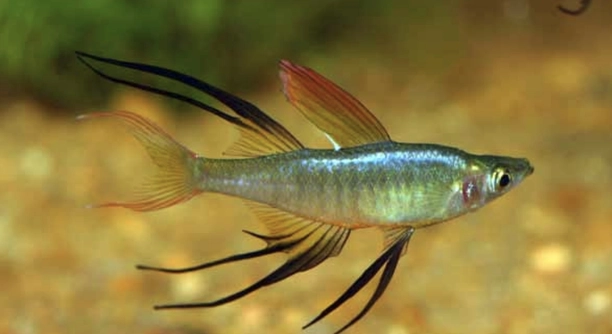
A flared fin on a threadfin rainbowfish can catch your attention quickly while observing your aquarium. It often looks dramatic and eye-catching, making the fish seem larger and more active than usual in its environment.
A flared threadfin rainbowfish fin typically indicates territorial behavior or social signaling. The display is a natural response to other fish, environmental stress, or breeding readiness. This behavior helps communicate dominance, attract mates, or establish boundaries within the tank.
Observing these displays can reveal a lot about your fish’s mood, health, and social interactions within the aquarium. Understanding these subtle signs helps maintain a balanced and peaceful aquatic environment for your rainbowfish.
Why Threadfin Rainbowfish Flare Their Fins
Threadfin rainbowfish often flare their fins as a natural form of communication. This behavior is commonly seen when they feel threatened or need to establish dominance within the tank. A flared fin makes the fish appear larger, signaling to other fish to stay away. It can also indicate excitement during feeding or mating times. Environmental factors such as sudden changes in lighting, water temperature, or the addition of new fish can trigger fin flaring. Observing these signals can help aquarists understand the hierarchy and dynamics within their tank. Over time, fish may flare their fins more frequently if they are repeatedly exposed to stressors or feel the need to assert control. While this behavior is usually harmless, excessive flaring can sometimes lead to fatigue or fin damage if the fish is constantly stressed. Monitoring these cues ensures the fish remain healthy and the tank environment stays stable.
Understanding fin flaring helps predict fish interactions before conflicts arise.
Regular observation of your rainbowfish provides insight into their social structure and overall wellbeing. By noting when and why fins flare, you can manage tank conditions to reduce stress and support natural behaviors. Adjusting lighting, rearranging decorations, or creating hiding spots allows the fish to express themselves without constant tension. Breeding pairs may flare more often, so separating them at certain times can prevent aggression. Similarly, introducing new fish gradually gives the existing population time to adjust, minimizing disruptive displays. Recognizing these patterns can improve feeding schedules, reduce injury risks, and foster a more harmonious aquarium environment. Ultimately, paying attention to fin flaring provides a simple yet effective method to support healthy fish behavior and maintain balance among multiple species sharing the same tank.
Signs of Stress Related to Fin Flaring
Excessive or prolonged fin flaring may indicate stress or discomfort in rainbowfish.
Stress-related flaring can result from overcrowding, poor water quality, or incompatible tank mates. Fish under stress often show additional signs such as rapid gill movement, hiding, or loss of appetite. Chronic stress weakens the immune system, making rainbowfish more susceptible to disease. Overly aggressive fin displays may also escalate conflicts between fish, increasing the risk of injury. Observing the frequency and context of flaring is essential to identify potential problems early. Addressing environmental issues, providing adequate space, and maintaining stable water conditions can reduce stress. Offering visual barriers or additional plants allows fish to retreat when needed, limiting the need for constant defensive displays. Keeping stress levels low ensures the rainbowfish maintain healthy growth, vibrant coloration, and normal social behaviors within the aquarium.
Feeding and Fin Flaring
Threadfin rainbowfish may flare their fins during feeding to assert dominance over food. This is a natural behavior that helps establish feeding order and ensures each fish knows its place in the tank hierarchy. It is usually brief and subsides once all fish have eaten.
Feeding time can trigger short bursts of activity, including fin flaring, jumping, or chasing other fish. This behavior is more common in tanks with multiple rainbowfish or other species with overlapping diets. Ensuring an even distribution of food helps minimize aggressive displays and reduces stress. Providing floating and sinking foods can accommodate different feeding levels and prevent competition. Observing how each fish reacts during feeding offers insight into social dynamics and helps you plan feeding strategies that keep all fish healthy and calm.
Occasional flaring during feeding is normal, but constant aggression may indicate insufficient food or overcrowding. Adjusting portions, frequency, and food type can reduce tension and keep the tank peaceful. Monitoring behavior during meals ensures every rainbowfish gets enough nutrition while maintaining harmony.
Breeding Behavior and Fin Displays
During breeding, male threadfin rainbowfish flare their fins to attract females and signal readiness to mate. This display is typically accompanied by swimming in loops or showing vibrant colors. Females may respond with subtle fin movements or follow the displaying male closely.
Mating displays are usually more pronounced in males, who use flaring to demonstrate strength and fitness. These displays help females choose the healthiest partners, ensuring stronger offspring. Tanks with dense vegetation or hiding spots allow females to retreat if overwhelmed, reducing stress. Separating breeding pairs temporarily can prevent aggression from other males, allowing successful courtship. Observing breeding behaviors closely helps identify healthy fish and supports successful reproduction. Understanding these natural signals ensures the tank environment promotes both health and breeding success.
Tank Environment and Fin Flaring
A crowded or poorly arranged tank can cause threadfin rainbowfish to flare their fins more often. Limited space or lack of hiding spots increases stress and prompts defensive displays. Proper tank setup helps reduce these behaviors and keeps the fish calmer.
Maintaining stable water conditions, including temperature, pH, and cleanliness, directly impacts fin flaring frequency. Sudden changes or inconsistent maintenance can trigger defensive or aggressive displays. Adding plants, rocks, and open swimming areas allows fish to establish territories naturally. Observing how the fish interact with these elements helps adjust the environment for balance. A well-planned tank supports natural behavior while minimizing stress-induced flaring.
Health Indicators
Frequent fin flaring can sometimes signal underlying health issues, such as infections or parasites. Monitoring physical condition alongside behavior helps detect problems early.
Social Hierarchy Effects
Threadfin rainbowfish flare their fins to assert dominance within social groups. Dominant fish often display larger, more frequent flares, while subordinate fish may remain passive or hide. Observing these interactions helps maintain a peaceful tank and prevents injuries.
FAQ
Why does my threadfin rainbowfish flare its fins at other fish?
Fin flaring at other fish is usually a sign of territorial behavior or social communication. Rainbowfish use this display to show dominance, defend their space, or warn others not to intrude. It is a natural response and not necessarily a sign of aggression, especially in a properly set-up tank.
Is fin flaring dangerous for my fish?
Occasional fin flaring is harmless and part of normal behavior. Problems only arise if the fish flare constantly due to stress, overcrowding, or illness. Prolonged displays can lead to fatigue, fin damage, or increased vulnerability to disease. Keeping the tank balanced reduces these risks.
How can I tell if fin flaring is caused by stress?
Stress-related flaring is usually accompanied by other signs: hiding, rapid gill movement, erratic swimming, or loss of appetite. Sudden changes in water parameters, aggressive tank mates, or overcrowding are common stressors. Monitoring these behaviors helps identify and correct environmental issues.
Do males flare more than females?
Yes, male threadfin rainbowfish tend to flare more, especially during breeding or when asserting dominance. Females may flare occasionally, but males use it primarily to attract mates or maintain hierarchy within the tank.
Should I separate fish that flare often?
Separation is only necessary if constant flaring leads to aggression or injury. Providing visual barriers, hiding spots, and adequate space usually reduces tension without isolating fish. Gradual introductions of new tank mates also prevent unnecessary stress.
Can fin flaring indicate health problems?
Yes, excessive or abnormal flaring can sometimes signal illness, such as parasites, bacterial infections, or poor water quality. Observing physical condition, coloration, and swimming patterns alongside flaring behavior helps detect early warning signs. Prompt action can prevent serious health issues.
Does tank size affect fin flaring?
Smaller or overcrowded tanks often increase flaring frequency. Limited space prevents natural territorial boundaries, causing more frequent displays. A larger tank with structured territories, plants, and open swimming areas allows rainbowfish to establish natural hierarchies without constant stress.
How can I reduce unnecessary fin flaring?
Maintaining stable water parameters, providing hiding spots, evenly distributing food, and monitoring social dynamics can reduce unnecessary flaring. Avoid sudden environmental changes and give fish time to adjust to new additions or rearrangements. A balanced tank supports natural behavior with minimal stress.
Is fin flaring linked to feeding behavior?
Yes, rainbowfish may flare their fins during feeding to assert dominance or compete for food. Even distribution of food, feeding at multiple locations, and using both floating and sinking foods help prevent aggressive displays during mealtime.
Will flaring affect my fish’s coloration?
Occasional flaring does not harm coloration. In fact, healthy, confident fish may display more vivid colors during these displays. Chronic stress or illness, however, can dull colors and make the fish appear less vibrant, signaling a need for environmental adjustments.
Can fin flaring be a sign of mating readiness?
Absolutely. During breeding periods, males flare their fins to attract females and display fitness. This behavior is often accompanied by courtship swimming patterns and color intensification. Recognizing these signs helps identify breeding readiness and allows proper management of pairs.
How long do typical flaring displays last?
Most flaring episodes are brief, lasting a few seconds to a minute. Extended displays usually indicate stress, competition, or environmental issues. Observing patterns and frequency helps determine whether the behavior is normal or a warning signal requiring intervention.
Does water quality impact fin flaring?
Yes, unstable water parameters like pH swings, temperature fluctuations, or high ammonia levels increase flaring frequency. Regular testing, water changes, and filtration maintenance help keep the tank stable and reduce stress-related displays.
Are there certain tank mates that trigger more flaring?
Aggressive or fast-moving fish can provoke flaring. Compatible species that are calm and non-territorial help reduce stress and allow rainbowfish to display normal behavior without constant defensive posturing. Choosing compatible tank mates is essential for a peaceful environment.
Can juveniles flare their fins?
Juveniles may flare occasionally, though less intensely than adults. This behavior helps them practice social interactions and establish early hierarchies. Providing ample space and hiding areas ensures young fish can learn these behaviors safely without excessive stress.
Does lighting affect fin flaring?
Bright or sudden changes in lighting can trigger temporary flaring. Gradual adjustments and consistent lighting schedules help rainbowfish feel secure, reducing stress-induced displays while maintaining normal daily activity patterns.
Is fin flaring louder in larger groups?
Larger groups may increase flaring displays as more fish interact and establish hierarchies. Observing interactions helps ensure no single fish is overwhelmed, and spacing decorations or plants can help create subterritories for calmer interactions.
How do I know if my fish is flaring for dominance or mating?
Dominance flaring is usually directed at tank mates and may involve chasing or blocking access to territory. Mating flaring often includes swimming patterns, brightened colors, and interaction with a specific mate rather than general aggression toward all fish.
Does diet influence fin flaring behavior?
Proper nutrition supports healthy activity levels and reduces stress, indirectly affecting flaring. Balanced diets with protein and vitamins help fish maintain strength, coloration, and natural behavior, making displays less aggressive or excessive while supporting overall wellbeing.
How often should I monitor fin flaring?
Daily observation during feeding and regular swimming times helps track normal versus excessive flaring. Noting changes in frequency, duration, or intensity provides early insights into stress, health, or environmental adjustments needed.
Can flaring damage fins?
Occasional flaring does not cause damage. However, repeated collisions with tank mates, decorations, or constant stress can lead to torn or frayed fins. Maintaining space, hiding spots, and calm tank dynamics minimizes this risk while allowing normal behavior.
Does temperature affect flaring?
Yes, higher temperatures can increase activity levels and flaring frequency, while colder water may reduce energy and displays. Maintaining a stable temperature suitable for rainbowfish ensures natural behavior without overexertion or stress.
Are all threadfin rainbowfish equally prone to flaring?
Individual temperament varies. Some fish are naturally more territorial or bold, while others are passive. Observing each fish’s behavior allows you to understand their personality and manage tank conditions accordingly.
Can flaring be trained or reduced?
While you cannot “train” fish in a traditional sense, consistent tank conditions, compatible tank mates, and environmental enrichment can reduce unnecessary flaring over time. Stability encourages natural behavior and minimizes stress displays.
Should I be concerned if flaring increases suddenly?
Sudden increases may indicate stress, environmental changes, or illness. Check water quality, tank population, and fish health immediately. Early intervention prevents escalation and supports a peaceful, healthy aquarium.
Does fin length or shape affect flaring intensity?
Longer fins may make flaring appear more dramatic, but the behavior itself is driven by instinct. Fish with different fin shapes may use displays differently, though the purpose—communication, dominance, or mating—remains the same.
Can flaring help identify dominant fish in the tank?
Yes, the most frequent and confident flaring fish usually hold dominant positions. Recognizing these individuals helps manage social dynamics, prevent conflicts, and ensure balanced interactions among all tank inhabitants.
How does breeding season affect group dynamics and flaring?
During breeding season, males flare more to compete for females, temporarily altering tank hierarchy. Subordinate fish may retreat or hide, and careful observation ensures dominant behavior does not escalate into aggression or injury. Proper tank setup helps accommodate these seasonal changes naturally.
Do rainbowfish flare more in new tanks?
Yes, new environments often trigger flaring as fish explore territory, establish dominance, and respond to unfamiliar surroundings. Providing hiding spaces and giving them time to acclimate reduces prolonged stress and encourages natural adjustment.
Can flaring be a sign of excitement rather than stress?
Absolutely. Short bursts of flaring during feeding, play, or interaction often indicate excitement and curiosity. Recognizing these positive displays helps differentiate them from stress or aggression, ensuring accurate observation of your fish’s wellbeing.
Is monitoring fin flaring enough to assess fish health?
Flaring is one indicator, but it should be combined with other observations: eating habits, swimming patterns, coloration, and general activity. Together, these provide a more complete picture of the fish’s health and tank environment.
Can flaring behavior change as fish age?
Yes, younger fish may flare less frequently, while adults may display more during breeding or territorial interactions. Monitoring behavior over time helps anticipate changes and adjust tank management accordingly.
How long should I observe to understand normal flaring behavior?
Regular observation over several weeks provides an accurate baseline. Noting patterns in daily activity, feeding, and social interactions helps distinguish normal behavior from stress-related or abnormal displays.
Do environmental enrichments reduce aggressive flaring?
Yes, adding plants, rocks, and hiding spots allows fish to retreat and establish subterritories. This reduces conflicts and ensures fin flaring occurs naturally rather than as a constant defensive response.
Can flaring be used to assess compatibility with other fish species?
Observing reactions to tank mates helps determine compatibility. Minimal or calm flaring indicates peaceful interactions, while frequent aggressive displays suggest adjustments in population, tank size, or species selection may be needed.
Does tank maintenance affect fin flaring?
Consistent maintenance, including water changes and filtration checks, reduces stress-related displays. Neglecting upkeep can lead to poor water quality, increasing flaring frequency and potentially impacting health.
How can I document flaring patterns effectively?
Keeping a simple log of timing, frequency, and context—feeding, breeding, or interactions—helps track behavior trends. This makes it easier to spot changes, correlate them with environmental factors, and respond appropriately to maintain a healthy tank.
Are there seasonal influences on fin flaring?
Seasonal changes in light, temperature, or breeding cycles can influence activity and display intensity. Understanding these patterns allows for better tank management and anticipation of behavioral changes.
Can flaring serve as an early warning for aggression?
Yes, persistent flaring combined with chasing or blocking behavior may signal upcoming fights. Recognizing these signs allows interventions, such as rearranging the tank or separating aggressive individuals, to prevent injury.
Does tank decoration placement influence flaring frequency?
Strategically placed plants, rocks, and hiding spots allow fish to claim territories without constant confrontation. Poor placement can force fish into repeated defensive displays, increasing stress and unnecessary flaring.
Can observing fin flaring improve overall aquarium management?
Monitoring flaring provides insights into health, social structure, and environmental comfort. Understanding these behaviors allows targeted adjustments, supporting peaceful interactions, proper nutrition, and optimal living conditions for rainbowfish.
Does the presence of reflective surfaces increase flaring?
Yes, rainbowfish may flare at their own reflection, mistaking it for another fish. Minimizing reflective surfaces or adjusting tank placement can reduce these unnecessary displays and stress.
Are there long-term benefits to monitoring fin flaring?
Consistent observation helps maintain a harmonious tank, prevents injuries, and supports reproductive success. Understanding patterns over time allows proactive management and a healthier, calmer environment for all rainbowfish.
Can temperature fluctuations during the day affect fin flaring?
Yes, sudden rises or drops in temperature can increase flaring as fish respond to environmental stress. Maintaining consistent temperature ranges appropriate for rainbowfish minimizes unnecessary displays.
Does water current influence flaring behavior?
Strong currents may trigger defensive or territorial flaring. Moderate flow that mimics natural conditions allows natural displays without causing excessive stress or aggressive behavior.
Is flaring affected by light direction or intensity?
Bright overhead lighting or sudden changes can prompt temporary flaring. Gradual adjustments and consistent light schedules help rainbowfish feel secure while maintaining normal activity levels.
Can flaring indicate readiness for social interaction?
Yes, short, confident flares often signal curiosity or willingness to engage with other fish. Recognizing these positive social displays helps understand natural interaction patterns and maintain harmony.
How should I respond to persistent flaring between specific fish?
Monitor interactions closely and consider rearranging the tank, adding barriers, or temporarily separating aggressive individuals. Addressing the cause rather than restricting behavior ensures natural expression without harm.
Does diet type affect energy levels and flaring?
High-protein, balanced diets increase energy, making displays more frequent. Ensuring proper nutrition supports healthy flaring while reducing stress-induced aggression caused by malnutrition or imbalanced feeding.
Can observing fin flaring predict breeding success?
Yes, confident flaring, paired with courtship swimming and color changes, often signals mating readiness. Monitoring these behaviors helps manage breeding pairs and optimize conditions for successful reproduction.
Does group size affect normal flaring frequency?
Larger groups often see more frequent flaring as social hierarchies form. Observing interactions and providing enough space reduces constant displays and supports natural social order.
Can flaring help identify shy or passive fish?
Yes, fish that rarely flare are often submissive or less territorial. Recognizing these personalities helps manage social dynamics and ensure passive fish are not stressed or bullied.
Is fin flaring influenced by seasonal feeding patterns?
Changes in feeding frequency or type can increase flaring temporarily. Maintaining consistent feeding schedules helps reduce unnecessary competition and aggression.
Do tank color or background affect flaring?
Bright or contrasting backgrounds may trigger displays if fish perceive shadows or reflections as rivals. Neutral colors and minimal reflections help reduce unnecessary flaring.
Can flaring indicate temperature preference?
Frequent flaring during specific times may reflect discomfort with water temperature. Monitoring and adjusting heating or cooling systems ensures optimal conditions and reduces stress-induced behavior.
How can I differentiate between excitement and aggression flaring?
Excitement flares are usually short, without chasing or blocking behavior. Aggressive flaring involves intimidation, chasing, or preventing access to territory. Observing context and interactions clarifies the underlying cause.
Does the presence of other species trigger more flaring?
Yes, unfamiliar or territorial species can increase displays. Monitoring interactions and providing separate zones or compatible species reduces unnecessary stress.
Can fin flaring indicate nutritional deficiencies?
Indirectly, poor nutrition can weaken fish and increase stress, leading to more frequent defensive displays. Balanced diets reduce stress-related flaring and support healthy activity levels.
How can I document fin flaring for long-term observation?
Keep a journal noting date, time, duration, context, and interacting fish. Over weeks, patterns emerge, helping predict behavior, identify stressors, and improve tank management.
Does tank location affect fin flaring frequency?
High-traffic areas or frequent disturbances can increase flaring. Placing the tank in a quiet, stable environment helps fish feel secure and reduces defensive behavior.
Can flaring behavior help select breeding pairs?
Yes, confident and consistent flaring combined with courtship signals identifies healthy, dominant males suitable for breeding. Observing interactions ensures compatibility and reduces aggression risk.
Is fin flaring more common in certain water conditions?
Fluctuating pH, hardness, or poor oxygenation can increase flaring frequency. Maintaining stable, species-appropriate conditions reduces stress and supports natural, healthy displays.
Does age affect flaring intensity?
Adults flare more for dominance and mating, while juveniles display shorter, less frequent flares. Observing age-related behavior helps anticipate tank dynamics and manage space effectively.
Can regular observation of fin flaring improve tank harmony?
Yes, consistent monitoring allows early identification of stress, aggression, or health issues. Adjustments based on these observations ensure a balanced, peaceful aquarium for all rainbowfish.
Does reflection in aquarium glass trigger flaring?
Yes, rainbowfish may flare at their reflection, mistaking it for a rival. Minimizing reflective surfaces reduces unnecessary stress and constant displays.
How do I know when flaring becomes excessive?
Excessive flaring is frequent, prolonged, or paired with chasing, hiding, or injuries. Recognizing this helps intervene before health or social issues arise.
Can tank enrichment reduce excessive flaring?
Yes, adding plants, rocks, and hiding spots creates territories and reduces conflict, allowing natural behavior without constant defensive displays.
Does flaring behavior vary between individuals?
Yes, temperament differs. Some fish are naturally dominant, while others are passive. Understanding each personality helps manage social dynamics effectively.
How do I balance flaring behavior in mixed-species tanks?
Choose compatible species, provide hiding spots, and maintain adequate space. Observing interactions ensures rainbowfish can display naturally without constant stress or injury.
Is flaring more frequent during certain times of the day?
Activity levels and flaring often increase during feeding or daylight peaks. Observing these patterns helps anticipate behavior and manage tank interactions accordingly.
Can sudden noises trigger fin flaring?
Yes, loud or sudden sounds can startle fish, causing temporary flaring. Reducing disturbances helps maintain calm and predictable behavior.
Does fin flaring impact swimming efficiency?
Short displays have minimal impact, but prolonged or repeated flaring may fatigue the fish. Allowing space and calm conditions helps maintain normal swimming patterns.
Can flaring be used to assess aquarium health overall?
Yes, frequent abnormal displays often indicate stress, poor water quality, or aggression. Monitoring flaring alongside other signs helps maintain a healthy tank environment.
How can I encourage natural flaring without causing stress?
Provide space, compatible tank mates, hiding spots, stable water conditions, and gradual environmental changes. This supports natural displays for communication, mating, or dominance without unnecessary tension.
Does fin flaring affect interactions with other species?
Yes, aggressive or dominant flaring may intimidate smaller or less territorial fish. Managing tank composition ensures peaceful coexistence and reduces stress-related displays.
Is there a way to track long-term changes in flaring behavior?
Yes, maintain a detailed log over months, noting frequency, context, and intensity. This helps identify environmental impacts, health trends, or behavioral shifts.
Can flaring indicate reproductive health?
Strong, confident displays, particularly in males, often correlate with reproductive fitness. Observing this behavior helps assess breeding potential and manage tank populations effectively.
Does fin flaring correlate with growth rate?
Indirectly, healthy, confident fish may flare more, reflecting good nutrition, proper tank conditions, and overall vigor. Weak or stressed fish often flare less.
Can multiple triggers cause flaring simultaneously?
Yes, territorial disputes, feeding competition, mating readiness, or environmental stress may all contribute to flaring at once. Recognizing combined triggers helps manage behavior effectively.
How do I differentiate between defensive and aggressive flaring?
Defensive flaring is often short, aimed at specific intruders, and stops once the threat passes. Aggressive flaring includes chasing, blocking, and prolonged displays that can injure tank mates.
Does social hierarchy change over time affect flaring?
Yes, as fish mature or new individuals are introduced, fl
Final Thoughts
Observing a flared fin on a threadfin rainbowfish can tell you a lot about the fish’s behavior and environment. This display is a natural part of their communication, showing dominance, readiness to mate, or reaction to stress. While it may look dramatic, occasional flaring is usually harmless and is a sign that your fish is active and aware of its surroundings. Paying attention to when and how often these displays occur gives insight into the social dynamics within your tank. Fish that flare frequently may be asserting territory or responding to changes in their environment, and noticing these patterns helps ensure all tank inhabitants remain healthy and calm.
Maintaining a proper aquarium setup is essential to supporting natural fin flaring behavior without causing stress. Adequate space, hiding spots, and structured territories allow rainbowfish to express themselves safely. Water quality also plays a key role. Stable temperature, pH, and cleanliness reduce stress-related flaring and support overall wellbeing. Feeding practices influence behavior as well. Evenly distributed food and feeding at multiple levels prevent competition and reduce aggressive displays. Observing fish during feeding and social interactions allows you to recognize normal flaring versus signs of stress, aggression, or illness. A balanced environment encourages natural behavior, vibrant colors, and active fish without unnecessary tension.
Understanding flared fin behavior goes beyond identifying aggression or dominance. It provides valuable information about breeding readiness, health, and comfort levels in the tank. By monitoring patterns, adjusting tank conditions, and providing proper nutrition, you can support healthy interactions and reduce prolonged or harmful displays. Individual personality also matters; some fish are naturally bold, while others remain passive. Paying attention to each fish’s behavior allows for better management of social hierarchies and helps prevent conflicts. Ultimately, recognizing, understanding, and responding appropriately to fin flaring ensures a harmonious and thriving aquarium for your threadfin rainbowfish, promoting both their physical health and natural behavioral expression.

Hello,
If you enjoy the content that we create, please consider saying a "Thank You!" by leaving a tip.
Every little bit helps us continue crafting quality advice that supports the health, happiness, and well-being of pets around the world, for pets of all shapes, sizes, and species.
We really appreciate the kindness and support that you show us!