
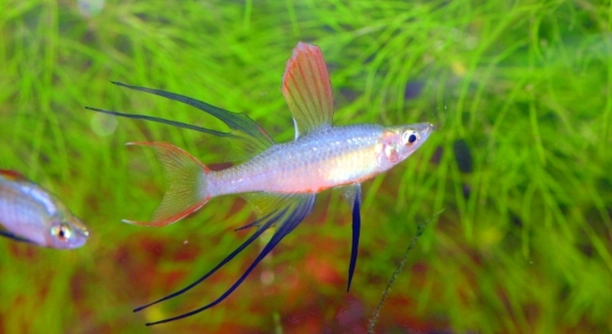
Threadfins are peaceful fish that many hobbyists enjoy keeping in home aquariums. Observing their behavior is important because subtle changes can indicate discomfort or dissatisfaction with their environment and surroundings.
Threadfins often show clear signs when they dislike the substrate. These indicators include unusual swimming patterns, resting in corners, excessive digging, fin clamping, reduced feeding, color dulling, and increased stress behaviors, which suggest the substrate may be unsuitable for their needs.
Recognizing these signs early can help improve the fish’s comfort and overall health in the aquarium environment. Proper substrate choices are key to maintaining happy, thriving threadfins.
Restless Swimming Patterns
Threadfins often swim in unusual ways when they are uncomfortable with the substrate. They may dart around the tank quickly, swim near the surface more than usual, or avoid certain areas entirely. These movements can be subtle at first, like slight hesitation when crossing a section of the tank floor. Sometimes, they hover over smooth patches and explore rocky or textured areas excessively. Observing how they interact with the bottom can give clear clues. A substrate that is too coarse may scratch their fins or body, while one that is too fine may feel unstable under their delicate fins. Over time, these patterns become consistent, showing a clear preference or avoidance. Paying attention to these swimming behaviors allows you to adjust the substrate type or arrangement, helping the fish feel secure. Monitoring these actions regularly can prevent stress and health issues caused by unsuitable surfaces.
Restless swimming often signals dissatisfaction with the substrate. Threadfins need stable and comfortable surfaces to feel secure.
Small changes in substrate texture or placement can greatly influence how threadfins move. Adjusting sand, gravel, or mixed substrates improves their comfort and promotes natural swimming behavior.
Excessive Digging or Scraping
Some threadfins will dig or scrape the bottom when unhappy with the substrate. They may push gravel around, flip sand, or constantly explore the same patch. These actions are attempts to find a surface that feels right or to relieve discomfort. Over time, repeated digging can disturb plants or decorations and even stress the fish. A substrate that is too sharp, uneven, or unstable can trigger this behavior. Observing when and where they dig provides insight into their preferences. Layering soft sand or fine gravel in areas they frequent often reduces these actions. Ensuring the substrate is smooth and consistent will make the tank more inviting and safer for them. Regular cleaning and maintenance prevent the substrate from becoming compacted or rough, which can also lead to scraping and digging behaviors.
Excessive digging clearly indicates discomfort with the tank floor or texture.
Making thoughtful substrate choices, including checking for sharp edges and fine textures, ensures threadfins remain active, calm, and healthy. Adjusting layers and monitoring changes helps maintain a stable environment while minimizing stress and potential injuries.
Fin Clamping
Fin clamping is a common sign that threadfins are unhappy with their substrate. They keep their fins close to their body, reduce movement, and appear tense. This behavior is often paired with hiding or resting in corners of the tank.
Threadfins clamp their fins when they feel insecure or stressed by the substrate. Rough gravel or sharp surfaces can cause minor injuries or irritation, prompting them to reduce fin movement. Similarly, uneven surfaces may make them feel unstable while resting or swimming near the bottom. Consistent fin clamping over days suggests the substrate is unsuitable and should be adjusted. Observing this behavior alongside other signs like digging or unusual swimming helps confirm the source of discomfort. Choosing smooth, soft, or layered substrates can prevent fin clamping and support healthier, calmer activity.
Adjusting the substrate to softer sand or rounded gravel often relieves fin clamping. Monitoring behavior daily ensures threadfins remain comfortable, reducing stress and preventing injuries.
Reduced Feeding
Threadfins may eat less when they dislike the substrate. Stress or discomfort can suppress appetite and make them less interested in their usual food.
A threadfin’s appetite is sensitive to its surroundings. If the substrate feels rough, unstable, or irritating, the fish may spend more time avoiding the bottom than foraging. Over time, this reduced feeding can affect growth, color, and overall health. Even slight changes in texture or substrate composition can lead to noticeable declines in interest during feeding times. Providing a soft, uniform substrate and keeping areas clean encourages natural foraging and reduces stress. Paying attention to feeding behavior alongside other signs ensures the substrate is supporting, not harming, their comfort. Regular observation and small adjustments can restore normal feeding patterns.
Balancing substrate texture with feeding areas improves appetite and promotes active, healthy fish. Ensuring threadfins feel secure encourages consistent interest in their diet and environment.
Color Dulling
Threadfins often show duller colors when they dislike the substrate. Their usual bright tones fade, and they may appear washed out, signaling stress or discomfort.
This change happens because stress affects pigment expression. Substrate that is too rough, sharp, or unfamiliar can make threadfins feel insecure, leading to temporary color loss.
Resting in Corners
Threadfins tend to stay in corners or along tank edges when unhappy with the substrate. They avoid open areas and remain close to stable surfaces, limiting movement.
This behavior indicates discomfort with the bottom surface. Uneven or rough substrates can make them feel unsafe while exploring, causing them to restrict activity and hide. Remaining in corners is a coping mechanism to reduce stress and maintain a sense of security.
Increased Stress Behaviors
Threadfins may exhibit jittery movements, rapid gill motion, or constant fin fluttering when stressed by substrate. These behaviors signal agitation and persistent discomfort.
Paying attention to these subtle signs allows timely adjustments to the substrate. Choosing softer, more uniform surfaces can reduce stress and encourage natural, relaxed behaviors.
FAQ
How do I know if my threadfins dislike the substrate?
Signs include unusual swimming patterns, hiding in corners, digging excessively, clamped fins, reduced feeding, dull colors, and increased stress behaviors. Observing these consistently over several days usually indicates the substrate may be uncomfortable or unsuitable for their needs.
Can the wrong substrate harm my threadfins?
Yes. Rough or sharp substrates can cause physical injuries like fin tears or scratches. Fine sand that compacts too much can trap debris and irritate skin. Both situations increase stress levels, weaken immunity, and make fish more susceptible to disease.
What type of substrate is best for threadfins?
Threadfins generally prefer soft, fine sand or smooth, rounded gravel. A stable surface that does not shift excessively or scratch their fins is ideal. Layering finer sand over larger pebbles can provide both comfort and natural exploration areas.
How often should I check the substrate condition?
Regular inspection is important. At least once a week, observe for debris buildup, rough patches, or areas that shift too easily. Adjusting and cleaning the substrate prevents discomfort and supports healthier behavior.
Can substrate changes stress threadfins?
Yes, sudden changes may cause temporary stress. Gradual adjustments, like adding a new layer over existing substrate or slowly mixing in smoother materials, help them adapt without triggering agitation or hiding behaviors.
Is digging always a bad sign?
Not always. Threadfins may dig out of curiosity or foraging instinct. However, excessive or repetitive digging, particularly in the same areas, often indicates dissatisfaction with the substrate texture or layout. Monitoring the frequency helps distinguish normal behavior from stress.
How can I reduce stress if my threadfins dislike the substrate?
Start by providing softer, uniform substrates and removing sharp or rough particles. Add gentle decorations or hiding spots to make the environment feel secure. Ensure water quality is optimal, as poor water conditions combined with uncomfortable substrate can amplify stress responses.
Do threadfins adapt to any substrate over time?
Some adaptation is possible, but it depends on the substrate’s comfort and stability. Fish may eventually tolerate slightly rough or uneven surfaces, but persistent signs of stress or color dulling indicate ongoing discomfort, meaning a change is necessary.
Can substrate affect feeding habits?
Yes. Uncomfortable substrates may make threadfins avoid the bottom where food settles, reducing appetite and nutrient intake. Soft, stable surfaces encourage natural foraging, promoting better feeding behavior and overall health.
How do I safely change the substrate?
Remove small amounts at a time while maintaining water quality. Rinse new substrate thoroughly and add it gradually to prevent cloudiness. Observe fish closely for stress during and after the process to ensure they adapt comfortably.
Are there any signs to watch for after changing the substrate?
Watch for increased swimming near the new surface, hesitation to explore, or renewed hiding in corners. If these behaviors persist, the texture or layout may still be unsuitable. Continuous observation ensures threadfins remain comfortable and stress-free.
Is substrate the only factor affecting threadfin comfort?
No. While substrate is important, water temperature, pH, flow, and tank decorations also influence comfort. A holistic approach combining proper substrate with optimal tank conditions supports healthy, happy threadfins.
How can I test if my threadfins like the new substrate?
Observe their behavior over several days. Look for relaxed swimming, normal feeding, reduced hiding, and fin spreading. Positive changes in these behaviors indicate that the substrate meets their preferences.
What’s the best way to mix different substrates?
Layer finer sand over smooth gravel or pebbles. Avoid sharp contrasts or unstable piles. Ensure the surface remains mostly even while leaving small areas for natural digging or exploration, supporting both comfort and environmental enrichment.
How long does it take for threadfins to adjust to a new substrate?
Adjustment periods vary. Some fish adapt in a few days, while others may take one to two weeks. Continuous observation and gradual introduction of changes help reduce stress and support natural behavior patterns.
Can substrate affect breeding behavior?
Yes. Threadfins often prefer softer, secure surfaces for spawning. Rough or unstable substrate may inhibit natural breeding behaviors, while a comfortable, well-maintained floor encourages activity and reproductive instincts.
What should I avoid when choosing substrate?
Avoid sharp gravel, crushed coral, or uneven rocks that can injure fins. Extremely fine or compacting sand may trap waste. Colored or treated substrates with chemicals can also be harmful. Stick to natural, smooth materials suitable for their delicate bodies.
How often should substrate be replaced entirely?
Complete replacement is rarely needed if cleaned and maintained. Minor additions or leveling may suffice. Full replacement every 1–2 years is reasonable, depending on tank size, fish activity, and debris accumulation. Regular monitoring ensures threadfins remain comfortable and safe.
Can decorations improve substrate satisfaction?
Yes. Plants, smooth stones, or hiding spots can offset minor substrate discomfort. They create secure areas and reduce exposure to rough patches. Well-placed decorations enhance environmental enrichment and encourage natural behavior without fully changing the substrate.
What is the simplest way to know the substrate is right?
Consistent calm behavior, normal swimming, active feeding, vibrant colors, and minimal hiding indicate the substrate suits threadfins. Observing these signs over time ensures a safe and comfortable tank environment.
Threadfins are sensitive fish that respond to their environment in subtle ways. The substrate in their tank is one of the most important factors affecting their comfort and behavior. Choosing the right material can prevent stress, injuries, and health problems. Smooth, soft surfaces, like fine sand or rounded gravel, provide a stable and secure base. These substrates allow threadfins to move naturally, forage safely, and rest without fear of scraping or discomfort. Rough, sharp, or uneven surfaces can make them avoid certain areas, clamp their fins, or even reduce feeding. Observing their behavior regularly helps identify whether the current substrate is suitable or needs adjustment. It is also important to consider other tank conditions, such as water quality and decorations, alongside substrate choice. A well-balanced environment ensures threadfins remain active, healthy, and display their natural colors and behaviors.
Monitoring behavioral signs is key to maintaining a comfortable habitat. Unusual swimming patterns, hiding in corners, excessive digging, clamped fins, and color dulling are all signs that the substrate may not meet the fish’s needs. These behaviors should not be ignored because prolonged stress can lead to weaker immune systems and more serious health issues. Small changes, like adding a layer of softer sand, rearranging gravel, or smoothing rough edges, can make a noticeable difference. Even minor improvements in substrate texture or stability can encourage natural behavior and increase feeding interest. Maintaining the substrate also involves regular cleaning to prevent debris buildup and uneven surfaces. This simple routine can reduce stress and create a more inviting environment. Observing threadfins after any adjustments helps ensure that they are adapting well and that the tank setup supports their overall well-being.
It is important to remember that threadfins, like all fish, benefit from a thoughtful and consistent environment. The substrate is not the only factor affecting comfort, but it plays a major role in how secure and confident the fish feel. Combined with proper water parameters, adequate hiding spots, and gentle lighting, a suitable substrate helps threadfins thrive. Paying attention to the small details, such as texture, size, and stability of the substrate, can prevent many common issues before they arise. Threadfins show their satisfaction through natural swimming, active feeding, bright colors, and reduced stress behaviors. Maintaining these conditions requires observation, patience, and small adjustments when necessary. By focusing on substrate quality and overall tank conditions, owners can create a healthy, stable, and comfortable environment that promotes the long-term well-being of their threadfins. This care ensures that the fish remain active, vibrant, and stress-free for years to come.

Hello,
If you enjoy the content that we create, please consider saying a "Thank You!" by leaving a tip.
Every little bit helps us continue crafting quality advice that supports the health, happiness, and well-being of pets around the world, for pets of all shapes, sizes, and species.
We really appreciate the kindness and support that you show us!