
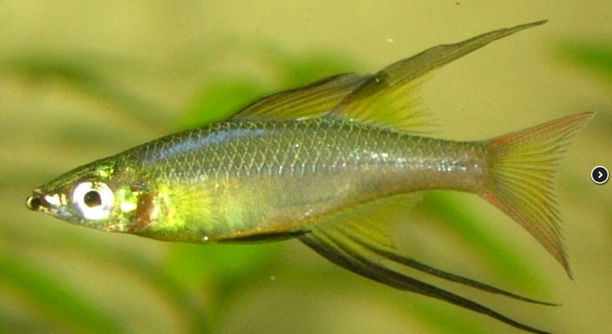
Paragraph 1: Threadfin rainbowfish are delicate freshwater fish that need proper care to stay healthy. Their circulation plays a big role in overall wellbeing and can affect their activity, color, and growth over time.
Paragraph 2: Poor circulation in threadfin rainbowfish can lead to lethargy, reduced appetite, stunted growth, pale coloration, weakened immunity, organ stress, and even increased susceptibility to diseases, all of which negatively impact their overall health and survival in captivity.
Paragraph 3: Understanding how poor circulation affects these fish helps aquarists take better care of them. This knowledge can improve their quality of life and ensure they thrive in a healthy aquatic environment.
Lethargy and Reduced Activity
Threadfin rainbowfish with poor circulation often become noticeably less active. They may linger near the bottom of the tank, showing little interest in swimming or exploring. This sluggish behavior occurs because their muscles and organs are not receiving enough oxygen and nutrients to function properly. Over time, this can affect their strength and coordination, making them more vulnerable to stress or sudden changes in water conditions. Observing their daily routines can reveal early signs of lethargy, allowing prompt intervention. Adjusting tank conditions, like temperature and oxygen levels, and improving diet can help boost circulation and restore normal activity levels. Paying attention to swimming patterns is especially important in community tanks, where weaker fish may struggle to compete for food. Even minor improvements in circulation can lead to noticeable changes in behavior. Consistent monitoring ensures these fish maintain energy levels necessary for growth, reproduction, and overall wellbeing.
Reduced activity can signal serious circulation issues requiring immediate attention to prevent further health decline.
Maintaining a consistent feeding schedule and offering high-quality, nutrient-rich food helps support better circulation. Regular water changes and monitoring oxygen levels also contribute to healthier movement and energy in threadfin rainbowfish.
Pale Coloration
Pale or faded coloration is a clear sign of poor circulation in threadfin rainbowfish.
When blood flow is insufficient, oxygen and nutrients fail to reach the skin and fins effectively. This causes colors to dull, and bright patterns can fade entirely.
Fading colors are not just cosmetic; they indicate internal stress. Fish with weakened circulation may also show slow healing of injuries, reduced immune function, and a lack of vitality in daily behaviors. Stressful environments, poor water quality, or inadequate nutrition can worsen circulation problems and further impact coloration. Ensuring clean water, proper temperature, and balanced nutrition supports healthy blood flow and helps colors return over time. Observing subtle changes in color early allows for timely adjustments in care. Correcting these factors can prevent long-term damage, promote recovery, and enhance the visual appeal of threadfin rainbowfish in home aquariums. Keeping a consistent routine with attention to water parameters ensures these fish maintain their vibrant hues and overall health.
Stunted Growth
Poor circulation can slow the growth of threadfin rainbowfish. Fish may remain smaller than expected despite proper feeding and tank care.
Limited blood flow reduces the supply of oxygen and nutrients needed for cell development. This can result in delayed growth and underdeveloped fins. Young fish are especially vulnerable, as their bodies require more energy to grow and strengthen. Over time, stunted growth can affect overall health, making the fish weaker and less resilient to environmental changes or diseases. Correcting circulation problems early ensures the fish reach their full size potential and maintain proper physical development throughout life.
Consistent monitoring of growth patterns alongside water quality and diet adjustments helps improve circulation. Providing a nutrient-rich diet and maintaining optimal tank conditions supports normal growth.
Regular observation can catch slow growth early, allowing interventions like improved nutrition and increased oxygen levels to restore healthy development.
Weakened Immunity
Poor circulation compromises the immune system of threadfin rainbowfish, making them more prone to infections and illnesses. This weakened state can lead to frequent health issues.
Inadequate blood flow limits the distribution of immune cells throughout the body, reducing the fish’s ability to fight off pathogens. Common infections may appear as fin rot, white spots, or lethargy. Stress from poor circulation further suppresses immunity, leaving the fish vulnerable even to minor environmental changes. Strengthening circulation through proper tank maintenance, temperature control, and high-quality food improves immune function. Supplements like vitamins and minerals can support recovery and enhance resilience. Early detection of weakened immunity allows for preventative care, preventing serious health complications and improving long-term survival.
Ensuring stable water conditions, regular feeding, and observation of behavioral changes helps protect fish from disease. Healthy circulation supports immunity, leading to stronger, more active threadfin rainbowfish that can thrive in their environment.
Organ Stress
Poor circulation puts extra strain on the organs of threadfin rainbowfish. Vital organs receive less oxygen and nutrients, which can lead to long-term damage if not addressed promptly.
The heart, liver, and kidneys are particularly affected. Over time, this stress can reduce overall organ function, impacting digestion, metabolism, and waste removal, making the fish more susceptible to illness.
Increased Susceptibility to Disease
When circulation is weak, threadfin rainbowfish struggle to fight off infections. Pathogens spread more easily, and minor injuries may become severe. Maintaining clean water, balanced nutrition, and stable tank conditions helps reduce disease risk. Proper care supports circulation and strengthens the fish’s natural defenses.
Reduced Appetite
Poor blood flow can make fish less interested in food. They may skip meals or eat smaller amounts. This can lead to weight loss and lower energy levels, compounding health problems caused by circulation issues.
FAQ
What causes poor circulation in threadfin rainbowfish?
Poor circulation is often caused by a combination of environmental and dietary factors. Low oxygen levels, poor water quality, or high water temperature can reduce blood flow. Additionally, inadequate nutrition lacking essential vitamins and minerals may weaken the cardiovascular system, limiting oxygen and nutrient transport. Stressful tank conditions, such as overcrowding or sudden changes in water parameters, can also exacerbate circulation issues, making fish more prone to lethargy, weakened immunity, and stunted growth. Ensuring stable conditions and a balanced diet is key to preventing poor circulation.
How can I recognize early signs of circulation problems?
Early signs include decreased activity, faded coloration, and reduced appetite. Fish may swim sluggishly, linger near the bottom of the tank, or show slower responses to feeding and interactions. Monitoring these subtle changes helps detect problems before they worsen. Additional signs include small or underdeveloped fins, minor swelling, or difficulty maintaining balance in the water. Regular observation of swimming patterns, eating behavior, and color vibrancy is essential. Promptly addressing any irregularities with water quality checks, improved nutrition, or tank adjustments can prevent serious complications.
Can diet improve circulation in my fish?
Yes, providing a nutrient-rich diet supports proper blood flow and overall health. High-quality flake or pellet foods enriched with vitamins, minerals, and omega fatty acids improve cardiovascular function and tissue health. Supplements like vitamin C and E, when given carefully, may strengthen immunity and aid recovery from poor circulation. Live or frozen foods such as brine shrimp or daphnia also provide protein and essential nutrients that promote growth and energy. Feeding smaller portions multiple times a day ensures better digestion and absorption, helping maintain consistent energy levels and supporting healthy circulation over time.
Are water conditions important for circulation?
Absolutely. Oxygen levels, temperature, and cleanliness directly impact blood flow. Low oxygen reduces the ability of blood to deliver nutrients to organs, while poor water quality causes stress that further weakens circulation. Maintaining stable temperatures and performing regular water changes improves overall tank health and supports stronger cardiovascular function. Adding aeration or gentle filtration can increase oxygen availability. Avoid sudden temperature fluctuations, and keep the tank free from excess waste and chemicals that may harm the fish. Healthy water conditions create a safer, more stable environment that promotes better circulation and overall vitality.
What are the risks if poor circulation goes untreated?
Untreated circulation problems can lead to serious health complications, including stunted growth, organ damage, reduced immunity, and increased susceptibility to disease. Chronic stress and lack of nutrients may eventually result in death. Early recognition and intervention are critical to prevent long-term damage. By addressing water quality, diet, and tank conditions, fish can recover more effectively. Failure to act promptly can also affect tank mates, as weaker fish may become targets of aggression or fail to compete for food, leading to further health decline in the aquarium ecosystem.
How can I support recovery after poor circulation?
Support recovery by improving diet, stabilizing water conditions, and reducing stress. Offer high-quality, nutrient-rich food multiple times a day to ensure proper nutrient absorption. Maintain clean, oxygen-rich water with consistent temperature and gentle filtration. Minimize disturbances in the tank, reduce overcrowding, and monitor behavior closely. In some cases, adding natural supplements or vitamins under careful guidance can aid healing. Recovery may take several weeks, so patience and consistent care are essential. Regular observation ensures the fish regain energy, normal coloration, and proper activity levels while reducing the risk of recurring circulation issues.
Can stress affect circulation in threadfin rainbowfish?
Yes, stress has a direct impact on circulation. Factors like sudden changes in water parameters, aggressive tank mates, overcrowding, and loud vibrations can increase stress hormones. These hormones restrict blood flow to non-essential organs, reduce immunity, and limit energy for normal activity. Maintaining a calm and stable environment helps keep circulation strong and supports overall health. Providing hiding spaces and minimizing disruptions reduces stress, which in turn promotes better blood flow, stronger immunity, and healthier behavior in threadfin rainbowfish. Consistency in tank care is critical to prevent stress-related circulation issues.
Is it possible to prevent circulation problems entirely?
While no measure guarantees prevention, maintaining optimal tank conditions, a balanced diet, and low stress levels greatly reduces the risk. Regular monitoring of behavior, water quality, and fish appearance allows early intervention. Combining good nutrition, clean water, and minimal stress ensures threadfin rainbowfish are less likely to develop circulation-related health issues and thrive in the aquarium.
This FAQ covers common concerns about circulation, offering actionable steps to monitor, prevent, and support recovery in threadfin rainbowfish.
Final Thoughts
Caring for threadfin rainbowfish requires consistent attention to their overall health, and circulation plays a crucial role in keeping them active and thriving. Poor blood flow affects nearly every aspect of their wellbeing, from energy levels and appetite to coloration and growth. Fish with weak circulation may show subtle signs, such as lingering near the bottom of the tank or appearing less interested in food, but these small changes can signal larger internal issues. Addressing circulation problems early is essential, as it prevents long-term health complications like organ stress, reduced immunity, and increased vulnerability to disease. Maintaining a clean tank with stable water parameters, along with a balanced and nutrient-rich diet, supports proper blood flow and overall vitality. Even small adjustments, like improving oxygen levels or feeding high-quality food, can make a noticeable difference in a fish’s energy and coloration over time. Paying attention to these factors ensures threadfin rainbowfish live healthier, longer lives while remaining visually vibrant in the aquarium.
Monitoring your fish regularly is one of the simplest ways to prevent serious circulation problems. Observing daily behaviors, swimming patterns, and feeding habits helps identify any irregularities before they become severe. Changes in activity or color may be the first indicators that circulation is compromised, and acting quickly can prevent more serious issues from developing. Alongside careful observation, maintaining consistent tank care is key. Regular water changes, proper filtration, and careful attention to temperature and oxygen levels create an environment where blood flow can remain strong and organs function optimally. Providing a balanced diet with adequate vitamins, minerals, and proteins further supports circulation and overall health. By combining consistent monitoring with stable tank conditions and proper nutrition, you create a supportive environment that allows threadfin rainbowfish to grow, stay active, and resist disease more effectively. Taking these steps not only improves their health but also ensures that their natural beauty and behavior remain vibrant for longer periods.
Finally, circulation should be considered an essential part of routine care rather than a minor concern. Threadfin rainbowfish depend on healthy blood flow to maintain energy, coloration, and overall resilience. Problems with circulation are often preventable with attentive care, proper diet, and a stable environment. Even if issues arise, early detection allows for targeted interventions that can restore health and prevent permanent damage. Investing time in observing and supporting your fish creates a more rewarding experience, as you will notice improvements in activity, color, and vitality. Over time, healthy circulation contributes to stronger fish that are better equipped to handle minor stressors and environmental changes. Ultimately, understanding and addressing circulation issues is not just about preventing illness—it is about ensuring threadfin rainbowfish thrive and continue to display the vibrant, energetic behavior that makes them a valued addition to any aquarium. Regular care, awareness, and thoughtful intervention work together to maintain their wellbeing and help them live long, healthy lives.

Hello,
If you enjoy the content that we create, please consider saying a "Thank You!" by leaving a tip.
Every little bit helps us continue crafting quality advice that supports the health, happiness, and well-being of pets around the world, for pets of all shapes, sizes, and species.
We really appreciate the kindness and support that you show us!