
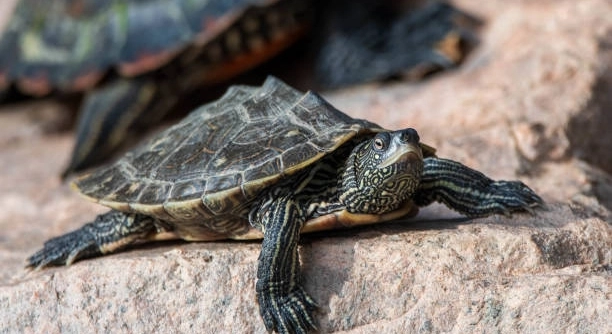
Some foods can pose serious health risks to map turtles, even if they seem harmless. Understanding what to avoid is essential for their well-being and long-term health. Let’s explore the foods they should never eat.
Map turtles should not eat foods high in fat, processed items, or those containing harmful substances like oxalates or toxins. Such foods can cause digestive issues, malnutrition, and even long-term health complications for your pet turtles.
Proper nutrition is key to keeping your map turtles healthy and happy. Avoiding these harmful foods is a crucial step in their care routine.
Foods High in Fat
Feeding map turtles foods high in fat, like fried snacks or fatty meats, can negatively impact their health. These foods are difficult for them to digest and may lead to obesity, which can stress their organs and reduce their lifespan. A balanced diet is crucial to maintain their activity and ensure they thrive. Stick to healthy options like leafy greens, aquatic plants, and specially formulated turtle pellets. By avoiding fatty treats, you’ll help your map turtle stay active and healthy for years to come.
Fatty foods not only disrupt their digestion but also cause long-term health issues, like heart problems. These risks are avoidable with proper dietary care.
When choosing foods for your map turtle, focus on natural and nutrient-rich options. Small adjustments to their diet, like eliminating high-fat items, make a big difference in their overall well-being and energy levels.
Toxic Foods
Certain foods, such as onions, garlic, and chocolate, contain compounds that are highly toxic to map turtles. Even small amounts of these items can lead to severe symptoms, including vomiting, lethargy, and even death. Avoid offering these ingredients at all costs, as their systems are not equipped to process them safely.
Map turtles are particularly sensitive to oxalates found in foods like spinach, rhubarb, and beets. Oxalates bind to calcium, reducing its absorption, which is critical for turtles’ shell health. Over time, this deficiency can weaken their shells and lead to serious complications.
To ensure your turtle’s health, provide a varied diet that excludes these harmful items. Safe food choices include aquatic plants, insects, and turtle-safe fruits in moderation. Prioritizing their needs helps prevent unnecessary risks and keeps them in excellent condition.
Processed Foods
Processed foods, such as chips, crackers, and bread, lack the nutrients map turtles need to thrive. These items often contain additives, preservatives, and excess sodium, which can harm their digestive system and lead to dehydration or other health complications over time.
Feeding processed foods to map turtles can disrupt their natural diet and harm their internal systems. For example, sodium levels in many processed items can overstress their kidneys, while artificial additives can interfere with their digestion. Even small amounts of these foods can cause discomfort and digestive upset. Sticking to natural food sources ensures they receive proper nutrition.
To maintain their health, avoid feeding them processed snacks altogether. Focus on providing a balanced diet of fresh vegetables, live or dried insects, and quality turtle pellets. By eliminating processed foods, you support their overall well-being and prevent unnecessary health issues.
Dairy Products
Dairy products, including milk, cheese, and yogurt, are not suitable for map turtles. Their digestive systems lack the enzymes needed to process lactose, leading to bloating, diarrhea, and discomfort. Avoid offering dairy to your turtles to prevent these complications.
Feeding dairy products to map turtles can cause significant digestive distress. Their systems are not designed to handle animal milk or its derivatives, resulting in symptoms like gas, abdominal pain, and poor nutrient absorption. Even occasional consumption can lead to long-term issues, as their bodies cannot process these items effectively.
Instead of dairy, opt for calcium-rich alternatives like cuttlebone or calcium supplements designed for reptiles. These provide the nutrients turtles need for strong shells and healthy development without the risks associated with dairy. Prioritizing appropriate options ensures your map turtle stays healthy and active.
Raw Meat
Feeding raw meat to map turtles may expose them to harmful bacteria like Salmonella, which can cause severe health issues. Additionally, raw meat lacks the necessary nutrients turtles need for a balanced and healthy diet.
A diet that includes raw meat can lead to nutritional imbalances and potential contamination. Stick to safer protein sources, such as live or dried insects, which provide essential nutrients without the risks associated with raw meat.
Sugary Foods
Sugary foods, including candy and baked goods, should never be given to map turtles. These foods can disrupt their metabolism, leading to obesity and long-term health issues. Stick to natural, turtle-safe fruits for occasional treats.
Citrus Fruits
Citrus fruits, like oranges and lemons, are too acidic for map turtles. The high acid content can irritate their digestive system, causing discomfort and potential long-term damage. Avoid feeding them any citrus-based foods.
FAQ
Can map turtles eat bread?
No, map turtles should not eat bread. Bread lacks the nutrients they require and can cause digestive problems, such as bloating or gas. Additionally, bread can expand in their stomachs, leading to discomfort or potential blockages. Stick to nutrient-dense foods like aquatic plants or turtle pellets instead.
Why are spinach and rhubarb harmful to map turtles?
Spinach and rhubarb contain oxalates, which bind to calcium and prevent its absorption. Calcium is essential for healthy shells and bones in turtles, and a lack of it can cause developmental issues or shell deformities. It’s best to avoid these foods entirely and choose calcium-rich alternatives, such as cuttlebone.
Can map turtles eat fruits?
Yes, but only certain types of fruits in moderation. Non-acidic fruits like apples, berries, or melons are generally safe, while citrus fruits should be avoided due to their high acid content. Too much fruit can lead to sugar imbalances, so treat it as an occasional snack.
Is feeding live prey safe for map turtles?
Yes, live prey like insects or small feeder fish can be a healthy addition to their diet. These provide essential proteins and stimulate natural hunting behaviors. However, ensure the prey is clean and free from pesticides or contaminants to prevent health risks.
What happens if a map turtle eats something harmful?
If a map turtle consumes a harmful food, monitor it closely for signs of distress, such as lethargy, loss of appetite, or vomiting. Contact a veterinarian immediately if symptoms persist. Early intervention can prevent serious complications or long-term damage.
Can turtles eat dog or cat food?
No, dog and cat food are not suitable for turtles. These foods are high in protein and fats, which can strain a turtle’s organs and lead to health problems like obesity or liver disease. Stick to foods formulated specifically for turtles.
How often should I feed my map turtle?
Adult map turtles should be fed every two to three days, while juveniles may need daily feedings. Provide a varied diet that includes aquatic plants, insects, and pellets to ensure they receive balanced nutrition. Overfeeding can lead to health issues, so portion sizes are crucial.
Are commercial turtle treats safe?
Commercial turtle treats can be safe if used sparingly and as part of a balanced diet. Always read the ingredients to ensure they don’t contain harmful additives or high levels of sugar. Treats should not replace their regular, nutrient-rich meals.
Why is variety important in a map turtle’s diet?
A varied diet ensures your map turtle receives all the nutrients it needs for optimal health. Limiting their diet to just one or two food items can lead to deficiencies and health issues. Rotate foods like vegetables, proteins, and pellets for a well-rounded diet.
Can I feed my map turtle plants from my garden?
Only if you’re certain they are non-toxic and pesticide-free. Many common garden plants, like ivy or oleander, are toxic to turtles. Research thoroughly before introducing any new plant to your turtle’s diet to avoid accidental poisoning.
How do I know if my turtle’s diet is balanced?
A healthy map turtle will have clear eyes, a smooth shell, and consistent activity levels. Regular veterinary checkups can also help ensure their diet meets their needs. Adjust their feeding habits if you notice signs of malnutrition, such as soft shells or sluggish behavior.
Final Thoughts
Caring for a map turtle requires careful attention to its diet. Providing the right balance of nutrients ensures their long-term health and well-being. Foods like aquatic plants, high-quality turtle pellets, and occasional live prey can create a diet that closely mimics their natural environment. Avoiding harmful foods, such as citrus fruits, bread, or spinach, is equally important to prevent health issues. A varied and mindful diet helps maintain their energy, shell strength, and overall vitality.
It’s essential to observe your map turtle’s behavior and adjust its diet as needed. Changes in activity levels, appetite, or shell condition can indicate nutritional imbalances or other concerns. Regular veterinary checkups can provide further guidance, ensuring you’re meeting your turtle’s dietary needs. Taking small, informed steps—such as researching safe foods and monitoring feeding portions—can make a significant difference in their quality of life.
Providing a healthy diet for your map turtle isn’t just about avoiding harmful foods; it’s about understanding their unique needs. By sticking to safe, nutrient-rich options and staying informed, you can help your turtle thrive for years to come. A little extra care goes a long way in ensuring they live a happy, healthy life.

Hello,
If you enjoy the content that we create, please consider saying a "Thank You!" by leaving a tip.
Every little bit helps us continue crafting quality advice that supports the health, happiness, and well-being of pets around the world, for pets of all shapes, sizes, and species.
We really appreciate the kindness and support that you show us!