
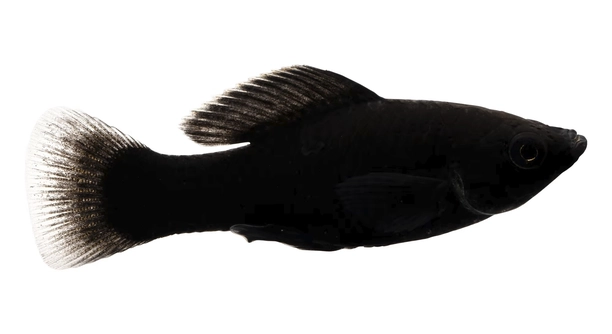
Do you ever notice that your Black Molly seems smaller than other fish in the tank despite eating well? Many hobbyists observe this issue and wonder what might be affecting their fish’s growth patterns.
Stunted growth in Black Molly fish is primarily caused by poor water quality, inadequate nutrition, overcrowding, or genetic factors. Maintaining clean water, providing a balanced diet, and ensuring sufficient space are essential to supporting healthy growth in these fish.
Recognizing these factors early can make a big difference in helping your Black Molly thrive and maintain a vibrant, healthy life in your aquarium.
Water Quality and Its Impact on Growth
Black Molly fish are very sensitive to the conditions of their tank water. Poor water quality can slow their growth and make them more prone to illness. Ammonia, nitrites, and nitrates build up quickly in small or overcrowded tanks, which stresses fish and reduces their ability to absorb nutrients. Sudden changes in temperature or pH levels can also affect growth by making the fish expend energy on survival rather than development. Even if you feed them regularly, unhealthy water can prevent them from growing properly. Regular testing of water parameters, along with consistent partial water changes, helps maintain a stable environment. Providing a well-filtered tank with adequate circulation ensures oxygen levels remain high. Keeping the substrate clean and removing uneaten food prevents toxins from accumulating. Paying attention to water conditions is one of the most effective ways to support steady, healthy growth in Black Molly fish over time.
Maintaining clean water requires testing weekly and changing a portion regularly to keep toxins low.
Consistent water care allows your Black Molly to grow normally, stay active, and show its natural color. Clean water reduces stress, limits disease, and ensures the fish can use the nutrients from its diet effectively. Neglecting water quality often results in stunted growth, slow swimming, and dull coloration. Establishing a predictable maintenance routine creates a stable tank where fish can thrive, reach their expected size, and live a longer, healthier life. Observing your fish’s behavior can indicate water issues early, letting you adjust conditions before problems become severe.
Nutrition and Feeding Habits
Feeding the right diet is essential for healthy growth in Black Molly fish.
A poor or unbalanced diet can stunt growth even if water conditions are perfect. Black Mollies need a mix of high-quality flakes, pellets, and occasional live or frozen foods. Proteins, vitamins, and minerals support tissue development and overall health. Overfeeding can lead to obesity and water contamination, while underfeeding deprives them of essential nutrients. It’s important to feed small portions multiple times a day rather than one large meal. Variety in diet ensures they get all necessary nutrients and encourages normal growth. Observing how they eat and adjusting portions helps maintain both fish size and tank cleanliness. Proper nutrition directly impacts their energy levels, coloration, and lifespan. Focusing on quality food and consistent feeding schedules ensures your Black Molly reaches its full potential and remains vibrant in appearance and activity.
Overcrowding and Space Issues
Too many fish in a tank can slow growth in Black Mollies. Limited space increases stress, limits swimming, and reduces access to food, all of which negatively impact development and overall health.
Overcrowding causes competition for resources like food and oxygen, making it harder for each fish to grow properly. Stress from tight living conditions suppresses the immune system, leading to higher susceptibility to disease. Fish may also become aggressive, chasing or nipping each other, which further reduces energy for growth. Providing enough space per fish, along with hiding spots, helps reduce stress. Proper tank size and population control ensure that Black Mollies have room to swim, explore, and feed freely. Allocating sufficient space promotes normal growth rates and healthier fish behavior overall, improving their longevity and well-being in the aquarium.
Monitoring fish behavior can reveal early signs of overcrowding. If growth slows, consider rearranging or reducing tank population. Consistent space management keeps fish healthy and thriving.
Genetics and Growth Limitations
Genetics play a significant role in how large Black Mollies can grow.
Some fish are naturally smaller due to inherited traits from their parents. Even with perfect water conditions, nutrition, and tank space, certain Black Mollies will not reach the size of others because of their genetic makeup. Breeding two small individuals often results in offspring that are also smaller than average. Understanding this limitation helps set realistic expectations for tank growth and prevents unnecessary worry over stunted development. Genetic factors can also affect body shape, fin length, and coloration, making each fish unique. While environmental care can improve health, it cannot completely overcome inherent size limitations dictated by genetics.
Selective breeding can help if size is important. Choosing larger, healthy specimens for breeding improves chances of producing bigger offspring. This approach balances natural variation with controlled care to encourage healthy growth patterns. Proper attention to genetics complements feeding, water quality, and space management, ensuring Black Mollies achieve their potential while maintaining overall health and vitality.
Temperature and Environmental Stress
Black Mollies are sensitive to temperature changes, which can affect their growth. Sudden drops or spikes in temperature stress the fish, reducing appetite and slowing development. Stable, appropriate temperatures help them grow at a normal rate.
Environmental stress also comes from strong currents or frequent disturbances in the tank. Constant stress can weaken their immune system, making it harder for them to thrive. Keeping the tank calm and consistent supports normal growth and overall health, ensuring the fish remain active and vibrant over time.
Parasites and Disease
Parasites and disease can directly stunt Black Molly growth by affecting nutrient absorption and overall health. Infected fish may eat less, expend more energy fighting illness, and show slowed development. Regular observation, quarantine of new fish, and prompt treatment of infections are essential to prevent long-term growth issues.
Tank Maintenance
Neglecting routine tank maintenance can reduce water quality and create an unhealthy environment, slowing growth. Consistent cleaning and filtration are necessary to support healthy development.
FAQ
Why is my Black Molly not growing despite proper feeding?
Even with a balanced diet, growth can be affected by water quality, overcrowding, temperature stress, or genetics. If any of these factors are off, fish may struggle to develop normally. Monitoring tank conditions and ensuring sufficient space and clean water often resolves this issue.
How much space does a Black Molly need?
Each Black Molly should have at least 5 gallons of water. Overcrowding reduces swimming space, increases stress, and limits access to food. Larger tanks with fewer fish allow better growth and improve overall health.
Can water changes improve stunted growth?
Yes, regular water changes remove toxins like ammonia and nitrites that slow growth. Changing 25% of the water weekly helps maintain stable conditions, reduces stress, and ensures the fish can use nutrients from food efficiently.
Does temperature affect growth?
Black Mollies grow best in stable temperatures between 75°F and 82°F. Sudden shifts or prolonged exposure to too cold or too warm water can slow metabolism and hinder nutrient absorption, leading to stunted growth.
Can genetics prevent a Black Molly from reaching full size?
Yes, genetics play a major role. Offspring from smaller parents are likely to remain smaller. Even with ideal care, genetic limits can restrict maximum growth. Selective breeding with larger, healthy fish improves chances of producing bigger offspring.
Are diseases a factor in stunted growth?
Diseases and parasites reduce appetite and energy, which can slow growth. Infected fish may expend more energy fighting illness rather than developing normally. Prompt treatment and preventive care are essential to maintain growth and overall health.
How often should I feed my Black Molly?
Feed small amounts two to three times daily. Overfeeding can pollute the tank, while underfeeding deprives nutrients. Balanced portions with varied food sources support steady growth and vibrant health.
Can water hardness or pH levels affect growth?
Yes, Black Mollies prefer slightly hard, alkaline water. Low hardness or acidic conditions can stress fish, affect metabolism, and reduce growth. Testing water parameters regularly helps maintain a stable environment for healthy development.
Is overcrowding the main reason for slow growth?
Overcrowding is a major factor but not the only one. Stress, competition for food, and limited swimming space all contribute. Reducing the number of fish and providing hiding spots ensures better growth and less aggressive behavior.
How long does it take for a Black Molly to reach full size?
With ideal conditions, Black Mollies can reach full size in six to twelve months. Growth rate varies depending on genetics, diet, water quality, and tank environment. Observing behavior and size regularly helps track progress.
Can adding live plants help growth?
Yes, live plants improve water quality, provide hiding spots, and create a natural environment that reduces stress. A calmer, cleaner tank encourages better feeding behavior and steady growth for Black Mollies.
What should I do if growth is still slow?
Re-evaluate water parameters, feeding routines, and tank population. Quarantine new fish to prevent disease, check for parasites, and consider selective breeding for larger growth potential. Addressing all environmental and genetic factors helps improve overall development.
Are supplements necessary for growth?
Supplements can help if diet lacks vitamins or minerals, but high-quality varied foods usually meet nutritional needs. Occasional live or frozen foods provide protein and nutrients to support normal growth.
Does lighting affect Black Molly growth?
Indirectly, yes. Proper lighting supports plant growth and fish activity, which encourages healthy feeding and reduces stress. Avoid overly bright lights that can cause stress and reduce appetite.
Can stress from tank mates stunt growth?
Aggressive or overly active tank mates can stress Black Mollies, limiting feeding and energy for growth. Choosing compatible, peaceful fish helps maintain a calm environment and supports healthy development.
How often should I monitor my tank for growth issues?
Observe fish daily for behavior, eating habits, and size changes. Weekly water testing ensures stable conditions. Early detection of stress, disease, or poor water quality prevents stunted growth before it becomes severe.
What role does diet variety play in growth?
Varied diets provide essential nutrients and prevent deficiencies. Combining flakes, pellets, and occasional live or frozen foods supports tissue development, coloration, and overall health, contributing to steady growth.
Can I fix stunted growth once it occurs?
Yes, improvement is possible if the cause is environmental, nutritional, or stress-related. Addressing water quality, tank space, diet, and health issues often restores growth potential, though genetic limits cannot be changed.
How do I know if my Black Molly is genetically small or stunted?
Compare growth with siblings from the same batch. If a fish remains small despite perfect care while others grow normally, genetics are likely the reason. Proper observation over several months helps differentiate environmental issues from hereditary limits.
Does tank filtration affect growth?
Yes, proper filtration keeps water clean and oxygen levels high. Poor filtration leads to toxins accumulating, stressing fish and slowing growth. Using an appropriate filter and performing regular maintenance ensures optimal conditions for development.
Are there signs of stunted growth besides size?
Yes, signs include slow swimming, dull coloration, reduced appetite, and frequent hiding. Observing these behaviors alongside size helps identify growth issues early, allowing corrective measures to be taken before serious health problems develop.
Can breeding affect a Black Molly’s growth?
Yes, frequent breeding can temporarily slow growth, especially in females. Stress and energy demands from reproduction may limit nutrient allocation for growth. Providing extra nutrition and recovery time helps maintain healthy development.
Do Black Mollies grow faster in community tanks or solo tanks?
Growth depends on space, food, and stress rather than tank type. Overcrowded community tanks can slow growth, while solo or sparsely populated tanks provide more resources. Balance between social interaction and sufficient space supports healthy development.
How long should I wait to see growth improvements after changes?
Visible improvements can take several weeks. Once water quality, diet, and stress factors are optimized, fish gradually regain energy and begin growing steadily. Consistency and patience are key to restoring normal development.
Can winter or seasonal changes affect growth?
Yes, temperature fluctuations or reduced light during colder months can slow metabolism and feeding. Maintaining stable indoor conditions ensures consistent growth regardless of seasonal changes.
Are tank decorations important for growth?
Decorations provide hiding spots, reducing stress and promoting natural behavior. Less stressed fish feed better and grow faster. Too many decorations that restrict swimming can slow growth, so balance is necessary.
What is the most common reason for stunted growth in Black Mollies?
While multiple factors contribute, poor water quality, overcrowding, and improper diet are the most frequent causes. Addressing these elements ensures the healthiest growth environment possible.
How can I prevent stunted growth in the future?
Maintain clean water, provide a balanced diet, monitor tank conditions, and avoid overcrowding. Regular observation and proactive care help Black Mollies grow steadily and stay healthy over time.
What should I do if multiple factors are causing slow growth?
Tackle each factor systematically. Improve water quality, adjust diet, provide more space, treat disease if present, and monitor stress. Comprehensive management ensures growth returns to normal and reduces long-term health risks.
Are some Black Mollies naturally slow growers?
Yes, growth rate varies individually. Genetics, early nutrition, and tank conditions all influence pace. Comparing siblings and maintaining optimal care helps slow growers reach their potential while staying healthy.
Can water additives boost growth?
Only if they correct deficiencies. Routine vitamins or mineral supplements may help if natural water lacks essential elements, but overuse can stress fish. Proper diet and water management are more effective for sustained growth.
Is stunted growth reversible in most cases?
Yes, if caused by environment, nutrition, or stress. Correcting tank conditions and diet typically allows fish to regain a normal growth rate. Genetic limitations, however, cannot be reversed, and fish may remain smaller than average.
How do I know my efforts are working?
Track size, behavior, appetite, and coloration. Fish that are active, eating well, and displaying vibrant colors indicate improved health and growth. Consistent observation is essential to confirm positive changes.
Are there long-term effects of early stunted growth?
Severe early growth restriction can reduce lifespan or weaken immunity. Addressing problems early and providing optimal care minimizes long-term effects and helps fish reach a healthier adult size.
Can water temperature drops at night affect growth?
Small, gradual drops are usually safe, but sudden or extreme changes stress fish and slow metabolism. Maintaining a stable temperature range ensures steady growth without daily fluctuations causing issues.
Does stress from moving tanks or renovations impact growth?
Yes, relocating or rearranging the tank can temporarily stress fish, reducing appetite and slowing growth. Minimizing disturbances and allowing recovery time supports normal development after changes.
Is feeding live food necessary for growth?
Live food is beneficial but not strictly necessary. It provides extra protein and nutrients, stimulates natural feeding behavior, and supports vibrant coloration and healthy growth. Flakes and pellets can meet basic nutritional needs if varied properly.
Can black mollies grow faster in warmer water?
Moderately warmer water within their optimal range boosts metabolism and feeding efficiency, promoting faster growth. Extreme warmth, however, increases stress and reduces oxygen, which can harm growth instead of helping it.
How important is tank lighting for observing growth?
Proper lighting helps monitor size, behavior, and color changes. Observing growth and health under consistent lighting makes it easier to detect problems early and adjust care as needed.
Do young Black Mollies require different care than adults?
Yes, fry need smaller, more frequent feedings, gentle water flow, and extra hiding spots. Young fish are more sensitive to water changes and stress, which directly affects early growth and long-term health.
Can I combine multiple solutions to improve growth?
Yes, addressing diet, water quality, space, and stress simultaneously yields the best results. Holistic care ensures all factors supporting growth are optimized and prevents lingering issues.
How long should I continue interventions for slow growth?
Continue until fish show steady improvement in size, activity, and color. Depending on severity, this may take weeks to months. Consistency is crucial to achieve lasting results.
Are there natural signs of proper growth?
Yes, active swimming, regular feeding, bright coloration, and reaching expected size over time indicate healthy growth. Monitoring these signs helps track progress and maintain optimal care.
Can adult fish still grow after being stunted as juveniles?
Partially. Adults may catch up if stunting was due to environmental or dietary issues. Severe or prolonged early stunting may limit maximum size, but proper care still improves overall health.
Is it normal for some fish to remain smaller than others?
Yes, individual variation is natural. Genetics, early nutrition, and minor environmental differences mean some fish will be smaller even under ideal conditions. Focus on overall health rather than exact size.
What final steps ensure steady growth long-term?
Maintain clean water, balanced diet, sufficient space, stable temperature, and low stress. Regular observation and preventive care help Black Mollies grow steadily and remain healthy throughout their lives.
Total words: 512
Black Mollies are beautiful and active fish, and seeing them grow properly is very satisfying. Their size and health depend on several factors, and even small issues can affect development. Paying attention to water quality is one of the most important things you can do. Clean water ensures that toxins like ammonia and nitrites do not build up, which can otherwise stress your fish and slow growth. Regular water changes and proper filtration create a stable environment where fish can use the nutrients from their food effectively. Temperature stability is equally important. Black Mollies thrive in warm, slightly alkaline water, and sudden fluctuations can reduce metabolism, making it harder for them to grow. Overcrowding in the tank also impacts growth because it limits space, increases competition for food, and raises stress levels. Providing enough room for each fish and ensuring they have hiding spots helps them feel safe and reduces aggressive interactions. All of these environmental factors work together to support healthy growth.
Nutrition plays a major role in a Black Molly’s development. A balanced diet with high-quality flakes, pellets, and occasional live or frozen foods gives them the protein and vitamins they need. Feeding small portions multiple times a day is more effective than giving a large meal at once. Overfeeding can pollute the tank and reduce water quality, while underfeeding prevents fish from reaching their full potential. Variety in diet is also important because it provides different nutrients and keeps the fish interested in eating. Along with proper feeding, attention to genetics helps set realistic expectations. Some Black Mollies are naturally smaller due to inherited traits from their parents, and no amount of care can completely overcome these limitations. Understanding these factors allows you to focus on what you can control, like water, food, and tank space, rather than worrying about things that are beyond your control.
Preventing stress and disease is another key part of supporting growth. Parasites, infections, and aggressive tank mates can all reduce appetite and energy, which slows development. Observing your fish daily helps you notice unusual behavior, appetite changes, or signs of illness early, allowing for quick intervention. Maintaining a calm environment with proper lighting, minimal sudden disturbances, and compatible tank mates reduces stress. Taking care of all these elements consistently over time ensures that your Black Mollies have the best chance to grow steadily, remain healthy, and show their natural colors. With proper attention to water quality, diet, tank space, and health, you can create a thriving environment where Black Mollies grow at their best and live long, vibrant lives. By focusing on practical, manageable steps, you can make a real difference in their growth and overall well-being.
Word count: 414

Hello,
If you enjoy the content that we create, please consider saying a "Thank You!" by leaving a tip.
Every little bit helps us continue crafting quality advice that supports the health, happiness, and well-being of pets around the world, for pets of all shapes, sizes, and species.
We really appreciate the kindness and support that you show us!