
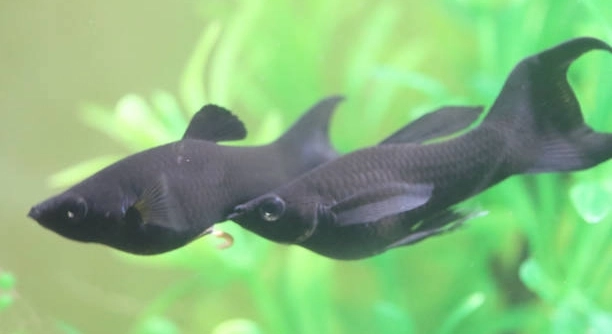
Acclimating Black Mollies can be exciting but challenging for new aquarists. These fish are sensitive to sudden changes, and even small mistakes during acclimation can stress them. Proper steps help ensure a smooth transition to their new environment.
The most common mistakes during Black Molly acclimation include sudden temperature changes, improper water parameters, overfeeding, incorrect introduction timing, insufficient quarantine, inadequate oxygenation, and rapid light exposure. Avoiding these errors promotes their health, reduces stress, and ensures successful adaptation.
Learning how to avoid these mistakes can save your fish from unnecessary stress and help them thrive in their new tank environment.
Sudden Temperature Changes
Black Mollies are very sensitive to temperature fluctuations. Moving them from one tank to another without gradually adjusting the water can cause shock. Even a few degrees can stress their system, leading to weakened immunity or illness. Using a drip acclimation method or slowly mixing tank water into the transport container helps them adjust safely. Avoid placing them directly into water that is too cold or too warm. Monitor the thermometer carefully to ensure the water remains stable throughout the process. Small adjustments over an hour or more are enough to protect them. Rapid changes can also affect their appetite and activity levels. Consistent water temperature is key during the first 24 hours in their new environment. Avoid overcompensating by heating or cooling too quickly, as this can worsen the problem. Observing your fish during acclimation can indicate if the temperature is suitable.
Maintaining a steady water temperature reduces stress and prevents health issues, keeping Black Mollies active and healthy during acclimation.
Careful temperature management ensures your Black Mollies settle smoothly. Gradual acclimation protects their health and promotes consistent activity in the new tank environment.
Improper Water Parameters
Black Mollies require specific water conditions, including pH, hardness, and salinity. Introducing them to water that is too acidic or soft can cause immediate stress. It is important to test both the existing tank and transport water before acclimation. Adjusting the tank gradually with buffers or conditioners helps match the parameters. Chlorine and heavy metals are especially harmful, so always use a dechlorinator. Ammonia and nitrite levels should be near zero before introducing new fish. Sudden shifts in salinity, especially for brackish-tolerant Black Mollies, can affect their gill function and overall health. Filtration, aeration, and water circulation should be stable to maintain these conditions. By creating an environment similar to their previous habitat, they will experience less stress and adapt more quickly. Consistent monitoring in the first week ensures any minor imbalances are corrected early.
Matching water parameters carefully reduces stress and ensures that Black Mollies thrive. Proper water management during acclimation is essential for their survival.
Overfeeding During Acclimation
Overfeeding can stress Black Mollies, especially when they are adjusting to a new tank. Uneaten food decomposes quickly, affecting water quality. Feed small amounts only, just enough for them to eat within a few minutes, and avoid adding extra until they settle in.
Black Mollies have sensitive digestive systems, and sudden changes in diet can cause bloating or constipation. Introducing new foods too quickly or in large amounts can worsen stress during acclimation. It is better to provide familiar foods from their previous tank, gradually mixing in new options once they are eating regularly. Consistent feeding times help them adjust. Monitoring their behavior after each feeding gives insight into their comfort level. Removing uneaten food promptly prevents ammonia spikes, which can harm delicate fish.
By controlling portion sizes and frequency, you maintain water quality and reduce stress. This ensures that Black Mollies remain healthy and active during their first days in the tank.
Inadequate Quarantine
Skipping quarantine exposes existing fish and new Black Mollies to potential disease outbreaks. Even healthy-looking fish can carry pathogens, which may spread quickly in a shared tank. Quarantine tanks allow observation for early signs of illness.
A proper quarantine period should last at least two weeks. During this time, watch for abnormal behavior, spots, or changes in appetite. This period also allows gradual acclimation to water conditions, feeding routines, and social interactions without putting established fish at risk. Medications or treatments, if needed, are easier to manage in isolation. Quarantine tanks should mimic the main tank environment in temperature, pH, and filtration to reduce stress. By separating new arrivals, you prevent outbreaks and protect the health of all your fish.
Quarantining ensures that Black Mollies adapt safely while minimizing disease risk. Early detection and controlled conditions make a significant difference in their survival and long-term health.
Rapid Light Exposure
Sudden bright light can stress Black Mollies when they are new to a tank. Dim the lighting initially and gradually increase brightness over several days. This helps them acclimate without panic or hiding.
Stress from abrupt light changes can suppress their appetite and activity. Providing shaded areas or plants gives them a safe space while adjusting.
Inadequate Oxygenation
Black Mollies require well-oxygenated water to thrive, especially during acclimation. Insufficient oxygen can lead to rapid breathing, lethargy, or even fatal stress.
Using an air stone, proper filtration, and gentle water flow ensures constant oxygen supply. Monitoring their breathing and activity helps identify early problems, allowing immediate correction before health issues develop.
Incorrect Introduction Timing
Introducing Black Mollies at peak activity or feeding times can cause territorial disputes. Avoid adding them when other fish are aggressive or overly active. Proper timing reduces stress and allows smoother integration into the tank hierarchy.
Rapid Water Parameter Changes
Drastic changes in pH, hardness, or salinity shock Black Mollies’ systems. Always adjust water parameters gradually over hours to match the new environment, preventing stress-related illness.
FAQ
How long should I acclimate my Black Mollies to a new tank?
Acclimation should take at least one to two hours. Slowly mixing tank water into their transport container helps them adjust to temperature, pH, and other water parameters. Rushing this process can shock them, which may reduce appetite or cause illness. Using a drip method or small incremental water additions every few minutes allows a safe transition. Observing their behavior during this period is important. Signs of stress, like rapid gill movement or hiding, indicate the need to slow the process. A steady and careful approach ensures your Black Mollies adapt successfully to their new environment.
Can I feed my Black Mollies immediately after moving them?
It’s better to wait at least a few hours before offering food. Stress from transport and new surroundings can suppress their appetite. Providing small, familiar portions once they settle helps reduce digestive issues. Avoid overfeeding, as uneaten food quickly degrades water quality, causing further stress. Monitor them for normal swimming and curiosity before feeding. Gradually introduce new foods over several days. Observing their response to food is a good indicator of how well they are adjusting. Proper feeding timing supports both health and acclimation.
What water parameters are best for Black Mollies?
They thrive in slightly alkaline water with a pH between 7.5 and 8.5. Moderate hardness and stable salinity, especially for brackish setups, are ideal. Ammonia and nitrite should be zero, and nitrate levels kept low. Temperature should stay between 75–82°F (24–28°C). Sudden shifts in these conditions stress them and can cause illness. Regular testing with reliable kits ensures stability. Gradually adjust any parameters in the new tank to match their previous environment. Proper water management reduces stress and promotes activity, healthy growth, and disease resistance.
Do Black Mollies need a quarantine period?
Yes, quarantine is highly recommended for at least two weeks. Even healthy-looking fish can carry parasites or diseases. A separate tank allows observation for abnormal behavior, spots, or appetite loss before introducing them to the main tank. It also provides a controlled space for treatments if necessary. During quarantine, maintain water conditions similar to the main tank. Aeration, filtration, and consistent temperature help reduce stress. Quarantine prevents potential disease outbreaks and protects both new and existing fish. Careful monitoring during this period improves long-term survival and adaptation.
How can I prevent stress during acclimation?
Gradual water mixing, stable temperature, consistent lighting, and minimal handling are key. Avoid sudden movements around the tank. Provide shaded areas and hiding spots to make them feel secure. Observing behavior, breathing, and appetite helps identify stress early. Keeping other tank inhabitants calm and non-aggressive during the introduction also reduces tension. Small adjustments over time allow Black Mollies to adapt smoothly. Reducing stress ensures they remain healthy, active, and ready to feed.
What are signs that acclimation is going wrong?
Rapid gill movement, hiding constantly, loss of appetite, lethargy, or clamped fins indicate stress or improper acclimation. Sudden color changes or erratic swimming also signal discomfort. Early detection allows adjustments in temperature, water parameters, or lighting. Promptly addressing these signs improves survival rates and reduces long-term health risks.
How do I introduce Black Mollies to other fish?
Introduce them when other fish are calm, avoiding peak activity or feeding times. Slowly float the transport bag in the tank to equalize temperature before releasing them. Providing hiding spots and plants reduces territorial disputes. Observe interactions closely for the first few hours. Gradually, they will explore and establish their place in the tank hierarchy. Maintaining proper tank conditions ensures peaceful integration.
Is it necessary to adjust lighting for new Black Mollies?
Yes, sudden bright light can stress them. Dim lighting during the first few days helps them adjust. Gradually increase brightness over time, and provide shaded areas or decorations for retreat. Observing their behavior under different light levels ensures they feel safe and active. Proper lighting supports feeding, swimming, and overall comfort.
Can overfeeding during acclimation harm Black Mollies?
Yes, overfeeding can cause bloating, digestive issues, and degrade water quality. Feed small, controlled amounts, only what they consume in a few minutes. Gradually reintroduce regular feeding routines as they settle in. Prompt removal of uneaten food prevents ammonia buildup, maintaining a healthy environment and reducing stress.
How long does it take for Black Mollies to fully adapt?
Full adaptation usually occurs within one to two weeks. During this period, monitor water parameters, feeding habits, and behavior. Adjust conditions gradually and provide a calm environment. Consistent care and observation during these first days ensure their health, reduce stress, and promote long-term survival.
This FAQ covers the most critical points about Black Molly acclimation, helping ensure they adjust safely and thrive in their new home.
Final Thoughts
Acclimating Black Mollies to a new tank is a process that requires patience and attention. These fish are sensitive to changes in water temperature, pH, and hardness, and rushing the process can lead to stress or illness. Each step, from gradual water mixing to monitoring their behavior, plays a significant role in ensuring their well-being. Taking the time to set up proper conditions before introducing them reduces the likelihood of problems later. Even small mistakes, such as sudden lighting changes or overfeeding, can create issues that affect their health. Careful observation during the first hours and days allows you to notice early signs of stress or discomfort, which can then be addressed immediately. Paying attention to these details not only keeps the fish healthy but also makes the tank more stable for all inhabitants.
Maintaining proper water parameters is one of the most important factors in successful acclimation. Black Mollies thrive in slightly alkaline water with stable hardness and temperature. Regular testing and minor adjustments help prevent shocks or sudden changes that could weaken their immune system. Using a quarantine tank for new arrivals is also beneficial, as it allows observation for potential disease before introducing them to an established tank. This practice minimizes the risk of spreading illness and protects all fish. Additionally, consistent feeding routines with small portions reduce stress and keep the water quality high. Over time, observing their behavior, appetite, and interaction with other fish provides insight into how well they are adjusting. Following these steps ensures that your Black Mollies will not only survive but also thrive in their new environment.
Acclimation is not a quick process, but the effort invested pays off in healthier, more active fish. Proper handling, careful introduction, and gradual adjustments all contribute to their overall comfort and long-term health. Even small steps, like dimming lights initially or providing shaded areas, make a noticeable difference in reducing stress. Watching them explore and settle into the tank is a rewarding experience that reflects the care taken during the acclimation period. By paying attention to water conditions, feeding, and behavior, you create a stable and supportive environment for your Black Mollies. In the end, successful acclimation is about consistency, patience, and observation. Taking these measures ensures that your fish will adapt smoothly, remain healthy, and live comfortably in their new home, giving you a thriving and balanced aquarium.

Hello,
If you enjoy the content that we create, please consider saying a "Thank You!" by leaving a tip.
Every little bit helps us continue crafting quality advice that supports the health, happiness, and well-being of pets around the world, for pets of all shapes, sizes, and species.
We really appreciate the kindness and support that you show us!