
Do you enjoy keeping Black Mollies but sometimes notice unusual behavior in your aquarium? Observing changes in their activity or appearance can be subtle signs that their environment is not ideal. Monitoring these signals helps maintain a healthy habitat.
Environmental stress in Black Mollies can manifest through irregular swimming patterns, faded coloration, loss of appetite, fin damage, excessive hiding, labored breathing, and increased susceptibility to disease. Recognizing these indicators early is essential for preventing long-term harm and ensuring optimal welfare.
Knowing these signs can help you take quick action to improve your aquarium conditions. Maintaining a balanced environment supports healthier, more vibrant fish.
Faded Coloration
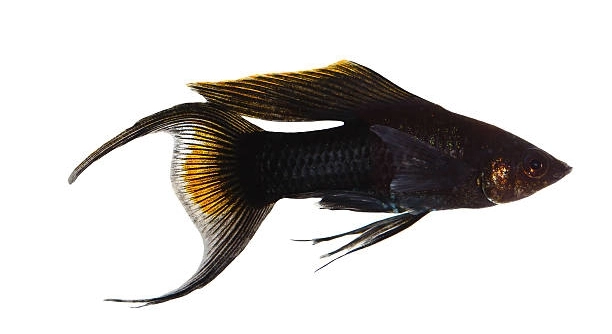
When Black Mollies experience environmental stress, one of the first things you may notice is a change in their coloration. Healthy Black Mollies usually display deep, rich black tones that appear vibrant under proper lighting. Stress can cause these colors to fade, making your fish appear dull or washed out. Factors contributing to this include poor water quality, inappropriate temperatures, and overcrowding in the tank. Even minor shifts in pH or ammonia levels can impact their pigment. Paying close attention to their coloring can give early indications of problems before more serious symptoms appear. Correcting water conditions, maintaining a balanced diet, and reducing stressors can help restore their natural appearance. Observing them daily allows you to respond quickly to subtle changes.
Faded coloration signals stress and requires immediate attention. Adjusting water quality and maintaining consistent care can prevent further decline in your Black Mollies’ health.
Regular monitoring of water parameters is essential for preventing color loss. Providing proper nutrition and avoiding sudden environmental changes supports vibrant pigmentation. Consistency in tank maintenance and careful observation can ensure Black Mollies maintain their natural coloration and overall well-being. Healthy fish reflect stable conditions, so addressing stress promptly keeps them active and visually striking. Small improvements, like partial water changes or adding hiding spots, can make a noticeable difference. Over time, maintaining these habits helps your fish thrive, making them less prone to stress-related ailments. Even slight attention to details like temperature stability and compatible tank mates contributes to a calm environment. Faded coloration is often reversible if the underlying stressors are corrected, emphasizing the importance of consistent, attentive care.
Irregular Swimming Patterns
Irregular swimming is a clear sign that something is off in the tank. Fish may dart, circle repeatedly, or float listlessly instead of gliding smoothly through the water.
These behaviors often indicate stress from poor water quality, inappropriate temperature, or aggressive tank mates. Monitoring their movement can reveal early problems.
Black Mollies rely on stable environmental conditions for normal swimming behavior. When water is unbalanced, oxygen levels drop, or temperature fluctuates, fish struggle to maintain equilibrium. You might notice them rubbing against surfaces or repeatedly changing depth, which is their way of coping with discomfort. Overcrowding or sudden introduction of new fish can also trigger erratic movement. Ensuring consistent water parameters, including pH, hardness, and temperature, is crucial. Observing tank dynamics is equally important, as aggressive behavior from other fish can stress Mollies. Providing plants or hiding spots offers relief and reduces erratic swimming. Correct feeding routines and avoiding overfeeding also support their health. By recognizing these patterns early, you can intervene to restore calm, maintaining both physical health and natural behavior in your Black Mollies.
Loss of Appetite
Loss of appetite is a common sign that Black Mollies are stressed. Fish may ignore food entirely or nibble only occasionally. This behavior often signals water quality issues, disease, or environmental discomfort, and should be addressed promptly to avoid further health decline.
A stressed Black Molly may stop eating due to poor water conditions, sudden temperature changes, or high nitrate levels. Overcrowding and aggressive tank mates can also contribute. Reduced appetite can quickly lead to weight loss and weaken their immune system. Observing feeding behavior daily allows you to identify issues early. Providing a varied, high-quality diet while correcting water conditions helps restore normal feeding habits. Consistency in tank care is crucial to support their recovery.
Encouraging eating can involve offering live or frozen foods, adjusting feeding schedules, and creating a calm tank environment. Maintaining stable water parameters, such as pH and temperature, and reducing stress from other fish promotes better appetite. Sometimes, removing overly aggressive fish or rearranging the tank layout can help mollies feel secure enough to eat. Watching their response to these changes provides insight into their overall health. Proper care and observation can reverse appetite loss before it causes serious complications.
Fin Damage
Fin damage is often caused by stress, either from poor water quality, sharp decorations, or aggressive tank mates. Torn or frayed fins indicate that intervention is needed to prevent infections and further injury.
Environmental stress can weaken a Black Molly’s fins, making them prone to tears or splits. Infections such as fin rot can develop if water parameters are not ideal or the fish is exposed to bacteria. Aggressive behavior from other fish can exacerbate damage, particularly in crowded tanks. Maintaining clean water, removing sharp objects, and ensuring compatible tank mates reduces fin injuries. Treatment may include isolating affected fish, using antibacterial solutions, and improving water quality. Observing the tank regularly helps identify early signs of fin damage before it worsens.
Proper tank maintenance and attentive observation are essential for preventing fin damage. Regular water changes, careful selection of tank mates, and providing ample hiding spaces reduce stress-related injuries. Feeding a nutritious diet strengthens fins, making them less susceptible to tears. Addressing issues early, such as fin discoloration or small nicks, can prevent infections. Monitoring the fish’s behavior and environment consistently helps maintain healthy fins. In some cases, mild fin damage will heal naturally once stressors are removed, but persistent issues require intervention. Ensuring the tank is safe and stress-free is key to long-term fin health.
Excessive Hiding
Excessive hiding is a clear sign that Black Mollies feel unsafe. Fish may spend most of their time behind decorations, plants, or tank corners. Stress from aggressive tank mates, poor water quality, or sudden environmental changes often triggers this behavior.
Hiding too much can lead to reduced activity and limited feeding. Providing safe spaces is important, but persistent seclusion may indicate unresolved stress that needs immediate attention.
Labored Breathing
Labored breathing in Black Mollies often results from low oxygen levels, high ammonia, or fluctuating water temperatures. Fish may gasp at the surface or show rapid gill movement. Monitoring water quality and maintaining stable conditions is critical to prevent respiratory stress and ensure proper oxygenation.
Increased Susceptibility to Disease
Stress weakens Black Mollies’ immune systems, making them more prone to infections. Pathogens such as bacteria, parasites, and fungi can take advantage of stressed fish, leading to illness. Early detection and maintaining stable water conditions reduce the risk of disease outbreaks.
Rapid Changes in Behavior
Rapid changes in behavior, such as sudden aggression or lethargy, often indicate stress. Observing daily activity and interactions with other fish helps identify environmental issues early before serious health problems develop.
How can I tell if my Black Molly is stressed?
Stress in Black Mollies can show through several signs, including faded coloration, irregular swimming patterns, fin damage, hiding excessively, labored breathing, loss of appetite, and increased susceptibility to disease. Daily observation helps you notice subtle changes early, allowing prompt action to correct environmental issues.
What causes stress in Black Mollies?
Common causes include poor water quality, sudden temperature changes, aggressive tank mates, overcrowding, low oxygen levels, and improper diet. Even minor fluctuations in pH or ammonia levels can negatively affect them. Providing stable water conditions, a balanced diet, and compatible tank mates is key to preventing stress.
How can I improve water quality for my fish?
Regular water changes, monitoring ammonia, nitrite, nitrate, and pH levels, and using a good filtration system are essential. Avoid overfeeding, as leftover food increases toxins. Adding plants and decorations carefully ensures safety and reduces stress while helping maintain water balance.
How often should I check water parameters?
Water parameters should be tested at least once a week, and more frequently if any signs of stress appear. Sudden changes can quickly affect Black Mollies, so keeping a consistent schedule ensures that any problem is detected before it becomes serious.
What diet is best for reducing stress in Black Mollies?
A varied diet including high-quality flakes, frozen or live foods, and occasional vegetable matter supports immune health. Feeding smaller, frequent meals rather than one large feeding helps prevent digestive issues and promotes natural behavior, reducing stress in their environment.
Can tank size affect stress levels?
Yes, overcrowding increases competition for space, food, and hiding spots, causing stress. Providing at least 20 gallons for a small group is recommended, with extra space for each additional fish. Proper tank size helps maintain stable water conditions and reduces aggressive interactions.
How do I prevent aggressive behavior from other fish?
Choose compatible species and avoid overcrowding. Providing plants, caves, and hiding spots allows timid fish to escape. Observing interactions daily and separating overly aggressive fish prevents stress-related injuries and fin damage. Maintaining a calm environment encourages healthy social behavior.
Is it normal for Black Mollies to hide sometimes?
Yes, hiding occasionally is natural, especially during feeding or rest. Excessive hiding, however, signals stress or environmental discomfort. Regular observation helps determine whether hiding is temporary or a sign of deeper issues that need addressing.
How can I help my fish recover from stress?
Correct water parameters, provide a balanced diet, and ensure a calm tank environment. Reducing aggression from tank mates, adding safe hiding spots, and performing regular maintenance will help Black Mollies regain normal behavior and appearance over time.
What are the long-term effects if stress is ignored?
Ignoring stress can lead to chronic health problems, reduced lifespan, fin rot, infections, stunted growth, and permanent behavioral changes. Addressing environmental stress early is critical for maintaining a healthy, active, and visually vibrant aquarium. Consistent care ensures long-term well-being.
Can I treat fin damage at home?
Yes, minor fin tears often heal if water quality is maintained and stress is reduced. Isolate severely injured fish if necessary, and consider using antibacterial solutions if signs of infection appear. Preventing recurrence involves monitoring tank conditions and interactions closely.
Should I use medications for stressed Black Mollies?
Medications are generally only needed if disease develops due to stress. Maintaining proper water quality and reducing stressors usually eliminates most health problems. Overuse of chemicals can cause additional stress, so treatment should be targeted and minimal.
How do seasonal changes affect stress in Black Mollies?
Temperature fluctuations during seasonal changes can trigger stress. Using a heater to maintain consistent water temperature and monitoring for signs of distress helps reduce seasonal impact. Sudden changes in lighting or water chemistry should also be avoided.
Are plants helpful for reducing stress?
Yes, live plants provide hiding spots and help maintain water quality. They create a calmer environment by offering shelter and reducing aggressive encounters. Carefully placed decorations can also offer safe areas without overcrowding the tank.
Can stress affect breeding in Black Mollies?
Stress reduces reproductive success and may cause females to retain eggs or produce fewer fry. Ensuring a stable, clean, and calm environment supports normal breeding behavior and improves the health of both adults and offspring.
How quickly can a Black Molly recover from stress?
Recovery time depends on the severity of stress and how quickly conditions are corrected. Minor stress may resolve in days, while prolonged issues may take weeks. Consistent care, clean water, proper diet, and a calm tank promote faster recovery.
Is it possible to prevent all stress in my aquarium?
While total prevention isn’t possible, most stress can be minimized through careful monitoring, stable water parameters, proper diet, compatible tank mates, and a safe, well-maintained environment. Regular observation and quick response to changes are key to keeping Black Mollies healthy.
Black Mollies are sensitive fish, and their behavior and appearance can reveal a lot about the conditions in their tank. Noticing signs like faded coloration, irregular swimming, loss of appetite, fin damage, excessive hiding, labored breathing, or increased susceptibility to disease is essential for maintaining a healthy environment. These indicators show that something in their surroundings is off, whether it is water quality, temperature, overcrowding, or aggressive tank mates. By recognizing these signs early, it becomes easier to take corrective action before minor issues develop into serious health problems. Regular observation and attentiveness to small changes in behavior or appearance are the first steps in ensuring your Black Mollies thrive.
Maintaining stable water conditions is one of the most important factors in preventing stress. Ammonia, nitrite, and nitrate levels should be monitored regularly, and pH should remain within the recommended range for Black Mollies. Consistent water changes, a functioning filtration system, and careful introduction of new fish help reduce environmental stress. Tank size also plays a significant role. Overcrowding increases competition for food and space, causing tension and potential injuries. Including plants, rocks, and hiding spots provides security and allows fish to feel safe. Temperature stability is equally important, as sudden fluctuations can disrupt metabolism and behavior. Providing a balanced, varied diet supports immune health and overall vitality, making the fish more resilient to stress.
Addressing stress in Black Mollies is a combination of careful observation, preventive measures, and prompt action when problems arise. Even small adjustments, like rearranging the tank to reduce aggression, removing sharp objects, or adjusting feeding routines, can make a noticeable difference. If stress is ignored, long-term consequences such as disease, stunted growth, or permanent behavioral changes may occur. By consistently maintaining water quality, monitoring daily behavior, and creating a calm, stable environment, you can support the health and well-being of your Black Mollies. These fish are rewarding to care for when their needs are met, and paying attention to the signs of stress ensures they remain active, vibrant, and healthy in your aquarium.

Hello,
If you enjoy the content that we create, please consider saying a "Thank You!" by leaving a tip.
Every little bit helps us continue crafting quality advice that supports the health, happiness, and well-being of pets around the world, for pets of all shapes, sizes, and species.
We really appreciate the kindness and support that you show us!