
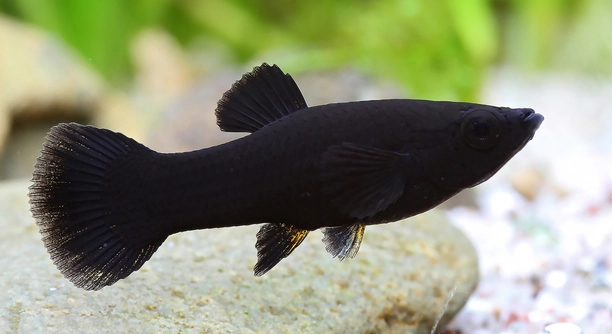
Are your black mollies looking less lively than usual, with fins held tightly against their bodies? Observing clamped fins can be worrying for any fish owner and may signal that something in the aquarium environment needs attention.
Clamped fins in black mollies are most often caused by stress, poor water quality, or underlying illness. High ammonia or nitrite levels, sudden temperature changes, and bacterial infections can lead to this defensive behavior in the fish.
Learning the reasons behind clamped fins can help you take the right steps to improve your mollies’ health and comfort in their tank environment.
Common Causes of Clamped Fins
Clamped fins in black mollies often indicate stress or discomfort. Poor water quality is a frequent factor. High ammonia, nitrite, or nitrate levels can irritate the fish, causing them to fold their fins. Sudden temperature fluctuations or inappropriate water hardness also add stress. Overcrowding in the tank increases tension, as mollies need space to swim freely. Incompatible tank mates can harass or intimidate them, leading to defensive behavior. Illnesses such as bacterial or parasitic infections can also present as clamped fins. Observing other signs like lethargy, loss of appetite, or unusual spots can help pinpoint health problems early. Even changes in feeding routines or diet quality may subtly affect their comfort, making fin clamping a visible symptom. Taking a systematic approach to water quality, tank setup, and nutrition often reduces fin clamping over time. Careful observation is key to identifying and resolving the issue promptly.
Stress and poor water conditions are the main triggers for clamped fins in black mollies.
Addressing clamped fins starts with testing water regularly and maintaining proper temperature, pH, and hardness. Keep the tank clean, remove uneaten food, and monitor fish behavior daily. Separate aggressive or incompatible fish to reduce tension. A balanced diet rich in vitamins and proteins supports their immune system. If illness is suspected, quarantine affected fish and consult aquatic health guidelines. Adjusting these factors consistently helps black mollies regain relaxed, healthy fin posture and overall vitality.
Preventing Clamped Fins
Maintaining stable conditions and proper tank care prevents most fin clamping issues.
Regular water testing is essential. Ammonia, nitrite, and nitrate levels should remain near zero, with consistent temperature and hardness. Avoid overfeeding and overcrowding, as both increase stress. Providing plants or hiding spots helps mollies feel secure. A well-balanced diet improves resilience to illness, reducing stress-related behavior. Watching for early signs like clamped fins or sluggish movement ensures problems are addressed before they worsen. By keeping conditions stable, mollies display healthier, more active behavior.
Prevention relies on consistent maintenance and observation. Black mollies are sensitive to sudden changes, so gradual adjustments in water parameters and diet are important. Daily monitoring of behavior, feeding patterns, and tank cleanliness allows you to catch potential stressors early. Using a reliable filter and performing partial water changes helps maintain water quality, while avoiding aggressive tank mates reduces tension. Planting live vegetation offers hiding spaces and reduces perceived threats, encouraging natural behavior. A high-quality diet with proper nutrients strengthens their immune system, making them less prone to disease. Combining these practices creates a stable environment where black mollies feel safe, minimizing clamped fins and promoting active swimming and healthy growth over time.
Water Quality Issues
Poor water quality is a leading factor in fin clamping. Ammonia, nitrite, or nitrate spikes irritate black mollies, causing stress. Inconsistent temperature and incorrect hardness worsen the problem. Regular water testing is essential to detect and correct these issues before they impact the fish.
Maintaining stable water parameters is crucial. Frequent partial water changes help remove toxins and replenish essential minerals. Filters must be properly maintained to ensure efficient removal of waste and debris. Avoid overfeeding, as leftover food decomposes and increases harmful chemical levels. Keeping the tank clean, monitoring temperature, and testing pH and hardness regularly ensures a healthier environment. Stress is significantly reduced when water remains stable, preventing fin clamping and promoting natural swimming behavior.
Even minor lapses in water maintenance can trigger clamped fins. Sudden changes in water chemistry or temperature shocks can make black mollies withdraw and fold their fins. Using a thermometer and water test kits consistently helps identify problems early. Maintaining a clean, well-filtered tank and ensuring compatibility among tank mates reduces stress. Providing hiding spots and a balanced diet further supports fin health. Simple, consistent care prevents many behavioral issues and keeps mollies active and healthy.
Disease and Parasites
Bacterial and parasitic infections often show as clamped fins. Early detection is key to prevent spread and worsening conditions.
Illnesses like fin rot, velvet, or ich can cause black mollies to clamp fins tightly. Symptoms may include discoloration, frayed fins, or unusual spots. Quarantining affected fish limits disease spread. Treating infections promptly with recommended medications and following proper dosage ensures recovery. Maintaining excellent water quality supports the immune system and prevents recurrence. Observing behavior daily helps catch problems early.
Stress from poor tank conditions can weaken immunity, making mollies more prone to infection. Bacteria and parasites thrive in dirty or overcrowded environments. By keeping the tank clean, performing regular water changes, and avoiding sudden environmental changes, the risk of disease decreases. Feeding a nutritious diet strengthens fish resilience, allowing them to fight off pathogens. Separate new fish before introducing them to the main tank to reduce disease introduction. Providing hiding places and minimizing aggressive interactions lowers stress, which also improves resistance to illness. Combining cleanliness, careful observation, and proper nutrition is the most effective way to prevent clamped fins caused by disease or parasites.
Stress from Tank Conditions
Overcrowding and aggressive tank mates often trigger clamped fins in black mollies. Limited swimming space or constant harassment increases stress, making them fold their fins tightly. Proper spacing and peaceful companions help maintain calm behavior.
Sudden changes in temperature or water chemistry can also stress black mollies. Even minor fluctuations in pH, hardness, or temperature may cause fin clamping. Adding plants and hiding spots reduces perceived threats, giving them a secure environment to feel comfortable.
Nutrition and Diet
A poor diet weakens black mollies, making them more prone to fin clamping. Lack of essential nutrients affects energy levels and immunity. Providing a balanced mix of high-quality flakes, pellets, and occasional live or frozen foods ensures they get vitamins and protein necessary for healthy fins.
Observing Behavior
Watching black mollies closely helps identify early signs of stress or illness. Consistent monitoring allows timely intervention, keeping fins healthy and fish active.
Why are my black mollies clamping their fins?
Clamped fins in black mollies are usually a response to stress or poor water conditions. High levels of ammonia, nitrites, or nitrates irritate them. Sudden temperature changes, overcrowding, or aggressive tank mates can also cause them to fold their fins tightly. Illnesses, including bacterial or parasitic infections, are another common reason. Observing other symptoms such as lethargy, loss of appetite, or unusual spots can help determine the cause.
Can poor water quality cause fin clamping?
Yes, water quality is one of the most frequent causes of fin clamping. Ammonia and nitrite spikes are toxic and irritate gill tissue. Nitrate buildup over time can also stress fish. Even slight fluctuations in pH, hardness, or temperature can trigger clamped fins. Consistent water testing, partial water changes, and a well-maintained filter help prevent these problems and keep mollies comfortable.
Does stress from tank mates affect my mollies?
Stress from other fish is a significant factor. Aggressive or territorial tank mates can harass black mollies, causing them to fold their fins as a defensive response. Overcrowded tanks limit swimming space, increasing tension. Adding hiding spots, reducing the number of fish, or choosing peaceful companions minimizes stress and encourages natural swimming behavior.
Can diet influence fin health?
Yes, nutrition plays a crucial role. A diet lacking essential vitamins, protein, and minerals can weaken black mollies, making them more susceptible to stress and disease. Feeding a combination of high-quality flakes, pellets, and occasional live or frozen foods strengthens their immune system and supports healthy fin development. Regularly varying their diet ensures they receive balanced nutrition.
How do I treat clamped fins caused by illness?
If fin clamping is linked to disease, early intervention is key. Bacterial infections like fin rot or parasites such as ich should be treated promptly. Quarantine affected fish to prevent spread. Follow recommended dosages for medications and maintain excellent water quality. Strengthening the fish’s immune system through proper diet and stress reduction helps recovery.
Will temperature changes trigger clamped fins?
Yes, sudden temperature shifts can cause immediate stress. Black mollies are sensitive to rapid changes, which may result from unheated water, heater malfunctions, or inconsistent room temperatures. Gradually adjusting the temperature and keeping it within a stable range helps prevent fin clamping. A thermometer is essential to monitor consistency.
Are clamped fins a sign of serious health issues?
Clamped fins can be an early warning sign of stress or illness. While sometimes temporary, persistent fin clamping often indicates underlying problems such as poor water conditions, disease, or malnutrition. Monitoring behavior, checking water parameters, and addressing any health concerns promptly helps avoid more serious complications.
How can I prevent fin clamping in my tank?
Prevention focuses on stable tank conditions, proper nutrition, and careful monitoring. Maintain water quality through regular testing and partial changes. Avoid overcrowding and provide peaceful companions. Feed a balanced diet and create hiding spots to reduce stress. Consistently observing behavior ensures early detection of potential issues before they worsen.
Is it normal for black mollies to occasionally clamp fins?
Occasional fin clamping can happen during minor stress or environmental changes, such as introducing new fish or adjusting the tank. Brief episodes are usually not dangerous. However, frequent or prolonged clamping indicates a problem that needs attention, whether water quality, tank setup, or health-related issues.
How long does it take for clamped fins to improve?
Recovery time depends on the cause. With stable water, proper diet, and reduced stress, black mollies may begin relaxing their fins within a few days. If disease is involved, treatment may take one to two weeks. Consistency in care is essential to ensure full recovery and prevent recurrence.
Can hiding places reduce fin clamping?
Yes, adding plants, rocks, or decorations provides security and lowers stress levels. Black mollies feel safer with sheltered areas, which encourages natural behavior and reduces defensive fin clamping. The more secure they feel, the more relaxed their fins will be.
Should I separate a clamped-finned molly?
Separating fish is sometimes necessary, especially if illness or aggressive tank mates are involved. Quarantining affected fish prevents disease spread and reduces stress from harassment. Make sure the quarantine tank has stable water conditions, hiding spots, and a proper diet to aid recovery.
Do I need to use medication for fin clamping?
Medication is only necessary if a disease or parasite is confirmed. Stress alone can often be resolved with improved water quality, diet, and tank conditions. Using antibiotics or antiparasitic treatments unnecessarily can harm beneficial bacteria and worsen water quality, so confirm the cause before medicating.
Can frequent water changes help prevent fin clamping?
Yes, regular water changes help remove toxins and maintain stable chemical levels, reducing stress and illness risk. Partial changes of 20–30% weekly are often sufficient, depending on tank size and fish load. Consistency keeps black mollies healthy and lowers the chance of fin clamping.
Does overfeeding contribute to fin clamping?
Overfeeding creates excess waste, which degrades water quality and stresses fish. Uneaten food decomposes, increasing ammonia and nitrate levels, leading to clamped fins. Feeding small, measured amounts and removing leftovers helps maintain a healthy tank environment.
How do I monitor fin health effectively?
Observe black mollies daily for signs of fin folding, fraying, or discoloration. Healthy fish swim actively with fully spread fins. Noting changes in behavior or appetite alongside fin condition gives a clear indication of overall health and helps identify stressors early.
Can new fish introductions trigger fin clamping?
Yes, adding new fish can temporarily stress black mollies. They may clamp fins while assessing new tank mates. Gradual acclimation, quarantining newcomers, and ensuring peaceful introductions minimize stress and help maintain relaxed fin posture.
Are clamped fins reversible?
Most cases are reversible with proper care. Addressing water quality, nutrition, stress, and illness typically allows black mollies to relax their fins. Persistent clamping signals unresolved issues, requiring more focused attention to ensure recovery.
Is tank size a factor in fin clamping?
Tank size matters. Small or overcrowded tanks increase stress and reduce swimming space, leading to clamped fins. Providing adequate space and avoiding overstocking supports natural behavior and fin health.
Can seasonal changes affect fin clamping?
Seasonal temperature shifts can stress black mollies. Maintaining stable water temperature during colder or hotter months prevents fin clamping. Using heaters or thermometers to monitor and adjust gradually ensures minimal stress.
How often should I test water to prevent clamped fins?
Frequent testing is important. Weekly tests for ammonia, nitrites, nitrates, pH, and hardness help detect potential issues early. More frequent testing is recommended after adding new fish, changing water, or noticing unusual behavior. Regular monitoring supports healthy fins and reduces stress.
Do all black mollies respond the same to stress?
Individual mollies vary. Some may clamp fins quickly under minor stress, while others tolerate more environmental changes. Observing each fish’s behavior helps tailor tank care, ensuring all individuals remain healthy and relaxed.
Can stress from handling cause fin clamping?
Yes, handling or sudden movement near the tank can trigger temporary clamping. Minimize disturbances, avoid chasing fish, and perform maintenance gently to reduce stress and maintain fin health.
Is fin clamping more common in certain ages or sizes?
Younger or smaller black mollies may be more sensitive to stress, water fluctuations, and aggressive tank mates, making them prone to clamped fins. Proper care, stable conditions, and gentle introduction to new fish or changes help protect vulnerable individuals.
How do I know when clamped fins are serious?
Persistent fin clamping accompanied by lethargy, loss of appetite, discoloration, or unusual spots signals a serious issue. Prompt intervention through water correction, stress reduction, or medical treatment is necessary to prevent worsening health.
Can stress from transport cause fin clamping?
Transport is stressful for black mollies. Sudden changes in water, temperature, and confinement often lead to clamped fins. Allowing fish to acclimate gradually to new tanks and stable conditions reduces stress and encourages recovery.
Are clamped fins an early sign of fin rot?
Yes, fin clamping can appear before visible fin rot. Bacterial infections often start subtly, causing mollies to fold fins defensively. Early detection and water quality improvement, along with appropriate treatment, can prevent full-blown fin rot and aid recovery.
Does light intensity affect fin clamping?
Excessively bright or fluctuating lighting can stress black mollies. Providing shaded areas or adjusting light schedules reduces stress and encourages relaxed fin posture. Consistent lighting supports overall health and natural behavior.
Can adding plants help reduce fin clamping?
Yes, plants provide shelter and reduce perceived threats. They create secure spaces, encouraging mollies to swim confidently and reducing stress-induced fin clamping. Live or artificial plants both contribute to a calmer environment.
Is quarantine necessary for clamped-finned fish?
Quarantine is recommended if illness is suspected. Isolating affected fish prevents disease spread and allows focused treatment. Provide stable water, hiding spots, and a proper diet to support recovery.
How does tank maintenance impact fin clamping?
Regular cleaning, water changes, and filter upkeep maintain stable water conditions. Neglecting maintenance increases stress and disease risk, leading to fin clamping. Consistent care ensures a healthy, low-stress environment.
Can I prevent fin clamping entirely?
While occasional stress is normal, consistent care, proper water quality, a balanced diet, peaceful tank mates, and secure hiding spots significantly reduce the frequency and severity of fin clamping in black mollies.
Are there natural remedies for clamped fins?
Improving water quality, reducing stress, and providing a balanced diet are the most effective natural remedies. Avoid unnecessary medications unless disease is confirmed. A stable, well-maintained tank is usually enough to restore fin health.
Does stress affect reproduction in black mollies?
Yes, stressed mollies with clamped fins may experience reduced mating behavior. Stable tank conditions, low stress, and good nutrition encourage natural reproduction and overall health.
Can temperature fluctuations be minimized without a heater?
Yes, room insulation, avoiding drafts, and placing the tank away from direct sunlight help reduce temperature swings. For sensitive black mollies, a heater is recommended for consistent water conditions.
How long should quarantine last for sick fish?
Quarantine typically lasts two to four weeks, depending on symptoms and recovery. Monitor behavior, feeding, and fin condition to decide when reintegration into the main tank is safe.
Do certain water additives help prevent clamped fins?
Water conditioners and stress-reducing additives can help neutralize toxins and create a safer environment. However, maintaining stable water chemistry and proper filtration is more important than relying on additives alone.
Can clamped fins return after recovery?
Yes, fins can clamp again if stressors return. Monitoring water quality, tank conditions, and fish behavior consistently helps prevent recurrence and maintain healthy fin posture.
Are clamped fins painful for black mollies?
Fin clamping is usually a stress response rather than a direct source of pain. It signals discomfort from environmental conditions, illness, or harassment, which should be addressed promptly to restore well-being.
Can seasonal tank maintenance reduce clamped fins?
Yes, seasonal cleaning, checking water parameters, and adjusting temperature gradually prevent stress-induced fin clamping. Regular maintenance throughout the year keeps mollies healthy and comfortable.
Does tank decoration placement affect fin clamping?
Yes, decorations that create hiding spots or reduce open areas can lower stress. Properly arranged plants, rocks, and structures allow black mollies to feel secure and prevent defensive fin clamping.
Is observation more effective than testing alone?
Yes, observing behavior complements water testing. Noticing clamped fins, sluggish swimming, or changes in appetite provides early warning signs that testing alone may miss. Both strategies together ensure optimal care and stress prevention.
Can stress from lights and noise trigger clamped fins?
Yes, sudden loud noises or bright, flickering lights can startle black mollies. Minimizing disturbances and maintaining consistent lighting schedules helps reduce fin clamping and encourages natural activity.
Do older mollies show clamped fins more often?
Older fish may be less resilient to stress or illness, making them slightly more prone to fin clamping. Careful monitoring, stable conditions, and proper nutrition support healthy fins at all ages.
Can black mollies recover fully from repeated fin clamping?
Yes, with consistent water quality, stress reduction, and a nutritious diet, black mollies can recover. Persistent attention to tank conditions prevents further episodes and supports long-term fin health.
Are tank size recommendations important for fin clamping?
Yes, providing adequate swimming space prevents stress-related fin clamping. Overcrowded tanks increase tension and competition, which can make fins clamp frequently. Proper stocking density supports calmer behavior and healthier fish.
Can adjusting feeding routines help?
Yes, feeding smaller, more frequent meals prevents overfeeding and water pollution, reducing stress. Consistent feeding schedules help mollies feel secure and maintain healthy fin posture.
Is it normal for fins to remain clamped after stress passes?
Fins may take hours or days to fully relax after a stress event. Continued observation ensures there is no underlying illness or water quality issue preventing recovery.
Can temperature and water changes be combined to reduce stress?
Yes, gradual adjustments in temperature and water chemistry reduce stress responses. Sudden changes trigger fin clamping, so stepwise modifications help black mollies acclimate comfortably.
Do live plants impact stress levels?
Live plants improve water quality and provide shelter, lowering stress and reducing fin clamping. They create a more natural environment, supporting both physical and behavioral health.
Should I monitor fin clamping during feeding?
Yes, observing behavior during feeding reveals stress or illness early. Active, well-fed mollies usually swim with open fins, while clamping may indicate discomfort or environmental issues.
Can temporary fin clamping occur after tank cleaning?
Yes, sudden disturbances during cleaning can stress black mollies temporarily. Providing hiding spots and performing maintenance calmly helps fins relax quickly afterward.
Do all black mollies respond the same way to illness?
No, individual fish vary. Some may show pronounced fin clamping early, while others hide or show appetite loss first. Monitoring each fish’s behavior ensures early detection and treatment.
Is fin clamping reversible without medication?
Yes, if caused by stress or water issues, adjusting conditions, improving diet, and reducing tank stress usually restores fins without medication.
Does fin clamping affect swimming patterns?
Yes, clamped fins reduce maneuverability, making swimming less efficient. Fish may stay near the bottom or hide more frequently. Restoring water quality and reducing stress encourages normal swimming behavior.
Can quarantine tanks prevent stress-related clamping?
Yes, isolating new or sick fish reduces competition and aggression, lowering stress and preventing fin clamping. A properly set-up quarantine tank supports recovery and acclimation.
How long should I observe after correcting water issues?
Observation for several days to a week ensures mollies relax fins fully and confirms that water corrections effectively reduce stress. Regular monitoring prevents recurrence.
Do black mollies ever clamp fins for no reason?
Occasional brief clamping can occur due to minor environmental changes, but repeated or prolonged clamping indicates stress, illness, or poor water conditions. Attention is needed to prevent further health issues.
Can water conditioners alone prevent clamped fins?
No, conditioners help neutralize toxins but do not replace regular maintenance. Stable water parameters, proper diet, and stress reduction remain essential for preventing fin clamping.
Are hiding spots more effective than tank mates for reducing stress?
Both matter, but hiding spots give immediate relief from stress and harassment. They allow black mollies to retreat safely, helping fins relax even if tank mates are present.
Do clamped fins affect growth?
Prolonged stress from clamped fins can reduce feeding efficiency, weaken immunity, and slow growth. Maintaining calm conditions and proper nutrition supports both fin health and growth.
Is fin clamping a sign of long-term stress?
Repeated or persistent clamping indicates chronic stress, often caused by water issues, aggressive companions, or poor diet. Addressing these factors restores comfort and prevents long-term health effects.
Can black mollies recover from multiple stress episodes?
Yes, with consistent care, they can recover fully. Reducing repeated stressors, maintaining clean water, and feeding a balanced diet supports overall health and fin relaxation.
Does tank decoration type matter?
Yes, decorations that provide shelter reduce stress. Smooth surfaces without sharp edges prevent injury, allowing black mollies to swim comfortably without risking fin damage.
Can clamped fins lead to other diseases?
Yes, prolonged stress and weakened immunity from clamping increase susceptibility to infections such as fin rot or parasitic infestations. Preventing stress and maintaining good water quality reduces this risk.
Do mollies ever recover naturally from minor stress?
Yes, brief episodes of clamping caused by minor disturbances usually resolve once conditions stabilize, without intervention. Observing behavior ensures no underlying problems remain.
Is fin clamping more common in certain water temperatures?
Extremes in water temperature, either too hot or too cold, trigger stress and clamped fins. Maintaining a stable, moderate temperature appropriate for black mollies reduces this behavior.
Can stress from tank relocation trigger clamped fins?
Yes, moving the tank or changing its location can temporarily stress fish. Allowing a settling period and keeping water parameters stable helps fins relax and reduces stress responses.
Do black mollies recover faster in planted tanks?
Yes, plants offer hiding spots and reduce stress, allowing faster recovery from environmental or social stressors. They also improve water quality, supporting fin health.
Can overstocking cause permanent fin clamping?
Chronic overcrowding may cause ongoing stress and repeated clamping. While usually reversible, prolonged stress can weaken immunity and behavior. Adequate tank space prevents this issue.
Is fin clamping more frequent in new tanks?
Yes, black mollies in new tanks may clamp fins due to unstable water conditions or unfamiliar surroundings. Gradual acclimation and careful monitoring help them adapt safely.
How important is consistency in tank care?
Consistency is essential. Regular water changes, feeding, and monitoring reduce stress, prevent illness, and minimize fin clamping. Sudden changes often trigger defensive behavior, so stable routines are key.
Can clamped fins indicate social hierarchy issues?
Yes, submissive fish may clamp fins in response to more dominant tank mates. Providing space and hiding spots helps reduce tension and encourages normal fin posture.
Does tank size influence recovery time?
Larger tanks with adequate swimming space allow black mollies to move freely, reducing stress and promoting faster recovery from clamped fins compared to crowded conditions.
Can clamped fins indicate reproductive stress?
Clamped fins in black mollies are a clear signal that something in their environment or health is off balance. These fins are not just a cosmetic issue; they reflect the fish’s stress level, water conditions, or underlying illness. Observing clamped fins early gives you a chance to correct the problem before it becomes more serious. Black mollies are sensitive creatures, and even small changes in water chemistry, temperature, or tank dynamics can trigger this defensive behavior. By paying close attention to their behavior and appearance, you can identify potential stressors and act quickly to prevent long-term effects. Daily observation, combined with regular water testing, helps ensure the tank remains a stable and safe environment. Fins clamped for brief periods might indicate minor stress, but persistent clamping is usually a sign that intervention is needed, whether that means adjusting water quality, improving tank conditions, or treating illness.
Maintaining proper water quality is one of the most effective ways to prevent clamped fins. Ammonia, nitrites, and nitrates should always be kept within safe levels, and sudden shifts in pH or temperature should be avoided. Regular partial water changes and proper filtration are essential to keep harmful chemicals from building up in the tank. Overcrowding and aggressive tank mates are additional factors that can contribute to stress, so it is important to plan the tank’s population carefully. Providing plants, decorations, or other hiding spots can also give black mollies a sense of security and reduce defensive behavior. Nutrition plays an equally important role. A balanced diet of high-quality flakes, pellets, and occasional live or frozen foods strengthens their immune system and supports overall health, making them more resilient to stress and disease. By combining these practices consistently, you create an environment where black mollies can thrive and display their natural behavior, with fins fully spread and healthy.
Even with careful care, black mollies may still experience fin clamping from time to time, especially when facing minor environmental changes or social stress. The key is not to panic but to monitor behavior and make gradual adjustments when necessary. Quarantining new or sick fish can prevent the spread of illness, and observing daily feeding patterns and activity levels will help detect problems early. If disease or parasites are suspected, treatment should follow recommended guidelines, but it should always be combined with improvements to water quality and tank conditions. Recovery takes time, but with consistent attention and a stable environment, black mollies can return to normal, relaxed fin posture. Understanding the factors that influence clamped fins gives you better control over your tank and helps your fish remain active, healthy, and comfortable for years to come.

Hello,
If you enjoy the content that we create, please consider saying a "Thank You!" by leaving a tip.
Every little bit helps us continue crafting quality advice that supports the health, happiness, and well-being of pets around the world, for pets of all shapes, sizes, and species.
We really appreciate the kindness and support that you show us!