
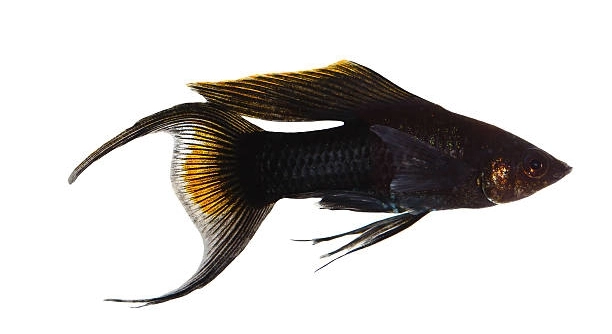
Keeping a Black Molly fish healthy takes more than just feeding it once in a while. Daily care and attention help maintain its vibrant color, energy, and overall well-being. Small habits can make a big difference over time.
To maintain the health of Black Molly fish, it is essential to provide a consistent diet, clean water, stable temperature, and regular observation. These daily habits ensure proper growth, prevent disease, and support long-term vitality in the aquarium environment.
Following simple routines will help your Black Molly thrive, making your aquarium a lively and enjoyable place to watch every day.
Feed a Balanced Diet
Black Molly fish need a balanced diet to stay healthy. Offer a mix of high-quality flake food, freeze-dried bloodworms, and occasional vegetables like zucchini or spinach. Feeding small amounts twice a day prevents overfeeding and keeps the water clean. Variety ensures they get enough protein, vitamins, and minerals for growth and color. Avoid feeding too much at once, as leftover food can decay quickly and harm water quality. Observing how they eat will help you adjust portions to match their appetite. Some Mollies prefer grazing throughout the day, while others finish meals quickly. Consistency in feeding times helps reduce stress and maintains their natural rhythms. Maintaining a balanced diet also boosts immunity, making them less prone to common diseases. Even small daily efforts in feeding can lead to a longer, healthier life for your fish.
A proper diet supports growth, vibrant color, and strong immune systems. Balanced feeding is key to overall health.
Keeping the diet varied and consistent ensures your Mollies remain active, lively, and visually appealing in the aquarium environment. Attention to detail in feeding prevents long-term problems.
Maintain Clean Water
Regular water maintenance is essential for healthy Black Mollies. Dirty water can lead to stress, illness, and reduced lifespan. Perform partial water changes weekly to remove toxins and replenish minerals. Monitor water parameters such as pH, ammonia, nitrite, and nitrate levels to maintain a safe environment. Using a reliable filter helps reduce debris and keeps the water oxygenated. Avoid overcrowding the tank, as it increases waste and decreases water quality. Testing water with kits ensures that any changes are caught early. Removing uneaten food and plant debris daily prevents decay and harmful bacteria. Proper cleaning routines also help control algae growth, which can compete with fish for oxygen. Keeping the tank clean improves fish behavior, reduces stress, and supports reproductive health. A stable and healthy environment makes Mollies more active, colorful, and resistant to disease.
Daily attention to water cleanliness protects your fish from illness and promotes longevity.
Regular cleaning and monitoring maintain a balanced ecosystem in the tank, ensuring your Black Mollies thrive in a stable, healthy habitat.
Monitor Water Temperature
Black Mollies thrive in stable temperatures between 75°F and 80°F. Sudden changes can stress them and make them vulnerable to disease. Use a reliable heater and thermometer to maintain consistency. Avoid placing the tank near windows or vents where temperatures fluctuate.
Keeping water temperature steady prevents stress-related illnesses and supports growth. Temperature control ensures your fish remain active and display their natural behavior without disruptions from cold or heat shocks.
Extreme temperature swings can weaken Mollies’ immune systems, making them prone to infections. Consistent monitoring and adjustments allow them to stay healthy and maintain their vibrant colors. Regular checks also help detect heater malfunctions early, preventing sudden drops or rises that could be fatal. Maintaining a stable environment encourages normal feeding habits, better reproduction, and overall long-term vitality in your aquarium.
Provide Adequate Space
Black Mollies need enough space to swim freely and establish territory. Overcrowding can cause stress, aggression, and poor water quality, affecting health. A larger tank with proper filtration is essential for multiple fish.
Spacious aquariums reduce territorial disputes and support natural behavior. Adequate room ensures proper oxygen circulation and reduces competition for resources, keeping fish calmer and healthier.
A tank that allows free movement prevents stunted growth and promotes exercise, which strengthens muscles and improves overall fitness. With enough space, Mollies can display their social behaviors, interact without constant stress, and reproduce more successfully. Proper stocking levels also make maintenance easier, as waste buildup is slower and filtration is more effective. A well-sized tank supports mental stimulation and reduces boredom, leading to happier, more active fish. Planning for growth and adding plants or hiding spots further enhances their living environment.
Observe Daily Behavior
Watching your Black Mollies daily helps detect early signs of illness. Changes in swimming, appetite, or color can indicate health issues that need attention.
Early detection of unusual behavior allows timely intervention. Small daily observations prevent minor problems from becoming serious and protect overall tank health.
Maintain Proper pH Levels
Black Mollies prefer slightly alkaline water with a pH between 7.5 and 8.5. Keeping pH stable reduces stress and supports healthy digestion, reproduction, and immune function. Test water regularly and adjust using safe additives if needed. Sudden swings can weaken their resilience and make them prone to disease.
Avoid Overcrowding
Too many fish in a tank increases waste, stress, and aggression. Proper stocking levels keep Mollies healthy and the water clean.
FAQ
How often should I feed my Black Mollies?
Black Mollies should be fed twice a day in small amounts they can finish within a few minutes. Overfeeding can pollute the water, while underfeeding may lead to poor growth and dull coloration. A varied diet with flakes, frozen foods, and vegetables keeps them healthy.
What is the ideal tank size for Black Mollies?
A 20-gallon tank is recommended for a small group of Mollies. Larger tanks are better if you keep more fish. Adequate space allows them to swim freely, reduces stress, and minimizes territorial disputes. Overcrowding can lead to aggression and higher maintenance demands.
How do I maintain proper water parameters?
Keep water clean with regular partial changes and a good filtration system. Test pH, ammonia, nitrite, and nitrate weekly. Mollies prefer slightly alkaline water with pH between 7.5 and 8.5, and a temperature between 75°F and 80°F. Stability is more important than perfection.
Can Black Mollies live with other fish?
Yes, they are generally peaceful but may chase smaller fish. Choose tank mates of similar size and temperament. Avoid aggressive species. Proper tank size and hiding spots reduce conflicts. Mollies enjoy social interactions, so keeping them in groups of at least three is ideal.
How often should I change the water?
Perform partial water changes weekly, about 25-30% of the tank volume. Frequent small changes are better than rare large changes. This keeps water free of toxins, maintains stable parameters, and supports healthy fish growth and activity levels.
What signs indicate illness in Black Mollies?
Look for changes in appetite, color, swimming behavior, or fin condition. Clamped fins, white spots, or lethargy are warning signs. Early detection allows treatment before serious problems develop. Stress, poor water quality, or diet imbalances are common triggers.
Do Black Mollies need live plants?
Plants are not mandatory but improve water quality and provide hiding spots. Floating or rooted plants can reduce stress, allow natural behavior, and enhance the tank’s appearance. Plants also help with oxygenation and offer surfaces for grazing on algae or biofilm.
How do I encourage breeding?
Provide clean water, proper nutrition, and stable temperature. Black Mollies are livebearers, so females give birth to fully formed fry. Add plants or breeding mops for fry to hide, preventing them from being eaten by adults. Separating pregnant females can improve fry survival rates.
Can Black Mollies tolerate different water hardness?
Mollies prefer moderately hard to hard water. Soft water can cause stress and slower growth. Use test kits to monitor hardness and adjust with minerals if needed. Consistency in water hardness is important to avoid weakening their immune system.
What should I do if my Black Molly looks stressed?
Check water parameters, tankmates, and temperature first. Provide hiding spots or plants, reduce noise or bright lighting, and ensure consistent feeding. Stress often comes from environmental factors and can lead to illness if not addressed promptly. Regular observation helps keep them calm and healthy.
Are there special considerations for winter or heater use?
Yes, keep the tank within 75°F to 80°F year-round. Avoid placing the tank near drafts or heaters that cause fluctuations. A reliable heater and thermometer help maintain stable temperatures. Stability prevents stress, supports metabolism, and reduces disease risk during colder months.
How can I prevent algae overgrowth?
Avoid overfeeding and maintain proper light duration. Clean decorations and remove decaying plant matter regularly. Using live plants helps compete with algae for nutrients. Balanced water conditions and proper maintenance reduce the likelihood of excessive algae growth, keeping your tank healthy and visually appealing.
What is the lifespan of a Black Molly?
With proper care, Black Mollies can live 3 to 5 years. Diet, water quality, and tank conditions play a big role in longevity. Providing consistent care, monitoring health daily, and maintaining a stable environment increases their lifespan and overall well-being.
Are Black Mollies sensitive to medication?
Yes, some treatments can stress or harm Mollies. Always use aquarium-safe medications, follow instructions carefully, and remove carbon from filters during treatment. Monitor fish closely and treat only as necessary, as overdosing or incorrect use can worsen their condition.
How important is lighting for Black Mollies?
Moderate lighting helps regulate natural behavior, color, and activity levels. Avoid direct sunlight, which can cause temperature spikes and algae growth. A consistent day-night cycle of 8-10 hours encourages healthy feeding, resting, and overall fish behavior, maintaining a natural rhythm in the aquarium.
Can Black Mollies eat vegetables?
Yes, vegetables like zucchini, spinach, and cucumber can be offered occasionally. Blanch them first to soften the texture. Vegetable matter supports digestion, adds nutrients, and contributes to vibrant coloration. Avoid overfeeding to prevent water contamination and maintain balanced nutrition for your fish.
What is the best way to acclimate new Black Mollies?
Float the bag in the tank for 15-20 minutes to equalize temperature. Gradually add small amounts of tank water over 30-60 minutes. This prevents shock from sudden changes in temperature or water chemistry. After acclimation, release them gently to reduce stress and promote adjustment.
How often should I check filter and equipment?
Inspect filters, heaters, and pumps weekly. Clean or replace filter media as needed and ensure heaters maintain consistent temperature. Proper functioning equipment prevents water quality issues, reduces stress, and supports a stable environment that promotes overall health and longevity.
Are there differences between male and female Black Mollies?
Yes, males are smaller with a pointed anal fin, while females are larger with a rounded anal fin. Females are usually fuller-bodied due to pregnancy. Knowing the difference helps with breeding, managing tank populations, and understanding their behavior in social groups.
Can Black Mollies survive in slightly cooler water?
They may survive briefly in cooler water but are less active and more prone to illness. Maintaining 75°F to 80°F is critical for metabolism, immune function, and breeding. Prolonged exposure to low temperatures can reduce lifespan and overall health.
Is tank decoration important for Black Mollies?
Yes, decorations provide hiding spots, reduce stress, and encourage natural behavior. Rocks, caves, and plants offer shelter and exploration opportunities. Proper arrangement prevents territorial disputes and creates a more engaging environment, improving activity levels and supporting mental well-being for your fish.
How do I prevent fin damage in Black Mollies?
Avoid sharp decorations and aggressive tankmates. Maintain clean water to reduce infection risk. Regular observation allows early detection of torn fins, which can be treated promptly. Healthy water and proper nutrition help fins heal and maintain strength over time.
What should I do if a fish dies suddenly?
Remove the fish immediately and check water parameters for spikes in ammonia, nitrite, or nitrate. Observe remaining fish for illness or stress. Cleaning the tank and adjusting care routines can prevent further losses. Identifying the cause quickly is important to protect the health of the rest of the aquarium.
Can Black Mollies tolerate brackish water?
Yes, they can handle slightly brackish water with low salt concentration. Gradually introduce salt to avoid shock. Brackish conditions can improve health and breeding for some Mollies, but consistency and careful monitoring are essential to prevent stress or harm.
How do I manage aggressive behavior?
Provide adequate space, hiding spots, and reduce overcrowding. Aggression often arises from stress or competition. Monitor interactions and separate overly aggressive individuals if necessary. Balanced tank conditions, proper nutrition, and consistent care reduce conflict and promote harmony in the aquarium.
Are Black Mollies prone to specific diseases?
They can get common freshwater illnesses like ich, fin rot, and bacterial infections. Maintaining clean water, stable parameters, and a balanced diet reduces risk. Early detection and treatment are essential to prevent serious health issues and ensure longevity.
How important is a quarantine tank?
A quarantine tank helps prevent introducing diseases to the main tank. New fish should be observed for at least two weeks before adding them. This precaution protects existing fish, allows treatment if needed, and keeps the aquarium ecosystem stable and healthy.
Can I use tap water for Black Mollies?
Yes, but it should be treated with a water conditioner to remove chlorine and chloramine. Testing pH and hardness ensures water is suitable. Properly prepared tap water supports health and prevents stress or illness caused by harmful chemicals.
How often should I trim plants in the tank?
Trim plants regularly to prevent overcrowding and decay. Overgrown plants reduce swimming space and can trap debris. Healthy plants improve oxygen levels, provide hiding spots, and enhance the overall environment, contributing to happier and healthier fish.
What is the best substrate for Black Mollies?
Sand or fine gravel works well. Avoid sharp or rough substrates that can injure fins. Substrate supports plant growth and provides surfaces for beneficial bacteria. Proper substrate contributes to water quality and overall fish health.
Do Black Mollies need additional supplements?
Occasional vitamin or mineral supplements can support health, especially if the diet lacks variety. Overuse is unnecessary and may harm water quality. Focus on providing a balanced diet and clean water first, using supplements only when needed.
How can I improve coloration in Black Mollies?
A varied diet, stable water, and proper lighting enhance natural colors. High-quality flakes, live or frozen foods, and occasional vegetables boost pigmentation. Healthy, stress-free fish display brighter, more vibrant colors over time, reflecting good overall care.
Is it safe to keep Black Mollies in a community tank?
Yes, with compatible species of similar size and temperament. Avoid aggressive or fin-nipping fish. Adequate space, hiding spots, and proper stocking levels ensure all fish coexist peacefully while reducing stress and promoting healthy behavior.
How do I remove uneaten food safely?
Use a siphon or net to remove leftover food after feeding. Uneaten food decomposes quickly, polluting water and increasing the risk of disease. Regular cleaning supports water quality and keeps fish healthy.
What is the role of aeration in a Black Molly tank?
Aeration increases oxygen levels and promotes water circulation. Air stones or filters with strong flow help maintain healthy respiration, reduce stagnant areas, and support overall fish vitality. Proper aeration prevents low oxygen stress and keeps the tank environment stable.
How do I handle sudden illness outbreaks?
Isolate affected fish, check water quality, and treat appropriately. Quarantine and maintain cleanliness to prevent spreading. Quick action, correct medication, and consistent care are essential to control disease and protect the rest of the aquarium.
Can Black Mollies survive without live plants?
Yes, they can live without plants if the tank has hiding spots and clean water. However, live plants improve water quality, reduce stress, and encourage natural behaviors. They provide grazing opportunities and a more stimulating environment, enhancing overall fish health.
How often should I feed fry?
Fry should be fed multiple times a day with finely crushed flakes, powdered food, or baby brine shrimp. Small, frequent meals support growth and survival, ensuring fry develop strong immune systems and healthy coloration.
Can Black Mollies tolerate slightly higher salinity?
Yes, mild salt levels can benefit certain health aspects and breeding. Gradual adjustments are key. High salinity or sudden changes cause stress and may harm the fish, so careful monitoring is essential.
What is the best way to introduce new fish to a tank with Black Mollies?
Float the bag to equalize temperature, gradually mix tank water over 30-60 minutes, and gently release them. This reduces shock and stress, ensuring smoother acclimation and minimal impact on existing fish.
How do I encourage natural behavior in Black Mollies?
Provide space, plants, and appropriate tank mates. A clean, stable environment allows swimming, exploring, and social interaction. Natural behavior indicates low stress and good health, supporting reproduction and overall vitality.
Can Black Mollies tolerate fluctuating light cycles?
Frequent changes in light disrupt natural rhythms and increase stress. Maintain a consistent day-night schedule of 8-10 hours of light to support feeding, resting, and activity patterns, promoting stable health and behavior.
Are there seasonal care adjustments for Black Mollies?
Maintain stable temperature and water parameters year-round. Adjust feeding slightly if metabolism slows in cooler conditions. Avoid sudden environmental changes. Seasonal adjustments ensure consistent growth, activity, and disease resistance throughout the year.
How do I prevent fin rot in Black Mollies?
Keep water clean, avoid aggressive tankmates, and maintain proper nutrition. Early detection and treatment of minor tears prevent infection. Regular observation and stable conditions minimize stress, promoting strong, healthy fins over time.
What is the ideal group size for Black Mollies?
At least three Mollies are recommended to encourage social behavior and reduce stress. Larger groups require more space and filtration but provide better interactions and a more natural environment for active, healthy fish.
How do I handle sudden deaths in a group?
Remove the fish immediately, check water quality, and observe remaining fish. Sudden deaths often indicate water issues, disease, or stress. Prompt action helps protect other fish and prevents further losses.
Can Black Mollies live with shrimp or snails?
Yes, they are generally compatible with peaceful invertebrates. Ensure enough space and hiding spots. Avoid aggressive Mollies or large shrimp that could be eaten. Proper tank management keeps both fish and invertebrates healthy.
What is the best way to acclimate fry to a main tank?
Keep fry in a separate nursery for 4-6 weeks with gentle filtration. Gradually introduce main tank water before transfer. Fry are vulnerable, so careful acclimation ensures survival and reduces stress in the main aquarium.
How do I manage nitrate levels in the tank?
Regular water changes, avoiding overfeeding, and using live plants help reduce nitrate buildup. Testing weekly ensures levels remain safe. High nitrates weaken the immune system and stress fish, so proactive management is essential.
How often should I clean the substrate?
Clean the substrate during water changes to remove debris and waste. Avoid disturbing beneficial bacteria excessively. Proper substrate maintenance prevents toxins, supports water quality, and keeps fish healthy.
Can Black Mollies adapt to slightly different water hardness?
Yes, but sudden changes cause stress. Gradually adjust water hardness using safe additives. Consistent hardness supports proper growth, reproduction, and overall immune function, ensuring long-term health in the aquarium.
What are the signs of stress in Black Mollies?
Lethargy, loss of appetite, faded color, or hiding frequently are signs. Stress results from poor water quality, overcrowding, or aggressive tankmates. Identifying and correcting causes prevents illness and supports well-being.
How important is a regular feeding schedule?
Consistent feeding times reduce stress and encourage natural behavior. Fish learn when to expect food, improving appetite and digestion. Irregular schedules can lead to aggression, overfeeding, or nutritional deficiencies.
Do Black Mollies need supplements for coloration?
Occasional vitamin-rich foods help enhance pigmentation, but balanced nutrition and clean water are most important. Over-supplementing can harm water quality. Providing varied foods supports health and vibrant colors naturally.
Can Black Mollies survive in a small tank temporarily?
Short-term survival is possible, but prolonged confinement stresses fish, stunts growth, and increases disease risk. Adequate space is essential for swimming, social interaction, and maintaining water quality for long-term health.
How do I treat ich in Black Mollies?
Increase water temperature slightly and use aquarium-safe medication. Isolate infected fish if possible. Maintain clean water and monitor all tank inhabitants. Prompt treatment prevents spread and supports recovery.
What role do hiding spots play for Black Mollies?
Hiding spots reduce stress, provide refuge from aggressive tankmates, and allow natural exploration. Plants, rocks, and decorations improve mental stimulation and overall well-being, promoting healthier behavior and longevity.
How often should I test water for ammonia and nitrites?
Test weekly or whenever water changes or new fish are added. Early detection prevents toxic buildup, reduces stress, and supports healthy growth. Maintaining safe levels ensures long-term aquarium stability.
Can Black Mollies live in brackish water long-term?
They can tolerate mild brackish conditions, but high salinity may cause stress. Gradual adaptation and monitoring are essential. Brackish water can benefit some species’ health and breeding but requires careful management.
How do I prevent aggression in a community tank?
Provide ample space, hiding spots, and compatible tankmates. Monitor interactions and remove aggressive individuals if needed. Proper management, diet, and tank size reduce stress and ensure peaceful coexistence among Black Mollies and other fish.
Are Black Mollies compatible with goldfish?
No, they have different temperature and water requirements. Goldfish produce more waste, which can harm Mollies. Keeping them together can cause stress and health issues, so separate tanks are recommended.
What should I do if a female is pregnant?
Provide hiding spots or a separate breeding tank to protect fry. Ensure proper nutrition and stable water. Avoid aggressive tankmates. Pregnancy can last 4-6 weeks, and preparation increases fry survival rates.
How do I maintain oxygen levels in the tank?
Use a filter with strong flow or air stones to improve oxygenation. Live plants also help. Proper oxygen prevents stress, supports metabolism, and encourages healthy activity and growth.
Can Black Mollies live in soft water?
They prefer moderately hard to hard water. Soft water may stress them, slow growth, and reduce immunity. Adjust water gradually and monitor health to ensure survival and vitality in less-than-ideal conditions.
How do I recognize a healthy Black Molly?
Bright color, smooth fins, active swimming, and regular feeding indicate good health. Healthy fish respond to stimuli, interact with tankmates, and show normal behavior, reflecting proper care and a balanced environment.
What should I do if water parameters fluctuate suddenly?
Identify the cause immediately, such as a malfunctioning heater or filter. Perform partial water changes and stabilize conditions gradually. Sudden changes stress Mollies, so swift action helps prevent illness and mortality.
How do I support breeding in a community tank?
Provide dense plants, hiding spots, and proper nutrition. Ensure males and females have space to reduce stress. Fry should have protective areas to survive. Stable water parameters and consistent care encourage successful reproduction.
Can Black Mollies live with tetras or guppies?
Yes, small peaceful species like tetras and guppies are compatible. Monitor interactions and ensure sufficient space. Proper care and stable conditions allow these species to coexist without stress or aggression.
What are the risks of sudden overfeeding?
Excess food decays, pollutes water, and causes digestive issues. Overfeeding can lead to stress, disease, and algae growth. Controlled portions and regular cleaning prevent long-term problems.
How do I reduce stress when introducing new tankmates?
Float the new fish bag, gradually mix tank water, and provide hiding spots. Avoid overcrowding and monitor interactions. Grad
Caring for Black Mollies requires attention to small, daily habits that add up over time. Providing a balanced diet, maintaining clean water, and monitoring temperature are all essential parts of keeping your fish healthy. Each of these steps contributes to their overall well-being and helps prevent common health problems. Even small efforts, like observing behavior or removing uneaten food, can make a big difference in their life. Consistency is key, and developing a routine ensures that your Black Mollies remain active, vibrant, and stress-free. Over time, following these basic practices creates a stable environment where they can thrive without constant intervention.
It is important to pay attention to both the physical environment and the social setting in the tank. Black Mollies need space to swim freely and enough hiding spots to feel secure. Overcrowding or aggressive tankmates can cause stress, which weakens their immune systems and makes them more susceptible to illness. Monitoring water parameters, including pH, hardness, and nitrate levels, prevents sudden changes that could harm them. Using a proper filter, performing regular partial water changes, and adding live plants all help maintain balance in the aquarium. The goal is to provide a consistent, safe, and clean environment that supports natural behavior, proper growth, and overall health.
Daily care also involves observing subtle signs of stress or disease. Changes in swimming patterns, appetite, or color can indicate that something is off. Early detection allows for timely intervention, whether it is adjusting water conditions, treating illness, or modifying feeding routines. Paying attention to these details helps prevent serious problems and ensures that your fish remain healthy for years. While Black Mollies are relatively hardy, they still rely on consistent care, proper nutrition, and a stable environment. By following the habits outlined in this article, you can enjoy watching their natural behavior, vibrant colors, and active movements, knowing that you are supporting their long-term health in a responsible and effective way.

Hello,
If you enjoy the content that we create, please consider saying a "Thank You!" by leaving a tip.
Every little bit helps us continue crafting quality advice that supports the health, happiness, and well-being of pets around the world, for pets of all shapes, sizes, and species.
We really appreciate the kindness and support that you show us!