
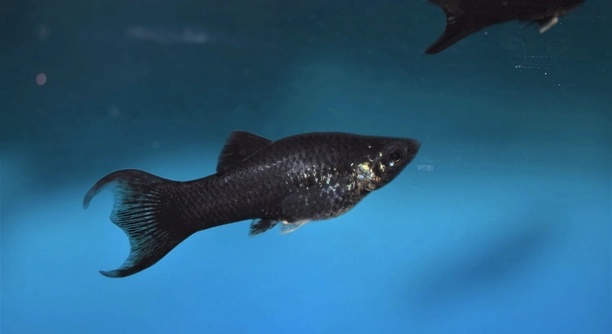
Black Molly fish are lively and social pets that thrive in well-maintained aquariums. Encouraging schooling behavior can make your tank more dynamic and create a sense of harmony among your fish friends. Observing them together is enjoyable.
Encouraging schooling in Black Molly involves providing adequate space, maintaining water quality, offering consistent feeding schedules, introducing multiple fish simultaneously, and ensuring compatible tank mates. Structured environments and social interactions promote natural group swimming behavior efficiently.
Understanding these simple strategies can help your Black Mollies feel secure and active in their habitat, creating a more balanced and visually appealing aquarium environment.
Provide Adequate Space
Black Mollies need room to swim freely. A crowded tank can make them stressed and less likely to school. Ideally, each adult fish should have at least 5 gallons of water. Wide open areas encourage movement and allow them to interact naturally. Plants and decorations should be spaced out, giving clear swimming paths. Avoid tall decorations that block sightlines, as Black Mollies feel safer when they can see other fish. A larger tank also helps maintain stable water conditions, which is crucial for their health. Observing them in an uncluttered environment makes it easier to notice schooling patterns and individual behaviors.
A spacious tank makes it easier for Black Mollies to gather and move as a group, which is key to healthy schooling behavior.
Providing more room reduces stress, allows natural swimming patterns, and helps maintain a visually appealing and active aquarium. Clear spaces and minimal obstructions support their social behavior and encourage group cohesion.
Maintain Stable Water Conditions
Stable water conditions are vital for Black Mollies. Sudden changes in temperature, pH, or hardness can disrupt their behavior and prevent schooling.
Water quality affects both health and social interactions. Black Mollies prefer temperatures between 72-78°F, a pH of 7.0-8.5, and moderate hardness. Regular water changes, at least 25% weekly, help remove toxins and maintain consistency. Using a reliable heater and filter ensures that conditions remain stable, reducing stress. Stress from fluctuating water parameters can make Mollies hide or swim erratically, disrupting schooling. Adding live plants not only improves water quality but also offers natural cover, making fish feel secure. Monitoring parameters with test kits is an effective way to keep conditions within the ideal range. Consistent feeding schedules also contribute to stability, ensuring they stay healthy and active. Healthy fish are more likely to swim together, forming natural schools and displaying typical social behavior.
Introduce Multiple Fish at Once
Adding several Black Mollies together encourages immediate social interaction. Fish introduced one by one may stay isolated and avoid forming a school.
Introducing a group at the same time allows them to explore and adapt collectively. They quickly establish social bonds and recognize each other, which encourages synchronized swimming. Observing them, you can notice how they start to align movements and swim in unison. Slowly introducing a few fish at a time can create stress, as newcomers may be chased or ignored. A group introduction ensures all fish feel secure, improving confidence and promoting natural schooling behavior.
Grouping multiple fish reduces territorial disputes and enhances collective swimming. When fish feel safe together, they are more likely to follow one another, creating visually appealing and healthy schooling patterns in the tank.
Offer Hiding Spots
Black Mollies need places to retreat when feeling threatened or stressed. Hiding spots give them confidence to swim openly later.
Providing caves, dense plant areas, or ornaments creates safe zones within the tank. Fish use these spaces to escape sudden movements, aggressive tank mates, or bright light. When Mollies feel secure, they are more willing to explore and swim together. Hiding areas reduce stress, which directly impacts their willingness to school. Overcrowding or lack of cover can make fish hide constantly, limiting their social behavior. Strategic placement of shelters allows fish to interact without feeling exposed. Maintaining a balance between open swimming areas and hiding spots ensures fish can form natural groups. Regular observation helps identify which areas are preferred, allowing adjustments to improve their comfort.
Feed Consistently
Regular feeding helps Black Mollies feel secure and reduces competition. Predictable meals encourage calm, coordinated swimming.
Offering food at the same time daily allows fish to anticipate feeding and focus on social interaction afterward. Inconsistent feeding can create stress and disrupt schooling behavior, making fish scatter or compete aggressively.
Use Compatible Tank Mates
Choosing compatible species ensures Mollies are not stressed or harassed. Aggressive or very passive fish can disrupt schooling.
Tank mates should share similar water requirements and temperaments. Peaceful, mid-level swimmers complement Mollies, allowing them to maintain group cohesion. Introducing incompatible fish can lead to hiding, chasing, or even injury, reducing the likelihood of consistent schooling. Careful selection supports a balanced ecosystem and encourages natural group behavior.
Gradually Adjust Lighting
Black Mollies respond well to stable lighting patterns, which support normal activity levels and schooling behavior.
Gradual changes in brightness help fish adapt without sudden stress, keeping them active and confident in the tank.
How many Black Mollies should be kept together?
Black Mollies are social fish and do best in small groups. Keeping at least three to five together encourages natural schooling behavior. A larger group allows them to feel secure and reduces aggression. When housed alone or in pairs, they may become shy, hide more often, or swim erratically. The group size also depends on the tank’s capacity; more fish require more space to prevent stress and overcrowding. Observing their interactions helps determine if the group is balanced and comfortable, allowing them to swim and interact naturally.
Can Black Mollies school with other fish species?
Yes, but only with compatible species. Peaceful, similarly sized fish with comparable swimming speeds work best. Avoid aggressive or very slow-moving species, as they can disrupt schooling patterns or cause stress. Tank mates like guppies or platies usually coexist well. Introducing new species slowly and monitoring behavior ensures harmony. Stress from incompatible companions can cause hiding, reduced activity, or erratic swimming, preventing Mollies from forming a proper school. Maintaining stable water parameters and providing enough space helps all species coexist comfortably, allowing Mollies to display natural group swimming behavior.
What water conditions are ideal for schooling?
Stable water conditions are essential. Black Mollies thrive in temperatures between 72-78°F, pH levels of 7.0-8.5, and moderate hardness. Sudden changes in temperature or chemistry cause stress, which can prevent schooling. Regular water testing and partial weekly changes help maintain stability. Using a reliable heater and filter ensures consistent conditions. Stress-free Mollies swim more confidently and stay close to each other, forming cohesive schools. Plants and hiding spots contribute to a secure environment, which also supports synchronized swimming. Monitoring water quality allows you to spot issues before they affect schooling behavior.
How important is tank size for schooling?
Tank size directly affects schooling. Black Mollies need room to swim freely and avoid stress. A tank that is too small limits movement, reduces social interaction, and can cause aggression. For a small group, at least 20 gallons is recommended. Larger tanks allow multiple fish to swim side by side and create visually appealing group patterns. Adequate space also improves water quality, making fish healthier and more active. Observing fish in a spacious tank shows more natural schooling behavior, where they swim in coordinated groups rather than scatter or hide.
Do feeding habits affect schooling?
Yes, consistent feeding supports social behavior. Mollies anticipate meals and gather together when they feel secure. Irregular feeding schedules create competition, stress, and erratic swimming, disrupting schooling patterns. Feeding at the same time daily reduces tension and encourages group interaction afterward. Using high-quality flake food or small pellets ensures balanced nutrition without overfeeding. Observing how fish feed together can indicate their comfort levels and cohesion as a school. Regular, measured feeding reinforces positive behavior and helps them maintain natural, synchronized swimming in the tank environment.
Can lighting influence Black Molly schooling?
Lighting has a strong effect on activity levels. Sudden bright lights can startle fish, causing them to scatter, while low or stable lighting encourages calm swimming. Gradually adjusting brightness helps Mollies adapt, reducing stress and promoting natural schooling. A consistent day-night cycle signals feeding times and activity periods, keeping fish active in unison. Overly bright or inconsistent lighting can trigger hiding or erratic movements, preventing cohesive group behavior. Proper lighting, combined with hiding spots and stable water conditions, supports confident and synchronized swimming among Black Mollies.
How do hiding spots affect social behavior?
Hiding spots help Mollies feel secure. Shelters like plants, caves, or decorations provide refuge when they feel threatened. When fish feel safe, they swim more openly and interact with the group, forming stronger schooling patterns. Without adequate cover, fish may stay isolated, reducing overall group cohesion. Balanced tank design with both open swimming areas and hiding spots supports confidence, reduces stress, and encourages coordinated movement. Observing which areas Mollies use most can guide adjustments, ensuring the tank layout enhances natural schooling behavior.
Keeping Black Mollies in a tank can be very rewarding, especially when they display natural schooling behavior. These fish are social by nature, and when provided with the right conditions, they form groups that swim together in harmony. Watching a well-coordinated school of Black Mollies can be calming and enjoyable. The key is to create an environment that balances space, water quality, and social interactions. Each factor plays a role in their confidence and willingness to move together as a group. Simple adjustments in the tank setup, like spacing decorations and adding plants, can make a noticeable difference in how freely they swim. Ensuring they are not stressed by overcrowding or aggressive tank mates is equally important, as stress can quickly disrupt their schooling behavior.
Feeding routines and water conditions are also crucial for promoting group swimming. Black Mollies respond well to predictable meal times and stable water parameters. Sudden changes in temperature, pH, or water hardness can cause stress, making them hide or swim erratically. Regular water testing and partial weekly water changes help maintain a healthy and stable environment. Offering balanced nutrition and feeding at consistent times encourages Mollies to feel secure, which allows them to focus on interacting with each other rather than competing for food. Additionally, gradual adjustments in lighting help maintain calm behavior and prevent sudden reactions that can break up a school. Hiding spots like caves or dense plant areas give them options to retreat when needed, making them more confident and active in open areas of the tank.
Introducing multiple Black Mollies at once and choosing compatible tank mates strengthens their natural tendency to school. A group introduced together learns to recognize and follow each other, forming a cohesive unit faster than if fish are added individually over time. Peaceful companions with similar swimming habits support this behavior, while aggressive or overly passive fish can interfere and cause stress. Observing their movements and interactions provides insight into the group’s comfort level and social dynamics. By carefully managing space, water quality, feeding, and tank mates, you can create a balanced environment where Black Mollies thrive. Consistent care and attention to these details not only improve their health but also encourage natural schooling behavior, making your aquarium more lively and visually appealing. With patience and proper maintenance, these small steps add up to a happier, healthier group of fish that swim confidently together.

Hello,
If you enjoy the content that we create, please consider saying a "Thank You!" by leaving a tip.
Every little bit helps us continue crafting quality advice that supports the health, happiness, and well-being of pets around the world, for pets of all shapes, sizes, and species.
We really appreciate the kindness and support that you show us!