
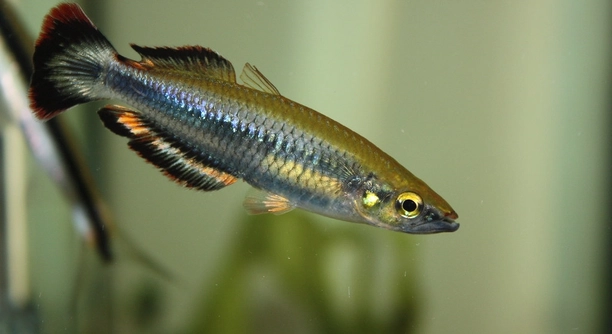
Rainbowfish are known for their vibrant colors and active movements, making them a favorite among aquarium enthusiasts. Their graceful swimming and sudden fin flicks often catch the attention of both new and experienced fish keepers.
A rainbowfish flicks its fins for several reasons, including communication with other fish, displaying territorial behavior, signaling stress, or as part of mating displays. This movement is a natural and instinctive action crucial for social and environmental interactions.
Observing these behaviors can provide valuable insight into your rainbowfish’s well-being and the overall harmony of your aquarium environment.
Understanding Rainbowfish Communication
Rainbowfish often use fin flicking as a form of communication. This movement can signal dominance or submission within their group. When one fish flicks its fins rapidly, others may interpret it as a warning or an invitation to interact. Observing these signals helps you understand the social hierarchy in your aquarium.
Fin flicking also occurs during feeding times.
In addition to social cues, fin flicking can indicate excitement or alertness. When introducing new fish or rearranging the tank, rainbowfish may flick their fins more frequently. This behavior is their way of processing changes and establishing boundaries. Over time, you can notice patterns in their flicking, helping you recognize when they are stressed or content. Proper observation allows for better care, as it informs you when adjustments in tank size, decorations, or hiding spots may be needed. Overall, fin movements are subtle yet meaningful signals that reflect a rainbowfish’s state of mind and environment.
Environmental Influences
Changes in water temperature and quality often trigger fin flicking.
Water conditions directly impact rainbowfish behavior. Poor water quality, incorrect temperature, or low oxygen levels can cause stress, leading to increased fin flicking. Maintaining stable and clean water helps reduce unnecessary movements. Decorations, plants, and open swimming areas also affect how and when they flick their fins. Regular monitoring of water parameters ensures rainbowfish remain healthy and comfortable. Proper lighting and gentle filtration further contribute to their sense of safety, minimizing stress-related behaviors. Observing their movements in response to environmental factors allows you to anticipate potential problems and make timely adjustments, ensuring a balanced and peaceful tank. By understanding how these external conditions influence fin flicking, you can create an optimal habitat that promotes natural behaviors while reducing stress, ultimately supporting both their physical health and social interactions within the aquarium.
Stress and Fin Flicking
Rainbowfish may flick their fins when stressed due to sudden changes or overcrowding. Stress signals are subtle but noticeable, often accompanied by rapid swimming or hiding.
Stress triggers include loud noises, frequent handling, or aggressive tank mates. These factors can make rainbowfish uneasy, prompting fin flicking as a coping mechanism. Observing the context of the flicks helps identify the source of stress. Adjusting tank conditions, reducing disturbances, and providing hiding spaces can help them feel secure. Over time, a calm environment reduces unnecessary fin flicking, promoting natural behaviors and overall health.
Consistent monitoring is essential. When rainbowfish repeatedly flick their fins under similar circumstances, it is a reliable indicator of environmental stress. Addressing these triggers promptly prevents long-term issues such as weakened immunity or erratic behavior. Incorporating plants, rocks, or decorations allows for refuge, giving the fish control over their environment. Gradual acclimation to new tank mates or rearrangements reduces stress responses. Tracking patterns of fin flicking alongside water quality checks ensures a harmonious and stable habitat, keeping rainbowfish healthy and active.
Mating and Display Behaviors
Male rainbowfish often flick their fins to attract females or assert dominance. This movement is a display of strength and vitality, signaling reproductive readiness. The intensity and frequency of fin flicking usually increase during breeding periods.
During mating, males may perform more exaggerated flicks and display their full coloration to catch female attention. These behaviors are natural and necessary for reproductive success. Females observe and respond by showing interest or retreating, influencing which males are more successful. Timing, tank setup, and the presence of hiding spots affect how these displays occur. Providing ample space and visual barriers ensures displays remain healthy without causing stress or aggression. Observing these interactions provides insight into social dynamics and reproductive health, allowing for better management of breeding environments.
Health Indicators
Frequent fin flicking can signal health issues in rainbowfish. Illness, parasites, or fin damage often cause unusual movements.
Monitoring changes in fin behavior alongside appetite and swimming patterns helps detect problems early. Prompt action can prevent serious health complications and improve recovery chances.
Territorial Behavior
Rainbowfish establish territories within the tank, and fin flicking is part of asserting dominance. This behavior helps maintain social order and reduces conflicts. Fish may chase intruders or display intense flicking to protect their preferred space, especially around feeding areas or hiding spots. Observing these patterns allows adjustments in tank layout to minimize aggression and ensure each fish has adequate room. Proper spacing, visual barriers, and group management prevent excessive stress and maintain harmony, allowing rainbowfish to coexist without constant confrontation, preserving both their well-being and natural behavior.
Environmental Adjustments
Changing tank decorations or adding plants can influence fin flicking frequency. These adjustments provide security and reduce stress.
Observing Patterns
Noting when and how often fin flicking occurs helps identify underlying causes, allowing better care and habitat management.
FAQ
Why does my rainbowfish flick its fins constantly?
Constant fin flicking is usually a response to stress, social interaction, or environmental changes. Overcrowded tanks, aggressive tank mates, sudden water changes, or loud disturbances can trigger repeated flicking. Monitoring the fish and checking water quality, tank layout, and population density often helps identify the cause.
Can fin flicking indicate illness?
Yes, unusual or excessive fin flicking can be a sign of illness or parasites. Look for other symptoms like clamped fins, discoloration, lethargy, or loss of appetite. Prompt observation and, if needed, consultation with a fish health professional ensures early intervention.
Do male and female rainbowfish flick fins differently?
Males often flick their fins more during mating displays or when asserting dominance. Females may flick their fins to show interest or react to male displays. The intensity and frequency are typically higher in males during breeding periods.
Does tank size affect fin flicking?
Smaller tanks can increase fin flicking due to limited space and territorial disputes. Providing adequate swimming space and visual barriers reduces unnecessary flicking and promotes natural behavior.
Are certain tank mates more likely to trigger fin flicking?
Yes, aggressive or highly active species may provoke fin flicking as a defensive or communicative response. Peaceful, compatible tank mates help reduce stress and unnecessary displays.
How does water quality impact fin flicking?
Poor water quality, incorrect temperature, or low oxygen levels can cause stress-related fin flicking. Regular water testing, proper filtration, and stable conditions are essential to minimize stress and maintain healthy behavior.
Is fin flicking related to feeding?
Rainbowfish sometimes flick their fins during feeding to communicate excitement or establish feeding order. Observing flicking patterns during feeding helps determine if it is normal social behavior.
Can decorations or plants influence fin flicking?
Yes, decorations and plants provide hiding spaces and territories. Well-placed structures reduce aggression, allow control over their environment, and decrease stress-related fin flicking.
Should I separate a fish that flicks its fins excessively?
Separation may be necessary if fin flicking is aggressive or persistent due to bullying or dominance disputes. Monitoring interactions helps decide if tank adjustments or temporary separation are needed.
Will fin flicking stop as fish get used to the tank?
Often, yes. Rainbowfish may flick their fins more when first introduced to a tank or after changes. As they acclimate and establish territories, fin flicking typically becomes less frequent.
Can fin flicking indicate breeding readiness?
Yes, males flick their fins to attract females and assert dominance during breeding periods. Recognizing these signals helps manage mating behavior and tank conditions effectively.
How can I reduce stress-related fin flicking?
Maintain stable water conditions, provide hiding spots, choose compatible tank mates, and avoid frequent disturbances. Observing fish behavior and adjusting the environment promotes calm and natural fin movements.
Is fin flicking dangerous for the fish?
In most cases, fin flicking is harmless and a normal part of communication. Excessive or aggressive flicking may cause stress or injury, but with proper monitoring and adjustments, the risk is minimal.
Does lighting affect fin flicking?
Bright or fluctuating light may cause stress-related fin flicking. Using consistent, moderate lighting and providing shaded areas helps maintain a comfortable environment.
Can I train my rainbowfish to reduce fin flicking?
While you cannot train rainbowfish in the traditional sense, creating a calm, stable environment with proper tank setup reduces stress and excessive fin flicking naturally.
How do I know if fin flicking is normal?
Normal fin flicking occurs intermittently during social interactions, feeding, or minor environmental changes. If it becomes frequent, aggressive, or paired with other symptoms, it may indicate stress or health issues.
Does fin flicking vary by species of rainbowfish?
Yes, some species are more active and expressive, leading to more noticeable fin flicking. Understanding the behavior of your specific species helps interpret movements accurately.
Can changes in diet affect fin flicking?
A balanced diet keeps fish healthy and reduces stress, indirectly influencing fin flicking. Nutritional deficiencies or sudden diet changes may increase restlessness and flicking behavior.
Are juvenile rainbowfish more likely to flick their fins?
Juveniles often flick fins more as they explore, establish social order, and react to environmental stimuli. Frequency typically decreases as they mature and territories stabilize.
Should I record fin flicking behavior?
Yes, keeping notes or videos of fin flicking patterns helps identify triggers, monitor health, and assess the effectiveness of environmental changes. This makes it easier to address issues before they escalate.
Final Thoughts
Rainbowfish are lively and expressive creatures, and their fin flicking is an important part of their behavior. Observing these movements gives insight into how the fish feel, interact, and respond to their surroundings. Whether the flicking is a response to environmental changes, social interaction, or stress, it is a natural action that plays a role in their daily life. Paying attention to these subtle cues allows for better care and helps maintain a balanced aquarium environment.
Understanding the reasons behind fin flicking can help prevent unnecessary stress and ensure the health of your rainbowfish. Changes in tank conditions, such as water temperature, quality, or space, can influence fin movements. Aggressive or overly active tank mates may also trigger flicking as a defensive or communicative response. By monitoring these factors, adjusting the tank layout, and providing hiding spaces, it is possible to create an environment where rainbowfish feel secure and display their natural behaviors comfortably. Regular observation is key to recognizing patterns and responding appropriately.
Proper care and attention to fin flicking ultimately support the well-being of rainbowfish. Balanced diets, stable water conditions, compatible tank mates, and thoughtful decorations all contribute to a calm and healthy habitat. Even when fin flicking is part of mating displays or establishing territory, it is important to provide enough space and structure to minimize conflicts and stress. Understanding these behaviors and responding thoughtfully allows rainbowfish to thrive and display their full colors and activity naturally. Observing, adjusting, and maintaining these conditions ensures that fin flicking remains a normal, healthy part of life in the aquarium.

Hello,
If you enjoy the content that we create, please consider saying a "Thank You!" by leaving a tip.
Every little bit helps us continue crafting quality advice that supports the health, happiness, and well-being of pets around the world, for pets of all shapes, sizes, and species.
We really appreciate the kindness and support that you show us!