
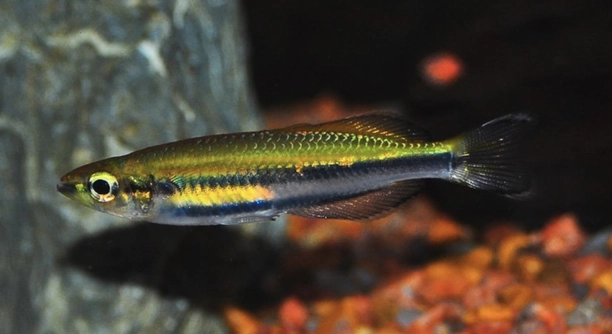
Rainbowfish are known for their bright colors and active nature, yet they often display behaviors that can puzzle even experienced aquarists. Observing these unexpected actions can provide insights into their health, social interactions, and environment.
Several rainbowfish behaviors that may seem unusual, such as sudden darting, surface skimming, or territorial displays, are natural responses to environmental stimuli, social hierarchy, and feeding patterns. Understanding these actions helps maintain optimal conditions for their well-being.
Recognizing these behaviors can improve your care routine and foster a more harmonious aquarium environment for your rainbowfish companions.
Sudden Darting and Flashing Movements
Rainbowfish often make quick, sharp movements that can catch you off guard. This behavior is usually a response to perceived threats or sudden changes in their environment. Bright lights, fast hand movements, or sudden noises can trigger these reactions. While it may seem alarming, it is a natural survival instinct that helps them react quickly. In an aquarium, providing hiding spots and calm surroundings can reduce the frequency of sudden darting. Observing their body language during these bursts can help you distinguish between normal activity and signs of stress. Some rainbowfish may also dart during feeding times, excited by the movement of food. These flashes of activity are often brief and should not be a cause for concern. Keeping the water quality stable and minimizing sudden changes in the tank environment can make these bursts less frequent, allowing you to enjoy their calmer, more graceful movements throughout the day.
This quick movement helps rainbowfish stay alert and react to their surroundings, ensuring their safety and comfort in the tank.
By paying attention to the triggers of darting behavior, you can make subtle adjustments to lighting, feeding routines, and tank layout. Reducing stress factors like overcrowding or sudden disturbances allows rainbowfish to feel more secure. Some species may show more energetic bursts than others, which is a normal variation rather than a health issue. Watching them interact with tank mates during these moments can also reveal aspects of their social structure, such as establishing dominance or exploring new areas. Consistent observation can guide you in creating a balanced environment that encourages both activity and relaxation. Over time, this understanding fosters a tank where rainbowfish can display their natural colors and behaviors without excessive stress.
Surface Skimming and Bubble Interaction
Rainbowfish sometimes swim near the water surface, skimming bubbles or chasing reflections. This behavior is linked to feeding instincts and curiosity.
Surface skimming can indicate healthy activity levels and engagement with the environment.
Regularly observing this behavior provides insight into their feeding preferences and social dynamics. It can also reveal water quality issues, as they may linger at the surface if oxygen levels are low. Adjusting aeration and ensuring proper feeding can enhance their well-being. Some rainbowfish are naturally more curious, enjoying interactions with moving objects or floating food. This activity should be encouraged with floating pellets or gentle tank decorations. Providing a stimulating, safe environment allows rainbowfish to express these behaviors, contributing to their overall vitality and vibrant appearance.
Territorial Displays
Rainbowfish often stake out areas in the tank, chasing others from their preferred spots. This behavior is natural, reflecting their social hierarchy. Maintaining enough space and visual barriers helps reduce conflicts, keeping interactions less stressful for all fish involved.
Territorial behavior can become more pronounced during feeding or breeding periods. Males often assert dominance by flaring fins, chasing rivals, or occupying prominent areas near plants and decorations. Observing these interactions helps you understand their social structure and identify overly aggressive individuals. Providing multiple hiding spots and dividing the tank visually can minimize tension. Avoid overcrowding, as limited space often intensifies aggressive behavior. When managed correctly, these displays are a normal aspect of rainbowfish life and rarely indicate health problems.
Understanding which fish are more dominant allows you to arrange the tank to accommodate different personalities. Some rainbowfish may tolerate each other more easily, while others need extra space. Adjusting feeding schedules and adding subtle barriers can prevent constant chasing. Recognizing patterns in territorial behavior also aids in monitoring stress levels. A calm, structured environment reduces the need for constant displays of dominance, letting rainbowfish coexist peacefully. Regular observation ensures any excessive aggression is addressed quickly, maintaining a balanced and healthy aquarium.
Flashing Colors During Social Interaction
Rainbowfish often brighten or change intensity of colors when interacting with other fish. This signaling helps establish social order and attract attention.
Color flashing serves as communication, indicating readiness to mate, asserting dominance, or responding to environmental changes.
During social interaction, males often display the most vivid colors, especially near females or when defending territory. These changes can happen quickly, triggered by movement, lighting, or the presence of rivals. Female rainbowfish also exhibit subtle color shifts, reflecting mood or stress. Lighting in the tank can amplify these effects, making the behavior more noticeable. Observing these color displays can reveal patterns in hierarchy, mating readiness, and compatibility. Over time, understanding these signals allows for better tank management, helping prevent conflicts and encouraging healthy social interactions among rainbowfish.
Hiding and Seeking Shelter
Rainbowfish often retreat to plants or decorations when they feel stressed or need privacy. This behavior helps them feel secure and maintain a sense of territory. Providing adequate hiding spots reduces anxiety and supports natural instincts.
Even confident fish sometimes seek shelter during sudden changes in lighting, feeding, or tank activity. Hiding allows them to observe their surroundings safely without engaging in direct conflict or overexertion.
Fin Flicking and Tail Movements
Rapid flicking of fins or tail movements is common in rainbowfish. These gestures can indicate excitement, irritation, or a response to nearby fish. Observing the context helps determine whether it is playful, defensive, or related to social signaling.
Schooling Patterns
Rainbowfish swim together in coordinated groups, a behavior that offers safety and social interaction. Schooling reduces stress and provides a natural structure for their daily activities.
Digging and Substrate Interaction
Rainbowfish may disturb the substrate while exploring or searching for food. This behavior encourages natural foraging instincts and helps them stay active within the tank environment.
What causes rainbowfish to dart suddenly in the tank?
Rainbowfish dart quickly as a natural response to perceived threats or sudden changes in their environment. Bright lights, loud noises, or fast hand movements often trigger these bursts. They are instinctual survival behaviors, allowing the fish to escape potential danger quickly. Observing these moments helps you distinguish between normal activity and signs of stress.
Why do rainbowfish skim the water surface?
Surface skimming is often linked to feeding instincts and curiosity. Rainbowfish may chase bubbles, floating food, or reflections. This behavior also indicates healthy activity levels. Sometimes, fish linger near the surface if oxygen levels are low, so monitoring aeration and water quality ensures they stay comfortable and active.
How can I manage territorial behavior?
Rainbowfish establish territories, especially males during breeding periods. They chase rivals, flare fins, and occupy preferred spots. Providing ample space, visual barriers, and hiding places reduces aggression. Avoid overcrowding, as limited space increases tension. Observing interactions helps you understand social hierarchies and manage dominant or aggressive individuals effectively.
What does flashing colors mean?
Color changes signal communication. Males display vivid colors to attract females or assert dominance, while females show subtler shifts to indicate mood or stress. Lighting enhances these displays, making it easier to observe social interactions and monitor health. Recognizing patterns can help prevent conflicts in the tank.
Why do rainbowfish hide in plants or decorations?
Hiding provides security and helps reduce stress. Fish retreat during sudden changes in lighting, feeding, or activity. Even confident rainbowfish use shelters to observe safely. Providing sufficient hiding spots allows them to feel secure and maintain natural instincts, supporting a calmer, healthier environment.
What does fin flicking indicate?
Rapid fin or tail movements can signal excitement, irritation, or social communication. Context matters—flicking during feeding may show excitement, while flicking near rivals can indicate defensiveness. Regular observation helps interpret behavior and maintain a balanced social structure in the tank.
Why do rainbowfish school together?
Schooling offers safety and social interaction. Coordinated swimming reduces stress and provides structure. It also helps them respond to changes in the tank environment efficiently. Maintaining a suitable group size ensures they display natural schooling patterns and feel secure.
Is digging or substrate disturbance normal?
Yes, rainbowfish often disturb substrate when exploring or searching for food. This behavior encourages natural foraging instincts and keeps them active. Providing a suitable substrate allows this behavior safely, enriching their environment and promoting overall well-being.
How can I tell if darting or hiding indicates stress?
Stress behaviors usually occur more frequently and are accompanied by lethargy, loss of appetite, or color fading. Normal darting and hiding happen briefly and intermittently. Monitoring patterns and environmental factors helps you address underlying issues, such as water quality or social tension, before they escalate.
Can rainbowfish coexist with other species easily?
They generally adapt well to peaceful community tanks. Avoid aggressive species that may intimidate or stress rainbowfish. Observing interactions and providing adequate space and hiding spots supports harmony. Schooling with their own kind also reinforces security and natural social behavior.
How does lighting affect rainbowfish behavior?
Lighting influences activity, color intensity, and stress levels. Sudden changes may trigger darting or hiding. Balanced, consistent lighting encourages normal behavior and enhances color displays. Observing reactions to light adjustments helps optimize tank conditions.
Are rainbowfish more active during certain times?
Rainbowfish are diurnal, showing peak activity during daylight hours. They rest at night or under low light. Understanding their activity patterns allows you to schedule feeding and maintenance around their natural rhythm.
What should I do if aggressive behavior persists?
Persistent aggression may require rearranging decorations, adding visual barriers, or separating overly dominant fish temporarily. Maintaining proper group size and spacing reduces stress. Regular observation ensures any long-term issues are addressed promptly, preserving a stable and healthy tank environment.
How often should I monitor their behavior?
Daily observation is ideal. Noticing subtle changes in darting, hiding, or color displays helps detect stress or health issues early. Keeping a routine allows for timely interventions, ensuring rainbowfish remain active, colorful, and socially balanced.
Can diet influence unusual behaviors?
Yes, feeding quality and quantity affect activity levels, color intensity, and social interactions. A varied diet with appropriate nutrition supports energy, reduces aggression, and encourages natural behaviors. Monitoring responses to feeding helps adjust diet for optimal health and behavior.
How do environmental changes impact rainbowfish?
Temperature fluctuations, poor water quality, or overcrowding can trigger stress behaviors such as darting, hiding, or fin flicking. Gradual changes and proper tank maintenance minimize stress, ensuring rainbowfish display natural, healthy behaviors consistently.
What is the best way to introduce new fish?
Introduce new rainbowfish slowly, using quarantine procedures and gradual acclimation. Observing interactions ensures compatibility and minimizes aggression. Proper introduction maintains social stability and reduces stress for both existing and new fish.
Do rainbowfish show signs of bonding?
They exhibit social cohesion through schooling and gentle interactions. Coordinated swimming, color displays, and shared spaces reflect comfort with tank mates. Recognizing these signs helps maintain a harmonious environment and reinforces positive social behavior.
How important is tank size for behavior?
Sufficient space reduces aggression, encourages schooling, and allows exploration. Overcrowded tanks amplify stress behaviors like darting, hiding, or chasing. Providing an appropriately sized aquarium supports healthy, natural activity patterns and vibrant displays of color.
Can stress affect their lifespan?
Chronic stress from poor water quality, aggressive tank mates, or inadequate space can shorten lifespan. Maintaining stable conditions, monitoring interactions, and supporting natural behaviors promote long-term health and longevity.
Rainbowfish are fascinating creatures that display a variety of behaviors reflecting their instincts, social dynamics, and environmental responses. From darting suddenly to skimming the water surface, each action has a purpose rooted in survival or communication. Understanding these behaviors can make it easier to care for them and ensure they thrive in an aquarium setting. Observing their patterns closely allows you to recognize normal behavior and distinguish it from signs of stress or illness. Even small changes in movement, color, or social interactions can provide important clues about their well-being. By paying attention to these cues, you can create an environment that supports their natural instincts while maintaining harmony among tank mates.
Providing the right environment plays a significant role in encouraging healthy behaviors. Adequate hiding spots, a proper group size, and visual barriers reduce stress and minimize aggression. Stable water conditions, balanced lighting, and a nutritious diet also influence activity levels, coloration, and social interactions. Rainbowfish benefit from a consistent routine, including feeding schedules and regular maintenance. When their surroundings meet their needs, they are more likely to display positive behaviors, such as coordinated schooling, color flashing, and natural foraging. Observing interactions between individuals can provide insight into social hierarchies and compatibility. Adjusting the tank layout or introducing subtle changes can support shy or subordinate fish while managing more dominant individuals. Over time, these adjustments create a stable, healthy, and visually appealing aquarium.
Focusing on understanding rainbowfish behaviors can enhance the overall experience of keeping them. Recognizing why they dart, hide, flick fins, or interact socially allows you to respond appropriately without unnecessary concern. These behaviors reflect their natural instincts and personality traits rather than problems. By fostering an environment that meets their physical and social needs, you ensure they remain active, colorful, and healthy. Careful observation, combined with thoughtful adjustments to the tank setup and daily routines, encourages positive behaviors and minimizes stress. Ultimately, appreciating these behaviors strengthens your connection to the fish while supporting their well-being, making the aquarium a balanced and engaging space for both you and your rainbowfish.

Hello,
If you enjoy the content that we create, please consider saying a "Thank You!" by leaving a tip.
Every little bit helps us continue crafting quality advice that supports the health, happiness, and well-being of pets around the world, for pets of all shapes, sizes, and species.
We really appreciate the kindness and support that you show us!