
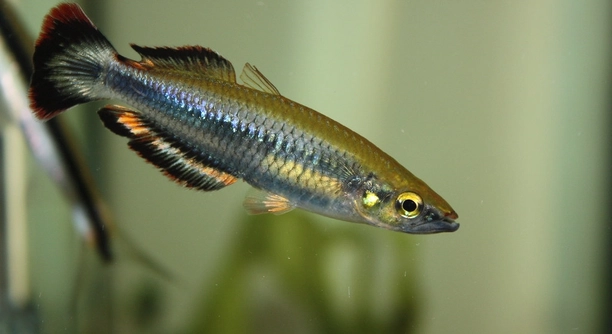
Do you ever feel unsure when setting up your rainbowfish tank, worried that something might go wrong? Many new fishkeepers struggle to provide the right care, often making mistakes that confuse these colorful, sensitive fish.
Rainbowfish often become stressed or display unusual behavior due to common beginner errors such as incorrect water parameters, overcrowding, sudden changes, poor diet, or improper tank decoration. Understanding and correcting these mistakes can significantly improve their well-being and natural behavior.
Learning these basics will help you create a healthier environment for your rainbowfish and avoid unnecessary stress in their daily life.
Overcrowding the Tank
Many beginners make the mistake of adding too many rainbowfish to a single tank. These fish need space to swim freely, and overcrowding can cause stress, aggression, and poor water quality. When there are too many fish, they compete for food, hideouts, and oxygen, which impacts their health. Overcrowding also makes it harder to maintain stable water conditions, as waste builds up faster than usual. Observing the size of your tank and the number of fish it can comfortably support is crucial. Adult rainbowfish need roughly one gallon per inch of fish, but this depends on species and behavior. Providing proper swimming space encourages natural behavior, reduces stress, and prevents disease. Carefully planning your tank population from the beginning ensures a calmer and healthier environment for your fish. Small adjustments, like removing excess fish or upgrading tank size, can make a significant difference in their overall well-being.
Keeping the tank at a reasonable population prevents stress and ensures healthier, more active rainbowfish with less chance of disease or aggression.
Many people underestimate how fast rainbowfish grow and how active they are. Even a seemingly spacious tank can feel cramped if the fish are constantly moving and interacting. A crowded tank also makes regular maintenance harder, as cleaning becomes more complicated. Over time, stress from limited space can weaken their immune system, making them more susceptible to illness. Separating fish by size and species, or increasing tank volume, helps maintain harmony and reduces stress. Watching your rainbowfish closely will show if they are comfortable or if changes are needed. Keeping a few extra hiding spots and plants can also ease tension, giving shy fish a place to retreat. Planning tank population carefully is an investment in their long-term health. Proper spacing encourages natural schooling, playful behavior, and bright coloration, which is one of the main joys of keeping rainbowfish. By observing their behavior and adjusting accordingly, you can maintain a thriving, balanced tank that benefits both the fish and the caretaker.
Ignoring Water Parameters
Rainbowfish are sensitive to water conditions, and beginners often overlook the importance of temperature, pH, and hardness. Maintaining stable parameters is key to preventing stress and disease. Fluctuations can lead to sudden illness or color fading, which may not always be obvious immediately.
Monitoring water with reliable test kits, performing regular water changes, and using a quality filter can stabilize the tank. Gradually acclimating fish to any changes ensures they adjust without shock. Temperature should typically remain between 74-78°F, pH around 6.5-7.5, and moderate hardness. Small adjustments over time prevent sudden stress and help the fish display natural behavior.
Maintaining proper water conditions is essential for rainbowfish health. These fish are more sensitive than many beginner aquarists realize. Poor water quality can trigger stress responses, like hiding, reduced feeding, or erratic swimming. Over time, this stress compromises the immune system, leading to disease and shortened lifespan. Frequent testing helps detect subtle changes before they become harmful. Using conditioners and dechlorinators ensures tap water is safe. Proper filtration removes debris and toxins while keeping oxygen levels stable. Observing behavior and coloration provides additional insight into water quality. Keeping water stable promotes natural swimming, schooling, and vibrant colors. When water conditions are consistently maintained, rainbowfish are more active, less aggressive, and easier to feed. Taking these steps early reduces long-term problems and creates a calmer, healthier tank for both fish and caretaker.
Sudden Changes in Environment
Rainbowfish do not handle sudden changes well. Moving them to a new tank, changing water too quickly, or adjusting temperature abruptly can cause stress. Stress may lead to hiding, loss of appetite, or illness. Gradual changes are essential for their health and comfort.
When performing water changes or adjusting temperature, it is important to do so slowly. Even small differences in pH or hardness can upset rainbowfish. Acclimating them over several hours reduces shock and allows their bodies to adjust naturally. Adding new decorations or rearranging plants should also be done in stages. Sudden changes can trigger erratic behavior or aggression between fish. Keeping a consistent schedule for feeding, cleaning, and water adjustments helps maintain stability. Observing the fish after any change ensures they are adapting well. Stress from abrupt changes can take days or weeks to resolve, so patience is key.
Rainbowfish rely on consistency to feel secure in their environment. Regular monitoring of water temperature, quality, and tank layout prevents unnecessary stress. Even small stressors, like strong lighting or loud vibrations near the tank, can affect them. Avoiding abrupt movements or adding new tankmates suddenly will help them remain calm. Maintaining a predictable routine encourages natural swimming, feeding, and social behavior. Over time, this stability improves their coloration and overall vitality. Providing a stable, predictable environment shows results in their behavior and health.
Poor Diet Choices
Rainbowfish require a varied diet to thrive. Feeding only flakes or a single type of food limits nutrition and can lead to health problems. Including live or frozen options is essential for their growth and color.
A balanced diet includes high-quality flakes or pellets as the staple, supplemented with live foods such as brine shrimp, daphnia, or bloodworms. Occasional frozen foods can also provide variety and necessary nutrients. Avoid overfeeding, as leftover food can pollute the tank and affect water quality. Feeding small amounts two to three times daily is ideal. Observing how much the fish consume helps prevent waste and maintains clean water. Proper nutrition supports growth, vibrant colors, and resistance to disease, making it easier to keep them healthy over time.
In addition to variety, paying attention to feeding behavior is important. Some rainbowfish are shy eaters, while others dominate mealtime. Ensuring all fish receive adequate food may require distributing food across different areas of the tank or hand-feeding certain individuals. Avoid feeding human food or low-quality substitutes, as these can upset digestion or cause deficiencies. Rotating between live, frozen, and dry foods ensures the fish get the right balance of protein, vitamins, and minerals. Proper feeding strengthens immune systems, reduces stress, and enhances natural behavior. A thoughtful approach to diet makes a noticeable difference in their health and vibrancy.
Lack of Hiding Spots
Rainbowfish feel safer with plants, rocks, or decorations where they can hide. Without these, they may become stressed or skittish, especially in community tanks with more active species. Providing cover supports natural behavior and reduces anxiety.
Hiding spots also help weaker or shy fish avoid aggression. Including live plants or artificial caves creates a balanced environment. Fish are more likely to explore and display their colors when they feel secure.
Overfeeding
Giving too much food at once can pollute the water and harm rainbowfish health. Uneaten food decays quickly, increasing ammonia and nitrite levels.
Overfeeding leads to obesity, poor water quality, and higher risk of disease. Feeding small portions that the fish can finish in a few minutes keeps the tank cleaner and the fish healthier. Monitoring feeding habits ensures all individuals get enough without waste. Consistent, measured portions support growth, vibrant coloration, and long-term well-being.
Ignoring Compatibility
Not all fish get along with rainbowfish. Aggressive or territorial species can stress or injure them, causing health issues. Choosing compatible tankmates prevents conflict.
Poor Lighting
Rainbowfish thrive under moderate lighting that mimics natural day-night cycles. Too bright or dim lighting can stress them, affect feeding, and dull their colors. Proper lighting supports natural behavior and overall health.
FAQ
How often should I feed my rainbowfish?
Rainbowfish should be fed two to three times a day in small portions. Only give as much food as they can consume in a few minutes. Overfeeding can pollute the water and cause health issues, so monitoring their intake is important.
Can rainbowfish live with other fish?
Yes, but compatibility matters. Rainbowfish are peaceful and do best with other non-aggressive species. Avoid large or territorial fish that may bully them. Providing hiding spots helps reduce stress when keeping them in a community tank.
What water temperature do rainbowfish need?
Rainbowfish prefer temperatures between 74°F and 78°F. Sudden changes in temperature can cause stress or illness. Using a reliable heater and thermometer ensures water remains stable and comfortable for them.
How important is water pH for rainbowfish?
Maintaining a pH between 6.5 and 7.5 is important. Rapid fluctuations can stress rainbowfish and weaken their immune system. Test the water regularly and make gradual adjustments if needed.
Do rainbowfish need live plants?
Live plants are not strictly necessary, but they provide hiding spaces and improve water quality. Plants also encourage natural behavior and reduce stress, helping rainbowfish feel secure.
How large should the tank be?
A minimum of 20 gallons is recommended for a small group of rainbowfish. Larger tanks provide more swimming space and make it easier to maintain stable water conditions. Overcrowding can lead to stress, aggression, and health problems.
What should I do if my rainbowfish are stressed?
Check water quality, temperature, and tank layout. Ensure they have enough space, hiding spots, and compatible tankmates. Gradual adjustments and a stable routine reduce stress and improve their overall well-being.
Can I use tap water for rainbowfish?
Yes, but it must be treated to remove chlorine, chloramine, and heavy metals. Using a dechlorinator ensures the water is safe and prevents damage to their gills and overall health.
How can I tell if my rainbowfish is healthy?
Healthy rainbowfish are active, eat regularly, and display bright coloration. Dull colors, erratic swimming, or loss of appetite may indicate stress, illness, or poor water quality. Regular observation helps catch problems early.
Do rainbowfish need a specific diet?
Yes, they need a varied diet. High-quality flakes or pellets should be the main food, supplemented with live or frozen options like brine shrimp, daphnia, or bloodworms. Variety supports growth, coloration, and immune health.
How often should I change the water?
Weekly water changes of 20-30% are recommended. Regular water changes remove waste, reduce toxins, and help maintain stable water parameters, keeping rainbowfish healthy and active.
Can I add decorations or rearrange the tank?
Yes, but do it gradually. Sudden changes can stress rainbowfish. Rearranging slowly and keeping hiding spots helps them adapt while maintaining natural behavior.
Do rainbowfish need special lighting?
Moderate lighting that mimics day-night cycles is ideal. Too bright or dim lighting can stress them and affect feeding and coloration. Providing a consistent light schedule supports their natural behavior and overall health.
How long do rainbowfish live?
With proper care, rainbowfish can live 5-8 years. Stable water conditions, a balanced diet, and a peaceful environment are key to longevity. Avoiding stressors and maintaining routine care helps them thrive for years.
Can rainbowfish breed in a home aquarium?
Yes, but they need clean water, a spacious tank, and appropriate breeding conditions. Adding fine-leaved plants or spawning mops encourages egg-laying. Separate the adults from the fry to prevent predation and improve survival rates.
Is it necessary to quarantine new fish?
Quarantining new fish for at least 2-3 weeks prevents disease introduction to the main tank. Observe them for signs of illness and treat if necessary before adding them to the established tank.
How do I reduce aggression in the tank?
Provide enough space, hiding spots, and compatible tankmates. Avoid overcrowding and monitor fish behavior. Minor aggression can occur, but these steps help maintain harmony and reduce stress for all fish.
Can rainbowfish tolerate slightly hard or soft water?
Rainbowfish are adaptable but prefer moderately hard water. Extreme softness or hardness can stress them. Gradually adjusting water hardness and monitoring behavior helps maintain health and coloration.
How do I know if my tank is too small?
Signs include constant chasing, hiding, or erratic swimming. If the fish cannot swim freely or appear stressed, it may be time to upgrade to a larger tank or reduce population density.
What is the best way to clean the tank?
Clean the tank regularly but avoid complete disruption. Partial water changes, vacuuming substrate, and gentle filter maintenance keep water quality high without stressing the fish. Over-cleaning can remove beneficial bacteria.
Can rainbowfish live in a community tank with aggressive species?
No, they thrive best with peaceful species. Aggressive or territorial fish can injure rainbowfish, causing stress or illness. Choosing compatible species ensures a calmer, healthier tank.
How often should I test water parameters?
Test weekly for pH, ammonia, nitrite, nitrate, and temperature. Frequent monitoring helps detect issues early and allows for corrective action before fish are affected.
Do rainbowfish need a heater in the tank?
Yes, maintaining a stable temperature of 74-78°F is crucial. A heater prevents fluctuations that can stress the fish and cause health problems, ensuring a consistent environment.
Can rainbowfish adapt to tap water without treatment?
No, untreated tap water may contain chlorine or chloramine, which is harmful. Always use a water conditioner to make it safe for rainbowfish.
How do I introduce new fish to an established tank?
Acclimate new fish slowly using the drip or floating bag method. Introduce them gradually to minimize stress and allow them to adjust to water parameters. Observing their behavior during this period ensures a smoother transition.
Are rainbowfish active during the day or night?
Rainbowfish are diurnal, meaning they are most active during the day. Providing a natural light cycle helps regulate feeding, swimming, and social behavior, keeping them healthy and vibrant.
What should I do if my rainbowfish are not schooling?
Ensure they have enough tankmates and space. Stress, illness, or inappropriate tank conditions can disrupt schooling. Adjusting the environment and monitoring health encourages natural group behavior.
How many rainbowfish should I keep together?
A minimum of 6 is recommended to promote schooling behavior. Smaller groups may feel insecure and display stress or shy behavior. Proper group size supports social interaction and overall well-being.
Can I keep rainbowfish in cold water?
No, cold water can weaken their immune system and slow metabolism. Maintaining 74-78°F ensures normal activity, growth, and coloration, reducing the risk of disease.
How do I know if rainbowfish are stressed?
Signs include hiding, loss of appetite, erratic swimming, or dull colors. Observing their behavior and checking water conditions helps identify and resolve stress factors quickly.
What kind of filter is best for rainbowfish?
A reliable filter that provides gentle water flow and biological filtration is ideal. Strong currents can tire them, while poor filtration can harm water quality. Regular maintenance keeps the tank healthy.
Are rainbowfish sensitive to noise or vibrations?
Yes, loud noises, vibrations, or sudden movements near the tank can stress them. Placing the tank in a quiet, stable location helps maintain calm behavior.
Do rainbowfish need supplements or vitamins?
A varied diet usually provides sufficient nutrients. Occasional supplements can help if deficiencies appear, but overuse may harm water quality or fish health. Observation guides the need for extra nutrition.
Can rainbowfish tolerate changes in lighting?
Gradual adjustments are necessary. Sudden bright or dim lighting can stress them and affect feeding or behavior. Consistent light schedules support health and natural activity.
How often should I observe my rainbowfish?
Daily observation allows early detection of illness, stress, or behavioral changes. Noticing subtle differences ensures quick intervention and prevents long-term problems.
Is it necessary to trim plants in the tank?
Yes, regular trimming prevents overgrowth and maintains swimming space. It also helps water quality by removing decaying plant matter that can produce toxins.
Can rainbowfish be kept with shrimp or snails?
Generally yes, as long as the species are peaceful and not small enough to be eaten. Shrimp and snails can coexist and even help with tank cleanliness.
Do rainbowfish need water flow in the tank?
Moderate flow is beneficial. It simulates natural conditions and helps oxygenation. Avoid strong currents that can tire the fish or stress them, especially in smaller tanks.
How long should acclimation take when introducing new fish?
A few hours to overnight is recommended. Gradual acclimation to temperature and water chemistry reduces stress and helps new fish adjust safely.
Can rainbowfish tolerate slight ammonia or nitrite spikes?
No, even low levels are harmful. Maintaining near-zero ammonia and nitrite is essential. Regular testing, partial water changes, and a healthy filter prevent spikes and protect fish health.
Do rainbowfish need hiding spots if they are in a peaceful tank?
Yes, even in calm environments, hiding spots reduce stress and provide security. Plants, caves, or decorations create comfort and encourage natural behavior.
How do I prevent rainbowfish from jumping out of the tank?
A secure lid or cover is essential. Rainbowfish are active and may jump when startled or exploring. Ensuring a safe environment prevents accidents and injuries.
Can rainbowfish adapt to different pH levels?
They are moderately adaptable, but extreme changes can stress them. Gradual adjustments and monitoring behavior ensure they remain healthy and display vibrant colors.
Are rainbowfish schooling fish?
Yes, they are social and prefer groups. Keeping them in groups of six or more promotes natural behavior, reduces stress, and encourages vibrant colors.
How do I treat common diseases in rainbowfish?
Treatment depends on the disease. Maintaining clean water, proper diet, and observing symptoms early helps prevent serious illness. Quarantining affected fish and using appropriate medication ensures better recovery.
Can rainbowfish survive without plants?
Yes, but plants provide hiding spots and improve water quality. Artificial decorations can substitute for plants to create a secure and comfortable environment.
What is the ideal tank shape for rainbowfish?
Long tanks are better than tall tanks because rainbowfish are active swimmers. Horizontal space allows them to school, explore, and display natural behavior.
How can I improve rainbowfish coloration?
A varied diet, stable water conditions, moderate lighting, and low-stress environment enhance coloration. Bright, healthy fish reflect proper care and overall well-being.
Are rainbowfish sensitive to medication?
Yes, some medications can stress them or affect water quality. Always follow dosage instructions and monitor fish closely during treatment.
Can rainbowfish live with bettas?
No, bettas can be aggressive and may attack rainbowfish. Choosing peaceful, compatible species ensures harmony in the tank.
How do I reduce stress when cleaning the tank?
Perform partial water changes, avoid sudden movements, and keep decorations in place. Minimizing disruption preserves comfort and reduces stress during maintenance.
Do rainbowfish need a specific type of substrate?
They are adaptable, but fine gravel or sand is ideal. It allows natural behavior and prevents injury while supporting plants and decorations.
Can rainbowfish tolerate fluctuating light cycles?
No, consistency is important. A regular day-night cycle reduces stress and supports feeding, activity, and natural behavior.
What should I do if rainbowfish stop eating?
Check water quality, temperature, and stress factors. Offering live or frozen foods can stimulate appetite. Persistent refusal may indicate illness and require attention.
Are rainbowfish compatible with goldfish?
No, goldfish are cold-water fish and may outcompete or stress rainbowfish. Keeping species with similar temperature and behavior requirements is essential.
How do I maintain stable water hardness?
Monitor regularly and use buffers if needed. Gradual adjustments prevent stress and support healthy growth and coloration.
Can rainbowfish tolerate direct sunlight?
No, direct sunlight can cause overheating, algae growth, and stress. Keep the tank in indirect light to maintain a stable environment.
How do I prevent algae buildup?
Regular water changes, moderate lighting, and proper feeding reduce algae growth. Adding live plants or algae-eating species can also help maintain balance.
Do rainbowfish need a special type of filter media?
Biological media that supports beneficial bacteria is ideal. Mechanical and chemical filtration can be added as needed, but biological filtration is essential for stable water quality.
Can rainbowfish survive in brackish water?
No, they are freshwater fish and require stable freshwater conditions. Brackish water can cause stress, illness, or death.
How often should I trim decorations or plants?
Trim plants regularly to prevent overgrowth. Rearranging decorations occasionally is fine but avoid sudden changes that stress the fish.
Do rainbowfish need air stones or additional aeration?
Moderate aeration is beneficial, especially in heavily stocked tanks. It helps oxygenate water and supports healthy swimming and activity.
Can rainbowfish live alone?
They are social and do best in groups. A single fish may become stressed, shy, or display unusual behavior. Keeping a small school promotes natural behavior and well-being.
Are rainbowfish sensitive to water changes?
Yes, sudden large water changes can stress them. Partial, gradual changes maintain stability and prevent shock, supporting overall health.
What is the best way to acclimate new rainbowfish?
Use the drip method or float the bag in the tank to gradually adjust temperature and water chemistry. Slow introduction reduces stress and improves survival.
Do rainbowfish need special care in winter?
Maintain consistent temperature with a heater. Avoid cold drafts or sudden drops in water temperature to prevent stress and illness.
How can I encourage natural behavior in rainbowfish?
Provide enough space, hiding spots, compatible tankmates, and a balanced diet. Stable water parameters and moderate lighting encourage swimming, schooling, and feeding behavior.
Are rainbowfish sensitive to noise or vibrations?
Yes, placing the tank in a quiet, stable area reduces stress. Sudden vibrations or loud noises can cause hiding or erratic swimming.
Do rainbowfish require frequent observation?
Daily observation helps detect early signs of illness, stress, or behavioral changes. Quick attention prevents long-term problems and ensures healthy fish.
Can rainbowfish tolerate temporary drops in temperature?
Brief drops are manageable, but prolonged exposure to cold can weaken immunity, slow metabolism, and cause disease. Stable temperatures are essential.
What is the best way to prevent diseases in rainbowfish?
Maintain clean water, stable parameters, a balanced diet, and quarantine new fish. Early detection and proper care reduce illness risk.
Do rainbowfish need live or artificial plants?
Live plants are preferred but artificial plants provide hiding spaces and security. Both support natural behavior and reduce stress.
Can rainbowfish adapt to different water hardness levels?
Moderate adaptation is possible, but extreme changes can cause stress. Gradual adjustments help them maintain health and coloration.
How do I prevent rainbowfish from jumping out?
Use a secure lid. Active and startled fish may jump. A covered tank ensures safety and prevents injuries.
Can rainbowfish tolerate small amounts of medication?
Some medications are safe if dosed correctly. Overuse or inappropriate treatments can harm fish or water quality.
Do rainbowfish need specific tank decorations?
Decorations should provide hiding spots, swimming space, and security. Plants, rocks, and caves support natural behavior and reduce stress.
Are rainbowfish active during the day?
Yes, they are diurnal. A consistent light cycle helps regulate feeding, swimming, and social behavior.
What is the best way to monitor rainbowfish health?
Observe behavior, coloration, appetite, and swimming patterns daily. Testing water parameters regularly ensures a healthy environment.
Can rainbowfish live with other schooling fish?
Yes, peaceful schooling species enhance social behavior and create a calmer tank environment. Avoid aggressive or territorial species.
How do I ensure rainbowfish coloration stays vibrant?
Provide varied diet, stable water, low-stress environment, and proper lighting. Healthy fish display natural bright colors consistently.
What should I do if rainbowfish fight?
Check tank size, population density, hiding spots, and compatibility. Minor aggression may be normal, but persistent fighting requires adjustments to prevent stress or injury.
Do rainbowfish need a special type of substrate?
Fine gravel or sand is ideal. It supports natural behavior, plants, and prevents injury while keeping the tank comfortable.
Can rainbowfish adapt to slightly hard water?
Yes, moderate hardness is acceptable. Extreme levels may cause stress or affect coloration. Gradual adaptation is recommended.
How often should I perform partial water changes?
Weekly partial changes of 20-30% maintain water quality, reduce toxins, and support fish health without causing stress.
Are rainbowfish compatible with small invertebrates?
Yes, peaceful shrimp or snails usually coexist. Ensure they are large enough not to be eaten and provide hiding spots for all inhabitants.
How do I prevent rainbowfish from hiding constantly?
Provide hiding spots, compatible tankmates, and enough swimming space. Avoid sudden changes, overfeeding, or aggressive species to reduce stress.
Can rainbowfish live in tanks smaller than 20 gallons?
Small tanks may limit swimming space and increase stress. A minimum of 20 gallons for a small group is recommended to maintain health and natural behavior.
How do I encourage rainbowfish to school?
Keep at least six fish together, provide enough space, and reduce stressors. Social interaction and comfort encourage natural schooling behavior.
Are rainbowfish sensitive to chlorine?
Yes, chlorine or chloramine in tap water is harmful. Always treat water with a conditioner before adding it to the tank.
Do rainbowfish need specialized feeding schedules?
Feeding small portions two to three times daily works best. Consistent schedules support metabolism, growth, and vibrant coloration.
Can rainbowfish live with aggressive cichlids?
No, aggressive or territorial species stress rainbowfish and may cause injury. Peaceful tankmates are necessary for harmony.
How do I handle sick rainbowfish?
Quarantine affected fish, maintain water quality, and provide appropriate treatment. Early intervention prevents disease spread and improves recovery chances.
Can rainbowfish tolerate slight fluctuations in pH?
Minor gradual changes are manageable, but rapid swings cause stress. Regular monitoring and slow adjustments are key to stability.
Do rainbowfish need oxygenation devices?
Moderate aeration helps oxygenate water and supports active swimming. Avoid strong currents that may tire them.
**How do I know
Rainbowfish are colorful and lively fish that can bring a lot of life to a home aquarium. However, they are sensitive creatures that need careful attention to thrive. Many beginner mistakes, like overcrowding, poor water quality, or sudden changes, can cause stress or illness. Understanding their needs and creating a stable environment is key to keeping them healthy. Providing proper tank size, hiding spots, and compatible tankmates helps rainbowfish feel secure. Observing their behavior regularly can alert you to small problems before they become serious.
Feeding a balanced and varied diet is another important part of rainbowfish care. They benefit from high-quality flakes or pellets, along with live or frozen foods like brine shrimp or daphnia. Overfeeding should be avoided, as leftover food can pollute the tank and create unhealthy conditions. Maintaining proper water parameters, including temperature, pH, and hardness, also plays a major role in their health. Gradual changes in environment, careful acclimation, and consistent routines help them adapt without stress. Stable conditions encourage natural behavior, schooling, and vibrant coloration.
Rainbowfish care is not difficult if their basic needs are met, but it does require attention and patience. Regular water changes, appropriate lighting, and thoughtful tank setup create a safe and comfortable home. Providing a peaceful community, consistent diet, and hiding spots reduces stress and promotes well-being. Paying attention to small details, like water testing, feeding schedules, and observation, ensures they thrive for years. By following these guidelines, rainbowfish can live long, healthy lives while displaying their full colors and natural behaviors, creating an enjoyable and rewarding experience for the fishkeeper.

Hello,
If you enjoy the content that we create, please consider saying a "Thank You!" by leaving a tip.
Every little bit helps us continue crafting quality advice that supports the health, happiness, and well-being of pets around the world, for pets of all shapes, sizes, and species.
We really appreciate the kindness and support that you show us!