
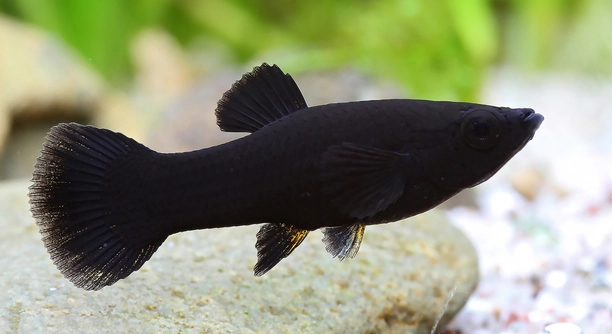
Black Mollies are known for their calm nature and striking appearance in home aquariums. Observing their movements can reveal subtle signs about their health and mood. One behavior that often catches attention is a flicking tail.
A flicking tail in a Black Molly usually indicates agitation, stress, or discomfort. It can also signal excitement or a reaction to sudden changes in the environment. Understanding these tail movements helps ensure proper care and a balanced habitat.
Recognizing these subtle cues will help you maintain a healthier and happier aquarium environment for your Black Mollies. Awareness is key to observing their well-being effectively.
Understanding Tail Flicking in Black Mollies
Tail flicking in Black Mollies is often one of the first signs of stress or discomfort. It can occur when the water quality is poor, when the fish feels threatened, or when new tank mates are introduced. Observing your fish closely can help identify patterns in this behavior. Sometimes, flicking happens during feeding time or when the fish is exploring its environment. It may also appear when there is a sudden change in light or temperature. Noticing these triggers early allows you to adjust the environment to reduce stress. Consistent flicking should not be ignored, as prolonged stress can lead to health problems or lowered immunity. Keeping water parameters stable, maintaining proper tank size, and providing hiding spots are essential steps. Your involvement in monitoring these behaviors will help your Black Mollies feel more secure and comfortable in their habitat, promoting natural activity and a healthier aquarium overall.
Monitoring tail movements closely allows you to quickly spot stress and adjust conditions for better fish health.
Regular observation and adjustments based on flicking patterns can prevent health issues. Consistent care includes monitoring water quality, tank temperature, and social interactions within the aquarium. Avoid overcrowding, maintain stable pH levels, and provide adequate plants or hiding spots. Over time, you will notice calmer behavior and a more active, healthy Black Molly. Understanding these signals also helps you gauge their comfort and readiness to interact during feeding. Each fish may display flicking differently, so patience and careful attention are important. Maintaining a clean tank and observing behavioral changes allows you to respond proactively. This reduces stress, supports immune function, and encourages natural activity. By interpreting tail flicking as a communication tool rather than a random action, you can create an environment where your Black Mollies thrive.
Common Triggers for Tail Flicking
Environmental changes often cause tail flicking in Black Mollies. Sudden shifts in temperature, light, or water chemistry can provoke this response.
Stress from overcrowding, incompatible tank mates, or insufficient hiding areas can lead to frequent flicking. It can also occur during feeding, competition, or when a fish feels threatened. Some Mollies flick their tails to communicate excitement or assert territory. Observing which conditions coincide with flicking can help prevent unnecessary stress. For example, gradual acclimation to new water conditions reduces abrupt reactions. Providing a balanced tank with compatible companions and sufficient space allows your Mollies to feel secure. Maintaining proper diet and avoiding sudden environmental disturbances minimizes agitation. Over time, recognizing patterns in tail flicking can guide you in creating an optimal habitat. Each fish may respond differently, so personal observation is key. Addressing triggers promptly promotes healthier, more natural behavior. Consistent care and attentive monitoring help your Black Mollies remain active, stress-free, and visibly comfortable, reflecting a balanced and well-managed aquarium.
Health Implications of Tail Flicking
Frequent tail flicking can signal underlying health issues in Black Mollies. Parasites, bacterial infections, or fin damage may cause irritation. Observing changes in appetite, color, or swimming patterns alongside flicking helps identify potential problems early. Prompt action can prevent worsening conditions.
Tail flicking paired with lethargy or loss of appetite often indicates that a fish is unwell. Water quality issues like high ammonia or nitrite levels can weaken their immune system, making them more susceptible to illness. Regular water testing and proper filtration are essential. Additionally, close observation for external signs like spots, torn fins, or swelling helps pinpoint infections. Acting quickly by isolating affected fish and treating them appropriately reduces the risk of spreading illness to other tank mates.
Behavioral changes, such as hiding or rapid swimming, may accompany flicking caused by stress or illness. Monitoring these signs can guide timely intervention. Adjusting diet, water conditions, and tank environment often supports recovery.
Preventing Tail Flicking
Maintaining stable water conditions is crucial to minimize tail flicking. Regular testing and partial water changes help reduce stress and improve health. Proper filtration and tank maintenance are essential.
Providing adequate space and hiding areas allows Black Mollies to feel secure and reduces agitation. Overcrowding or incompatible tank mates increases stress and flicking behavior. Introducing new fish gradually and monitoring interactions can prevent conflicts. Ensuring a balanced diet with quality food supports overall health and resilience. Observation is key—tracking flicking patterns helps detect subtle changes in behavior. Consistent care fosters a calmer environment and promotes natural, healthy activity.
A clean tank with proper lighting, temperature, and stable pH contributes to overall comfort. Reducing sudden disturbances and maintaining a predictable routine helps Mollies stay relaxed. Addressing these factors proactively can prevent frequent flicking and support long-term well-being. Monitoring behavior regularly ensures that adjustments are made in time, keeping the aquarium environment balanced and the fish healthy.
Social Behavior and Tail Flicking
Tail flicking can reflect social interactions among Black Mollies. Dominance displays, mating behavior, or territorial disputes often trigger flicking. Observing these interactions helps understand group dynamics and reduces unnecessary stress within the tank.
Some flicking occurs during feeding or when fish compete for space. Recognizing normal social signals prevents misinterpreting harmless behavior as a health issue.
Environmental Influence
Changes in lighting, water flow, or temperature can cause tail flicking. Mollies respond quickly to even minor shifts. Maintaining a stable environment minimizes stress and promotes consistent, calm behavior. Attention to these details ensures a healthier and more comfortable habitat for your fish.
Observing Patterns
Tracking when and how often tail flicking occurs provides valuable insight. Patterns indicate whether behavior is normal, stress-related, or health-related. Regular monitoring helps in timely interventions and maintaining a stable, supportive environment.
FAQ
Why does my Black Molly flick its tail constantly?
Constant tail flicking usually signals stress or discomfort. Causes can include poor water quality, sudden environmental changes, or overcrowding. Mollies are sensitive to their surroundings, and repeated flicking is their way of expressing agitation. Observing other behaviors like hiding, loss of appetite, or erratic swimming helps determine if the cause is environmental or health-related. Ensuring clean water, stable temperature, and proper tank companions often reduces frequent tail flicking.
Can tail flicking indicate illness?
Yes, tail flicking combined with lethargy, faded color, or torn fins may indicate illness. Bacterial infections, parasites, or poor water conditions can irritate the fish, prompting repeated flicking. Early detection is important, as treating the affected fish promptly can prevent disease spread. Monitoring the aquarium environment and performing regular water testing are essential steps to support recovery.
Is tail flicking normal behavior?
Occasional tail flicking is normal, especially during exploration, feeding, or mild social interactions. Mollies may flick their tails briefly to assert territory or communicate with other fish. Occasional flicking should not be a cause for concern as long as it is not accompanied by stress signs or physical changes.
Does diet affect tail flicking?
Poor nutrition can contribute to stress, indirectly increasing tail flicking. Feeding a balanced diet rich in vitamins and protein supports overall health and resilience. Inconsistent feeding or low-quality food may weaken immunity, making Mollies more sensitive to environmental stressors and causing more frequent flicking. Regular, high-quality feeding helps maintain calm and active behavior.
How can I reduce tail flicking in my Black Molly?
Stability is key. Maintaining water quality, consistent temperature, and proper pH reduces environmental stress. Providing sufficient space, hiding spots, and compatible tank mates prevents social stress. Gradual introductions of new fish or decorations help avoid sudden changes that trigger flicking. Regular observation allows you to adjust conditions before stress escalates.
When should I be worried about tail flicking?
Be concerned if flicking is frequent, intense, or combined with other symptoms like lethargy, color changes, or fin damage. Persistent flicking may indicate stress, illness, or poor tank conditions. Immediate attention to water quality, tank setup, and fish health is required. Early intervention prevents serious complications and supports recovery.
Do tank size and decorations affect tail flicking?
Yes, limited space or a poorly arranged tank can increase flicking. Overcrowding, lack of hiding spots, or strong currents create stress. Providing an appropriate tank size with plants, rocks, or decorations allows Mollies to explore safely, reducing stress-induced flicking. Adequate spacing between fish minimizes territorial disputes and promotes calm behavior.
Can tail flicking be a sign of excitement or playfulness?
Occasionally, tail flicking occurs during active swimming, exploration, or feeding excitement. Not all flicking signals stress or illness. Observing context and accompanying behaviors helps differentiate normal, playful flicking from agitation or health issues. Patterns of behavior over time provide the clearest insight.
How do I monitor tail flicking effectively?
Track frequency, intensity, and context. Note whether flicking occurs during feeding, social interaction, or environmental changes. Recording observations over time helps identify triggers. Combining behavioral monitoring with regular water testing and inspection for physical signs ensures a proactive approach to fish health and well-being.
Can tail flicking affect other fish in the tank?
Yes, stressed or agitated Mollies may influence tank mates, causing increased movement or minor disputes. Maintaining calm conditions and reducing triggers helps the entire aquarium remain stable. Proper tank layout, sufficient space, and compatible species reduce ripple effects of stress-induced flicking.
What is the best way to treat stress-related flicking?
Address environmental factors first. Stabilize water parameters, reduce noise and vibrations, provide hiding spots, and ensure proper tank size. Adjust diet and avoid overcrowding. Gradual acclimation to any changes prevents repeated stress responses. Observation and consistent care are key to calming stressed Mollies.
Is tail flicking more common in certain Mollies?
Tail flicking occurs in all Black Mollies but may be more noticeable in younger or more active fish. Individual personalities also play a role. Some fish are naturally more sensitive to minor changes, while others remain calm under similar conditions.
How long does it take for flicking behavior to normalize?
With proper care and stable conditions, tail flicking often reduces within days to weeks. Persistent flicking may require evaluating health or environmental adjustments. Patience and consistent monitoring are important to ensure long-term comfort and well-being.
Can introducing new fish increase tail flicking?
Yes, introducing new tank mates can trigger flicking due to social stress or territorial behavior. Gradual introduction, quarantine if needed, and close observation help reduce tension. Allowing fish time to adjust minimizes unnecessary agitation and ensures peaceful integration.
Does water temperature influence tail flicking?
Temperature fluctuations can cause stress and increase flicking. Black Mollies prefer stable, warm water. Rapid changes in temperature disrupt their comfort and normal behavior. Monitoring and maintaining consistent conditions reduces stress-related flicking and supports overall health.
How do I differentiate between normal and problematic flicking?
Observe context, frequency, and accompanying signs. Normal flicking is brief and occasional, often related to feeding or activity. Problematic flicking is persistent, intense, or paired with health changes. Consistent tracking helps distinguish harmless behavior from issues needing intervention.
Can flicking be linked to breeding behavior?
Yes, during mating or courtship, tail flicking can signal readiness or excitement. Male Mollies may display flicking while pursuing females or defending territory. Understanding these signals helps distinguish normal reproductive behavior from stress or health concerns.
Are there any environmental enrichment techniques to reduce flicking?
Providing plants, rocks, and hiding spots allows Mollies to explore safely, reducing stress. Adjusting water flow and creating calm zones also minimizes agitation. A stable, enriched environment encourages natural behavior and decreases excessive flicking.
What role does social hierarchy play in flicking?
Dominance disputes can trigger tail flicking, particularly in crowded tanks. Observing interactions and providing space prevents unnecessary aggression. Balanced group dynamics reduce stress and help maintain a calm, healthy aquarium environment.
Is tail flicking more frequent at certain times of the day?
Mollies may flick more during feeding or periods of high activity. Morning light or sudden disturbances can also trigger flicking. Tracking patterns helps anticipate triggers and maintain a stable, stress-free environment.
Can flicking indicate discomfort with water flow?
Strong currents or uneven water flow may irritate Mollies, prompting flicking. Adjusting flow or creating sheltered areas helps the fish feel secure and reduces stress-induced behavior. Proper tank setup ensures comfort and promotes natural activity.
Does tank cleanliness affect tail flicking?
Dirty tanks with high ammonia, nitrites, or debris increase stress and flicking. Regular water changes, proper filtration, and substrate cleaning are essential. Maintaining a clean environment supports overall health and reduces stress-related behaviors.
How often should I check for flicking behavior?
Daily observation is ideal. Noting frequency, intensity, and triggers helps detect subtle changes early. Combining behavioral tracking with routine water testing ensures prompt intervention and long-term well-being for your Black Mollies.
Can flicking indicate aggression from other fish?
Yes, aggressive tank mates may cause tail flicking in response to threats. Identifying the aggressor and providing space or rearranging the tank can reduce conflict. Ensuring compatible species and sufficient hiding spots minimizes stress.
What is the best approach for long-term flicking management?
Maintain stable water conditions, provide adequate space and hiding spots, and monitor social interactions. Regular feeding, enrichment, and observation help prevent stress. Promptly addressing environmental or health issues ensures consistent well-being. Tracking behavior over time guides adjustments for a calm, healthy tank.
Final Thoughts
Observing tail flicking in Black Mollies is an important part of understanding their behavior and overall well-being. While occasional flicking is normal, frequent or intense movements often indicate stress, discomfort, or environmental issues. Paying attention to the context in which flicking occurs can provide valuable insights. For example, a fish may flick its tail during feeding, exploration, or social interactions, which can be normal. However, flicking paired with hiding, color changes, or erratic swimming may point to a health problem. Recognizing these signals early allows for timely adjustments in care, such as checking water parameters, improving tank conditions, or addressing illness. The more consistently you observe your Black Mollies, the better you can distinguish between normal behavior and signs of distress, creating a safer and more comfortable environment for them.
Maintaining a stable and well-balanced aquarium is key to minimizing stress-induced tail flicking. Regular water testing, consistent temperature, proper pH levels, and a reliable filtration system support healthy behavior. Providing adequate space, hiding spots, and compatible tank mates further reduces agitation. Overcrowding or sudden changes in the tank environment can trigger stress responses, including frequent tail flicking. A balanced diet is also essential, as proper nutrition supports immunity and overall health. Even minor improvements in tank layout or lighting can have noticeable effects on your fish’s comfort. By addressing these factors proactively, you can prevent frequent tail flicking and encourage natural, relaxed activity. Observation, patience, and consistent care are the most effective ways to maintain a calm and healthy aquarium.
Tail flicking can also be a useful tool for monitoring your Black Mollies over time. Keeping track of the frequency, intensity, and context of flicking helps identify patterns and potential issues before they become serious. It can also indicate excitement, social interactions, or readiness to breed, depending on the situation. Understanding tail flicking as a form of communication rather than just a random movement allows you to respond appropriately to your fish’s needs. With attentive care and observation, you can create an environment that supports both physical health and mental comfort. Your Black Mollies will not only appear more active and confident but will also thrive in a habitat that meets their natural requirements. Consistent attention to behavior, environment, and health ensures long-term stability, reduces stress, and fosters a peaceful aquarium where your fish can display their natural behaviors safely and comfortably.

Hello,
If you enjoy the content that we create, please consider saying a "Thank You!" by leaving a tip.
Every little bit helps us continue crafting quality advice that supports the health, happiness, and well-being of pets around the world, for pets of all shapes, sizes, and species.
We really appreciate the kindness and support that you show us!