
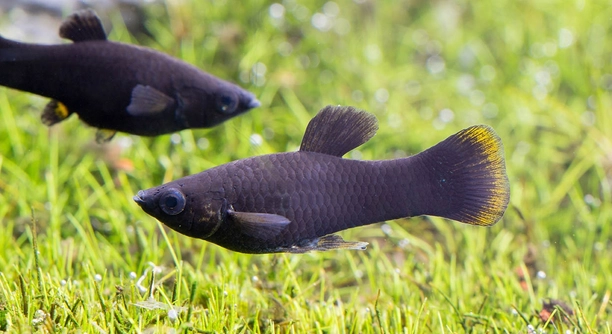
Creating a calm environment for your black molly fish can make a big difference in their health and behavior. A peaceful aquarium helps reduce stress, encourages natural activity, and supports overall well-being for your fish companions.
Maintaining a peaceful black molly zone requires proper tank setup, consistent water quality, suitable tank mates, adequate hiding spaces, controlled lighting, regular feeding routines, and mindful observation of fish behavior to ensure an optimal and stress-free aquatic environment.
By applying these practical tips, your black mollies can thrive in a calm and balanced habitat that supports their natural instincts and daily activities.
Choosing the Right Tank Size
A suitable tank is essential for creating a peaceful black molly zone. Black mollies need space to swim freely, as overcrowding leads to stress and aggression. A tank of at least 20 gallons is recommended for a small group, but larger tanks allow for more stable water conditions. Keeping fewer fish in a spacious environment ensures each molly has room to establish its own territory, which reduces disputes. Adding plants and decorations can provide hiding spots, giving shy or stressed fish a place to retreat. Proper tank placement away from direct sunlight and vibrations also supports a calm atmosphere. Regularly monitoring water temperature and quality is crucial, as black mollies are sensitive to sudden changes. Consistent maintenance, including water changes and filter cleaning, contributes to long-term peace in the tank. Observing the fish daily helps notice early signs of stress or illness, allowing adjustments before conflicts arise.
A larger tank naturally reduces stress and creates room for swimming, hiding, and social interaction among black mollies.
Choosing the right tank size is not only about space but also about stability. Larger volumes of water buffer sudden changes in temperature or water chemistry, which can stress black mollies. Providing enough room reduces aggression and allows natural behaviors, such as schooling and exploring, to occur without competition. Adding plants and decorations further enhances the environment, offering shelter and mimicking natural habitats. Regular upkeep and monitoring prevent issues that arise from poor water quality or overcrowding. A properly sized tank ensures your black mollies remain active, healthy, and less prone to stress-related illnesses, creating a truly peaceful zone.
Maintaining Consistent Water Quality
Stable water conditions are essential for black mollies’ health. They thrive in slightly brackish water with steady temperature, pH, and hardness levels.
Monitoring water regularly and performing partial water changes keeps the environment clean and stress-free for black mollies.
Water quality directly affects behavior, immune function, and overall well-being. Black mollies prefer temperatures between 75–82°F and a pH around 7.5–8.5. Regular testing for ammonia, nitrite, and nitrate levels helps prevent toxic buildup that can cause illness or aggression. Partial water changes of 20–25% weekly remove waste and maintain chemical balance without shocking the fish. Using a gentle filter ensures water circulates without creating strong currents that disturb black mollies. Conditioning tap water to remove chlorine and other chemicals protects delicate gills. Observing fish for signs of stress, such as hiding, rapid gill movement, or loss of appetite, can indicate water issues. Maintaining consistent conditions creates a calm and supportive environment, allowing black mollies to display natural behaviors and interact peacefully within their space.
Selecting Compatible Tank Mates
Black mollies do best with peaceful, similarly sized fish. Avoid aggressive species that may nip fins or dominate territory.
Choosing compatible tank mates prevents stress and maintains harmony. Good options include platies, guppies, and corydoras catfish. These fish share similar water requirements and temperaments, minimizing conflicts. Introducing new fish gradually helps black mollies adjust without sudden disruptions. Observing interactions ensures no one fish is being bullied or isolated, allowing all species to coexist safely.
Compatibility goes beyond species. Consider activity levels, diet, and social behavior. Even peaceful fish can stress black mollies if overcrowded or overfed. Providing hiding spaces and visual barriers reduces tension and gives shy fish places to retreat. Keeping a balanced male-to-female ratio also prevents harassment among black mollies. With careful selection and monitoring, the tank remains calm, allowing all inhabitants to thrive and display natural behaviors in a stable, stress-free environment.
Providing Adequate Hiding Spaces
Hiding spots reduce stress and give black mollies confidence in their environment. Plants, rocks, and decorations work well.
Hiding spaces are essential for black mollies’ well-being. They offer protection from more dominant fish and create secure areas for resting. Dense plants, caves, and floating decorations allow fish to retreat when feeling threatened. These spaces also support natural behaviors like exploring and foraging while giving shy fish the chance to establish territories. Properly arranged hiding spots prevent fights and maintain a balanced social dynamic, especially in mixed-species tanks.
Placement and variety of hiding spaces are important. Using tall plants along the edges, small caves, and driftwood provides multiple retreats for different personality types. Floating plants create shaded areas, reducing stress from bright lighting. Ensuring hiding spots do not block swimming space maintains activity levels. Observing fish interactions helps identify if more shelters are needed. Adequate hiding places support natural behaviors, prevent aggression, and improve overall tank harmony, making the black molly zone peaceful and enjoyable for all fish.
Controlling Lighting
Black mollies prefer moderate lighting. Bright lights can stress them, while dim lighting encourages natural behavior.
Providing a consistent day-night cycle supports their internal rhythms. Using timers ensures predictable lighting, reducing sudden changes that may startle fish.
Regular Feeding Schedule
Feed black mollies small portions two to three times daily. Avoid overfeeding to prevent water pollution and health issues.
Maintaining a consistent feeding routine stabilizes their metabolism and reduces competition. Offering a mix of high-quality flake food, frozen, or live options ensures proper nutrition. Observation during feeding helps identify fish that may need extra care or are being bullied.
Monitoring Fish Behavior
Observing black mollies daily helps detect stress, illness, or aggression early. Changes in activity, appetite, or coloration indicate potential problems.
FAQ
How often should I change the water in a black molly tank?
Regular water changes are essential for a healthy environment. Replace about 20–25% of the water weekly. This removes waste, maintains chemical balance, and prevents harmful buildup of ammonia, nitrites, and nitrates. Using conditioned water that matches tank temperature avoids shocking your fish and keeps them calm.
What is the ideal temperature for black mollies?
Black mollies thrive in water between 75–82°F. Consistent temperature is important because sudden drops or spikes can stress them and weaken their immune system. Using a reliable heater and thermometer ensures a stable environment and supports healthy growth and activity.
Can black mollies live in freshwater only?
Yes, black mollies can survive in freshwater, but they prefer slightly brackish water. Adding a small amount of aquarium salt helps them maintain osmotic balance, supports health, and reduces susceptibility to disease. Always dissolve salt before adding it to avoid harming the fish.
How many black mollies should I keep together?
A small group of at least three is recommended for social interaction. Overcrowding can cause stress, aggression, and poor water quality. Ensure your tank has enough space, hiding spots, and swimming room for all fish to reduce conflict and maintain a peaceful environment.
What should I feed black mollies?
A balanced diet includes high-quality flake food, frozen or live brine shrimp, daphnia, and occasional vegetables. Feed small portions two to three times daily. Overfeeding leads to poor water quality and health issues, while a varied diet keeps them active, healthy, and colorful.
Why are my black mollies hiding all the time?
Hiding is often a response to stress or discomfort. Causes include aggressive tank mates, poor water quality, or sudden environmental changes. Providing additional hiding spots and maintaining stable water parameters can reduce fear and help mollies feel secure.
How can I tell if my black mollies are stressed?
Signs include rapid gill movement, erratic swimming, loss of appetite, faded coloration, or hiding excessively. Stress can result from overcrowding, poor water conditions, or incompatible tank mates. Monitoring behavior regularly helps prevent long-term health issues.
Do black mollies need a specific pH level?
Yes, they prefer slightly alkaline water with a pH between 7.5 and 8.5. Stable pH prevents stress and supports proper metabolic and reproductive functions. Frequent testing ensures the water remains within this range for a healthy tank environment.
Can black mollies live with other fish species?
They do best with peaceful, similarly sized fish like guppies, platies, or corydoras catfish. Aggressive or fin-nipping species can cause stress and injury. Gradual introductions and observing interactions help maintain harmony in a mixed-species tank.
How do I prevent aggression among black mollies?
Providing adequate space, hiding spots, and a balanced male-to-female ratio reduces territorial disputes. Monitoring behavior and removing overly aggressive individuals if necessary keeps the community calm. Maintaining consistent feeding and environmental conditions further minimizes stress-induced aggression.
What plants are best for a black molly tank?
Live plants like Java fern, hornwort, and water wisteria offer hiding places and natural filtration. Floating plants provide shade and reduce stress. Plants also support natural behaviors like exploring and foraging, making the tank more comfortable for your mollies.
How can I maintain a peaceful tank long-term?
Consistent maintenance, regular water changes, appropriate tank mates, and stable conditions are key. Observing fish behavior, providing hiding spots, and feeding a balanced diet ensures that black mollies remain healthy, active, and stress-free over time.
What should I do if a black molly becomes sick?
Quarantine the affected fish to prevent spreading disease. Test water quality and check for signs of infection. Appropriate treatment depends on the illness and may include medicated food, water treatments, or adjustments to environmental conditions. Early action increases the chance of recovery.
Is it necessary to add salt to a black molly tank?
A small amount of aquarium salt can support osmotic balance, improve health, and reduce susceptibility to parasites. Use carefully measured doses and dissolve fully before adding to prevent harm. Too much salt can stress freshwater fish and disrupt the tank ecosystem.
How long do black mollies live?
With proper care, black mollies can live three to five years. Consistent water quality, a balanced diet, and a peaceful environment contribute to longevity. Avoid overcrowding and stress to ensure they remain healthy throughout their lifespan.
Creating a peaceful black molly zone requires attention to several key aspects of aquarium care. Proper tank size is fundamental, as it allows your fish room to swim freely and establish their own territories. Overcrowding often leads to stress, aggression, and health problems. A minimum of 20 gallons is recommended for a small group, but larger tanks provide better stability and allow for more natural behaviors. Adding decorations, plants, and hiding spots not only enhances the visual appeal of the tank but also gives your fish places to retreat when they feel threatened. Consistent maintenance of water quality is equally important. Regular partial water changes help remove waste and maintain chemical balance, while monitoring parameters such as temperature, pH, and hardness ensures the environment stays within safe limits. Black mollies are sensitive to sudden changes, so maintaining stable conditions is key to reducing stress and supporting overall health.
Feeding routines and diet also play a critical role in keeping a black molly zone calm and healthy. A balanced diet of high-quality flake food, supplemented with frozen or live options like brine shrimp, daphnia, and occasional vegetables, ensures proper nutrition. Feeding small portions two to three times a day prevents overfeeding, which can lead to poor water quality and digestive issues. Observing fish during feeding helps identify individuals that may be bullied or are struggling to compete for food. Equally important is choosing compatible tank mates. Black mollies thrive with peaceful fish of similar size, such as platies, guppies, and corydoras catfish. Aggressive or fin-nipping species can cause stress and disrupt the calm dynamic of the tank. Gradual introductions, observation of interactions, and careful selection of companions help maintain harmony and reduce conflicts, allowing your black mollies to display natural behavior without unnecessary tension.
Finally, paying attention to small details can make a significant difference in maintaining a peaceful environment. Providing adequate hiding spaces, such as caves, driftwood, and dense plants, gives fish places to retreat and feel secure. Controlling lighting with timers ensures a predictable day-night cycle, reducing stress from sudden brightness or prolonged darkness. Monitoring fish behavior daily allows you to notice early signs of illness, stress, or aggression and take corrective action promptly. Even simple practices, like adjusting the number of hiding spots or ensuring water conditions remain stable, contribute to a calm and balanced aquarium. When these factors are managed consistently, your black mollies can thrive in a peaceful, healthy environment. Creating a harmonious black molly zone is a combination of proper setup, attentive care, and ongoing observation, ensuring your fish live active, stress-free, and fulfilling lives.

Hello,
If you enjoy the content that we create, please consider saying a "Thank You!" by leaving a tip.
Every little bit helps us continue crafting quality advice that supports the health, happiness, and well-being of pets around the world, for pets of all shapes, sizes, and species.
We really appreciate the kindness and support that you show us!