
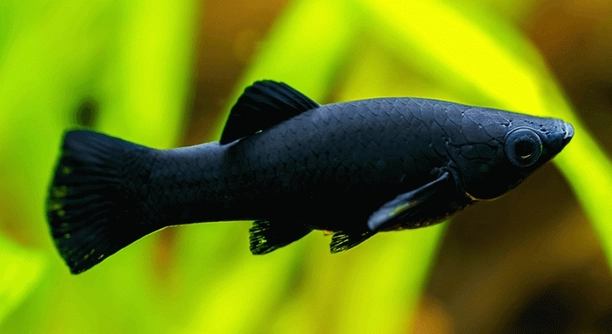
Keeping Black Mollies healthy requires attention, care, and a proper environment. These lively fish need stimulation, balanced food, and clean water to thrive. Small adjustments in their daily routine can make a noticeable difference in their overall well-being.
Ensuring Black Mollies remain active and healthy involves providing consistent water quality, a varied diet, adequate space, regular observation, and proper social interaction. Each factor directly influences their growth, immune system, and natural behavior in an aquarium setting.
Maintaining a healthy routine will help your Black Mollies thrive and enjoy a more energetic, fulfilling life in their tank environment.
Provide a Balanced Diet
Feeding Black Mollies a balanced diet is essential for their energy and overall health. They thrive on a combination of high-quality flake food, live or frozen brine shrimp, and vegetable matter like blanched spinach or zucchini. Offering a variety of foods ensures they receive essential nutrients, vitamins, and minerals that support their immune system, coloration, and growth. Avoid overfeeding, as leftover food can quickly pollute the water, stressing the fish and leading to illness. Feeding small portions two to three times a day is ideal. Occasionally including protein-rich treats helps maintain their natural activity levels. Observing how they respond to different foods can also help you adjust their diet for optimal health.
A proper diet directly affects Black Mollies’ activity levels and lifespan, keeping them more resilient and energetic.
Variety in feeding keeps your fish engaged and reduces aggressive behavior. Ensuring nutrients from both plant and protein sources prevents deficiencies, supports vibrant color, and strengthens immunity. Balanced feeding is a key step to keeping your Black Mollies healthy.
Maintain Clean Water
Consistently clean water is critical for Black Mollies’ health. Regular water changes, removing debris, and monitoring ammonia, nitrite, and nitrate levels protect them from stress and disease.
Keeping water parameters stable reduces stress, prevents infections, and allows fish to move freely. Temperature should be maintained around 75–82°F for optimal activity.
Black Mollies are sensitive to sudden changes in water quality. Even minor fluctuations in pH or hardness can weaken their immune systems. Performing weekly water changes of 25–30 percent helps remove toxins and keeps the environment safe. Using a reliable filter ensures debris is captured, and water circulation mimics their natural habitat. Testing water regularly allows early detection of any issues before they affect the fish. Adding live plants can further stabilize water chemistry and provide hiding spots that reduce stress. Clean water supports healthy growth, vibrant colors, and increased activity, allowing Black Mollies to thrive. By maintaining consistent water quality, you create a safe environment that encourages natural behaviors and long-term health.
Provide Adequate Space
Black Mollies need enough room to swim freely. Crowded tanks can cause stress, reduce activity, and increase aggression.
A spacious tank allows them to display natural behaviors and maintain good health. For a small group, at least a 20-gallon tank is recommended. Overcrowding can lead to poor water quality and stunted growth. Black Mollies enjoy exploring, so open areas combined with hiding spots create a balanced environment. Observing how they interact in the tank helps determine if more space or rearranging decorations is needed. Ensuring enough swimming room reduces stress-related issues, promotes activity, and supports their overall well-being.
Providing sufficient space also encourages social interaction and playful behavior. Tanks with ample swimming room prevent territorial disputes and allow multiple mollies to coexist peacefully, which directly impacts their energy levels and long-term health.
Monitor Tank Temperature
Stable water temperature is vital for Black Mollies’ metabolism and activity. Fluctuations can stress them, making them prone to illness. Maintaining 75–82°F supports normal behavior and feeding.
Temperature affects oxygen levels and fish energy. Heaters with thermostats help maintain consistent warmth, while avoiding sudden changes prevents shock. Black Mollies tolerate slightly cooler water but may slow down, reducing activity and affecting digestion. Monitoring with a reliable thermometer ensures ideal conditions. Sudden drops or rises can lead to lethargy or disease, so gradual adjustments are necessary if changes are required. Heating equipment should be regularly checked to avoid malfunctions. Proper temperature management enhances growth, keeps the fish active, and supports immune function, making the tank a stable, healthy environment.
Encourage Social Interaction
Black Mollies are social fish and thrive in groups. Keeping them with compatible tank mates reduces stress and encourages natural activity patterns.
A small group of three to six mollies is ideal. Isolation can lead to boredom, reduced movement, and weaker immune systems. Social interaction keeps them lively and engaged.
Include Plants and Hiding Spots
Adding live or artificial plants provides shelter, reduces stress, and promotes exploration. Hiding spots give Black Mollies safe areas to retreat when feeling threatened or during rest periods. Plants also improve water quality by absorbing excess nutrients and creating a more natural environment.
Maintain Proper Lighting
Consistent lighting supports natural behavior and regulates the day-night cycle. Black Mollies need around 10–12 hours of light daily to remain active and healthy.
Regular Health Checks
Observing your Black Mollies daily helps detect illness or unusual behavior early. Prompt action ensures long-term well-being and prevents problems from spreading in the tank.
FAQ
How often should I feed my Black Mollies?
Feeding two to three times a day in small portions is ideal. Overfeeding can pollute the tank and stress your fish. Providing a mix of flake food, live or frozen protein, and blanched vegetables ensures they receive essential nutrients without leftover food building up in the tank.
What tank size is best for Black Mollies?
A minimum of 20 gallons is recommended for a small group. More space reduces stress, allows natural swimming behavior, and helps maintain water quality. Overcrowding can lead to aggression, stunted growth, and increased susceptibility to disease, so always consider adding extra space if the group grows.
Can Black Mollies live with other fish?
Yes, they can coexist with peaceful, similar-sized fish. Avoid aggressive or fin-nipping species. Compatibility encourages social interaction, reduces stress, and keeps your mollies active. Observing behavior in the tank helps determine if any changes are needed to maintain harmony among tank mates.
How do I prevent diseases in Black Mollies?
Maintaining clean water, a proper diet, stable temperature, and regular observation is key. Quarantining new fish before adding them reduces the risk of introducing pathogens. Early detection of unusual behavior or spots allows timely treatment, preventing the spread of disease and keeping the entire tank healthy.
Do Black Mollies need a heater?
Yes, heaters help maintain stable temperatures around 75–82°F. Sudden fluctuations can stress fish and slow metabolism, leading to reduced activity or illness. A reliable thermometer and regular checks of the heating equipment ensure that temperature remains consistent and safe for your mollies.
How important are plants in the tank?
Plants provide hiding spots, reduce stress, and encourage natural behaviors. Live plants improve water quality by absorbing nutrients, while artificial plants offer shelter and visual interest. A combination of both creates a balanced environment that supports activity, exploration, and overall health.
What is the ideal water pH for Black Mollies?
They thrive in slightly alkaline water, ideally between 7.5 and 8.5. Stable pH prevents stress and supports metabolism. Sudden shifts can weaken their immune system, making them prone to disease. Regular water testing and adjustments keep the tank conditions optimal.
How can I tell if my Black Mollies are healthy?
Healthy mollies are active, display vibrant colors, and eat regularly. Fins should be intact, and swimming should be smooth. Lethargy, clamped fins, or loss of appetite are signs of stress or illness, which should be addressed promptly to maintain overall tank health.
How do I encourage activity in my Black Mollies?
Providing enough space, a balanced diet, social interaction, and hiding spots encourages natural behavior. Stable water conditions and proper lighting also contribute. Observing their swimming patterns and interactions helps you make adjustments that keep them energetic and engaged.
How often should I perform water changes?
Weekly water changes of 25–30 percent are recommended. This removes toxins, maintains stable parameters, and reduces stress. Combined with filtration, regular cleaning ensures a healthy environment, supporting growth, vibrant coloration, and active behavior in your Black Mollies.
Can Black Mollies breed in a home aquarium?
Yes, they are livebearers and can reproduce if conditions are favorable. Providing hiding spots for fry, maintaining clean water, and separating them from aggressive tank mates increases survival rates. Frequent observation ensures both adults and fry remain healthy during the breeding period.
What signs indicate stress in Black Mollies?
Lethargy, hiding constantly, rapid breathing, clamped fins, or loss of appetite indicate stress. Common causes include poor water quality, overcrowding, incompatible tank mates, or sudden environmental changes. Identifying and correcting the cause quickly is essential to prevent illness and maintain activity levels.
How do I maintain a consistent day-night cycle?
Provide 10–12 hours of light daily using aquarium lighting. Turning lights on and off at the same time each day mimics natural cycles. Consistent lighting encourages feeding, swimming, and resting patterns, keeping your Black Mollies healthy and active.
Is it necessary to test water regularly?
Yes, testing ammonia, nitrite, nitrate, pH, and hardness regularly helps catch issues before they affect your fish. Consistent monitoring ensures stable conditions, reduces stress, and prevents disease, which is critical for maintaining active and healthy Black Mollies.
What should I do if a Black Molly appears sick?
Isolate the affected fish, check water parameters, and provide appropriate treatment. Maintaining a quarantine tank helps prevent the spread of disease. Early intervention increases recovery chances and protects the health of the other fish in your aquarium.
How do I manage aggressive behavior among Black Mollies?
Providing enough space, hiding spots, and social companions reduces aggression. Monitoring interactions and rearranging tank decorations can prevent territorial disputes. Maintaining balanced feeding also keeps competition low, supporting a peaceful, active, and healthy community in the tank.
Can Black Mollies survive in brackish water?
Yes, they tolerate slightly brackish conditions, but changes should be gradual. Brackish water mimics their natural habitat, can enhance color, and sometimes boosts health. Sudden changes or high salinity can stress them, so careful adjustments are necessary to maintain activity and overall well-being.
How often should I clean the tank filter?
Filters should be rinsed monthly in tank water to remove debris while preserving beneficial bacteria. Over-cleaning or using tap water can disrupt the biological balance. Proper maintenance supports clean water, reduces toxins, and keeps Black Mollies healthy and energetic.
What is the best way to acclimate new Black Mollies?
Float the bag in the tank for 15–20 minutes, gradually mix tank water into the bag, and release fish gently. This prevents shock from sudden changes in temperature or water chemistry, allowing them to adjust safely and remain active.
How do I prevent algae buildup in the tank?
Regular water changes, avoiding overfeeding, and controlling lighting reduce algae growth. Adding live plants and algae-eating species can also help maintain balance. A clean tank ensures healthy water conditions, allowing Black Mollies to swim freely and remain energetic.
What equipment is essential for a Black Molly tank?
A reliable filter, heater, thermometer, lighting, and hiding spots are necessary. Optional equipment includes water test kits, air pumps, and plants. Proper equipment maintains stable conditions, supports natural behaviors, and keeps your Black Mollies active and healthy.
How can I enhance the color of Black Mollies?
A varied diet with high-quality flakes, protein, and vegetables enhances coloration. Maintaining clean water, proper lighting, and reducing stress also supports vibrant colors. Healthy, active fish display their natural black sheen more prominently.
How many Black Mollies should I keep together?
A small group of three to six is ideal for social interaction. Keeping more requires additional space and careful management to prevent overcrowding and aggression. Observing behavior ensures the group remains harmonious and active.
What is the lifespan of Black Mollies?
With proper care, they live around three to five years. Maintaining stable water conditions, a balanced diet, and a safe environment contributes to longevity, ensuring they remain active and healthy throughout their life.
How do I know if my tank water is toxic?
High ammonia, nitrite, or nitrate levels indicate toxicity. Symptoms in fish include lethargy, gasping, and loss of appetite. Regular testing, water changes, and filtration prevent harmful conditions and support healthy, active Black Mollies.
What type of substrate is best for Black Mollies?
Sand or fine gravel is preferred. It allows natural foraging, prevents injury, and supports plant growth. Choosing the right substrate helps maintain a clean, comfortable environment, promoting natural activity and overall well-being.
Can Black Mollies survive without plants?
Yes, but plants provide shelter, reduce stress, and encourage exploration. Tanks without plants may lead to boredom and decreased activity. Including hiding spots ensures a more natural, healthy environment.
How do I acclimate Black Mollies to new tank mates?
Introduce them slowly, monitor behavior, and provide plenty of hiding spots. Gradual introduction reduces stress and aggression, ensuring all fish remain active, healthy, and socially comfortable.
What are the common signs of overfeeding?
Leftover food, cloudy water, and bloated fish indicate overfeeding. Overfeeding reduces water quality, stresses fish, and can lead to illness. Feeding small portions ensures proper nutrition without affecting tank health.
How can I encourage breeding in Black Mollies?
Maintain clean water, provide hiding spots for fry, and ensure a balanced diet. Healthy, active adults are more likely to reproduce. Gradually adjusting conditions to mimic natural environments also improves breeding success.
How do I prevent fin damage in Black Mollies?
Avoid sharp decorations, maintain tank mates carefully, and monitor interactions. Healthy fins indicate reduced stress and better overall health. Proper care keeps fins intact and supports natural activity.
How do I manage water hardness for Black Mollies?
Moderate to hard water is ideal. Testing regularly ensures levels are within a suitable range. Stable hardness supports metabolism, immune function, and activity, keeping mollies healthy.
Can Black Mollies live in a community tank with aggressive species?
No, aggressive species can stress or injure them. Compatibility is key. Peaceful tank mates encourage activity, reduce stress, and support long-term health.
How important is oxygenation in the tank?
Good oxygen levels support metabolism and swimming activity. Air stones, filters, and plants help maintain oxygen. Proper aeration prevents lethargy and supports overall health.
What is the best way to transport Black Mollies?
Use a secure, water-filled container, avoid temperature shocks, and minimize handling. Gentle transport ensures they remain active and healthy upon arrival.
How often should I replace tank decorations?
Replace or clean decorations as needed to prevent algae and sharp edges. Safe, clean decorations reduce stress and encourage exploration and activity.
Can Black Mollies tolerate tap water?
Yes, but treat it to remove chlorine and chloramines. Conditioned tap water ensures safe parameters, supporting activity and health.
How do I avoid overstocking my tank?
Calculate space based on adult fish size. Avoid adding too many at once. Proper stocking reduces stress, prevents poor water quality, and supports natural behavior.
What role does tank flow play in Black Molly health?
Moderate flow encourages exercise, simulates natural conditions, and prevents stagnant areas. Proper circulation supports oxygen levels and activity.
Can Black Mollies live in outdoor ponds?
Yes, if temperature and water quality are stable. Outdoor ponds need monitoring to prevent temperature swings, predators, and water pollution, ensuring active, healthy fish.
How do I reduce aggression during breeding?
Provide hiding spots, monitor interactions, and maintain clean water. Minimizing stress ensures safe breeding and protects both adults and fry.
What is the best way to introduce live food?
Rinse and inspect before feeding. Offering live food occasionally stimulates natural hunting behavior, promotes activity, and supports nutrition.
How do I maintain consistent water clarity?
Regular cleaning, water changes, and filtration prevent cloudiness. Clear water ensures a healthy environment and encourages natural activity.
How important is pH stability for Black Mollies?
Stable pH prevents stress and supports metabolism. Sudden shifts can weaken immunity and reduce activity, making monitoring essential.
Can Black Mollies adapt to new tanks quickly?
They adapt slowly. Gradual acclimation, stable water, and hiding spots reduce stress, supporting activity and long-term health.
What is the effect of lighting duration on Black Mollies?
Consistent 10–12 hour lighting supports feeding, swimming, and resting patterns. Proper lighting keeps fish active and healthy.
How do I prevent disease from new fish?
Quarantine before introduction and monitor closely. Preventing pathogens ensures the health of the existing tank population.
Can Black Mollies live in slightly brackish water?
Yes, gradual introduction supports natural coloration and health. Avoid sudden changes to prevent stress.
How do I encourage natural behaviors in Black Mollies?
Provide hiding spots, plants, space, and varied diet. Stable water conditions and social companions support exploration, swimming, and activity.
How do I handle sudden illness in a Black Molly?
Isolate, check water, and treat promptly. Early action increases recovery and protects the rest of the tank.
What is the best way to feed fry?
Feed small amounts of finely crushed flakes, micro-worms, or infusoria. Frequent, controlled feeding supports growth without polluting water.
How do I maintain tank hygiene without stressing fish?
Partial water changes, gentle cleaning, and maintaining filtration preserve health and reduce disturbance. Consistency ensures an active environment.
Can stress affect Black Mollies’ lifespan?
Yes, chronic stress lowers immunity, reduces activity, and shortens lifespan. Stable conditions and social support improve longevity.
How can I tell if my fish are bored?
Reduced swimming, hiding, and loss of appetite indicate boredom. Adding enrichment and companions improves activity and mental stimulation.
What are safe tank mates for Black Mollies?
Peaceful fish like guppies, platies, and tetras work well. Compatibility reduces stress and supports social activity.
How do I maintain proper feeding portions?
Feed only what they consume in a few minutes. Avoid overfeeding to prevent water quality issues and health problems.
What happens if the tank is too small?
Overcrowding leads to stress, aggression, poor water quality, and stunted growth. Adequate space is essential for active, healthy fish.
How do I avoid ammonia spikes?
Regular water changes, proper feeding, and maintaining filter function prevent dangerous ammonia levels. Stable water supports health and activity.
Can Black Mollies live alone?
They can, but isolation may reduce activity and cause stress. Small groups are preferred for social stimulation.
How important is monitoring behavior daily?
Daily observation helps detect illness, stress, or aggression early, allowing prompt intervention and maintaining a healthy, active environment.
What is the ideal nitrate level for Black Mollies?
Below 40 ppm is recommended. High nitrate causes stress, disease, and reduced activity. Regular testing and water changes maintain safe levels.
How do I encourage vertical swimming?
Provide open water, plants at different heights, and a clean, spacious tank. Vertical swimming supports exercise and natural behavior.
Can Black Mollies tolerate cooler temperatures?
They tolerate slightly cooler water, but activity slows, and immunity weakens. Stable warmth is preferable for health.
How do I prevent fin rot?
Maintain water quality, avoid aggressive tank mates, and monitor diet. Healthy fins indicate proper care and reduced disease risk.
What is the best way to remove uneaten food?
Use a net or siphon during water changes. Removing leftovers prevents toxins and maintains water quality.
How do I manage algae in the tank?
Control lighting, feed appropriately, and clean surfaces. Algae management supports clear water and healthy activity.
Can Black Mollies adapt to tap water?
Yes, if treated for chlorine and chloramines. Conditioned water prevents stress and supports long-term health.
How do I maintain tank decorations safely?
Rinse regularly and avoid sharp edges. Safe decorations prevent injury and encourage exploration.
What is the effect of overcrowding on activity?
Crowded tanks reduce movement, increase aggression, and stress fish, leading to lethargy and health problems.
How do I prevent water parameter swings?
Regular testing, partial water changes, and consistent feeding maintain stable conditions. Stability supports active, healthy Black Mollies.
Can Black Mollies live in freshwater only?
Yes, but slight salinity can enhance color and health. Ensure gradual introduction to prevent stress.
How do I encourage natural schooling behavior?
Keep a small group together, provide open swimming areas, and maintain compatible tank mates. Social interaction promotes activity.
What are the signs of a healthy Black Molly?
Active swimming, vibrant color, intact fins, and regular eating indicate good health. Monitoring behavior helps maintain their well-being.
How do I safely acclimate fry?
Gradually adjust water conditions and provide hiding spots. Careful acclimation improves survival and activity.
How often should I check water parameters?
Weekly testing ensures stable ammonia, nitrite, nitrate, pH, and hardness levels. Regular monitoring prevents stress and supports health.
Can stress affect reproduction?
Yes, stressed Black Mollies are less likely to breed. Providing safe, stable conditions encourages natural reproduction and fry survival.
How do I prevent disease from overstocking?
Avoid overcrowding, maintain filtration, and perform regular water changes. Proper stocking levels reduce stress and disease risk.
How do I choose the best filter for Black Mollies?
Select a filter rated for tank size that provides mechanical, biological, and chemical filtration. Proper filtration maintains water quality and activity.
What is the effect of insufficient lighting?
Poor lighting reduces activity, disrupts feeding patterns, and dulls coloration. Consistent lighting maintains natural behavior.
How do I monitor social interactions?
Observe swimming patterns, chasing, or hiding. Proper monitoring ensures peaceful coexistence and active fish.
How do I prevent aggression during feeding?
Feed small portions, distribute food evenly, and observe interactions. Balanced feeding reduces competition and stress.
Can Black Mollies tolerate sudden pH changes?
No, sudden changes stress fish, weaken immunity, and reduce activity. Gradual adjustments maintain stability.
How do I maintain plant health in the tank?
Regular trimming, nutrient supplementation, and proper lighting support plants. Healthy plants provide shelter and enhance activity.
What is the effect of low oxygen levels?
Low oxygen causes lethargy, rapid gill movement, and stress. Proper aeration maintains energy and health.
How do I prevent fin nipping?
Choose peaceful tank mates, provide hiding spots, and maintain space. Reduced aggression keeps fins intact and fish active.
Can Black Mollies live in a nano tank?
Small tanks are stressful and limit activity. A minimum of 20 gallons is recommended for proper health.
How do I safely remove sick fish?
Use a quarantine tank, handle gently, and treat as needed. Early isolation prevents disease spread.
How often should I clean the substrate?
Weekly or biweekly cleaning prevents debris buildup, maintains water quality, and supports active, healthy fish.
Can Black Mollies tolerate fluctuating temperatures?
No, frequent changes stress fish and reduce activity. Stable warmth is essential for health and energy.
How do I encourage feeding from different levels?
Distribute food at surface, midwater, and bottom. Encouraging exploration promotes activity and natural behavior.
How do I maintain a stress-free environment?
Provide space, hiding spots, social companions, stable water, and proper feeding. Reduced stress keeps Black Moll
Black Mollies are lively, beautiful fish that can thrive in a home aquarium with the right care. Their health and activity largely depend on the environment you provide, including clean water, stable temperature, and a properly sized tank. These factors may seem basic, but they form the foundation for a strong, healthy aquarium. Small changes, like adding a few plants or providing more swimming space, can make a noticeable difference in their energy and behavior. Observing your mollies regularly allows you to respond to issues early, whether it’s adjusting water parameters or providing extra hiding spots. Healthy fish are more active, display brighter colors, and interact better with their tank mates. By focusing on these core elements, you can ensure your Black Mollies live longer and more comfortably, while also maintaining a pleasant and balanced aquarium environment.
Feeding is another important part of keeping Black Mollies healthy. They need a balanced diet that includes high-quality flake food, occasional live or frozen protein, and some vegetable matter. Offering variety helps meet their nutritional needs and encourages natural foraging behaviors. Overfeeding can quickly lead to poor water quality and stress, so it’s better to feed small portions multiple times a day rather than one large feeding. Watching how your mollies respond to different foods can help you fine-tune their diet. Active, well-fed fish are less prone to illness and display more natural behaviors, such as swimming in groups and exploring their surroundings. Feeding also provides an opportunity to bond with your tank and keep a close eye on your fish’s health. Balanced nutrition, paired with a clean and stable tank, creates the ideal environment for energetic and thriving Black Mollies.
Finally, social interaction and a stress-free environment are key to maintaining active Black Mollies. These fish do best in small groups, where they can swim, chase, and explore together. Hiding spots, plants, and gentle tank mates reduce stress and allow them to feel secure while expressing natural behaviors. Stress can weaken their immune system, slow growth, and reduce activity, so keeping conditions stable and predictable is important. Lighting, water changes, and monitoring temperature all contribute to a calm, healthy environment. By combining proper diet, clean water, adequate space, and social opportunities, you create the conditions for your Black Mollies to thrive. Regular observation and adjustments ensure they remain lively, healthy, and full of energy, making your aquarium a balanced and enjoyable space for both the fish and yourself.

Hello,
If you enjoy the content that we create, please consider saying a "Thank You!" by leaving a tip.
Every little bit helps us continue crafting quality advice that supports the health, happiness, and well-being of pets around the world, for pets of all shapes, sizes, and species.
We really appreciate the kindness and support that you show us!