
Do you ever find yourself observing your gourami’s behavior and wondering if it means they’re ready to breed?
The seven breeding behaviors seen in gouramis signal different stages of reproductive readiness. These include increased bubble nest building, territorial displays, chasing behavior, and body color changes, all influenced by environmental cues and hormonal changes.
Recognizing these subtle patterns can help improve breeding outcomes and keep your gouramis healthy and stress-free throughout the process.
Bubble Nest Building
When male gouramis start building bubble nests, it’s a clear sign they’re getting ready to breed. These nests are clusters of bubbles often found at the surface of the water, usually near plants or corners. The male gathers air at the surface and coats it with saliva to keep the bubbles strong. This behavior shows the male is preparing a place to hold and protect fertilized eggs. You might also notice the male becoming more active around the area, guarding the nest and chasing away other fish. He’s setting up the environment to attract a female and ensure the safety of the offspring. This behavior is common in species like dwarf gouramis and pearl gouramis. Keeping the water calm and warm encourages nest building. Also, avoid strong filters that can break the bubble structure. A tank with floating plants can provide support for the bubbles and make the fish feel secure.
The bubble nest is a strong signal of male readiness. It’s also the first step in creating a safe space for eggs after spawning.
If your gourami is not making a nest, it might be due to unsuitable water conditions or the absence of a female. Keeping an eye on this behavior helps track progress.
Color Changes and Flaring
Bright color changes often show up when gouramis are preparing to breed.
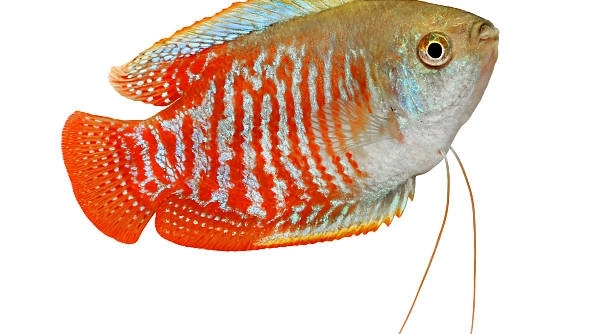
During breeding readiness, males display more vivid and intense coloration. This is especially noticeable in dwarf gouramis, where blues, reds, and oranges deepen. It’s a way to attract females and show dominance. Flaring, where the fish spreads its fins and gill covers, is another clear signal. It may look aggressive, but it’s a normal part of showing off. This behavior is used to get the attention of potential mates and to ward off rivals. If your gourami starts flaring at its reflection or other fish, it’s likely feeling hormonal shifts. However, constant flaring can lead to stress if the tank is too crowded or there isn’t enough space. Adding hiding spots and maintaining a calm tank environment can help reduce unnecessary tension. These visual signals—brighter colors and flaring—are some of the easiest ways to spot breeding readiness in gouramis.
Chasing and Nipping Behavior
Chasing and gentle nipping are common signs that breeding behavior has started. It usually begins when the male is trying to get the female’s attention or guide her toward the bubble nest.
This behavior might look aggressive, but it’s typically a normal part of courtship. The male will follow the female closely, nudging or nipping at her sides. He’s trying to test if she’s ready to spawn. If the female is interested, she may stay near the nest or swim calmly around the male. If she’s not ready, she’ll often swim away quickly. It’s important to watch closely—if chasing becomes too intense or constant, it may be a sign that the tank is too small or lacks proper hiding spots. In that case, separate the fish to avoid injury. Otherwise, this behavior often means the male is eager and waiting for the female’s response.
Not all chasing leads to successful breeding. Sometimes, the male shows strong interest while the female stays uninterested. This can be due to poor water conditions, lack of privacy, or if the female hasn’t matured fully. It helps to provide leafy plants, dim lighting, and protein-rich foods to encourage both fish to become receptive. Balanced conditions often make the difference.
Courtship Circling and Body Contact
Courtship often includes the male swimming in tight circles around the female. He may even gently press his body against hers.
This circling behavior shows that the male is trying to lead the female under the bubble nest. Body contact increases as she becomes more receptive. Once under the nest, the male will often wrap his body around the female to help release and fertilize the eggs. This step usually means that spawning is about to happen or has already begun. You might notice both fish become slower and more focused on each other during this phase.
Gentle body wrapping is an essential step in gourami spawning. After the eggs are released, the female usually swims away while the male quickly gathers the eggs into the bubble nest. At this point, the male takes full responsibility for guarding the nest. He may become territorial, chasing the female or any other fish away. It’s a good idea to move the female to another tank to prevent stress or injury. Observing this stage helps confirm that breeding has occurred and signals it’s time to protect the nest environment so the eggs can develop safely.
Hiding or Resting More Often
Sometimes, a female gourami will hide more or rest near the bottom. This can mean she’s avoiding the male or preparing to spawn.
It’s normal if she stays still more often, especially after courtship or egg-laying. Just make sure she isn’t being chased too aggressively.
Male Guarding the Nest
Once the eggs are placed in the bubble nest, the male shifts all his attention to protecting them. He may swim in tight circles near the nest and become very territorial. It’s best to remove other fish at this stage to avoid disturbance. He will also repair the nest if bubbles start breaking. Watch for signs of stress or overexertion, especially if he skips meals or constantly patrols. This guarding phase can last a few days until the eggs hatch. During this time, keep the water still and avoid cleaning the tank, as even small disruptions can damage the nest or stress the male.
Sudden Lack of Interest
If courtship suddenly stops, it might mean one of the fish is no longer ready. Check the tank setup, temperature, and water quality.
FAQ
How long does it take for gouramis to start breeding after showing these behaviors?
Gouramis usually begin breeding shortly after showing key readiness behaviors like bubble nest building and color changes. This process can take from a few days to a couple of weeks, depending on tank conditions and the health of the fish. Warmer water, around 78–82°F (25–28°C), helps speed up readiness. Good water quality, low stress, and a balanced diet with live or frozen foods also encourage quicker breeding. If the fish are comfortable and well cared for, breeding behaviors will progress steadily. Sometimes, the female may need more time to mature or feel safe before spawning begins.
Is it normal for the female to hide a lot during breeding?
Yes, it’s quite common for the female to hide or rest more often during breeding. She may do this to avoid the male’s chasing or protect herself while preparing to spawn. Providing plenty of plants and hiding places helps her feel safe. If she hides excessively and refuses to eat, that could be a sign of stress or illness, so monitoring her behavior is important.
What should I do if the male gets too aggressive?
If the male gourami becomes overly aggressive, especially towards the female, consider separating them. Aggression can lead to injury or stress that halts breeding. Use a divider in the tank or move the female to another tank temporarily. Increasing hiding spots also helps reduce tension. Sometimes, aggression lessens once the eggs are laid and the male focuses on nest guarding.
How do I care for the bubble nest?
Keep the water calm and avoid strong filtration near the surface. Floating plants can help support the nest structure. Try not to disturb the tank during this time; sudden water changes or strong currents can break the nest or stress the male. Maintaining stable water temperature and cleanliness without aggressive cleaning supports successful egg development.
When should I remove the female after spawning?
It’s best to remove the female right after spawning, once the eggs are in the bubble nest. The male can become territorial and aggressive, chasing or attacking the female. Removing her prevents stress or injury. This also allows the male to focus on protecting the eggs until they hatch.
Can gouramis breed without bubble nests?
While bubble nests are typical for gouramis, some species or individuals may show less obvious nesting behavior. However, successful breeding usually depends on the nest to keep eggs safe and oxygenated. Without it, eggs are vulnerable to falling or being eaten. Encouraging bubble nest building through proper tank setup is important for breeding success.
How long until the eggs hatch?
Gourami eggs typically hatch in 24 to 48 hours, depending on water temperature. Warmer water speeds up development. After hatching, the fry remain in or near the bubble nest for a few more days while they absorb their yolk sacs. The male continues guarding during this time.
What should I feed the fry once they hatch?
Once the fry start swimming freely, usually about 3 to 5 days after hatching, feed them small foods like infusoria, newly hatched brine shrimp, or finely crushed flakes. Frequent, small feedings help promote healthy growth. Clean water and gentle filtration are key to fry survival.
Why might gouramis refuse to breed even with all signs of readiness?
Sometimes, environmental factors like poor water quality, wrong temperature, or lack of privacy cause gouramis to delay breeding. Stress from tankmates, insufficient food, or not having the right nesting materials can also be issues. Adjusting these conditions and ensuring the fish are healthy often helps trigger spawning. Patience is important since not all attempts result in immediate breeding.
Can I breed gouramis in a community tank?
Breeding gouramis in a community tank is challenging. Other fish may disturb the bubble nest or attack the eggs and fry. The male can also become stressed protecting the nest. If breeding is a priority, using a separate breeding tank is better. After fry hatch, they should be moved or separated to improve survival chances.
Breeding gouramis can be a rewarding experience when you understand the signs they show before spawning. The behaviors—from bubble nest building to color changes and chasing—are all signals that the fish are ready to reproduce. Observing these signs closely helps you know when to prepare the tank and adjust conditions. Each step in their behavior gives important clues about their readiness, and being patient during this time is key. Sometimes the process takes days or even weeks, and rushing can cause stress or problems for your fish.
It is important to create a calm and safe environment for gouramis when breeding. This means keeping the water clean, maintaining a steady temperature, and adding plants or hiding spots. The male’s bubble nest needs calm water to stay intact, and the female needs places to rest and hide if she feels pressured. If the male becomes too aggressive, separating the pair can protect both fish. Providing the right foods and avoiding disturbances also supports healthy breeding. A careful balance of care and observation makes a big difference in helping gouramis successfully breed.
Breeding gouramis requires attention and understanding but is not overly complicated when you recognize the signs and know how to react. Each fish is different, so their behaviors may vary slightly. Being patient and keeping their environment stable will give your gouramis the best chance to breed successfully. Watching their behavior can be interesting and rewarding, especially when you see the eggs safely tucked into a bubble nest or the fry starting to swim. With proper care, your gouramis will thrive and continue their natural cycle in your tank.

Hello,
If you enjoy the content that we create, please consider saying a "Thank You!" by leaving a tip.
Every little bit helps us continue crafting quality advice that supports the health, happiness, and well-being of pets around the world, for pets of all shapes, sizes, and species.
We really appreciate the kindness and support that you show us!