
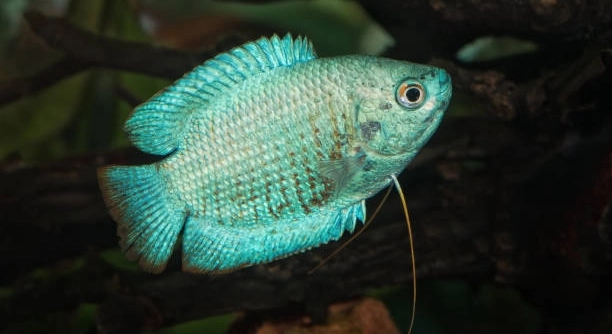
Gouramis are fascinating fish known for their bubble nests. These bubbles show a lot about their health and environment. Understanding what affects their bubble activity can help keep them happy and thriving in your aquarium.
Several factors influence gourami bubble activity, including water temperature, oxygen levels, stress, tank size, water quality, breeding readiness, and environmental disturbances. Each element plays a critical role in the frequency and quality of bubble nest building.
Learning about these influences can improve your care routine and help your gouramis feel more comfortable in their home.
Water Temperature and Its Impact on Bubble Activity
Water temperature is one of the most important factors that affect gourami bubble activity. These fish are tropical and prefer stable, warm water. If the temperature drops too low, gouramis may slow down their bubble nest building or stop entirely. Temperatures above their comfort range can also cause stress, reducing activity. Ideally, maintaining water between 75°F and 82°F keeps gouramis active and encourages healthy nest building. Sudden fluctuations in temperature can confuse them, making bubble creation irregular or incomplete. A reliable heater and thermometer help keep the environment consistent. Stability in water temperature signals to the gouramis that it is safe to build nests and potentially breed. When the water conditions are right, gouramis will be more motivated to create and maintain their bubble nests, which is a good indicator of their wellbeing.
Stable water temperature promotes steady bubble activity in gouramis. They respond well when conditions stay warm and consistent.
Keeping your aquarium at a steady temperature supports not only bubble nesting but overall fish health. Temperature shifts cause stress, which can affect feeding and behavior. Regular monitoring is simple and makes a big difference. For breeding gouramis, warm, steady water signals the right time to start nest building. Avoid placing the tank near drafts, windows, or air conditioners to reduce temperature swings. Consistency helps gouramis feel safe and encourages natural behaviors, including their unique bubble nests. A well-regulated environment is the foundation for happy, active gouramis.
Oxygen Levels in the Aquarium
Oxygen availability is essential for gouramis to build bubble nests. Gouramis use oxygen-rich water to create stable bubbles.
Low oxygen levels in the tank reduce bubble production. Gouramis rely on a healthy oxygen supply to maintain their nests and support their breathing. Insufficient oxygen causes stress, limiting their energy to build nests. Good aeration, live plants, and moderate water movement help maintain oxygen balance. Additionally, gouramis have a labyrinth organ that allows them to breathe air directly, but they still need well-oxygenated water to thrive and engage in bubble nesting behavior. Monitoring oxygen through surface agitation and plant coverage can improve nest activity. Proper oxygen levels support not only bubble building but also overall vitality and breeding success. Without enough oxygen, gouramis become less active and less likely to build or maintain their nests.
Stress and Its Effect on Bubble Activity
Stress greatly reduces gouramis’ bubble nest building. When stressed, gouramis focus on survival, not nest creation.
Stress can come from overcrowding, aggressive tank mates, or sudden changes in water conditions. When gouramis feel threatened, they stop building nests and hide more often. A calm and stable environment encourages them to display natural behaviors, including bubble activity. Watching how gouramis interact with other fish and checking water parameters regularly helps reduce stress.
Stress also affects their health long-term. Chronic stress weakens their immune system and lowers breeding chances. Keeping tank conditions consistent and avoiding aggressive fish improves gouramis’ confidence. Comfortable gouramis are more likely to build and maintain bubble nests, showing they feel secure in their habitat.
Tank Size and Space
A cramped tank limits gouramis’ bubble nest activity. They need enough room to swim freely and build nests.
Smaller tanks often cause territorial disputes or stress, reducing bubble production. A spacious aquarium gives gouramis more comfort and fewer conflicts. Ideally, a tank should be at least 20 gallons for a pair, allowing room for nests and exploration. More space also means better water quality, which supports nest building. Adding floating plants provides extra shelter and helps gouramis feel safe.
When gouramis have enough room, they show more active bubble nesting behavior. Giving them space encourages natural habits and healthier interactions. Proper tank size supports their wellbeing and nest creation.
Water Quality and Bubble Activity
Poor water quality directly reduces gouramis’ bubble nest building. Clean water encourages more frequent and stable nests.
Regular water changes and filtration keep ammonia, nitrites, and nitrates low. Polluted water stresses gouramis and discourages nesting behavior. Clear, well-maintained water creates a healthy environment where gouramis feel comfortable to build nests.
Breeding Readiness
Gouramis build bubble nests mainly when ready to breed. Males are the primary nest builders, showing increased bubble activity during this time.
Environmental cues like stable water conditions and proper nutrition trigger breeding behavior. When gouramis are ready, nest building increases as part of courtship and reproduction. Without breeding readiness, bubble activity tends to be minimal or absent.
Environmental Disturbances
Sudden noises or movement near the tank can interrupt gouramis’ bubble nest building.
Keeping the aquarium in a quiet, stable area helps gouramis focus on nesting and reduces stress-related behavior changes.
Why do my gouramis suddenly stop making bubble nests?
Sudden stops in bubble nest building are often caused by changes in the aquarium environment. Temperature fluctuations, poor water quality, or stress from new tank mates can make gouramis pause their activity. They may stop building nests if they feel unsafe or uncomfortable. It’s important to check water parameters regularly and observe any recent changes in the tank. Sometimes, the gouramis are just taking a break, especially if breeding conditions are not ideal. Ensuring stable water temperature and clean conditions often helps them resume nest building quickly.
How can I encourage my gourami to build more bubble nests?
To encourage more bubble nests, maintain warm, stable water between 75°F and 82°F. Keep the tank clean with regular water changes and good filtration. Provide plenty of floating plants or soft materials for the gourami to use in their nests. Avoid overcrowding and aggressive fish that may stress them. Feeding a balanced diet with protein-rich foods supports their energy levels, making them more likely to build nests. Reducing disturbances near the tank also helps, as gouramis prefer calm environments to focus on nesting.
Is it normal for only one gourami to build bubble nests?
Yes, it is normal for primarily male gouramis to build bubble nests. Males create nests to attract females for breeding. Females usually do not build nests, but may participate in guarding eggs once laid. If you see only one gourami building bubbles, it is likely the dominant male. Sometimes subordinate males or stressed gouramis may not build nests at all. If you want more bubble activity, ensure you have a healthy male in good condition and a suitable environment for breeding.
Can poor water quality kill bubble nests?
Yes, poor water quality can destroy bubble nests. High levels of ammonia, nitrites, or nitrates weaken gouramis and cause them to abandon or not build nests. Dirty water breaks bubbles quickly, making nests unstable. Proper filtration and regular water changes are key to maintaining nest integrity. Testing water frequently helps catch problems early. Clean, clear water supports healthy gouramis and long-lasting bubble nests.
How often should I change the water to support bubble nesting?
Changing 20-30% of the tank water weekly is ideal to keep conditions stable for bubble nesting. This removes toxins and replenishes oxygen without stressing the fish. Overdoing water changes can cause sudden parameter shifts, which discourage nest building. Consistency is more important than large, infrequent changes. Keeping water quality steady helps gouramis stay healthy and motivated to build nests regularly.
Does the presence of other fish affect bubble nest building?
Other fish can impact gourami bubble activity, especially if they are aggressive or too active. Stress from tank mates can stop nest building or cause gouramis to hide. Peaceful species that stay out of the gourami’s territory generally do not interfere. Adding plenty of plants and hiding spots reduces conflicts and encourages nesting behavior. Monitoring interactions between fish ensures the gouramis feel secure enough to build nests.
What role do floating plants play in bubble nest building?
Floating plants provide essential support for bubble nests. Gouramis attach bubbles to leaves and stems, making nests more stable. Plants also create shaded, calm areas that reduce water movement, protecting nests from breaking apart. They offer cover, making gouramis feel safer during breeding. Without floating plants, nests may be smaller or less secure. Including plants like duckweed or water lettuce benefits gouramis by improving both nest quality and their comfort in the tank.
How can I tell if my gourami is ready to breed by its bubble nest behavior?
When a male gourami is ready to breed, bubble nest building increases in size and frequency. The nest becomes thicker and more organized. The male guards the nest area aggressively and shows more active swimming. If a female is present, the male may display courtship behaviors near the nest. Little or no bubble building usually means the gourami is not ready or conditions aren’t right. Watching nest size and fish behavior helps identify breeding readiness.
Understanding the factors that affect gourami bubble activity helps provide better care for these unique fish. Bubble nest building is a natural behavior, but it depends on many things working together. Water temperature, oxygen levels, stress, tank size, and water quality all influence whether gouramis will build and maintain their nests. Paying attention to these conditions can make a big difference in their behavior and overall health. When the environment supports their needs, gouramis are more likely to be active and comfortable, which shows through their bubble nests.
Taking steps to keep the aquarium stable and clean is important. Regular water changes, maintaining proper temperature, and making sure oxygen levels are good all create a healthy space for gouramis. Avoiding overcrowding and choosing peaceful tank mates also reduce stress. Providing floating plants or soft materials gives gouramis the tools they need to build better nests. Feeding them nutritious food helps keep their energy up, supporting natural activities like bubble nesting. These small but consistent efforts lead to happier fish and a more enjoyable aquarium to watch.
In the end, understanding the many influences on bubble activity helps create a balanced environment for gouramis. Observing their behavior closely can give clues about their health and comfort. If bubble nests decrease or disappear, it’s a sign to check water conditions or tank setup. With patience and proper care, gouramis will resume their natural nesting habits. Bubble nests are not only interesting to see but also a sign of a well-maintained tank where gouramis feel safe and healthy.

Hello,
If you enjoy the content that we create, please consider saying a "Thank You!" by leaving a tip.
Every little bit helps us continue crafting quality advice that supports the health, happiness, and well-being of pets around the world, for pets of all shapes, sizes, and species.
We really appreciate the kindness and support that you show us!