
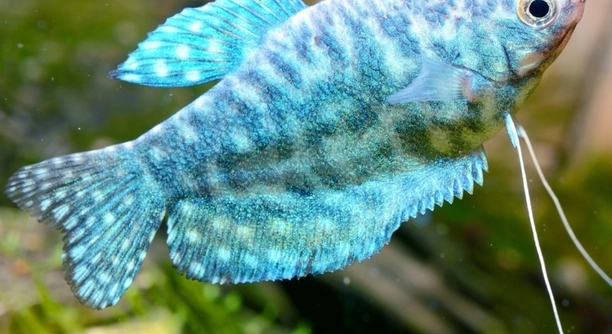
Gouramis are popular freshwater fish known for their peaceful nature and unique behaviors. They often interact with their environment in interesting ways. Understanding how they respond to different substrates can help keep them healthy and comfortable.
Gouramis show distinct reactions to soft substrates such as sand or fine gravel. These reactions include increased foraging behavior, resting on the substrate, reduced stress levels, improved breeding conditions, altered swimming patterns, enhanced comfort, and substrate cleaning activities.
Knowing these reactions can improve aquarium setup and care for gouramis. These insights help create a better environment for their well-being and natural behaviors.
Foraging Behavior on Soft Substrates
Gouramis tend to forage more actively when placed on soft substrates like sand or fine gravel. This type of substrate allows them to sift through the material easily, searching for small food particles or insects. Their natural behavior involves using their mouths to disturb the substrate gently, which they can do better on soft surfaces. Hard or rough substrates may discourage this behavior because they can be uncomfortable or even harmful to their delicate mouths. When gouramis forage on soft substrates, it also helps mimic their natural habitat, reducing stress and encouraging healthy activity. This behavior benefits their overall health, promoting exercise and mental stimulation. Soft substrates also prevent injuries to their barbels and mouths during this process. Observing gouramis engaging in foraging behavior is often a sign they feel secure and comfortable in their environment, which is essential for their well-being and long-term care.
Foraging on soft substrates supports gouramis’ natural feeding habits and helps maintain their health and happiness in captivity.
Soft substrates allow gouramis to display normal feeding behaviors, improving their quality of life. This interaction also reduces anxiety, making them more active and engaged in their surroundings. A well-chosen substrate is key to promoting these natural actions and ensuring a balanced aquarium ecosystem.
Resting and Comfort on Soft Substrates
Gouramis often choose soft substrates as resting spots because they feel more comfortable and less abrasive. Unlike rough gravel or stones, soft materials provide gentle support for their bodies. This reduces physical stress and skin irritation during rest periods. They tend to lie on the substrate more often when it is soft, showing a clear preference. Providing a soft substrate in the tank can encourage peaceful rest, which is crucial for their health and energy. It also creates a calm environment that reduces aggressive behavior and stress responses. Comfortable resting areas contribute to a stable mood and better overall behavior in gouramis. Soft substrates may also simulate the natural environments gouramis come from, helping them feel more at ease and secure in their tank.
A soft substrate improves resting comfort, which supports the fish’s well-being and calm demeanor.
When gouramis have a comfortable resting place, they show less stress and are more likely to thrive. The soft substrate cushions their bodies, preventing damage and promoting natural habits. This enhances their quality of life and encourages a healthy tank atmosphere.
Reduced Stress Levels on Soft Substrates
Soft substrates help lower stress in gouramis by creating a gentle environment for movement and rest. They avoid sharp edges that could cause injury or discomfort. This contributes to a calmer and healthier fish.
Stress in gouramis is often linked to their environment. Hard or uneven substrates can cause irritation and anxiety. Soft substrates minimize these issues by providing a smooth surface. This reduces the chance of physical harm and allows gouramis to feel safer. A less stressful environment leads to better immune function and fewer behavioral problems. Stress reduction is key to maintaining healthy gouramis over time.
A calm tank environment supported by soft substrates encourages natural behavior and promotes longevity in gouramis. They become more active, feed better, and show improved social interactions when stress is kept low.
Improved Breeding Conditions
Soft substrates provide ideal breeding spots for gouramis, especially for bubble nest builders. The gentle surface makes it easier to build and protect nests without damage. Gouramis prefer smooth substrates for spawning.
Breeding gouramis need stable and safe environments. Soft substrates offer a calm base that supports the delicate bubble nests they create. These nests are crucial for eggs and fry survival. On rough or sharp substrates, nests may break apart, causing stress and reducing breeding success. Soft substrates also help reduce injury risk during spawning behaviors, such as digging or moving eggs. The presence of a suitable substrate encourages natural breeding habits and increases the chance of healthy offspring. Many breeders recommend fine sand or smooth gravel to replicate natural conditions and maximize breeding outcomes.
Using soft substrates ensures the breeding process is less stressful and more productive for gouramis, helping maintain their population in captivity.
Altered Swimming Patterns
Soft substrates can change how gouramis swim near the bottom of the tank. They tend to move more slowly and carefully, adjusting to the texture beneath them.
This gentler substrate encourages gouramis to explore more of the tank floor, often resulting in more natural and relaxed swimming behaviors.
Substrate Cleaning Activities
Gouramis often clean soft substrates by gently stirring the surface. This helps them find food and keeps the area clear of debris.
Regular substrate cleaning is part of their natural behavior. It also contributes to maintaining good water quality and a healthier tank environment.
Enhanced Comfort
Soft substrates provide a cushion that supports gouramis’ bodies during rest and activity. This reduces physical strain and makes the tank feel safer.
FAQ
Why do gouramis prefer soft substrates over hard ones?
Gouramis prefer soft substrates because they are gentler on their bodies, especially their sensitive mouths and fins. Soft materials like sand or fine gravel allow them to forage and rest comfortably without risk of injury. Hard or sharp substrates can cause abrasions and make it harder for them to display natural behaviors.
Can a soft substrate reduce stress in gouramis?
Yes, soft substrates help reduce stress by creating a more natural and comfortable environment. Stress in fish often comes from discomfort or fear of injury. Soft surfaces provide a safe place to rest and move around, which helps gouramis feel secure and relaxed.
How does substrate type affect gourami breeding?
The substrate plays a key role in breeding, especially for bubble nest builders like gouramis. Soft substrates allow stable bubble nests to form without being easily disturbed or damaged. Rough or uneven substrates can break the nests, leading to unsuccessful breeding and higher stress.
Are there any downsides to using soft substrates?
One potential downside is that soft substrates like sand can trap debris and waste more easily, which requires careful maintenance to avoid water quality problems. Regular cleaning and proper filtration are important to keep the tank healthy. However, the benefits for gouramis usually outweigh this minor extra care.
Can gouramis live well on hard or rocky substrates?
Gouramis can survive on hard or rocky substrates, but they may not thrive as well. Hard surfaces can limit their natural behaviors like foraging and resting comfortably. Over time, this can lead to stress and potential injuries. Soft substrates are generally better for their overall health.
How often should I clean a soft substrate in a gourami tank?
Cleaning frequency depends on tank size and stocking levels, but generally, a gentle vacuuming of the soft substrate every 1-2 weeks is recommended. This helps remove trapped waste without disturbing the beneficial bacteria too much. Maintaining water quality is essential for gouramis’ health.
Do all gourami species react the same way to soft substrates?
Most gourami species prefer soft substrates, but there can be slight differences depending on their natural habitats. For example, dwarf gouramis often show strong preferences for soft, sandy bottoms, while larger species may tolerate a bit more variety. It’s best to research the specific species you keep.
Is there a best type of soft substrate for gouramis?
Fine sand or very small, smooth gravel are excellent choices for gouramis. These substrates provide comfort and allow natural behaviors without posing risks of injury. Avoid sharp or large gravel pieces, as these can cause damage or stress.
Can soft substrates help with gourami health problems?
Yes, soft substrates can help reduce skin abrasions and infections caused by rough tank surfaces. They also promote natural activity, which supports immune function and overall vitality. Ensuring a comfortable environment is a simple way to prevent some common health issues.
What should I consider when switching my gourami tank to a soft substrate?
When changing substrates, do it gradually if possible, to minimize stress. Make sure the new substrate is clean and safe for your fish. Monitor water parameters closely after the change, as substrate swaps can affect water chemistry temporarily. Watch your gouramis for signs of stress or discomfort during the transition.
Soft substrates play an important role in creating a comfortable and natural environment for gouramis. These gentle surfaces allow gouramis to express many of their natural behaviors, such as foraging, resting, and breeding. Compared to hard or rough substrates, soft ones reduce the risk of injury and stress. When gouramis feel safe and comfortable, they tend to be more active and show healthier behaviors. This simple change in the tank setup can have a positive impact on their well-being.
Choosing the right substrate is a key part of responsible aquarium care. Soft materials like fine sand or smooth gravel are generally best for gouramis. These substrates support their natural habits and help maintain a calm tank atmosphere. While soft substrates may require more regular cleaning to prevent trapped debris, the benefits for the fish often outweigh the extra effort. A clean and well-maintained soft substrate encourages better water quality and contributes to the overall health of the aquarium ecosystem.
In summary, providing soft substrates for gouramis helps meet their physical and behavioral needs. It creates a safe place for resting and breeding while encouraging natural foraging and cleaning activities. Paying attention to the type of substrate used can improve the quality of life for gouramis and reduce stress-related problems. For anyone keeping gouramis, considering a soft substrate is a simple but effective step toward a healthier and happier fish tank.

Hello,
If you enjoy the content that we create, please consider saying a "Thank You!" by leaving a tip.
Every little bit helps us continue crafting quality advice that supports the health, happiness, and well-being of pets around the world, for pets of all shapes, sizes, and species.
We really appreciate the kindness and support that you show us!