
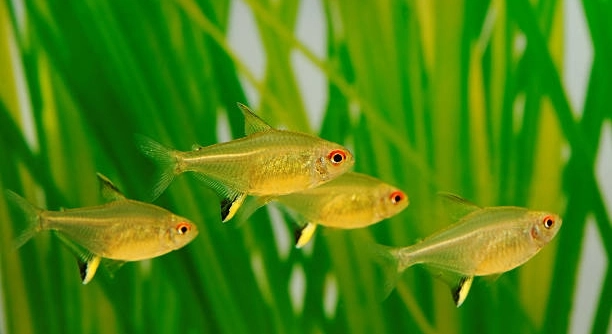
Do your lemon tetras seem unsettled when you rearrange their tank or add new decorations? These small, vibrant fish are sensitive to changes in their environment, and even minor adjustments can catch their attention and alter their behavior.
Lemon tetras respond to tank changes primarily through stress-related behaviors such as hiding, schooling tightly, or reduced activity. Their reactions are influenced by the scale of the change, water parameters, and social dynamics within the group. Proper acclimation reduces negative impacts.
Observing how your tetras adapt can provide insights into their comfort level and help maintain a stable, healthy tank environment for long-term well-being.
How Lemon Tetras React to Tank Rearrangements
Lemon tetras are small, social fish that notice even subtle changes in their tank. Moving decorations, adding plants, or shifting rocks can cause them to hide or swim in tighter groups. They rely on familiar surroundings to feel safe, so sudden adjustments often make them cautious. Even water currents or new filtration equipment can temporarily stress them. Observing their reactions is important, as prolonged stress can affect their health. Over time, tetras usually acclimate if changes are gradual and consistent. Keeping a routine feeding schedule and stable lighting helps them feel secure. Watching them interact with each other provides clues about their comfort level. Adjustments should be small at first to avoid overwhelming the group. Their responses can include hovering near the bottom, darting between hiding spots, or reduced swimming activity. Patience and careful observation ensure your tetras maintain balance despite changes.
Gradual adjustments reduce stress and help lemon tetras adapt without prolonged fear or unusual behaviors.
Consistency and observation are key to helping your lemon tetras feel secure. Making small, measured changes allows them to explore safely and reestablish their comfort zones while maintaining group harmony.
The Role of Water Parameters in Tank Changes
Water quality affects how lemon tetras handle new environments or modifications. Maintaining stable temperature, pH, and clarity reduces stress responses.
When making tank changes, it’s essential to monitor parameters closely. Even minor shifts in pH or temperature can cause anxiety or erratic swimming. Sudden chemical imbalances can lead to hiding, loss of appetite, or weakened immune response. Tetras are sensitive to nitrates and ammonia, so regular testing and partial water changes help them adjust without added strain. Proper filtration and gradual introduction of new items or fish reduce shock. Observing the tetras’ behavior after modifications provides valuable feedback on their comfort. Feeding smaller portions during changes can minimize digestive stress. By keeping the water conditions stable and predictable, the tetras can explore altered environments safely. Adequate hiding spots and consistent lighting complement good water quality, supporting a calmer, healthier aquarium. Over time, these steps create a resilient habitat where lemon tetras thrive despite minor rearrangements.
Minimizing Stress During Tank Changes
Small, gradual adjustments help lemon tetras feel secure. Avoid sudden moves or drastic decorations to reduce hiding and frantic swimming.
Providing familiar hiding spots and slowly introducing new elements allows tetras to explore without fear. Observing their behavior ensures they remain comfortable, and adjusting changes if needed keeps stress low. Feeding in smaller portions during transitions can also reduce anxiety.
Maintaining a consistent lighting schedule and predictable feeding routine supports a calm environment. Lemon tetras respond better when their daily patterns remain unchanged. Slowly adding plants or rearranging rocks gives them time to adapt and keeps their social interactions stable. Paying attention to minor behavioral changes prevents long-term stress.
Observing Behavior for Signs of Adaptation
Watching how lemon tetras respond indicates their comfort level. Subtle changes in swimming or schooling can reveal stress or acceptance.
Signs such as schooling tightly, hiding more than usual, or refusing food indicate discomfort. Gradual exploration of new areas, resuming normal feeding, and returning to previous swimming patterns show adaptation. Monitoring these cues helps guide future adjustments.
Adjustments should be introduced carefully, giving tetras time to explore new arrangements. Consistent water quality, adequate space, and secure hiding spots support their confidence. Noticing when they resume normal schooling and activity helps determine when the tank has stabilized. This careful observation ensures changes are safe and minimizes the risk of long-term stress affecting health.
Preparing the Tank Before Changes
Check water parameters and clean the tank before making adjustments. Stable temperature, pH, and clarity help tetras stay calm during changes.
Arrange decorations and plants carefully. Avoid overcrowding and provide familiar hiding spots. A well-prepared tank reduces stress and supports smoother adaptation for lemon tetras.
Introducing New Decorations
Add new items gradually, spacing out introductions over several days. Sudden changes can overwhelm lemon tetras, causing hiding or erratic swimming. Observing their reactions after each addition helps ensure they adjust comfortably. Slowly integrating decorations allows tetras to explore safely without feeling threatened, maintaining a balanced and calm tank environment.
Monitoring Social Behavior
Pay attention to schooling and interactions. Disrupted group dynamics can indicate stress or discomfort after changes.
FAQ
How long does it take for lemon tetras to adjust to tank changes?
Lemon tetras usually take a few days to a week to fully adapt, depending on the scale of changes and the stability of water conditions. Minor adjustments like moving a decoration may only require a day or two, while adding new plants or rearranging several items can extend the adjustment period. Observing their swimming patterns and feeding habits is the best way to gauge adaptation. Consistent water parameters and gradual changes help speed up the process and reduce stress.
What signs show that my lemon tetras are stressed after changes?
Stress in lemon tetras can show through hiding more than usual, swimming frantically, or schooling tightly. Reduced appetite, lethargy, and staying near the tank bottom are also common indicators. Temporary changes in color or clamped fins may appear if stress is prolonged. Monitoring their behavior closely allows you to intervene quickly. Adjusting lighting, ensuring stable water conditions, and maintaining familiar hiding spots can help calm them. Stress responses vary, so patience is key while tetras acclimate.
Can water parameter changes affect their reaction to tank rearrangements?
Yes, lemon tetras are highly sensitive to pH, temperature, and ammonia levels. Even small fluctuations can heighten stress during tank changes. Maintaining stable water parameters ensures that tetras focus on exploring rather than coping with chemical imbalances. Testing the water regularly and performing partial water changes when needed keeps their environment safe. A stable environment also supports normal schooling behavior and reduces the likelihood of aggression or hiding, making adjustments smoother.
Should I move all decorations at once or in stages?
It’s better to make changes gradually. Moving everything at once can overwhelm lemon tetras and trigger stress-related behaviors. Introducing new decorations in stages allows them to explore the tank safely and regain a sense of security. Start with one or two items, then observe their behavior over a few days. If they adapt well, continue with additional changes. Staged adjustments maintain normal feeding patterns and social interactions while giving each fish time to adjust.
Do hiding spots help during tank changes?
Yes, hiding spots are essential. Lemon tetras use them to feel safe when unfamiliar changes occur. Providing caves, plants, or rocks gives them a secure place to retreat while they assess new surroundings. Familiar hiding spots should remain in consistent locations to reduce stress. Gradually adding new spaces allows them to explore without feeling threatened. Observing their use of hiding areas also provides insight into their comfort and readiness to interact with the new setup.
How often should I observe their behavior after making changes?
Frequent observation during the first few days is crucial. Watch for schooling patterns, feeding behavior, and interactions with the tank environment. Noticing early signs of stress allows you to adjust water parameters, remove stressful items, or rearrange decorations more slowly. Once tetras resume normal activity and feeding, you can reduce the frequency of checks while continuing routine monitoring to maintain a calm environment.
Can adding new fish at the same time affect their adaptation?
Yes, introducing new fish along with tank changes can increase stress. Lemon tetras may feel threatened or become territorial, which can disrupt group cohesion. If adding fish, it’s best to wait until the tank has stabilized after rearrangements. Quarantining new fish before introduction also reduces the risk of disease and further stress. Gradual acclimation ensures the original tetras maintain normal social behavior while adjusting safely to the new tankmates.
Does lighting influence their comfort during changes?
Lighting consistency plays a big role. Sudden changes in light intensity or schedule can add stress. Keeping the same lighting pattern during rearrangements helps lemon tetras feel secure. Gradually adjusting brightness, if needed, allows them to explore without anxiety. Stable lighting also supports normal feeding and active periods, reinforcing a calm and balanced environment during transitions.
What should I do if a tetra shows extreme stress?
If a lemon tetra continues to hide, refuses food, or swims erratically for several days, immediate action is needed. Check water parameters for ammonia, nitrite, and pH imbalances. Ensure the tank has adequate hiding spots and remove overly bright lights or strong currents. Separating the stressed fish temporarily or providing a small quarantine area can help recovery. Reducing sudden stimuli and maintaining consistent care promotes gradual adaptation and long-term health.
Are some lemon tetras more sensitive than others?
Yes, individual temperament affects how tetras respond. Some may explore new arrangements quickly, while others remain cautious and hide for longer. Age, size, and previous experiences with tank changes influence reactions. Observing each fish helps tailor adjustments, ensuring all members of the group feel secure. Providing a mix of hiding spaces and gradual modifications accommodates varying sensitivity levels and maintains group harmony.
Final Thoughts
Lemon tetras are delicate fish that thrive in stable, predictable environments. Any changes to their tank, even minor ones like moving decorations or adjusting plants, can affect their behavior. They rely on familiar surroundings to feel safe and maintain their natural schooling patterns. Observing them closely during and after changes is essential to understanding how they cope. Paying attention to their swimming habits, hiding behavior, and interactions with tankmates can reveal their level of comfort and help you identify any stress early. While it may seem simple to rearrange a tank for aesthetic reasons, even small adjustments should be approached with care. Gradual changes allow the tetras to explore new spaces and adapt without becoming overwhelmed. Providing familiar hiding spots, stable water conditions, and consistent lighting supports a sense of security.
Water quality plays a critical role in how lemon tetras respond to changes. Stable temperature, pH, and low levels of ammonia and nitrates are necessary for their well-being. Even small fluctuations in these parameters can increase stress when the tank is altered. Regular testing and careful monitoring of water conditions are key to maintaining a healthy environment. Partial water changes, proper filtration, and maintaining predictable feeding routines help tetras adjust smoothly. When adding decorations or rearranging the tank, it’s important to introduce changes in stages rather than all at once. This allows the fish to explore their new surroundings gradually, which reduces fear and prevents erratic behavior. Lemon tetras are social fish, so supporting their group dynamics during these transitions is just as important as maintaining physical water quality.
Observing their behavior over time is the best way to ensure successful adaptation. Signs of stress such as hiding, clamped fins, reduced activity, or irregular schooling indicate that changes may have been too sudden or environmental conditions are unstable. Providing a calm and secure environment, including hiding spaces and predictable routines, can reduce stress and help them regain comfort. Every fish has its own personality, and some may adapt faster than others. Patience is essential, as forcing rapid changes or expecting immediate adjustment can be harmful. Over time, with careful observation, gradual modifications, and attention to water quality, lemon tetras will learn to navigate changes confidently. By approaching tank adjustments thoughtfully, you can create a balanced, healthy, and visually appealing environment that supports their natural behaviors and long-term health.

Hello,
If you enjoy the content that we create, please consider saying a "Thank You!" by leaving a tip.
Every little bit helps us continue crafting quality advice that supports the health, happiness, and well-being of pets around the world, for pets of all shapes, sizes, and species.
We really appreciate the kindness and support that you show us!