
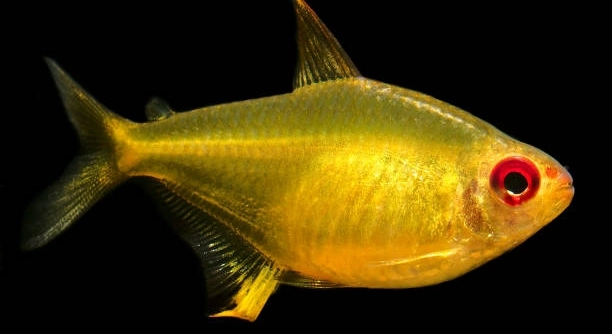
Lemon tetras are peaceful fish that usually swim together in small schools. Sometimes, one may act differently, staying apart or showing unusual behavior. Observing these changes early can help keep your aquarium healthy and balanced.
Isolating a lemon tetra that exhibits unusual behavior is recommended when signs of stress, illness, or aggression are present. Quarantine helps prevent the spread of disease and allows focused care to restore the fish’s health effectively.
Monitoring your fish closely is important, as early action can prevent larger problems in the tank and maintain a harmonious environment for all your tetras.
Recognizing Unusual Behavior in Lemon Tetras
Lemon tetras are generally active and social, swimming in small schools and interacting with other tank mates. When one starts behaving differently, it can signal stress, illness, or environmental issues. Common signs include hiding more than usual, rapid gill movement, loss of appetite, or unusual swimming patterns. Observing your tank daily helps you notice subtle changes before they become severe. Changes in water temperature, pH levels, or overcrowding can stress tetras, making them more prone to disease. Even small shifts in diet or water quality can affect their behavior. Sometimes, a tetra may simply be resting or exploring alone, but repeated patterns should not be ignored. Early detection allows you to act promptly, ensuring the fish’s health and maintaining harmony within the tank. Keeping a log of observations can help identify patterns and triggers for these unusual behaviors, making management easier over time.
Monitoring your lemon tetras closely is essential to maintain a healthy, balanced aquarium and prevent serious issues before they escalate.
Identifying the exact cause of odd behavior can be challenging because multiple factors may overlap. Water quality is one of the most critical considerations, as high ammonia, nitrite, or nitrate levels can directly stress fish. Tank mates can also play a role; aggressive or territorial species may intimidate lemon tetras. Illness, including parasites or bacterial infections, often shows early as subtle behavioral changes. Nutrition matters too, as a poor diet can weaken their immune system, making them more susceptible to disease. Even seasonal changes or lighting adjustments may affect activity levels. By carefully observing the fish and noting the context of the behavior, you can make more informed decisions. Corrective steps, such as improving water conditions, adjusting tank mates, or isolating the affected tetra, often restore normal behavior and prevent broader problems in the aquarium.
How to Properly Isolate a Lemon Tetra
Isolation should be done in a separate quarantine tank with stable water conditions. The tank must match the main aquarium’s temperature and pH to reduce stress.
When setting up a quarantine tank, ensure it is spacious enough for comfortable swimming and includes hiding spots to reduce anxiety. Monitor water quality closely, performing regular partial water changes to keep ammonia, nitrite, and nitrate levels low. Observe the isolated tetra for signs of recovery or worsening condition, such as changes in appetite, fin condition, or activity level. Treatment may involve adjusting water conditions, administering appropriate medications, or modifying diet based on the suspected issue. Isolation not only protects the sick or stressed fish but also prevents potential disease spread to the rest of the tank. Proper handling during transfer is important to avoid additional stress or injury. After recovery, gradually reintroduce the tetra to the main tank while monitoring interactions with other fish. This careful approach ensures both the individual fish and the school remain healthy.
Common Causes of Odd Behavior
Stress from sudden changes in water parameters can make lemon tetras behave unusually. Overcrowding, aggressive tank mates, or poor diet may also trigger isolation or hiding behaviors.
Even minor shifts in water temperature or pH can cause stress, as lemon tetras are sensitive to their environment. Overcrowding leads to competition for space and resources, pushing some fish to isolate themselves. Aggressive or overly active tank mates can intimidate a tetra, forcing it into corners or hiding. Nutritional deficiencies weaken the immune system, making fish less active and more prone to disease. Consistent observation and maintaining stable water conditions help prevent these problems and keep tetras healthy.
Illnesses, including bacterial infections, parasites, and fin rot, often start subtly. A tetra may eat less, swim awkwardly, or show clamped fins. Early isolation and treatment improve recovery chances. Keeping water clean and feeding a balanced diet supports their overall health and resilience. Monitoring interactions with other fish also helps identify sources of stress before they lead to more serious problems.
Steps to Take Before Isolation
Check water quality, diet, and tank dynamics to determine if isolation is necessary. Observing the fish carefully often helps identify the root cause.
If behavior does not improve after addressing environmental factors, prepare a quarantine tank. Use a tank with matching water parameters, gentle filtration, and hiding spots to reduce stress. Handle the fish gently during transfer to avoid injury. Monitor the isolated tetra daily, noting appetite, swimming patterns, and any signs of disease. Adjust water conditions or introduce treatments as needed. Isolation should not be indefinite; return the fish only when fully recovered to ensure safety for the rest of the aquarium.
Isolation works best when combined with careful observation and proactive care. Make small, consistent changes rather than drastic adjustments, and maintain a clean, stable environment. Balanced nutrition and attentive monitoring significantly increase the chances of recovery, preventing relapse. Track behavior and condition daily to catch subtle signs of illness early. Maintaining stable social dynamics in the main tank also helps reduce stress after reintroduction. Patience and consistency during this period protect both the recovering fish and the overall harmony of the aquarium.
Preparing a Quarantine Tank
Use a small tank with clean water, stable temperature, and matching pH. Include gentle filtration and hiding spots to make the tetra feel safe.
Avoid overcrowding the quarantine tank. One or two fish at most keeps stress low and allows for close observation. Regular water changes are essential to maintain optimal conditions.
Monitoring Behavior During Isolation
Watch the lemon tetra closely for changes in appetite, swimming, and overall activity. Note any signs of illness such as clamped fins, lethargy, or discoloration. Record observations daily to track progress. Early detection of problems allows faster intervention, improving recovery chances.
Feeding in Quarantine
Feed small, frequent portions of high-quality food to support recovery. Observe whether the fish eats well, adjusting diet as needed to encourage normal appetite and maintain strength.
FAQ
How long should I keep a lemon tetra in isolation?
The duration of isolation depends on the reason for separating the fish. If illness is the cause, the tetra should stay isolated until all symptoms disappear and it shows normal activity and appetite. For stress or aggression, monitor behavior daily and consider reintroduction once the fish swims normally and interacts calmly with others. Generally, one to two weeks is sufficient for mild stress, but longer periods may be necessary for illness recovery. Always ensure water conditions remain stable during this period to prevent further stress.
Can isolation harm my lemon tetra?
Isolation itself is not harmful if done correctly, but poor conditions can increase stress. A small, bare tank without hiding spots or fluctuating water parameters can make the fish anxious and weaken its immune system. Gentle filtration, stable temperature, and proper hiding areas are key. Handling should be minimal, and feeding should be consistent to avoid additional stress. Proper quarantine setup actually benefits the fish, allowing focused care and recovery while protecting the rest of the tank.
What should I do if my isolated tetra refuses to eat?
Loss of appetite is common during stress or illness. Start by offering small portions of high-quality, varied food like flakes, pellets, or frozen options. Warming the food slightly can make it more appealing. Check water quality, as poor conditions can worsen appetite loss. If the fish still refuses food after a day or two, consider consulting an experienced aquarist or using a mild appetite stimulant or medicated food, depending on the suspected illness. Patience and gentle observation are essential during this time.
How can I prevent unusual behavior in my tetras?
Maintaining stable water conditions is the first step. Regularly test pH, ammonia, nitrite, and nitrate levels. Avoid sudden temperature changes and keep the tank appropriately stocked. Provide a balanced diet to support immune function and overall health. Monitor interactions among tank mates to prevent bullying or territorial disputes. Adding plants or hiding spots reduces stress and encourages natural behavior. Preventing stress and illness from the start is more effective than frequent isolation.
When should I reintroduce a lemon tetra to the main tank?
Only return the fish once it shows normal swimming, eating, and interaction patterns. Ensure all symptoms of illness have disappeared and water parameters are compatible with the main tank. Gradual reintroduction helps the tetra readjust without triggering aggression or stress. Consider acclimating the fish by floating the quarantine bag in the main tank to equalize temperature and minimize shock. Observe closely for several hours after reintroduction to catch any issues early.
Is medication necessary during isolation?
Medication is only needed if illness is diagnosed or strongly suspected. Overmedicating can harm both the fish and beneficial bacteria in the tank. Use targeted treatments for specific infections and follow dosing instructions carefully. Supportive care, including clean water, proper diet, and stable conditions, is often as important as medication. Observation is crucial to determine if medication is needed or if the fish can recover naturally.
Can lemon tetras live alone after isolation?
Lemon tetras are social fish that thrive in schools. Long-term isolation can lead to stress, lethargy, and poor health. After recovery, it’s important to return the fish to a group of compatible tetras to encourage normal behavior and reduce anxiety. Even after a period of isolation, maintaining social interaction is critical for their well-being.
What signs indicate the tetra is fully recovered?
Full recovery is indicated by regular swimming throughout the tank, active feeding, and normal interaction with other fish. Fins should be fully spread, coloration should be vibrant, and there should be no visible signs of disease like clamped fins, spots, or lesions. Consistent observation over several days ensures the fish is stable before reintroduction.
How can I reduce stress during the isolation process?
Minimize handling and sudden changes in water conditions. Provide hiding spots like plants or small caves. Keep lighting gentle and maintain a quiet environment. Feed small, frequent meals to encourage natural behavior. Monitoring water quality and temperature closely ensures the fish feels secure, which reduces stress and supports recovery.
Are there alternative ways to help a stressed tetra without isolation?
In mild cases, improving water quality, adjusting tank mates, and adding hiding spots may be enough. Observing behavior carefully helps identify if isolation is necessary or if environmental adjustments suffice. Gradual changes and consistent care can often restore normal behavior without the need for a separate tank.
Lemon tetras are small, peaceful fish that usually thrive in groups. When one starts acting differently, it can be worrying, but unusual behavior does not always mean something serious. Sometimes a tetra may simply be resting, exploring, or adjusting to minor changes in the tank. However, repeated signs of stress, hiding, clamped fins, or loss of appetite indicate that something needs attention. Watching your fish closely every day allows you to notice changes early. Maintaining stable water conditions, a balanced diet, and a calm environment are key to keeping tetras healthy and active. Even small adjustments, such as checking pH levels or reducing overcrowding, can make a big difference in their behavior.
Isolation is an important tool when a lemon tetra shows persistent signs of illness or stress. A properly set-up quarantine tank with gentle filtration, stable temperature, and hiding places can help the fish recover safely. Daily observation during isolation allows you to track changes in appetite, activity, and overall condition. If necessary, appropriate treatment or diet adjustments can be applied without risking the health of other tank mates. Isolation should not be overly long, but the fish should remain separated until fully recovered. Once normal behavior returns, careful reintroduction to the main tank ensures the tetra resumes school swimming and interacts calmly with others. Consistency and patience are essential throughout this process, as sudden changes can create additional stress.
Preventing unusual behavior is often easier than treating it. Stable water quality, proper tank size, compatible companions, and a balanced diet all help minimize stress. Observing your tank and understanding the needs of lemon tetras allows you to respond before problems become serious. Even after a period of isolation, supporting the fish’s social needs by keeping it with a small school promotes long-term health. By paying attention to their behavior, environment, and diet, you create conditions where lemon tetras can thrive. Thoughtful care, early detection of stress, and prompt action when needed make it possible to maintain a healthy, harmonious aquarium for all your fish.

Hello,
If you enjoy the content that we create, please consider saying a "Thank You!" by leaving a tip.
Every little bit helps us continue crafting quality advice that supports the health, happiness, and well-being of pets around the world, for pets of all shapes, sizes, and species.
We really appreciate the kindness and support that you show us!