
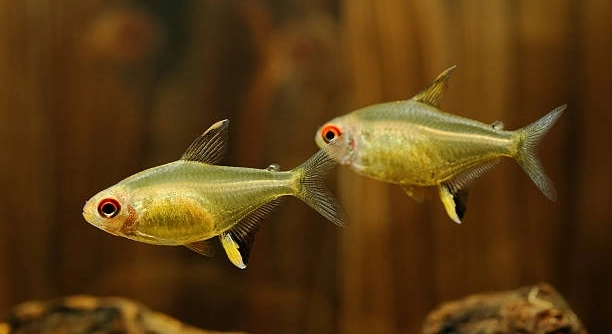
Lemon tetras are small, vibrant fish that bring life to any freshwater aquarium. Their delicate nature requires careful attention to water quality and environment. Incorporating natural elements can enhance their habitat and overall well-being.
Driftwood provides multiple benefits for lemon tetras, including creating hiding spots, stabilizing water pH, releasing beneficial tannins, encouraging natural behaviors, improving aesthetics, supporting biofilm growth, and fostering a healthier, more balanced aquatic environment. These effects contribute to fish welfare and tank stability.
Adding driftwood to your aquarium can transform it into a more natural and comfortable space for your lemon tetras to thrive. Its presence supports both visual appeal and the fish’s health over time.
Creating Hiding Spots with Driftwood
Lemon tetras are naturally shy and feel more secure when they have places to hide. Driftwood provides nooks and crevices that mimic their natural environment. These hiding spots reduce stress, which can improve their immune system and behavior. Fish that feel safe tend to swim more actively and interact with their surroundings, displaying natural patterns. Overcrowding an aquarium or lacking proper shelter can lead to aggression and health issues. By carefully placing driftwood, you can create layers in the tank, offering both open swimming areas and protected spaces. This balance helps maintain a stable social dynamic among your lemon tetras. Additionally, driftwood can serve as a resting spot where tetras linger when they are not actively swimming. This element contributes not only to their safety but also to their comfort, allowing them to thrive in a home aquarium. A well-arranged tank with hiding spots encourages confident and healthy fish behavior overall.
Hiding spaces reduce stress and promote natural behaviors, making your lemon tetras more active and healthier in their environment.
Proper placement of driftwood ensures the tank feels dynamic yet safe. Positioning pieces at different heights creates depth, allowing tetras to explore while having secure areas to retreat. This arrangement encourages curiosity while maintaining comfort, contributing to a balanced habitat.
Stabilizing Water Chemistry
Driftwood can slightly lower and stabilize the pH of aquarium water, which is beneficial for lemon tetras. These fish prefer soft, slightly acidic water that closely resembles their natural rivers. Using driftwood helps maintain consistent water conditions, reducing sudden chemical changes that may stress the fish. Over time, tannins released from the wood can darken the water slightly, giving the tank a more natural appearance. While this is generally safe, monitoring water parameters ensures levels remain ideal. Consistent water chemistry supports healthy scales, coloration, and overall vitality in lemon tetras, reducing susceptibility to disease.
Maintaining stable water chemistry supports lemon tetras’ health, coloration, and long-term survival in a home aquarium.
Beyond pH stabilization, driftwood encourages beneficial biofilm and microbial growth that can aid digestion and nutrient absorption for your tetras. When properly prepared and placed, it prevents rapid chemical fluctuations and creates a natural, balanced ecosystem. Combining driftwood with live plants enhances these effects, offering both water stabilization and aesthetic appeal. Regular observation ensures the tank remains safe, while driftwood’s slow tannin release provides long-lasting benefits. Lemon tetras thrive in this environment, exhibiting brighter colors and calmer behavior. By integrating driftwood thoughtfully, you provide not only physical structures but also chemical stability, promoting a sustainable and healthy aquarium. This approach mirrors their natural habitats, helping them flourish naturally and comfortably while supporting overall tank health.
Encouraging Natural Behaviors
Driftwood creates surfaces for lemon tetras to explore and interact with. Swimming around, hiding, and nibbling at biofilm encourages activity and curiosity, which keeps them mentally stimulated and physically healthy. This environment mimics natural habitats and supports instinctive behaviors.
By adding driftwood, lemon tetras can engage in natural foraging and exploration. The wood collects biofilm and microorganisms that fish can nibble on, providing supplemental nutrition while encouraging movement. These behaviors reduce boredom and prevent stress-related issues, leading to a more active and resilient fish population. Tetras can establish territories or favorite spots, promoting a sense of security. Driftwood shapes the tank into a dynamic space where fish can practice instinctive actions, strengthening both physical health and natural habits.
The presence of driftwood also influences social interactions. Lemon tetras often swim in small groups, and the wood provides subtle boundaries that reduce aggression. Fish can retreat or observe peers without confrontation, which is especially important in confined tank spaces. By offering these opportunities, driftwood allows tetras to display hierarchical behaviors and choose comfortable zones. Over time, these interactions support a balanced and calm community. The tank feels alive as fish explore, rest, and interact naturally, promoting overall wellness.
Supporting Biofilm and Microorganisms
Driftwood surfaces develop biofilm, which becomes a natural food source for lemon tetras. This helps supplement their diet and encourages grazing behaviors, which benefits both nutrition and activity levels.
Biofilm formation on driftwood supports the growth of beneficial microorganisms that are important for a balanced aquarium ecosystem. Lemon tetras can feed on this layer, gaining nutrients that may not be present in commercial food. The wood acts as a substrate for algae, bacteria, and fungi that contribute to digestive health. Fish can nibble while swimming, which also encourages movement and exploration. By integrating driftwood, you create a living structure that continuously nourishes the aquarium community. This natural source of food complements their diet, reducing reliance solely on flakes or pellets and promoting overall vitality in the tank.
In addition to feeding benefits, biofilm encourages microbial diversity in the aquarium. A healthy microbial population breaks down waste, limits harmful bacteria, and supports water clarity. Driftwood surfaces enhance this effect by providing stable areas for organisms to thrive. Over time, these microorganisms contribute to a balanced ecosystem, indirectly supporting plant growth and water quality. Lemon tetras benefit from both direct feeding and the improved environment. The combination of structure and biofilm ensures that fish remain active, nourished, and less prone to stress, creating a sustainable and self-supporting habitat that closely resembles natural conditions.
Improving Tank Aesthetics
Driftwood adds a natural, warm look to aquariums. Its shapes and textures create depth, making the tank visually appealing while complementing plants and other decorations. Lemon tetras look more vibrant against these natural tones, enhancing the overall beauty of the aquarium.
The irregular shapes of driftwood provide visual interest and contrast with smooth gravel and plant leaves. It can serve as a focal point or accent within the tank, creating a sense of structure and layering. Positioning pieces strategically adds dimension, and over time, tannins subtly tint the water, producing a soft, natural ambiance. This aesthetic improvement makes the tank feel more like a miniature ecosystem rather than a simple container, creating a calming and attractive environment.
Releasing Beneficial Tannins
Driftwood slowly releases tannins into the water, slightly softening and acidifying it. These compounds create conditions closer to lemon tetras’ natural habitats, supporting their health and comfort.
Enhancing Comfort and Security
Lemon tetras feel more at ease with driftwood present. It offers shelter and creates a sense of territory, making fish calmer and more confident.
FAQ
What type of driftwood is safe for lemon tetras?
Not all driftwood is suitable for aquariums. The safest options include Malaysian, Mopani, and Manzanita wood. These types are dense, sink easily after proper soaking, and release tannins gradually without introducing harmful substances. Avoid driftwood collected from outdoors, as it may carry pesticides, chemicals, or harmful organisms that can disrupt water quality. Always clean and boil new pieces before adding them to the tank. This process removes debris, kills pathogens, and ensures the wood will not alter water parameters too drastically, keeping lemon tetras safe and healthy.
How do I prepare driftwood before adding it to the tank?
Preparation is crucial to prevent water cloudiness and protect fish health. Begin by scrubbing the wood under running water to remove dirt and loose particles. Boiling the driftwood for one to two hours helps release excess tannins and kills any unwanted microorganisms. For large pieces, soaking in a separate container for a week can also reduce discoloration in the aquarium. Once prepared, place the driftwood securely in the tank, ensuring it does not trap fish or shift easily. Proper preparation minimizes water changes and maintains a stable environment.
Will driftwood affect water pH and hardness?
Yes, driftwood naturally releases tannins that slightly lower pH and soften water. Lemon tetras thrive in soft, slightly acidic water, so this effect can be beneficial. The impact depends on the wood type, size, and how long it remains in the tank. Regular monitoring of water parameters is essential to ensure levels stay within safe ranges. If the water becomes too acidic, partial water changes or removing some wood can correct the balance. Driftwood contributes to long-term stability rather than sudden chemical shifts, supporting healthy fish behavior and color.
How often should I clean driftwood?
Driftwood does not require frequent cleaning if the tank is well-maintained. Light scrubbing every few weeks helps remove algae or debris buildup without disturbing biofilm that benefits lemon tetras. Avoid harsh chemicals, as they can harm fish and disrupt microbial balance. If driftwood becomes heavily coated with algae, a soft brush or siphoning around the piece can clean it safely. Over-cleaning may remove beneficial microorganisms, so maintaining a balance is essential. Regular water changes and tank upkeep reduce the need for aggressive cleaning, keeping both driftwood and fish healthy.
Can driftwood help with fish stress and aggression?
Yes, providing driftwood improves comfort and reduces stress. Lemon tetras feel secure with hiding spots and shaded areas, which minimize conflicts and prevent aggressive behaviors. By creating territories and retreat zones, driftwood allows fish to establish personal space, promoting calmer interactions. Stress reduction supports immune function and reduces susceptibility to disease, contributing to long-term well-being. Fish are more likely to display natural behaviors, such as schooling and foraging, when they have driftwood as part of their environment, enhancing both health and activity levels.
Is driftwood suitable for planted aquariums?
Driftwood works well with live plants. Many plants, such as Java fern or Anubias, can attach to wood, creating a natural look. The wood provides surfaces for roots and helps anchor decorations. Tannins released do not harm most plants and can even benefit some species by softening water. Combining driftwood and plants mimics natural habitats, providing shade, shelter, and foraging opportunities for lemon tetras. The synergy between wood and plants enhances aesthetics while supporting a balanced ecosystem, promoting healthy fish, stable water parameters, and an attractive tank layout.
How long does driftwood last in an aquarium?
Properly prepared driftwood can last many years. Dense hardwoods resist decay and maintain shape while slowly releasing tannins. Over time, minor erosion may occur, but this natural aging is safe for the aquarium. Monitoring for soft spots, mold, or sudden changes helps ensure longevity. If deterioration occurs, the piece can be replaced or removed without disrupting the tank significantly. Driftwood longevity depends on species, size, and tank conditions, but regular observation ensures it continues providing benefits for lemon tetras, including hiding spaces, biofilm growth, and water stabilization, over an extended period.
Can lemon tetras eat anything off driftwood?
Yes, lemon tetras often nibble on biofilm, algae, and microorganisms that grow on driftwood surfaces. This grazing behavior supplements their diet and encourages natural foraging habits. While not a primary food source, it provides nutrients and promotes activity. Driftwood creates a dynamic environment, supporting both feeding and natural behaviors simultaneously. Observing your fish feeding on these surfaces can indicate healthy tank conditions and a well-balanced micro-ecosystem. Ensuring the wood is safe and free from chemicals allows lemon tetras to explore and benefit from driftwood without risk, enhancing their overall health and vitality.
Does driftwood affect aquarium maintenance?
Driftwood can slightly increase maintenance due to tannin release and debris accumulation. Regular water testing, partial water changes, and light cleaning keep the tank stable. Tannins may tint water brown, but this is generally harmless. Proper preparation minimizes excessive cleaning and promotes a balanced habitat. Incorporating driftwood thoughtfully contributes to a natural, visually appealing, and healthy environment for lemon tetras without creating undue work. Over time, benefits like hiding spots, pH stabilization, and biofilm growth outweigh minor maintenance needs, making driftwood a practical and valuable addition to the aquarium ecosystem.
What precautions should I take when adding new driftwood?
Always inspect and clean new driftwood thoroughly. Boiling or soaking removes harmful organisms and reduces tannins. Secure the wood to prevent shifts that may trap fish or damage plants. Monitor water parameters after adding driftwood, ensuring pH, hardness, and clarity remain safe. Gradual integration helps fish adjust to changes while preserving a balanced ecosystem. Following these steps ensures lemon tetras benefit from the driftwood without risk, supporting health, comfort, and natural behaviors in a stable aquarium environment.
Final Thoughts
Driftwood is more than just a decorative element in a lemon tetra aquarium. It plays an important role in creating a balanced and natural environment that supports fish health. By providing hiding spots, driftwood helps reduce stress and encourages natural behaviors, which is essential for small, delicate fish like lemon tetras. Stress can lead to weakened immune systems, dull coloration, and reduced activity, so having structures that offer safety is a practical way to promote well-being. Additionally, driftwood contributes to the overall aesthetic of the tank. Its natural shapes and textures create depth and visual interest, making the aquarium look more like a small, self-contained ecosystem rather than a simple container. Over time, the subtle color changes caused by tannins in the wood add a warm, natural ambiance that complements plants, gravel, and other decorations, enhancing both the appearance and atmosphere of the tank.
The chemical benefits of driftwood are equally important. Tannins released slowly into the water help soften and slightly acidify it, which mirrors the natural conditions lemon tetras experience in the wild. Maintaining soft, slightly acidic water helps support healthy scales, coloration, and behavior. Driftwood also encourages the growth of biofilm and beneficial microorganisms. This biofilm can be nibbled on by the fish, providing supplemental nutrients and promoting natural foraging behaviors. At the same time, the microorganisms contribute to water quality by supporting a balanced microbial ecosystem. By adding driftwood, you are not only improving the visual appeal of the tank but also creating an environment that supports long-term fish health and vitality. These combined benefits make driftwood an essential component in maintaining a sustainable and healthy aquarium.
Proper care and placement of driftwood are crucial to maximizing its benefits. Preparing new wood by soaking or boiling ensures it does not introduce harmful substances or drastically alter water parameters. Strategically positioning pieces allows for open swimming spaces as well as secure retreat areas, supporting social balance and reducing aggression among fish. Driftwood works well with live plants, offering surfaces for roots to attach and creating shaded areas that fish enjoy. Regular observation, cleaning when necessary, and monitoring water parameters help maintain a stable and safe environment. When incorporated thoughtfully, driftwood creates a comfortable, natural habitat that encourages healthy behavior, supports nutrition, and stabilizes water chemistry. For lemon tetras, the presence of driftwood provides both physical and chemical benefits, making the tank more enjoyable for the fish and visually pleasing for the owner. This combination of safety, health, and aesthetics makes driftwood a practical and valuable addition to any lemon tetra aquarium.

Hello,
If you enjoy the content that we create, please consider saying a "Thank You!" by leaving a tip.
Every little bit helps us continue crafting quality advice that supports the health, happiness, and well-being of pets around the world, for pets of all shapes, sizes, and species.
We really appreciate the kindness and support that you show us!