
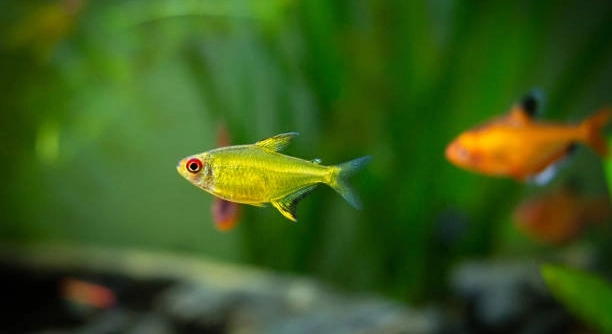
Lemon tetras are small, peaceful fish that brighten any freshwater aquarium. Their bright yellow bodies and active swimming make them a popular choice for hobbyists seeking harmony and color in their tanks.
Lemon tetras can generally coexist with other tetra species, provided that all species share similar water parameters, temperament, and tank size. Careful selection of tank mates minimizes aggression and ensures a stable and balanced aquatic environment.
Maintaining compatible tank mates is essential for a healthy, stress-free community of tetras in your aquarium. Understanding interactions will help your fish thrive together.
Choosing Compatible Tetra Species
When selecting tank mates for lemon tetras, it is important to focus on species that share similar temperaments and water requirements. Lemon tetras are peaceful and thrive in slightly acidic to neutral water with stable temperatures between 72°F and 79°F. Aggressive or larger tetra species can stress them, leading to illness or hiding behavior. Some compatible choices include neon tetras, cardinal tetras, and rummy-nose tetras. These species are active swimmers and usually occupy similar areas in the tank, which promotes a harmonious community. Keeping a proper ratio of lemon tetras to other species, ideally in schools of six or more, reduces territorial disputes. Additionally, providing sufficient plants, hiding spots, and open swimming areas ensures that all fish have space to establish their territories without conflict. Observation during the first weeks is key, as interactions can reveal unforeseen behavioral issues that may need adjustment.
Maintaining compatibility depends largely on careful observation and tank setup adjustments to minimize stress.
Providing a well-planned habitat encourages natural behavior, prevents bullying, and ensures that all tetra species coexist peacefully, enhancing the aquarium’s visual appeal.
Tank Setup for Mixed Tetra Communities
A well-structured tank is essential when housing lemon tetras with other species.
The tank should include live plants, driftwood, and smooth substrate to mimic natural environments and reduce stress. Open swimming areas are important for active tetras to move freely and school together, while dense plants provide hiding spots for shy individuals. Proper filtration and regular water changes maintain clean, oxygen-rich water, which supports health and reduces aggression. Lighting should be moderate, as overly bright conditions can cause discomfort. Avoid overcrowding; a 20-gallon tank is a minimum for a small mixed tetra group. Monitoring water temperature and pH ensures that all species remain comfortable and active. Observation of feeding behavior can reveal if any fish are struggling to compete for food. Adjustments to tank layout and plant density may be necessary to create balance, reduce competition, and allow each species to display natural behaviors.
With careful planning and monitoring, lemon tetras can thrive alongside compatible tetra species, forming a vibrant, peaceful community. Proper habitat design supports schooling behavior, minimizes stress, and encourages natural interaction. Consistent maintenance ensures a stable, healthy environment where all fish flourish. Watching their behavior allows timely interventions if aggression or stress appears, preserving harmony in the tank. A balanced approach to stocking and environment fosters long-term success and enjoyment.
Feeding Lemon Tetras in a Community Tank
Lemon tetras are not picky eaters but benefit from a varied diet. High-quality flakes, micro-pellets, and occasional live or frozen foods like brine shrimp or daphnia support their growth and vibrant color.
Feeding in a community tank requires attention to all species’ needs. Lemon tetras are small and may be outcompeted by larger or more aggressive fish. Offering food in multiple areas ensures that each fish gets enough nutrition. A mix of dry, frozen, and live foods provides protein and essential nutrients. Feeding small amounts two to three times daily prevents overfeeding and keeps water quality high. Observation during feeding times helps identify shy or slower eaters, allowing you to supplement their diet as needed.
Consistent feeding schedules and balanced nutrition promote health, reduce stress, and enhance natural coloration. Providing enrichment through varied food keeps lemon tetras active and social within the group. Watching their interaction during meals also helps detect any minor aggression or food competition. A well-fed tank leads to a more harmonious community.
Observing Behavior and Preventing Stress
Monitoring lemon tetras’ behavior is key to maintaining a peaceful community.
Signs of stress include hiding, reduced swimming, or faded color. Adjusting tank layout, adding plants, or rearranging decorations can reduce tension and allow fish to establish territories.
Regular observation ensures that all tetra species remain compatible. Lemon tetras display schooling behavior, and disruptions in the group may indicate incompatibility with certain tank mates. Bullying or chasing should be addressed immediately by separating aggressive individuals or increasing hiding spaces. Stress can also result from poor water quality, overcrowding, or incompatible temperatures. Keeping water parameters stable and maintaining a proper ratio of fish per gallon are essential. Observing feeding habits, swimming patterns, and interactions helps detect early signs of stress before health declines. Taking proactive measures maintains a calm, thriving tank environment where lemon tetras can coexist successfully.
Common Health Concerns
Lemon tetras are generally hardy but can be prone to fin rot and ich if water quality is poor. Regular water changes and careful monitoring help prevent these issues and keep all tank inhabitants healthy.
Stress from incompatible tank mates can weaken their immune system. Ensuring proper schooling, sufficient hiding spots, and peaceful companions reduces stress and lowers the risk of disease. Maintaining a balanced diet and stable water parameters strengthens their resilience against common health problems, allowing them to thrive in a community tank.
Breeding Lemon Tetras in a Community Tank
Breeding lemon tetras in a mixed tank is challenging. They prefer soft, slightly acidic water and a densely planted area to lay eggs. Fry survival is low if other fish are present, as adults and tank mates may eat the eggs. Providing a separate breeding tank improves success rates and protects the young.
Maintaining Water Quality
Consistent water testing is vital for healthy tetras. Keeping ammonia, nitrite, and nitrate levels in check prevents disease.
FAQ
Can lemon tetras live with other tetras?
Yes, lemon tetras generally coexist well with other small, peaceful tetra species. Compatibility depends on similar water parameters, temperament, and tank size. Neon tetras, cardinal tetras, and rummy-nose tetras are usually good companions. Avoid larger or aggressive tetras, as they may stress or harm lemon tetras. Observing their behavior in the first weeks helps confirm harmony.
How many lemon tetras should be kept together?
Lemon tetras are schooling fish and do best in groups of six or more. Small numbers may feel insecure, hide, or show stress. Larger schools reduce aggression from other tank mates and create a more natural, active display. Ensuring adequate swimming space and hiding spots is also important for their comfort.
What water conditions are ideal for lemon tetras?
Lemon tetras thrive in slightly acidic to neutral water, with a pH of 6.0–7.5 and temperature between 72°F and 79°F. Stable water parameters are crucial to prevent stress and illness. Regular testing, partial water changes, and proper filtration maintain a healthy environment for all tetras.
Can lemon tetras live with aggressive fish?
No, aggressive or territorial fish can harm lemon tetras. Stress from bullying can lead to illness, loss of color, or hiding behavior. Stick to peaceful species that share similar sizes and temperaments. Observing interactions early allows intervention if aggression occurs, such as rearranging decorations or separating problematic fish.
What should lemon tetras eat in a community tank?
They eat high-quality flakes, micro-pellets, and occasional frozen or live foods like brine shrimp or daphnia. Feeding small amounts two to three times daily prevents overfeeding and keeps water clean. Offering food in multiple spots ensures that smaller or shy tetras get enough nutrition alongside faster eaters.
How can I prevent stress in lemon tetras?
Stress can be reduced by maintaining proper school size, providing hiding spaces, stable water parameters, and compatible tank mates. Observing their behavior, swimming patterns, and color helps detect early signs of stress. Adjusting the tank layout or separating aggressive fish preserves a peaceful environment.
Can lemon tetras breed in a community tank?
Breeding is difficult in a mixed tank. Lemon tetras prefer soft, slightly acidic water and dense plants for egg-laying. Fry are often eaten by adults and other fish. Using a separate breeding tank increases survival rates and protects the young until they are large enough to join the main tank.
How do I maintain water quality for mixed tetras?
Consistent testing for ammonia, nitrite, and nitrate is essential. Partial water changes, proper filtration, and avoiding overcrowding help maintain safe levels. Clean water reduces the risk of disease, supports healthy growth, and keeps all tetra species active and colorful.
How do lemon tetras show aggression?
Lemon tetras are generally peaceful, but stress or poor conditions may trigger nipping or chasing. Aggressive behavior often occurs if tank mates are incompatible or space is limited. Increasing hiding spots, enlarging the tank, or rearranging plants can reduce conflicts and restore calm among all fish.
Can lemon tetras live with shrimp or snails?
Yes, small peaceful invertebrates like shrimp or snails usually coexist with lemon tetras. Ensure hiding places for shrimp and monitor interactions, especially with baby shrimp. Avoid larger, predatory fish that may see invertebrates as food. This creates a diverse, peaceful community tank.
How often should I feed lemon tetras?
Feeding small amounts two to three times daily keeps them healthy and active. Overfeeding can harm water quality and lead to obesity. Observing feeding habits helps identify shy or slower eaters, allowing supplemental feeding as needed to maintain balance in the community tank.
What are common diseases in lemon tetras?
Fin rot and ich are the most common issues. Poor water quality, stress, and overcrowding increase risk. Regular water maintenance, quarantine of new fish, and monitoring behavior help prevent outbreaks. Treating symptoms early preserves the health of the entire community.
Can lemon tetras live with bettas?
It depends on the betta’s temperament. Some peaceful bettas may coexist, but aggressive males can stress or injure tetras. Providing plenty of plants and hiding spaces reduces conflict, and careful observation is necessary during the first interactions to ensure safety.
How do I know if lemon tetras are happy?
Happy lemon tetras swim actively in schools, display bright colors, and feed eagerly. They explore the tank, interact with other peaceful fish, and hide occasionally without constant stress. Dull color, hiding, or reduced appetite may indicate poor conditions or incompatible tank mates.
Can lemon tetras live in a small tank?
A minimum of 20 gallons is recommended for a small school of lemon tetras with compatible tank mates. Overcrowding leads to stress, aggression, and poor water quality. Proper space, decorations, and plants support natural behavior and reduce health risks in a community tank.
How can I introduce new tetras to a tank?
Introduce new tetras slowly by floating their bag in the tank to equalize temperature. Gradually mix small amounts of tank water into the bag over 15–30 minutes before release. Rearranging decorations prevents established territories from causing aggression and helps smooth the transition for all fish.
Can lemon tetras live with corydoras?
Yes, corydoras catfish are peaceful bottom dwellers and make suitable tank mates. They occupy different areas of the tank, reducing competition. Both species benefit from compatible water conditions, proper feeding, and sufficient hiding spots, creating a calm and balanced community environment.
Do lemon tetras need a heater?
Yes, maintaining a stable temperature between 72°F and 79°F supports health and activity. Sudden temperature fluctuations can stress fish and weaken their immune system. A reliable heater and thermometer help maintain consistent conditions, especially in cooler environments.
Is schooling necessary for lemon tetras?
Yes, schooling reduces stress, encourages natural behavior, and prevents bullying. A minimum group of six is recommended. Observing their formation and movement helps ensure they feel secure and remain active, enhancing the overall appearance and harmony of the aquarium.
Can lemon tetras live with guppies?
Yes, guppies and lemon tetras can coexist if tank conditions suit both species. Both are small, peaceful, and thrive in similar water parameters. Monitor for competition during feeding and maintain adequate space to reduce stress and support healthy interaction.
How long do lemon tetras live?
With proper care, lemon tetras live around five to seven years. Stable water conditions, balanced nutrition, and a peaceful environment support longevity. Regular observation of behavior, coloration, and appetite helps detect early health issues and prolong their lifespan.
Lemon tetras are small, colorful fish that bring life and movement to a freshwater tank. Their peaceful nature makes them ideal for community setups, especially with other small, non-aggressive tetra species. Maintaining a proper school of six or more is essential for their comfort and natural behavior. When housed with compatible tank mates, lemon tetras swim actively in groups, display bright colors, and interact in a balanced and harmonious way. Observing their behavior regularly helps identify minor issues early, such as stress, hiding, or competition during feeding. Providing sufficient swimming space, hiding spots, and well-structured decorations creates a calm and secure environment that encourages natural activity. Consistent water parameters, including stable temperature, pH, and cleanliness, are vital for their health. Filtration and partial water changes support a stable habitat, reduce the risk of disease, and maintain an oxygen-rich environment. Even small adjustments, like rearranging plants or adding additional cover, can significantly improve interactions between lemon tetras and their tank mates.
Feeding plays a key role in maintaining a peaceful community tank. Lemon tetras are not fussy but benefit from a varied diet that includes high-quality flakes, micro-pellets, and occasional frozen or live foods like brine shrimp or daphnia. Offering food in multiple locations ensures that smaller or shy fish are not outcompeted by more aggressive eaters. Feeding small amounts two to three times daily prevents overfeeding, which can harm water quality and increase stress levels. Watching their interactions during meals also provides insight into their overall health and comfort in the tank. Proper nutrition supports vibrant coloration, strong immune systems, and active schooling behavior. In community tanks, it is especially important to monitor all species during feeding to maintain balance. Over time, establishing consistent routines for feeding, cleaning, and observation helps reduce stress, prevent disease, and encourages long-term harmony among all tank inhabitants.
Breeding lemon tetras in a community tank is possible but often challenging due to predation on eggs and fry by other fish. For those interested in breeding, a separate tank with soft, slightly acidic water and dense plants provides the best chance for fry survival. In the main tank, maintaining a peaceful, compatible community should remain the priority. Monitoring behavior, adjusting tank layout, and providing enrichment such as plants or hiding spaces will help reduce conflict and stress among species. Regular water testing and maintenance are critical to prevent illness and sustain health. With careful planning, observation, and attention to both diet and environment, lemon tetras can thrive alongside other compatible tetra species, creating a vibrant and balanced aquarium. These measures ensure a long-lasting, visually appealing, and healthy aquatic community for all the fish involved.

Hello,
If you enjoy the content that we create, please consider saying a "Thank You!" by leaving a tip.
Every little bit helps us continue crafting quality advice that supports the health, happiness, and well-being of pets around the world, for pets of all shapes, sizes, and species.
We really appreciate the kindness and support that you show us!