
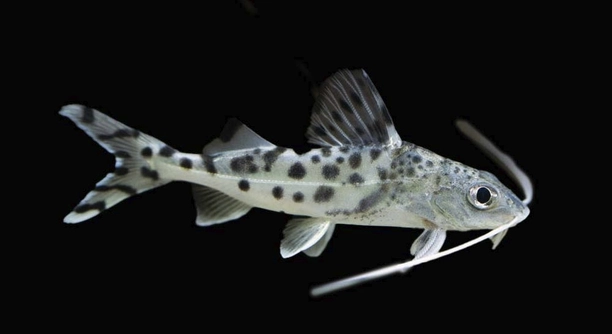
Have you ever stood in the pet aisle, unsure whether live food is a good choice for your pictus catfish’s diet?
Feeding pictus catfish live food is not necessary and often not recommended. These fish thrive on a balanced diet of high-quality pellets, frozen foods, and the occasional treat, making live feeding largely unnecessary.
Understanding the risks and benefits of live food will help you make the best dietary choices for your catfish’s health and safety.
Why Some People Feed Pictus Catfish Live Food
Some fish keepers like giving live food because it seems more natural. In the wild, pictus catfish eat insects, larvae, and small crustaceans. Watching them chase live food can be interesting, and it may seem like a way to mimic their natural behavior. However, what works in the wild doesn’t always suit a home tank. Live food can carry harmful bacteria, parasites, or diseases that may harm your fish. It’s also harder to manage nutrition with live options since you don’t always know what the live food has eaten before it ends up in your tank. For some, the appeal is about stimulation or instinct, but there are safer ways to achieve that. Frozen or freeze-dried foods offer a better balance between safety and variety. These can still trigger natural feeding behaviors without the same level of risk.
Live food can feel like a fun option, but it’s not always the safest or most practical choice.
Using live food long-term might lead to aggression, water quality issues, or even stress among tank mates.
Safer and Better Feeding Options for Pictus Catfish
There are many other foods that give your pictus catfish everything it needs without the risks live food brings.
A mix of sinking pellets, frozen bloodworms, brine shrimp, and the occasional algae wafer works well for these active bottom-dwellers. These foods are easy to portion, safe to store, and provide more reliable nutrition. If you want to keep feeding interesting, frozen foods still let your catfish “hunt” in a way that feels natural. Freeze-dried options are also handy, especially when soaked in tank water before feeding. It’s better to use foods where you can control quality and know what you’re putting into the tank. Also, keeping a clean tank and feeding in small amounts can prevent waste buildup. That’s something live food makes harder, especially if the prey escapes or dies in the tank. In short, your pictus catfish will do well on a balanced, varied diet that doesn’t involve live prey. It’s simpler, safer, and better for long-term health.
Risks of Feeding Live Food to Pictus Catfish
Live food often carries hidden risks that many people don’t think about. It can introduce parasites or bacteria into the tank, which may harm your catfish or affect water quality. Even feeder fish bought from stores aren’t always raised in clean, controlled conditions.
Parasites are a big concern when using live food. Pictus catfish are sensitive to changes in water conditions, and introducing something unhealthy can quickly throw off the balance. Feeder fish or live worms may carry diseases that your filter can’t remove, leading to infections or even tank-wide problems. Stress from chasing live food can also increase illness risk. Many live prey items may not offer complete nutrition, which could leave your catfish lacking vitamins or minerals it needs. Long-term, this can weaken its immune system. It’s not worth the gamble when safer alternatives exist that meet the same needs without the extra risk.
Live food can also cause messes in the tank. Unfinished prey may die and decay, quickly spiking ammonia levels. Pictus catfish are sensitive to poor water quality, and this can lead to health problems or sudden changes in behavior. Cleaning up after live feeding can become a regular hassle.
Behavioral Impact of Live Feeding
Feeding live prey too often may lead to aggressive or overexcited behavior. Pictus catfish are fast swimmers and like to explore, but constant chasing can shift their focus too much toward hunting. This can make them more jumpy or harder to manage during regular care.
Some catfish become too focused on motion when they’re used to live food. This means they might ignore other types of food later, like pellets or frozen items, making feeding more difficult. It can also make tankmates uncomfortable if the pictus becomes more aggressive around feeding times. In tanks with other bottom feeders, chasing live prey may cause collisions or stress. These habits are hard to reverse once established. Encouraging calm feeding routines from the beginning is better for long-term tank harmony. It helps your catfish stay healthy, and it keeps your tank peaceful and easy to maintain.
Cost and Convenience
Live food is usually more expensive and harder to store than frozen or dry options. It also takes extra time to prepare and feed. Some types of live food need special care, like separate tanks or daily feeding routines.
It’s easier to use frozen bloodworms or sinking pellets. These store well, are simple to portion, and don’t need extra effort before feeding. You also avoid the risk of introducing anything harmful into the tank, which makes regular care less stressful and more predictable.
When Live Food Might Be Useful
In rare cases, live food can be helpful. If your pictus catfish refuses to eat or seems unusually inactive, a small dose of live food may spark its interest. This should only be used occasionally and under close observation. Make sure the food source is clean and safe, and remove anything uneaten. Using live food like this can help in short-term situations but should not become the main feeding method. It’s always better to return to a balanced, safe diet as soon as possible to protect your fish’s health and the tank’s stability.
Final Thoughts on Feeding Choices
Pictus catfish can live long, healthy lives without ever needing live food. Choosing safe, balanced options supports both their health and your peace of mind.
FAQ
Can pictus catfish eat live food if it’s from a clean source?
Yes, they can eat live food from clean sources, but the risk never fully goes away. Even well-maintained live food can carry unseen bacteria or parasites. Some breeders raise feeder fish or insects in controlled environments, but it’s not something most people can verify. Also, once live food enters your tank, it may still affect water quality if not eaten quickly. If you choose to feed live food occasionally, make sure it’s quarantined first and never use wild-caught insects or fish. It’s always safer to stick to frozen or prepared options for everyday feeding.
Will my pictus catfish be less active if I don’t feed live food?
No, they won’t lose energy or curiosity just because they don’t eat live food. Pictus catfish are naturally active fish that love exploring and scavenging around the tank. As long as they get enough protein and variety from safe foods like sinking pellets, frozen bloodworms, or brine shrimp, they will stay lively. You can keep them stimulated by changing up their feeding routine, adding hiding spots, and rearranging tank decorations. Activity levels are more linked to water quality and overall health than the type of food they eat.
Is it okay to use live worms instead of feeder fish?
Live worms like blackworms or earthworms are sometimes considered safer than feeder fish, but they still carry risks. Worms from bait shops or gardens may contain chemicals, pesticides, or parasites that could harm your catfish. If you raise your own in a controlled setup, it might be safer, but it’s still not risk-free. Frozen or freeze-dried worms are better alternatives. They provide similar nutrients without the same dangers. If you do try live worms, use them sparingly and always rinse them well before adding them to the tank.
Can live food improve my catfish’s colors or health?
There’s no solid proof that live food improves color more than frozen or prepared options. Good color usually comes from clean water, low stress, and a well-rounded diet. Many high-quality pellets and frozen foods already include natural color enhancers like spirulina or krill. These are designed to support health and brightness in fish. Live food won’t hurt their colors if fed safely, but it doesn’t offer any unique benefit that can’t be found in other, safer choices.
How often can I feed live food safely?
If you really want to include live food, try limiting it to once or twice a month. This keeps risk low while still letting your catfish enjoy something different. Make sure to remove anything uneaten and watch closely for signs of illness or stress afterward. Keep in mind that over time, some fish may start refusing other food types if they get used to live prey. It’s better to stick with frozen or dry foods as the regular diet.
What should I do if my pictus catfish refuses to eat anything but live food?
Try slowly switching to frozen food that mimics movement, like thawed bloodworms. You can also soak pellets in garlic juice to make them more appealing. Feed only when your catfish is hungry and remove uneaten food. Over time, most fish will adjust if you stay consistent. Avoid giving in to picky behavior, as it can become a long-term problem.
Do pictus catfish need variety in their diet?
Yes, variety helps meet all their nutritional needs. You don’t need to use live food to add variety. You can rotate between different types of pellets, frozen bloodworms, brine shrimp, daphnia, and even some vegetable-based foods. This keeps your catfish interested and supports good health without needing to use riskier options like live prey. A balanced, varied diet helps avoid nutritional gaps and supports digestion, energy, and immune strength.
Is there ever a safe way to breed feeder fish for pictus catfish at home?
It’s possible, but it’s not simple or necessary. Breeding your own feeder fish takes time, space, and effort to make sure they are healthy and parasite-free. Even with careful attention, it’s hard to eliminate all risk. Since pictus catfish don’t need live fish to thrive, it’s easier to avoid this step altogether. Frozen or pellet food is much more practical and safer in the long run.
Final Thoughts
Feeding pictus catfish doesn’t have to be complicated. They are hardy fish that do well on a balanced, consistent diet. Live food may seem like an exciting choice, but it’s not required for their health or happiness. Most of the time, it adds more risk than benefit. Parasites, bacteria, and water quality issues are more common with live feeding. These problems can be hard to control, especially in a home aquarium. While it’s true that pictus catfish are natural hunters, their behavior can still be satisfied with frozen or freeze-dried food that’s much safer to use.
Choosing the right food is about balance and long-term care. High-quality sinking pellets, frozen bloodworms, and brine shrimp give your catfish everything it needs. These options offer complete nutrition, are easy to store, and don’t come with the risks of live food. You can still give variety and stimulation through feeding routines, tank setup, and safe food changes. Using live food occasionally in special cases may be okay, but it should not become a regular habit. It’s better to build a routine your fish can rely on—one that keeps them healthy, active, and comfortable.
In the end, what matters most is keeping your pictus catfish healthy and your tank clean. Feeding choices affect more than just nutrition—they also impact behavior, water quality, and overall care. A stable diet with trusted foods helps avoid stress, illness, or unexpected tank issues. You don’t need live food to keep your catfish engaged or colorful. Simple, safe feeding practices go a long way. Whether you’re new to fishkeeping or have years of experience, making smart, low-risk choices with food can help your fish live a longer, healthier life.

Hello,
If you enjoy the content that we create, please consider saying a "Thank You!" by leaving a tip.
Every little bit helps us continue crafting quality advice that supports the health, happiness, and well-being of pets around the world, for pets of all shapes, sizes, and species.
We really appreciate the kindness and support that you show us!