
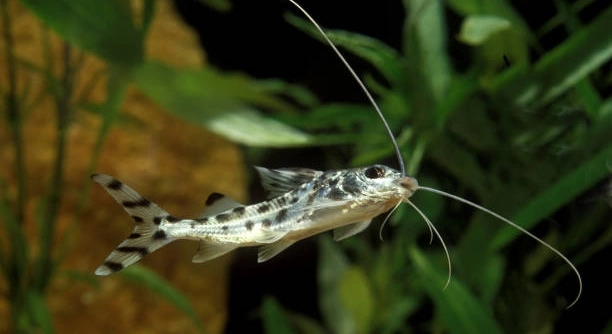
Many fish owners enjoy keeping pictus catfish because of their lively behavior and attractive appearance. These fish come from tropical waters, where the temperature plays a vital role in their health. Knowing if your pictus catfish is feeling cold can help you keep it comfortable.
Pictus catfish show signs of being cold through slow movement, hiding more often, and reduced appetite. Their fins may clench close to the body, and they might stay near warmer areas of the tank to avoid discomfort.
Recognizing these signs early helps maintain a healthy environment for your fish and prevents stress-related illnesses. This guide will explain how to spot and manage your pictus catfish’s temperature needs.
Why Temperature Matters for Pictus Catfish
Pictus catfish thrive in water temperatures between 72°F and 79°F (22°C to 26°C). When the temperature drops below this range, their metabolism slows down, causing them to become less active. Cold water can also weaken their immune system, making them more vulnerable to diseases. In colder conditions, these fish often hide more to conserve energy and avoid stress. They may also show signs of discomfort like clamped fins and slower breathing. Maintaining a stable and appropriate temperature is essential for their overall health and wellbeing. If you keep your tank too cold, your pictus catfish may stop eating and become lethargic, which can lead to long-term health problems. Proper heating equipment and regular temperature checks help avoid these issues and create a comfortable habitat. Consistency in temperature is as important as the correct temperature itself.
Keeping your tank at a steady temperature prevents stress and promotes your fish’s natural behavior and growth.
Understanding why temperature matters will help you take better care of your pictus catfish and avoid unnecessary health risks.
Signs Your Pictus Catfish Is Feeling Cold
When pictus catfish feel cold, they often become less active than usual. You may notice them resting more on the tank bottom or hiding in decorations. Their movements slow down, and they might stop swimming around the tank like before. Clamped fins, where the fins stay close to the body, are another sign of discomfort. Reduced appetite is common, as the fish lose interest in food when cold. Breathing may become slower or more irregular. The fish might also seek warmer spots near heaters or under tank lights. These changes are subtle but important to notice early. If left unchecked, prolonged exposure to cold water can cause serious health problems, including infections or weakened immune response. Observing your fish daily helps catch these signs before they worsen, allowing timely adjustments to tank conditions.
Cold stress affects both behavior and physical health, so early action is key.
Making sure your fish show normal activity and eating habits ensures they feel comfortable and safe.
How to Adjust Your Tank’s Temperature Safely
To keep your pictus catfish comfortable, start by using a reliable aquarium heater suitable for your tank size. Choose one with a built-in thermostat to maintain consistent temperature without sudden fluctuations. Avoid setting the temperature too high quickly, as sudden changes can stress your fish. Instead, raise or lower the temperature gradually, about 1°F per day, to allow your fish to adjust. Monitor the water temperature regularly using a separate thermometer for accuracy. Keep the tank away from drafts, air conditioners, or direct sunlight, as these can cause unwanted temperature shifts. It is also important to perform regular water changes with water that matches the tank’s temperature closely to avoid shocking the fish. Consistency and gradual adjustments are the safest methods for maintaining an ideal environment. Keeping your tank stable will help your pictus catfish stay active and healthy over time.
A steady temperature with minimal fluctuations supports your fish’s wellbeing.
Maintaining these conditions reduces stress and helps prevent cold-related illnesses in your aquarium.
Common Mistakes That Affect Tank Temperature
Many tank owners set the heater temperature too low or too high, causing stress to their pictus catfish. Ignoring temperature fluctuations due to drafts or sunlight can also harm fish. Using unreliable or faulty heaters often leads to unstable water temperatures.
Heater size matters. A heater too small for the tank cannot maintain the correct temperature, especially in larger tanks. Positioning the heater near water flow helps spread heat evenly. Skipping regular temperature checks increases the risk of unnoticed drops or spikes. Some owners also forget to adjust the heater during seasonal changes, which affects water temperature consistency. Ensuring your equipment works well and monitoring temperature daily are essential practices.
Avoid placing tanks near windows or air conditioners that cause sudden temperature changes. Regular maintenance and careful observation prevent common temperature issues that impact your fish’s health.
How to Provide Extra Warmth During Cold Weather
Adding a second heater can help maintain stable warmth in larger tanks or during cold months. Using a tank cover reduces heat loss and keeps the water temperature steady. Room temperature can affect your tank significantly, so keeping the aquarium in a warm spot is important. Portable heaters or heat mats near the tank can provide extra warmth but should be used carefully to avoid overheating.
Cold water lowers oxygen levels, so ensure good water circulation and aeration when adding warmth. Avoid sudden temperature jumps by raising the temperature slowly over several days. Regularly monitor your pictus catfish’s behavior to catch any signs of cold stress early. Combining proper heating equipment with good tank placement helps your fish stay comfortable throughout colder periods.
Monitoring Temperature Regularly
Regular temperature checks help prevent sudden drops that stress pictus catfish. Use a reliable thermometer placed away from the heater for accurate readings. Checking twice daily ensures early detection of any changes that could affect your fish’s health.
Keeping a log of temperature readings helps track patterns. This practice allows you to spot gradual declines or spikes and take timely action before your fish suffer from cold stress.
Signs of Stress Beyond Cold
Besides cold, stress in pictus catfish can show through erratic swimming, hiding, or loss of appetite. These signs often indicate other environmental problems like poor water quality or improper tank mates. Addressing stress promptly supports better fish health.
Choosing the Right Heater
A heater with a built-in thermostat is essential for consistent temperature control. Avoid cheap models that often malfunction. Investing in quality equipment reduces risks of temperature swings and keeps the tank environment stable for your pictus catfish.
Preventing Temperature Fluctuations
Place the aquarium away from windows, vents, and direct sunlight. These areas cause unwanted temperature shifts, stressing the fish. Maintaining a stable environment promotes your pictus catfish’s comfort and longevity.
FAQ
How cold is too cold for pictus catfish?
Pictus catfish start to feel uncomfortable below 72°F (22°C). Prolonged exposure to temperatures under 68°F (20°C) can cause health problems like slowed metabolism, weakened immune system, and increased susceptibility to disease. It’s important to keep the tank temperature stable within their ideal range.
What are the main signs that my pictus catfish is too cold?
Common signs include reduced activity, hiding more often, clamped fins, and loss of appetite. You may also notice slower breathing or the fish staying near the heater or warmer spots. These behaviors indicate discomfort and stress from low water temperature.
Can sudden temperature changes harm my pictus catfish?
Yes. Sudden drops or rises in temperature cause stress, which weakens the immune system and may lead to illness. Gradual adjustments of about 1°F per day help your fish adapt safely without shock.
How often should I check the aquarium temperature?
Daily temperature checks are best, preferably twice a day — once in the morning and once in the evening. This helps catch any sudden changes early, preventing long periods of discomfort or harm.
Is it okay to use multiple heaters in one tank?
Using two heaters can be beneficial in larger tanks or during cold weather to maintain an even temperature. Make sure both heaters are reliable and properly sized for your tank. Avoid overheating by monitoring temperature closely.
What should I do if my pictus catfish shows signs of cold stress?
First, check your heater and tank temperature immediately. Raise the water temperature slowly to the recommended range if it’s too low. Improve tank insulation if needed, and monitor your fish’s behavior closely until it returns to normal activity.
Can cold water cause disease in pictus catfish?
Cold water weakens the immune system, making pictus catfish more vulnerable to infections like fungal or bacterial diseases. Keeping the temperature stable reduces this risk significantly.
How can I prevent temperature fluctuations in my aquarium?
Place your tank away from windows, vents, and direct sunlight to avoid temperature swings. Use a good-quality heater with a thermostat, and consider using a tank cover to retain heat. Regularly check and maintain equipment to ensure it works properly.
Is it normal for pictus catfish to hide when cold?
Yes, hiding is a natural response to stress, including cold water. It helps them conserve energy and avoid further discomfort. If hiding becomes excessive, it’s a sign to check the tank conditions.
Can I raise the temperature quickly if my fish feels cold?
No, raising temperature too fast can shock your fish. Increase it gradually, about 1°F per day, to allow your pictus catfish to adjust safely without added stress.
Do pictus catfish need a heater all year round?
In most climates, yes. They come from tropical regions, so room temperature alone usually isn’t enough to keep their tank warm consistently. Using a heater year-round ensures a stable environment.
What is the best temperature range to keep pictus catfish healthy?
Between 72°F and 79°F (22°C to 26°C) is ideal. This range supports their metabolism, activity, and immune function, keeping them active and healthy.
How does cold affect a pictus catfish’s behavior?
Cold water slows their metabolism, causing reduced movement and feeding. They become lethargic, hide more, and may appear stressed. These changes can be subtle at first but worsen if temperature issues persist.
Can I use a thermometer inside the tank?
Yes, an aquarium thermometer placed away from the heater provides accurate temperature readings. Digital or stick-on thermometers are both good options, but avoid placing the thermometer directly near the heater to prevent false readings.
Are some pictus catfish more sensitive to cold than others?
Younger or weaker fish tend to be more sensitive to cold stress. Older or sick fish may also struggle more with low temperatures. Keeping all fish in stable, proper temperature reduces risks for everyone.
How important is water circulation when maintaining temperature?
Good water circulation helps distribute heat evenly throughout the tank, preventing cold spots. Proper circulation also improves oxygen levels, which is important if the water temperature changes slightly.
Can cold water cause my pictus catfish to stop eating?
Yes, cold lowers their metabolism and appetite. A lack of food intake over time weakens the fish and can lead to health problems. Restoring proper temperature usually improves feeding behavior quickly.
Should I adjust the heater during seasonal changes?
Yes, room temperature changes with the seasons, so adjust your heater settings to maintain the ideal tank temperature. This prevents fluctuations that could stress your pictus catfish.
What other tank factors affect how my pictus catfish handles cold?
Besides temperature, water quality, oxygen levels, and tank size play roles. Poor water quality or overcrowding can worsen the effects of cold. Keeping the entire environment balanced supports your fish’s ability to cope.
Final thoughts on caring for your pictus catfish emphasize the importance of maintaining a stable and appropriate water temperature. These fish come from warm tropical environments and need consistent conditions to stay healthy. Cold water slows their metabolism and can cause stress, making them vulnerable to illness. By regularly monitoring your tank’s temperature and using the right equipment, you create a comfortable habitat that supports your fish’s natural behavior. Simple habits like checking the thermometer daily and keeping the heater in good condition help avoid sudden drops or spikes in temperature. Consistency matters more than perfection, so small efforts over time will have a positive impact.
Recognizing the signs that your pictus catfish is feeling cold allows you to act quickly and prevent long-term problems. Signs like reduced activity, hiding, clamped fins, and loss of appetite all point to discomfort caused by low temperatures. It’s important not to ignore these behaviors, as cold stress can weaken the fish’s immune system and lead to disease. Raising the tank temperature slowly and carefully is key to helping your fish adjust without added stress. If your pictus catfish shows ongoing signs of cold or illness, checking water quality and tank setup is also necessary. Healthy water parameters and proper tank mates contribute to overall wellbeing.
Providing extra warmth during cold weather or in larger tanks may require additional equipment or adjustments. Using a reliable heater with a thermostat, positioning it properly, and avoiding places with drafts or direct sunlight helps keep the tank stable. Covering the aquarium can reduce heat loss and improve temperature control. Paying attention to these details ensures your pictus catfish remains active and comfortable throughout the year. In the end, good care means balancing temperature with other aspects of tank maintenance. With proper attention, your pictus catfish will thrive in a healthy, stable environment that meets its needs.

Hello,
If you enjoy the content that we create, please consider saying a "Thank You!" by leaving a tip.
Every little bit helps us continue crafting quality advice that supports the health, happiness, and well-being of pets around the world, for pets of all shapes, sizes, and species.
We really appreciate the kindness and support that you show us!