
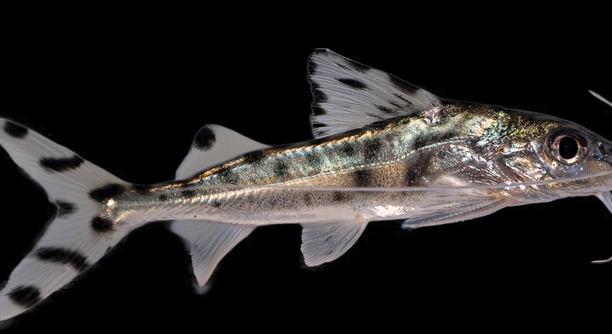
Do you ever wonder where your Pictus Catfish settles down at night? These small, lively fish have habits that can be interesting to observe. Knowing more about their resting behavior helps keep them comfortable in your aquarium.
Pictus Catfish do tend to sleep in similar spots each night, often choosing shaded or hidden areas within the tank. This consistent resting place offers them a sense of security and helps reduce stress.
Learning about their nighttime habits can improve how you care for them. Understanding these patterns ensures your fish feel safe and thrive in their environment.
Where Do Pictus Catfish Usually Sleep?
Pictus Catfish prefer sleeping in quiet, sheltered spots within the aquarium. They often choose areas with plants, rocks, or driftwood where they can hide and feel protected. These fish like low light when they rest, so they tend to avoid open, brightly lit spaces. You might notice them resting near the tank bottom or tucked under decorations. Providing hiding places in your tank helps them feel secure and reduces their stress. Their choice of sleeping spot can change slightly depending on the tank setup and other tankmates, but they usually return to familiar locations each night. Watching where they rest can give you clues about their comfort and health.
Pictus Catfish sleep mostly during the night but may rest in short naps during the day as well.
Understanding their preferred sleeping spots helps you create a better environment for them to relax and stay healthy.
Why Consistency in Sleeping Spot Matters
Pictus Catfish feel safer when they sleep in the same place regularly. A consistent spot offers predictability, which lowers stress levels. In the wild, these fish hide to avoid predators, so in captivity, familiar resting places help mimic that sense of safety. When their environment changes often or hiding spots are removed, they can become anxious or restless. This can affect their overall health and behavior. Keeping a stable environment with reliable shelters encourages natural habits and makes your fish more comfortable. Regularly observing where they choose to rest helps you spot any changes that might indicate illness or discomfort. Maintaining stable conditions is key to their well-being.
How to Create a Comfortable Sleeping Spot
Pictus Catfish need quiet, safe places to rest. Providing soft plants, smooth rocks, and shaded areas helps them feel secure. Avoid sharp decorations that could harm them while sleeping.
Offering a variety of hiding spots lets your catfish pick where they feel best. Soft plants like java fern or moss can create gentle cover without crowding the tank. Driftwood or caves add darker spaces where they can retreat. Position these shelters away from bright lights to encourage nighttime rest. Keeping the tank clean and maintaining stable water conditions also supports their comfort during sleep. Changing decorations too often can stress them out, so keep their sleeping area consistent.
Watching how your catfish use these spaces shows what they prefer. If they avoid certain spots, try adjusting decorations or lighting. A peaceful tank with reliable shelters helps your fish rest well and stay healthy.
Impact of Tankmates on Sleeping Behavior
Tankmates can affect where Pictus Catfish sleep. Active or aggressive fish may disturb their rest or force them to hide more deeply. Peaceful companions are less likely to disrupt their sleeping spots.
When housed with larger or territorial fish, Pictus Catfish might choose less visible areas to avoid confrontation. In community tanks with calm species, they tend to be more relaxed and keep their usual sleeping spots. Watching interactions helps you understand how other fish affect their comfort. If you notice your catfish changing resting places frequently, it could mean stress from tankmates. Providing multiple hiding spots helps reduce competition and keeps peace at night. Ensuring the right tankmates promotes better sleep and overall well-being for your catfish.
Signs of Restlessness in Pictus Catfish
Restless Pictus Catfish may swim constantly or hide more than usual. They can appear tense and avoid their normal sleeping spots.
This behavior often indicates stress or discomfort. Changes in water quality or tank setup might be the cause. Keeping an eye on their habits helps catch problems early.
How Lighting Affects Sleep
Bright lights can disturb Pictus Catfish at night. They prefer dim or shaded areas to rest comfortably. Using a low-wattage night light or turning off aquarium lights during sleep hours helps mimic natural conditions.
Feeding and Sleep Patterns
Pictus Catfish often become more active before feeding times. They may delay resting if they expect food soon. Feeding at consistent times helps regulate their sleep schedule.
Temperature and Rest
Water temperature impacts how well Pictus Catfish sleep. Cooler water encourages better rest, while too warm can cause restlessness and stress.
Do Pictus Catfish need a special place to sleep?
Yes, Pictus Catfish benefit from having a dedicated, sheltered spot in the tank where they can rest. These fish prefer areas that are shaded or hidden, such as under plants, rocks, or driftwood. Providing such spaces helps reduce their stress and mimics their natural environment, promoting healthy behavior.
How can I tell if my Pictus Catfish is sleeping?
Pictus Catfish often rest quietly on the tank bottom or inside hiding spots. While sleeping, they remain mostly still but may occasionally move slightly. Their fins may relax, and they avoid swimming actively. However, unlike some animals, they don’t close their eyes fully, so look for reduced movement and calm behavior.
Do Pictus Catfish sleep during the day or night?
Pictus Catfish are mostly nocturnal, meaning they are more active at night and tend to rest during the day. However, they may take short naps at different times. Their sleeping patterns depend on tank lighting and activity levels in the aquarium. Providing a regular light-dark cycle helps maintain healthy rhythms.
Will my Pictus Catfish sleep in different spots if the tank changes?
Yes, if you rearrange the tank or remove hiding places, your Pictus Catfish may pick new resting spots. They seek comfort and safety, so any change in the environment can affect their sleeping habits. Keeping decorations and shelters stable helps them feel secure and promotes consistent behavior.
Can tankmates affect where Pictus Catfish sleep?
Tankmates definitely influence sleeping locations. Active or aggressive fish might push Pictus Catfish to hide more or pick less exposed places. Peaceful companions allow them to rest in usual spots. Observing interactions and providing multiple shelters can reduce stress and ensure your catfish have safe places to sleep.
Is it normal for Pictus Catfish to change their sleeping spot often?
Some movement between resting places is normal, especially if your tank has many hiding options. However, frequent or sudden changes may indicate stress or discomfort. Check water quality, tank conditions, and tankmates if you notice unusual restlessness.
Does lighting impact how Pictus Catfish sleep?
Lighting has a big effect. These fish prefer dim or shaded conditions when resting. Bright aquarium lights, especially during night hours, can disturb their sleep. Using subdued lighting or turning off the tank lights at night helps create a natural environment for better rest.
What role does water temperature play in their sleep?
Water temperature affects metabolism and activity. Cooler water generally helps Pictus Catfish rest more comfortably, while warmer water can increase activity and cause restlessness. Keeping the tank within the recommended temperature range (around 72-79°F or 22-26°C) supports healthy sleep and overall well-being.
Can feeding times affect their sleeping habits?
Yes, feeding schedules influence activity levels. Pictus Catfish may become more alert and active before feeding. Feeding at consistent times helps regulate their daily routine, which includes sleep. Avoid feeding late at night to encourage restful behavior.
What should I do if my Pictus Catfish seems restless at night?
Restlessness might signal stress, poor water quality, or discomfort. First, test your tank’s water parameters and perform necessary changes. Check for aggressive tankmates or lack of hiding spots. Adjust lighting and temperature as needed. Providing a calm environment helps your catfish settle and sleep well.
Can Pictus Catfish sleep while swimming?
Unlike some fish that hover or drift to rest, Pictus Catfish usually sleep while stationary, often lying on the tank bottom or nestled in a hiding spot. Active swimming during rest periods is uncommon and may indicate disturbance or stress.
Do Pictus Catfish prefer sleeping alone or with other fish?
They are social fish that often feel safer resting near other peaceful tankmates. However, during sleep, they prefer quiet spaces without much disturbance. A community tank with calm fish helps create a peaceful environment conducive to rest.
How can I improve my Pictus Catfish’s sleeping environment?
Add plenty of hiding places like caves, plants, and driftwood. Ensure tank lighting mimics natural day-night cycles. Maintain stable water quality and temperature. Avoid overcrowding and aggressive fish. Regularly observe your catfish to notice changes in sleeping habits and adjust the environment as needed.
Pictus Catfish are interesting creatures with specific needs when it comes to resting. They tend to choose quiet, safe spots where they can feel protected and sleep comfortably. These resting places usually remain consistent, helping the fish feel secure in their environment. Providing good hiding spots, such as plants, rocks, or driftwood, plays a big role in supporting their natural behavior. When their tank feels safe, these catfish can relax and maintain healthy habits. Watching where they like to sleep also gives useful clues about their well-being.
Creating the right environment is important for Pictus Catfish to rest well. Proper lighting that is not too bright, stable water conditions, and a calm atmosphere contribute to better sleep. When the tank is well arranged with plenty of shelters, your catfish will have choices for resting spots and feel less stressed. Also, the presence of peaceful tankmates can influence where your fish prefer to sleep. Aggressive or active fish may cause them to hide more deeply or move to less obvious places. Keeping the tank balanced and peaceful helps your catfish maintain a regular sleep pattern.
It is helpful to pay attention to your Pictus Catfish’s sleeping habits because changes may indicate stress or health issues. If they start moving often at night or avoid their usual spots, it may be time to check the tank conditions or the behavior of other fish. Consistency in the tank setup and a proper feeding schedule also support healthy rest. Understanding their need for a secure and comfortable sleeping environment helps you care for them better. Overall, offering a stable and peaceful space will help your Pictus Catfish feel safe and thrive in your aquarium.

Hello,
If you enjoy the content that we create, please consider saying a "Thank You!" by leaving a tip.
Every little bit helps us continue crafting quality advice that supports the health, happiness, and well-being of pets around the world, for pets of all shapes, sizes, and species.
We really appreciate the kindness and support that you show us!