
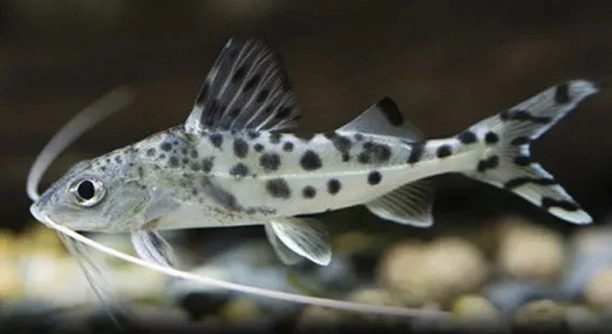
Pictus catfish are popular freshwater fish known for their active swimming and social behavior. Many aquarium enthusiasts wonder if these fish can live peacefully with shrimp. Understanding their compatibility is important for maintaining a balanced tank environment.
Pictus catfish are generally not recommended to be kept with shrimp, especially small or juvenile ones. Their natural hunting instincts and fast movements may lead to shrimp being seen as food, causing stress or harm to the shrimp population in the tank.
Learning about the behaviors and needs of both species helps create a safer, more enjoyable aquarium for all inhabitants. This article will guide you through key considerations for keeping pictus catfish and shrimp together.
Behavior of Pictus Catfish Toward Shrimp
Pictus catfish are active swimmers with a strong predatory instinct. They often hunt small creatures in their natural habitat, including shrimp. This behavior does not change much in an aquarium setting. Even if well-fed, pictus catfish may still chase or nip at shrimp. Shrimp, especially smaller species or juveniles, are vulnerable due to their size and slow movements. Additionally, pictus catfish have sharp barbels they use to explore their surroundings, which can cause stress to shy shrimp. Stress can weaken shrimp and lead to health problems or death. Tank size and hiding spaces also influence interactions. A larger aquarium with plenty of plants and shelters can reduce encounters, but the risk remains. If shrimp are intended as part of the tank’s ecosystem, it is important to consider these behaviors before mixing them with pictus catfish.
Shrimp are naturally cautious and require safe areas to avoid constant stress.
Adding sufficient hiding spots, such as dense plants or decorations, helps shrimp feel secure. This reduces aggression and allows shrimp to retreat from the catfish when needed. However, the fundamental predatory nature of pictus catfish means risks cannot be fully eliminated. Shrimp species that are larger or more agile have a better chance of coexisting, but smaller shrimp will likely struggle. If the aquarium owner is willing to provide extensive cover and monitor closely, some success is possible, but caution remains essential to avoid losses.
Choosing the Right Shrimp for Your Tank
Smaller shrimp species, like cherry shrimp, are more vulnerable in a tank with pictus catfish. Larger species such as Amano shrimp are less likely to be targeted due to their size and faster movements. They also tend to be more active and better at avoiding potential threats. Selecting the right shrimp species is crucial for coexistence.
The size and activity level of shrimp greatly impact their survival with pictus catfish.
Amano shrimp grow larger and have tougher exoskeletons, which offer some protection against predation. Their speed and boldness also help them avoid being caught. On the other hand, small shrimp species are often seen as prey because they cannot outswim or hide effectively. Additionally, shrimp with strong hiding instincts and faster reproductive rates tend to maintain stable populations despite some losses. Aquarium owners should prioritize shrimp species that match the tank conditions and fish behavior. Providing a mix of hiding places and choosing shrimp that are naturally larger or more resilient improves the chances of peaceful coexistence. Monitoring the tank regularly is essential to ensure the shrimp population remains healthy and the pictus catfish do not cause significant harm.
Tank Setup for Coexistence
Providing plenty of hiding spaces is crucial for shrimp survival with pictus catfish. Dense plants, rocks, and decorations create safe zones for shrimp to escape danger.
A well-planted tank reduces direct contact between pictus catfish and shrimp, lowering stress for both species. Shrimp use plants like Java moss or floating plants to hide and forage safely. Larger tanks also help by offering more space for fish to swim without disturbing shrimp. Careful arrangement of décor creates natural barriers that limit encounters. Good water quality and stable conditions improve shrimp health, making them less vulnerable to stress and predation. Regular maintenance supports a balanced environment where both species can coexist more comfortably.
Filtration should ensure clean water without strong currents that stress shrimp. Slow water flow is ideal since pictus catfish enjoy swimming actively but shrimp prefer calmer areas to avoid exhaustion.
Feeding Considerations
Feeding pictus catfish adequately can reduce their interest in shrimp as food. Offering varied diets that meet their nutritional needs helps minimize hunting behavior.
Pictus catfish are omnivores and thrive on a mix of sinking pellets, live or frozen foods, and vegetables. Feeding them several small meals daily prevents hunger-driven aggression. Shrimp also need a diet rich in algae, biofilm, and supplemental foods such as shrimp pellets or blanched vegetables. Careful feeding routines ensure both species get proper nutrition without competition. Uneaten food should be removed to avoid water quality problems. Observing feeding behavior helps identify if pictus catfish are still aggressive toward shrimp, indicating the need for diet adjustments or tank modifications. Balancing feeding is a key step in maintaining peaceful coexistence.
Monitoring Shrimp and Catfish Interaction
Careful observation is necessary when keeping pictus catfish with shrimp. Watch for signs of stress or injury in shrimp regularly.
Shrimp showing damaged limbs or hiding excessively may indicate aggression from catfish. Early detection helps prevent serious losses by adjusting tank conditions or separating species if needed.
Signs of Aggression to Watch For
Pictus catfish chasing or nipping at shrimp is a clear sign of aggression. Shrimp hiding constantly or showing missing limbs also signals trouble.
Aggressive behavior can increase if the tank lacks hiding spaces or if catfish are hungry. Monitoring interactions closely allows timely intervention to protect shrimp.
Separating Shrimp and Catfish if Needed
If aggression persists, it may be necessary to separate shrimp from pictus catfish to ensure their safety. Providing separate tanks can prevent stress and loss.
Separation allows both species to thrive without constant threat or fear. This approach is often the best solution for maintaining healthy shrimp populations in home aquariums.
Can pictus catfish and shrimp live together peacefully?
Pictus catfish and shrimp can sometimes live together, but it depends on several factors. Pictus catfish have natural hunting instincts, which can make small or slow shrimp vulnerable. If the tank is large enough and filled with plenty of hiding spots, shrimp might avoid constant contact with the catfish. However, there is always a risk that shrimp will be seen as food, especially smaller species. Monitoring the tank and providing a safe environment is key to improving the chances of peaceful coexistence.
What shrimp species are best to keep with pictus catfish?
Larger shrimp species like Amano shrimp are better suited to live with pictus catfish. They grow bigger, have tougher exoskeletons, and tend to be quicker swimmers. Smaller shrimp, such as cherry shrimp or crystal shrimp, are more likely to be targeted by catfish. Choosing shrimp that are more active and resilient helps reduce losses. Providing hiding places is also essential regardless of the species.
How can I reduce aggression from pictus catfish toward shrimp?
Feeding pictus catfish well is important. Well-fed catfish are less likely to hunt shrimp out of hunger. A varied diet with sinking pellets, frozen foods, and vegetables helps meet their nutritional needs. Additionally, adding plenty of plants and decorations gives shrimp safe spaces to hide. Ensuring the tank is large enough so fish and shrimp can avoid each other helps reduce aggressive encounters. Regular observation is needed to catch early signs of aggression.
What signs show shrimp are stressed by pictus catfish?
Shrimp that hide constantly or show missing limbs might be stressed or attacked by catfish. Changes in shrimp behavior like reduced activity or refusing to eat are also signs. Stress weakens shrimp and makes them more vulnerable to disease. Noticing these signs early allows tank adjustments to protect shrimp.
Is a larger tank better for keeping pictus catfish with shrimp?
A larger tank is generally better because it gives fish and shrimp more space to avoid each other. More space means fewer accidental encounters and less stress. It also allows for more hiding places and plant coverage, which are important for shrimp safety. However, a large tank alone won’t guarantee success if other factors like diet and species choice aren’t managed.
What kind of plants are best for shrimp hiding spots?
Dense plants such as Java moss, hornwort, and floating plants work well. These provide natural cover and places for shrimp to forage safely. Plants that grow thick and low are ideal since they give shrimp a chance to escape quickly. Good plant coverage also helps reduce water flow and creates a calmer environment preferred by shrimp.
Can pictus catfish eat adult shrimp?
Adult shrimp are less likely to be eaten because they are larger and have tougher shells. However, if the catfish are very hungry or the tank lacks hiding places, even adult shrimp can be at risk. The chance of predation is much higher for juveniles and small shrimp.
Should shrimp and pictus catfish be kept in separate tanks?
Keeping shrimp and pictus catfish in separate tanks is the safest option if shrimp survival is a priority. Separation prevents stress, injury, and loss. It allows both species to live in ideal conditions without risk. For those who want a mixed tank, careful monitoring and tank management are required to reduce problems.
How often should I feed pictus catfish to prevent aggression?
Feeding pictus catfish two to three times daily in small amounts is recommended. This prevents hunger-driven aggression toward shrimp and other tank mates. Providing a balanced diet with pellets, frozen or live foods, and vegetables meets their needs and keeps them satisfied.
What should I do if pictus catfish start attacking shrimp?
If catfish begin attacking shrimp, increase hiding spots immediately. Feeding catfish more frequently may also help. If aggression continues, separating shrimp into a different tank is often necessary. Removing stressed or injured shrimp helps them recover. Early action prevents population loss and improves tank harmony.
Keeping pictus catfish and shrimp together in the same tank can be challenging. These catfish have natural hunting instincts, which means they may see shrimp as food. Smaller shrimp are especially vulnerable to being caught or stressed by the catfish. However, with proper planning and care, it is possible to reduce the risks and help both species coexist more peacefully. It requires attention to tank setup, shrimp selection, and daily maintenance to create a safe environment for shrimp.
One of the most important steps is providing plenty of hiding spots for shrimp. Dense plants, rocks, and decorations offer shrimp places to retreat and feel safe from the active catfish. The size of the tank also matters. Larger tanks give more room for fish and shrimp to stay apart and avoid constant encounters. Feeding the pictus catfish a nutritious and balanced diet will help reduce their interest in hunting shrimp. Even with these precautions, some shrimp losses may still happen, especially with smaller species. Monitoring the tank closely allows for quick changes if aggression increases or shrimp show signs of stress.
In some cases, keeping pictus catfish and shrimp together may not be the best choice. When shrimp safety is a priority, separate tanks can provide a better solution. This ensures that shrimp can live without fear and catfish can swim freely. For those who want to keep both in the same tank, it is essential to choose larger, more resilient shrimp species and maintain a well-planted, spacious tank. Regular observation and care make it possible to enjoy both pictus catfish and shrimp in a shared aquarium, but understanding their behaviors and needs will lead to the best results for a healthy, balanced tank.

Hello,
If you enjoy the content that we create, please consider saying a "Thank You!" by leaving a tip.
Every little bit helps us continue crafting quality advice that supports the health, happiness, and well-being of pets around the world, for pets of all shapes, sizes, and species.
We really appreciate the kindness and support that you show us!