
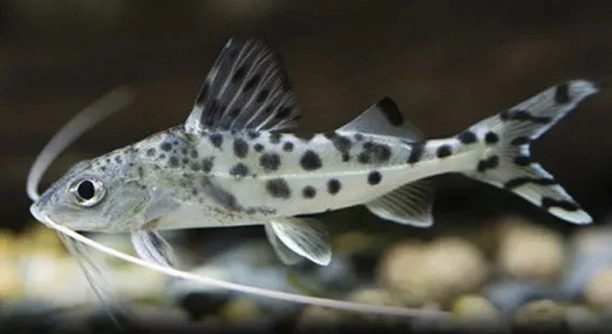
Introducing plants to a pictus tank can enhance both its appearance and environment. Many aquarists enjoy creating a natural habitat that supports the well-being of their fish. Properly adding plants requires attention to the tank’s specific conditions.
Introducing plants to a pictus tank involves selecting species that tolerate its water parameters and lighting. Plants should be carefully acclimated to avoid stress, and placement must consider the fish’s swimming behavior and tank setup to ensure a balanced ecosystem.
The steps ahead will guide you through successful plant selection and introduction for a thriving pictus tank.
Choosing the Right Plants for a Pictus Tank
Selecting plants that thrive in the conditions suited for pictus catfish is essential. These fish prefer slightly acidic to neutral water with moderate temperatures. Hardy plants like Java fern, Anubias, and Cryptocoryne are excellent choices because they tolerate low light and stable water conditions. Avoid delicate or fast-growing plants that require intense lighting, as these can be difficult to maintain and may not survive long. Consider plants with broad leaves to provide hiding spots and resting places for the pictus catfish. Additionally, floating plants like duckweed or water lettuce can help reduce light intensity and create a more comfortable environment for your fish. Ensuring that the plants are compatible with your tank’s substrate and filtration system will promote healthier growth and reduce maintenance.
Choosing hardy plants reduces the risk of plant loss and creates a natural habitat that suits the pictus catfish’s behavior.
Healthy plants improve water quality by absorbing nitrates and offering shelter, helping fish feel secure and reducing stress.
Preparing Plants Before Adding Them to the Tank
Plants bought from stores often carry pests or chemicals that can harm your tank’s balance. It is important to rinse plants thoroughly under clean water to remove any residues. Trimming dead or damaged leaves before planting will encourage new growth. Some plants benefit from soaking in a mild bleach solution briefly, then rinsing well, to eliminate unwanted hitchhikers like snails or algae spores. This step helps keep the tank free from unwanted pests. When introducing new plants, gradually acclimate them to the tank’s water by floating the pots or bags for 15 to 30 minutes. This prevents shock caused by sudden changes in temperature or water chemistry.
Proper preparation protects both the plants and your fish from potential problems after planting.
Introducing plants slowly and carefully ensures they settle well, promoting a stable and balanced tank environment.
Planting Techniques for a Pictus Tank
Planting should be gentle to avoid damaging roots. Use tweezers or your fingers to place plants securely into the substrate without disturbing the tank too much. Avoid burying the crown of the plant to prevent rot. Spacing plants evenly helps water flow and prevents overcrowding.
Anchoring plants properly ensures they stay in place despite pictus catfish activity. Substrate choice matters: fine gravel or sand is best for delicate roots. Some plants do well attached to driftwood or rocks instead of buried in substrate.
Regular maintenance like trimming dead leaves and checking plant health keeps the tank clean. Healthy plants support fish by providing oxygen and hiding places, which reduces stress and encourages natural behavior.
Managing Lighting and Water Conditions
Lighting should be moderate, mimicking the natural environment pictus catfish prefer. Too much light can cause algae growth, while too little limits plant growth. Use timers to maintain consistent light cycles around 8-10 hours daily.
Water temperature should stay between 72-79°F (22-26°C), with pH levels near neutral, about 6.5 to 7.5. Regular water testing helps maintain these parameters. Avoid sudden changes as they stress both plants and fish.
Proper filtration maintains water clarity but avoid strong currents that uproot plants or disturb fish. A balance of lighting, temperature, and water quality creates a healthy environment for plants and pictus catfish to thrive together.
Caring for Plants in a Pictus Tank
Regular trimming prevents dead leaves from decaying and polluting the water. Remove debris promptly to keep the tank clean and healthy.
Adding liquid fertilizers sparingly can support plant growth without harming the fish. Monitor plant health for signs of nutrient deficiency or algae growth.
Avoiding Common Plant Problems
Algae overgrowth often results from excess light or nutrients. Reducing light duration and controlling feeding can help manage this issue. Cleaning the tank regularly and using algae-eating fish or snails can also maintain balance.
Using Substrate Effectively
A nutrient-rich substrate supports root development and overall plant health. Choose substrates designed for planted tanks to provide essential minerals.
Keeping Fish and Plants Balanced
Pictus catfish enjoy swimming among plants but may disturb them if overcrowded. Maintaining proper plant density and providing hiding spots minimizes stress and keeps both fish and plants thriving.
FAQ
How do I know if my plants are suitable for a pictus tank?
Plants suitable for a pictus tank should tolerate low to moderate light and stable water conditions. Hardy species like Java fern, Anubias, and Cryptocoryne are ideal because they don’t require intense lighting or frequent care. Avoid delicate plants that need high light or special fertilizers, as these can be hard to maintain alongside pictus catfish. Also, choose plants that can handle the tank’s pH and temperature range.
Can pictus catfish harm my plants?
Pictus catfish are generally peaceful but may uproot plants while digging or swimming near the substrate. Using heavier or rooted plants and anchoring them well helps reduce disturbance. Floating plants or those attached to driftwood are less likely to be damaged. If you notice excessive uprooting, adjusting plant placement or adding more hiding spots can help keep fish calm and protect your plants.
How often should I trim the plants in my pictus tank?
Regular trimming every two to four weeks keeps plants healthy by removing dead or damaged leaves. This also prevents decay that could affect water quality. Trimmed plants grow more vigorously and maintain better shapes. Make sure to remove trimmed parts from the tank to avoid waste buildup.
Is fertilizer safe to use with pictus catfish?
Using liquid fertilizers carefully is safe if dosed according to the product instructions. Avoid excess fertilizer to prevent algae growth and harm to fish. Root tabs placed near plant roots can be a good alternative for nutrient delivery without polluting water. Monitor your tank regularly for any changes in fish behavior or water quality.
How much light do plants need in a pictus tank?
Moderate lighting around 8 to 10 hours daily suits most plants and helps prevent algae. Too much light encourages algae, while too little can stunt plant growth. Using a timer for the lighting system maintains consistency. If algae becomes a problem, reduce light hours or switch to lower intensity bulbs.
What type of substrate is best for planting?
Fine gravel or sand mixed with nutrient-rich substrate supports plant roots well. Specialized planted tank substrates provide minerals that promote healthy growth. Avoid very coarse gravel, which can make planting difficult and allow roots to dry out. A good substrate also helps beneficial bacteria thrive, improving overall tank health.
How do I prevent algae in my planted pictus tank?
Control algae by managing light exposure, avoiding overfeeding, and performing regular water changes. Introducing algae-eating species like snails or certain fish can assist in natural algae control. Maintaining a balanced nutrient level with proper fertilization reduces excess nutrients that algae feed on. Clean decorations and glass regularly to keep algae buildup in check.
Can I use CO2 injection in a pictus tank?
CO2 injection is not usually necessary for hardy plants suitable for pictus tanks. It can improve growth but may require careful monitoring to avoid stressing fish. If you choose to use CO2, ensure proper dosing and good water circulation. Many aquarists find their plants thrive well without it in this type of setup.
How do I introduce new plants to avoid shocking the tank?
Rinse plants thoroughly before adding them to remove chemicals or pests. Acclimate plants by floating their pots or bags in the tank water for 15-30 minutes. Avoid sudden temperature or pH changes by gradually adjusting conditions if plants come from different environments. This helps reduce transplant shock and encourages faster establishment.
What maintenance is essential for a planted pictus tank?
Regular tasks include trimming plants, removing debris, checking water parameters, and performing water changes. Clean filters and monitor fish health. Keeping lighting and feeding consistent helps maintain balance. Observing plants for signs of deficiency or disease allows early intervention to keep the tank healthy for both plants and pictus catfish.
Adding plants to a pictus tank can greatly improve its look and the well-being of your fish. Plants create a natural environment where pictus catfish feel comfortable and secure. Choosing the right plants and preparing them carefully helps make sure they grow well and don’t harm the fish. Proper planting, lighting, and water conditions all play important roles in creating a healthy tank. When these factors are balanced, both the plants and fish benefit. The tank looks beautiful, and the fish can swim and hide naturally, reducing stress.
Maintaining the plants is a key part of keeping the tank healthy. Regular trimming of dead leaves and removing waste prevent water quality from declining. Using fertilizers carefully supports plant growth without causing problems like algae overgrowth. Monitoring lighting and water conditions keeps everything stable, helping plants thrive. If algae does appear, controlling light and nutrients helps reduce it. Keeping a close eye on your tank and acting quickly when problems arise makes a big difference in the long run. When you care for plants properly, they add oxygen to the water and create a better habitat for pictus catfish.
Overall, introducing plants to a pictus tank takes some planning and care, but it is rewarding. You provide a more natural and balanced environment for your fish. Healthy plants and happy fish go hand in hand. With patience and attention to details like plant selection, preparation, and maintenance, your tank will become a vibrant and peaceful place. This enhances your experience as an aquarist and benefits the well-being of your pictus catfish. Taking these steps will help you enjoy a thriving planted tank for a long time.

Hello,
If you enjoy the content that we create, please consider saying a "Thank You!" by leaving a tip.
Every little bit helps us continue crafting quality advice that supports the health, happiness, and well-being of pets around the world, for pets of all shapes, sizes, and species.
We really appreciate the kindness and support that you show us!