
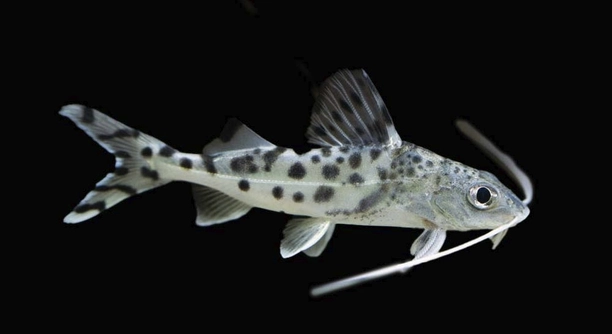
Many people enjoy caring for their pictus fish, appreciating their lively nature and unique appearance. Handling these delicate creatures is sometimes necessary, but it’s important to know when to avoid it. Proper care helps keep them healthy and stress-free.
Handling your pictus fish at the wrong times can cause unnecessary stress and health problems. Avoid touching them during illness, breeding, tank cleaning, sudden water changes, or when they show signs of distress. Limiting contact helps maintain their wellbeing and longevity.
Knowing when not to handle your pictus ensures they stay safe and comfortable. The following tips will help you recognize these important moments and protect your fish better.
When Your Pictus Is Sick
When your pictus fish shows signs of illness, it’s best to avoid handling it. Stress from being caught or touched can worsen their condition and slow recovery. Symptoms like clamped fins, lethargy, or unusual spots are clear signs your fish needs rest and a stable environment. Instead of handling, focus on maintaining clean water, proper temperature, and feeding a nutritious diet. Use a net only when absolutely necessary, like moving them to a quarantine tank. The less disturbance, the better chance your pictus has to heal. Watching from a distance lets you monitor progress without adding stress. Gentle care and patience are key in these moments.
Avoid handling your sick pictus to prevent added stress and help them recover faster.
It’s easy to worry and want to help by touching your fish, but during illness, minimal contact is safer. Fish are sensitive creatures, and stress can trigger or worsen infections. Keeping water conditions optimal and limiting handling gives your pictus the best chance to regain health.
Avoid Handling During Breeding
Breeding is a delicate time for pictus fish, and handling them can disrupt the process. During spawning, fish are often more sensitive and protective of their eggs or fry. Interference may cause them to abandon their eggs or harm the young. It’s important to observe quietly and keep the tank environment stable without sudden changes. Any handling can increase stress and reduce breeding success. If you need to move fish, use gentle methods like transferring the whole tank setup or using a soft net carefully. Supporting a calm space ensures better chances for successful breeding and healthy offspring.
Handling your pictus during breeding should be kept to a minimum to avoid stress and potential harm to eggs or fry.
When pictus fish are spawning, their behavior changes, and they need peace and stability. They may become territorial or nervous if disturbed. To help them through this phase, avoid rearranging decorations, changing water abruptly, or physically interacting with them. Giving them privacy and steady conditions encourages natural breeding behavior. Remember, patience during breeding leads to healthier fish and stronger populations in your tank.
During Tank Cleaning
Handling your pictus fish during tank cleaning can cause them stress. It’s best to avoid catching or touching them unless absolutely necessary.
Fish are sensitive to sudden changes in their environment. When you clean the tank, water conditions can shift, and moving your pictus too much may increase their anxiety. Instead of handling, try using a gentle net to guide them away from areas being cleaned. This keeps them safe and lowers the risk of injury. Clean water is important, but protecting your fish from extra stress during this time is just as critical.
When performing a water change, keep the water parameters steady and avoid drastic temperature differences. This reduces shock and helps your pictus stay calm. Using tools like siphons and algae scrapers without disturbing your fish too much is a good practice. Overall, limiting handling during cleaning helps maintain a healthy, stress-free environment.
Avoid Handling During Sudden Water Changes
Sudden changes in water quality or temperature can shock your pictus fish. Handling them during these times increases their stress and risk of illness. Always aim for gradual water changes.
Rapid fluctuations in temperature, pH, or hardness cause stress to your pictus. Handling them when they are already dealing with these changes can lead to severe health problems or even death. It’s better to let them acclimate slowly without interference. Prepare replacement water carefully, matching temperature and parameters as closely as possible. This reduces the need to move your fish around and prevents extra stress. Patience during water changes keeps your pictus safe and comfortable.
If you must move your fish, do so gently and quickly, using a soft net or container. Avoid rough handling or squeezing, as this can cause injury. Keeping water conditions stable is key, and limiting physical contact during sensitive times helps maintain your fish’s wellbeing. Regular, gradual water maintenance is the best approach to prevent problems and ensure a healthy environment.
When Your Pictus Shows Signs of Stress
Stress in pictus fish can show as rapid breathing, hiding, or loss of appetite. Handling them during these signs makes things worse.
It’s important to give your fish space and keep their environment calm. Avoid sudden movements or loud noises near the tank.
After Introducing New Tank Mates
New tank mates can cause tension in your pictus fish. Handling them right after introduction increases stress and may lead to aggression or illness.
Allow time for all fish to settle before any interaction. Monitor their behavior carefully, and keep handling to a minimum to help them adjust peacefully.
During Nighttime
Pictus fish rest at night and are less active. Handling them during this time disturbs their sleep and can cause stress.
Keep the tank quiet and dark to help your fish recover energy for the next day. Avoid tapping on the glass or disturbing the tank environment.
FAQ
How often should I handle my pictus fish?
Handling pictus fish should be kept to a minimum. These fish are sensitive and can get stressed easily. Only handle them when absolutely necessary, like moving them during tank maintenance or medical treatment. Frequent handling can harm their health and cause behavioral issues. Let your pictus swim freely and observe them without disturbing.
Can handling my pictus fish cause diseases?
Yes, handling fish too often or improperly can increase the risk of disease. When you touch them, you may remove their protective slime coat. This natural barrier helps keep infections away. Also, dirty hands or nets can introduce harmful bacteria or parasites. Always use clean, wet hands or tools, and avoid unnecessary contact.
What is the best way to catch a pictus if needed?
Use a soft, fine mesh net to catch your pictus gently. Move slowly to avoid startling them. Try to guide the fish rather than chasing it. If possible, transfer the entire tank water with the fish when moving them to reduce stress. Avoid squeezing or rough handling, as their bodies are delicate.
Why do pictus fish dislike being handled?
Pictus fish are wild by nature and not used to being touched. Handling can cause stress and fear because it disrupts their sense of safety. They rely on their environment to feel secure. Physical contact is foreign to them and can trigger a fight-or-flight response that harms their wellbeing.
What should I do if my pictus fish gets injured during handling?
If your fish gets injured, isolate it in a quarantine tank to prevent infection. Clean the water and monitor for signs of worsening injury like redness, swelling, or lethargy. Adding aquarium salt may help healing but use it carefully. Consult a vet or aquarium expert if the injury looks serious or doesn’t improve.
Can handling cause my pictus to stop eating?
Yes, stress from handling can make your pictus lose its appetite. Stress affects their digestive system and immune function, leading to reduced feeding. Give your fish time to recover in a calm environment. Feeding smaller, more frequent meals and maintaining good water quality helps encourage eating.
Is it okay to touch my pictus during regular tank checks?
Try to avoid touching your pictus during tank checks unless absolutely necessary. Disturbing them regularly can cause chronic stress, making them vulnerable to illness. Use tools like nets or siphons carefully and limit your physical contact. Observing your fish without interference is usually enough to check on their health.
How can I reduce stress for my pictus fish?
Keep the tank environment stable with proper temperature, clean water, and hiding places. Avoid sudden changes, loud noises, or aggressive tank mates. Handle your pictus only when necessary and do so gently. Providing a quiet, calm space allows your fish to feel safe and reduces stress levels.
What signs show my pictus is too stressed from handling?
Signs include rapid breathing, hiding, clamped fins, color fading, and reduced activity. They may also stop eating or act skittish. If you notice these behaviors after handling, give your fish time and a stress-free environment to recover. Frequent stress can lead to serious health issues.
Can I use gloves when handling my pictus fish?
If you must handle your pictus, using wet, clean gloves is better than dry hands. Gloves protect your skin and reduce damage to the fish’s slime coat. Make sure gloves are free from chemicals or powders. However, handling should still be limited to prevent stress and injury.
What should I avoid during pictus handling?
Avoid sudden movements, squeezing, or grabbing your fish roughly. Don’t handle them during illness, breeding, or after sudden water changes. Avoid dirty nets or hands that can transfer germs. Always be gentle and quick to minimize stress. The goal is to protect your pictus’s health with careful care.
Handling your pictus fish is something that should be done carefully and only when needed. These fish are sensitive and can easily become stressed if handled too much or at the wrong times. Stress can lead to health problems and make your fish more likely to get sick. Knowing when to avoid handling your pictus helps keep them healthy and comfortable. It is important to respect their natural behavior and give them space to live peacefully in their tank.
Avoiding handling during illness, breeding, tank cleaning, sudden water changes, or signs of stress is key to your pictus’s wellbeing. When your fish is sick, it needs a calm environment to heal without extra stress. During breeding, disturbance can cause the fish to abandon their eggs or harm their young. Tank cleaning and water changes are times when your fish is vulnerable, so keeping physical contact to a minimum is best. Also, pictus fish need quiet and rest during nighttime, so avoid any disturbance then. These moments require patience and understanding from you.
By limiting how often you handle your pictus and only doing so gently when necessary, you protect their health and reduce stress. You can still care for your fish well by maintaining clean water, stable temperatures, and a safe environment. Watching your pictus from a distance lets you enjoy their behavior without causing harm. Taking time to learn their needs and respecting when they need to be left alone will help your pictus live a longer, happier life in your care.

Hello,
If you enjoy the content that we create, please consider saying a "Thank You!" by leaving a tip.
Every little bit helps us continue crafting quality advice that supports the health, happiness, and well-being of pets around the world, for pets of all shapes, sizes, and species.
We really appreciate the kindness and support that you show us!