
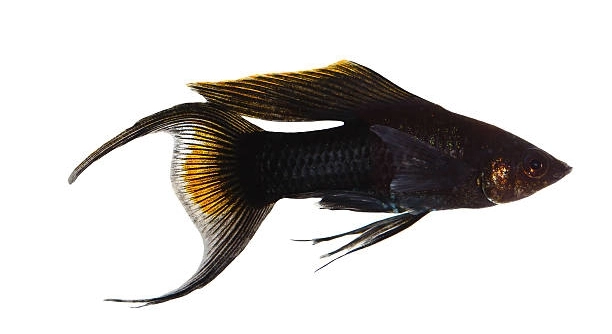
Do you enjoy keeping fish but find yourself wondering if your Black Molly Fry will thrive better in a bare tank? Many aquarists face this decision, balancing convenience, cleanliness, and the natural needs of these tiny, delicate fry.
Raising Black Molly Fry in bare tanks can simplify maintenance and reduce the risk of debris accumulation. However, it may limit hiding spaces essential for fry survival, potentially increasing stress and vulnerability to predation or aggressive tankmates.
Understanding the benefits and drawbacks of bare tanks will help you create a safer, healthier environment for your fry to grow successfully.
Benefits of Using Bare Tanks
Bare tanks make daily maintenance much easier. Without plants or decorations, it is simpler to clean and monitor water quality. Waste does not get trapped in hiding spots, which reduces the risk of harmful bacteria building up. For fry, clean water is crucial for proper growth and preventing disease. Bare tanks allow you to observe the fry closely and notice any health issues early. They also make feeding easier, as food does not get stuck in plants or substrate, ensuring fry receive enough nutrition. Many breeders prefer bare tanks because it allows them to separate fry efficiently and manage tank population without interference. Additionally, temperature and water parameters are easier to stabilize without extra elements, which helps maintain a consistent environment. While it may feel empty, the simplicity supports the delicate needs of newly hatched Black Molly Fry. Minimalism in the tank reduces stress caused by overcomplicated setups and promotes steady, predictable growth for the fry over the first critical weeks.
Bare tanks reduce stress caused by hidden areas and prevent fry from becoming trapped or injured while exploring.
Observing fry in a bare tank helps understand their behavior and feeding patterns. It becomes easier to track growth, identify weaker fry, and intervene if aggression or competition arises. Though lacking in visual appeal, bare tanks ensure that every fry receives attention. This setup also minimizes algae buildup and allows for more efficient water changes. In breeding scenarios, it simplifies transferring fry to other tanks or raising multiple groups at once. The focus remains on health and survival rather than aesthetics, which is essential for new or inexperienced fishkeepers. Over time, the benefits of clear observation and straightforward maintenance outweigh the lack of decoration, especially when survival rates are the priority. Breeders often notice stronger, more active fry in bare tanks because they experience less interference from complex surroundings and have consistent access to food without hiding spots blocking feeding areas.
Drawbacks and Considerations
Bare tanks can feel impersonal and offer no hiding spaces for shy fry.
Without decorations, fry may experience higher stress and feel exposed, which can reduce their growth rate and survival chances. In natural environments, Black Molly Fry seek cover from larger tankmates or sudden movements. Adding minimal items like small PVC pipes or floating plants can provide shelter without complicating cleaning routines. While bare tanks simplify observation, it is essential to balance visibility with fry security. A lack of cover can also increase vulnerability if adult fish are present in the same tank. Careful planning and monitoring are required to ensure fry are safe while still benefiting from the simplicity of a bare setup. By understanding these trade-offs, you can adjust the tank to suit both maintenance needs and the fry’s comfort. Ultimately, the decision depends on your priorities, space, and willingness to adapt the environment as the fry grow.
Feeding and Nutrition
Feeding fry in bare tanks is straightforward. Food is easy to see, and fry can reach it quickly. This reduces waste and ensures proper nutrition, which is essential for their early growth and survival.
Observing feeding patterns is simpler in a bare tank. Fry can be monitored to ensure all receive enough food, and adjustments can be made if some are slower or weaker. Overfeeding is easier to detect, preventing water quality issues. In addition, dry and liquid foods disperse evenly without getting trapped in plants or substrate. This consistency supports steady growth and reduces competition among fry. Regular feeding schedules combined with clear visibility allow for precise portioning, helping to maintain water quality while providing adequate nutrition.
A bare tank also makes introducing new foods safer. Fry are more likely to try new options when there are no hiding spots interfering with access. Monitoring reactions to different foods becomes easier, allowing adjustments to improve health and development. The tank’s simplicity ensures that dietary needs are met without distractions, promoting stronger, healthier fry.
Tank Safety and Environment
Bare tanks minimize the risk of fry getting stuck or injured. Sharp decorations or dense plants are removed, making the environment safer.
Water flow and temperature are easier to manage in a bare setup. Without plants or large decorations, heat distributes evenly, and filtration works more efficiently. Monitoring chemical levels, such as ammonia or nitrates, is more accurate because debris does not accumulate in hidden spots. This ensures the fry remain in a stable, healthy environment, which is critical for their growth.
Managing tank inhabitants is simpler in a bare tank. Separating fry from aggressive adults or larger tankmates is easier, and transferring them between tanks requires less effort. Observing interactions and behavior becomes straightforward, allowing quick intervention if issues arise. While bare tanks may feel sparse, they provide a controlled, low-risk environment that supports fry survival. This setup allows careful attention to water quality, temperature, and feeding, all while minimizing accidents or stress. The result is a safer, healthier environment that encourages optimal growth.
Water Quality Management
Bare tanks make water quality easier to maintain. Without plants or substrate, waste is visible, and regular cleaning keeps ammonia and nitrate levels low. Fry benefit from consistent, clean water, which is critical for their survival.
Monitoring water parameters is simpler in bare tanks. Temperature, pH, and hardness remain more stable, reducing stress and supporting healthy growth.
Observation and Behavior
Fry behavior is easier to study in a bare tank. Movement, feeding, and interactions can be monitored closely, allowing quick identification of weak or stressed individuals. Observing development without obstructions helps maintain a healthy environment.
Minimal Decorations
Minimal decorations reduce hiding spaces and prevent fry from getting trapped. A bare tank keeps the environment simple and safe, supporting proper growth and easy maintenance.
FAQ
Should Black Molly Fry always be kept in bare tanks?
Bare tanks are not required, but they are often preferred for raising fry. They simplify maintenance, improve visibility, and reduce debris buildup. Fry survival rates can improve due to cleaner water and easier monitoring, though minimal decorations or hiding spots may be added for extra security if needed.
Can fry survive without hiding spaces?
Yes, they can survive, but lack of cover may increase stress. Shy or weaker fry might struggle without places to retreat. Providing small, simple shelters like PVC tubes or floating plants can balance safety and ease of maintenance, while still keeping the tank largely bare.
What is the best feeding method in bare tanks?
Bare tanks make feeding straightforward. Tiny portions of powdered food, baby brine shrimp, or finely crushed flakes are ideal. Fry can access food easily without it getting trapped in plants or substrate. Observing feeding ensures each fry receives adequate nutrition and prevents overfeeding.
How often should water changes be done?
Water changes are easier to manage in bare tanks and should be done regularly, ideally 25–30% twice a week. This keeps ammonia, nitrites, and nitrates at safe levels. Regular cleaning reduces stress and prevents disease outbreaks, maintaining a stable environment for fry growth.
Are bare tanks suitable for all types of fry?
Bare tanks work well for small livebearers like Black Molly Fry but may not be ideal for species that need hiding spots for comfort or natural behavior. Understanding the specific needs of your fry is key to determining the right setup.
Is a bare tank stressful for fry?
It can be if the fry are exposed to adult fish or aggressive tankmates. Monitoring behavior and adding minimal cover when necessary helps reduce stress while keeping the tank manageable.
Can bare tanks be used for long-term growth?
Yes, but as fry grow, adding plants or gentle hiding spots may become beneficial. Bare tanks are excellent for the early stages, but adjustments can support the transition to juvenile and adult stages.
How do I prevent fry from being injured in bare tanks?
Ensure no sharp edges on equipment or decorations. Monitor interactions with other fish and remove aggressive adults. The open space minimizes hidden hazards, making the environment safer overall.
Do bare tanks affect water temperature stability?
They generally improve temperature consistency because there are no plants or decorations obstructing water circulation. Stable temperatures are critical for fry development and overall health.
What is the main disadvantage of bare tanks?
The lack of hiding spaces can stress shy fry. While it improves cleanliness and observation, it may reduce security and natural comfort. Adding minimal, safe shelters can help balance this disadvantage without complicating maintenance.
Can I combine bare tanks with some decoration?
Yes, small, simple elements like smooth rocks or PVC tubes can provide shelter while keeping maintenance easy. Avoid dense plants or clutter that trap waste or obscure fry from observation.
How do I monitor fry growth in a bare tank?
Growth is easier to track visually. You can see size differences, detect weak fry, and adjust feeding or water conditions accordingly. Regular observation helps ensure healthy development and early intervention if problems arise.
Is bare tank setup expensive?
Not particularly. Bare tanks require fewer decorations and less substrate, reducing setup costs. The main investment is in proper filtration, heating, and monitoring equipment to maintain water quality.
Can bare tanks prevent diseases?
They reduce risk but do not eliminate it. Clean water and proper feeding help prevent outbreaks. Regular observation and water testing are still essential for healthy fry.
Do fry get bored in bare tanks?
Boredom is not a concern for fry. Their focus is feeding and growth. Minimal decoration does not negatively affect development and actually improves survival by reducing hidden competition and stress.
How do I transition fry to adult tanks from a bare tank?
When fry reach a certain size, gradually introduce them to tanks with more plants and decorations. Acclimate them carefully to prevent stress while maintaining clean water and stable conditions. This ensures a smooth transition to more complex environments.
Are bare tanks suitable for breeding multiple fry groups?
Yes, they are ideal for separating and managing multiple groups efficiently. Observation, feeding, and transfers are easier, supporting better overall survival and growth rates.
What is the recommended tank size for raising Black Molly Fry in bare tanks?
A small to medium tank, around 10–20 gallons, is sufficient for a moderate number of fry. Larger tanks are better for multiple groups or denser populations, allowing more space and easier maintenance.
Can bare tanks be used for quarantine purposes?
Yes, bare tanks are excellent for quarantine. They simplify monitoring, cleaning, and treatment if any fry show signs of disease or stress. Clear visibility helps detect problems early, making care more effective.
Do bare tanks affect fry social behavior?
Bare tanks may slightly alter social interactions because there are no hiding spaces. Fry tend to be more visible and active, which helps with observation but may reduce natural retreat behaviors. Minimal shelter can balance safety and observation.
Are there any special equipment needs for bare tanks?
Proper filtration, gentle water flow, and consistent heating are essential. Bare tanks rely on these elements for stable water quality, as there are no plants or substrate to assist with natural filtration. Regular monitoring is critical to maintain ideal conditions.
Can bare tanks be used outdoors or in open-air setups?
Yes, but protection from predators and temperature fluctuations is necessary. Bare tanks allow easy cleaning and monitoring but still require controlled conditions to support fry survival.
Do bare tanks require more frequent feeding than planted tanks?
Not necessarily. Feeding frequency is similar, but access to food is easier and more visible. Monitoring ensures all fry receive adequate nutrition without waste accumulating in hidden areas.
Is a bare tank suitable for long-term observation of fry behavior?
Yes, it is ideal for studying feeding, growth, and social interactions. The lack of obstructions allows detailed observation and timely intervention if needed.
How do I balance safety and visibility in bare tanks?
Adding minimal, smooth decorations or floating plants provides cover without complicating cleaning. This approach maintains visibility for observation while reducing stress and injury risks.
Can bare tanks help prevent overpopulation issues?
They allow easier monitoring and separation of fry, which helps control population density. Regular observation and timely transfers prevent overcrowding and ensure healthy growth.
Are bare tanks easier for beginners?
Yes, bare tanks simplify feeding, cleaning, and monitoring. Beginners can focus on water quality and fry survival without dealing with complex setups, making it a practical choice for those new to breeding Black Molly Fry.
Do bare tanks affect water oxygenation?
No, oxygen levels remain stable with proper filtration and surface agitation. The absence of plants does not significantly impact oxygenation if basic aeration is provided.
What is the survival rate difference between bare and planted tanks?
Survival rates often improve in bare tanks due to cleaner water, easier observation, and reduced hiding spaces that might trap fry. However, small shelters can be added to reduce stress without affecting overall survival.
How do I introduce fry to a community tank from a bare tank?
Gradually acclimate fry to water parameters and introduce them during low activity periods. Use gentle methods to reduce stress, ensuring a smooth transition from the controlled bare tank environment.
Are there alternatives to bare tanks for raising Black Molly Fry?
Yes, dense planted tanks or tanks with gentle decorations can work. These require more maintenance and careful monitoring to prevent waste accumulation and ensure fry receive enough food.
Can bare tanks help in selective breeding?
Yes, clear visibility and ease of separation make monitoring lineage and health simpler. Breeders can track growth and behavior to select the strongest fry for future breeding.
Do bare tanks require more frequent water testing?
Regular testing is still necessary, but bare tanks make it easier to detect problems early. Clear water and minimal debris provide more accurate readings of ammonia, nitrites, and nitrates.
Is lighting important in bare tanks?
Yes, moderate lighting helps monitor fry growth and behavior. Avoid overly bright lights that may stress fry, while providing enough illumination for clear observation.
Can bare tanks be used with live plants if needed?
Yes, floating or minimal plants can be added to provide cover without complicating maintenance. Avoid dense or rooted plants that trap debris and obscure fry visibility.
How do I maintain cleanliness in bare tanks?
Regular water changes, careful feeding, and routine monitoring keep tanks clean. The lack of substrate and decorations makes it easier to spot waste and maintain ideal water quality for fry growth.
Do bare tanks affect fry coloration?
Not directly. Color development is more influenced by genetics, diet, and overall health. Bare tanks provide a stable, low-stress environment that supports proper growth and pigmentation.
Are bare tanks compatible with automated feeding systems?
Yes, they simplify automated feeding because food is easily visible and accessible. This reduces waste and ensures consistent nutrition without complicated setups.
Do bare tanks reduce disease spread?
They reduce hidden areas where pathogens can accumulate. Clean water and easy observation help prevent disease outbreaks, but regular monitoring and proper care remain essential.
Can bare tanks be stacked or used in limited spaces?
Yes, they are practical for small spaces or multiple setups. Their simplicity allows easier stacking, monitoring, and maintenance in compact areas while supporting fry survival.
Are bare tanks suitable for winter or cold climates?
Yes, as long as water temperature is controlled. Proper heaters and monitoring are necessary to maintain stable conditions and prevent stress or disease in fry.
Do bare tanks require special substrates?
No substrate is needed, which simplifies cleaning. Bare tanks rely on filtration, water changes, and monitoring to maintain a healthy environment for fry growth.
Can bare tanks be used for educational purposes?
Yes, they allow clear observation of growth, feeding, and behavior. Their simplicity makes them ideal for learning about fry care and development without distractions.
Are bare tanks noisy due to filtration?
Noise depends on the filter used. Gentle filtration suitable for fry can be quiet and still maintain proper water quality. Bare tanks do not inherently increase noise levels.
Do bare tanks affect water evaporation?
Evaporation rates are similar to other setups. Regular topping up and monitoring of water levels are still necessary to maintain stable conditions for fry.
Can bare tanks be used for other small livebearers?
Yes, the principles apply to guppies, platies, and similar species. Clean, simple environments support fry survival and ease maintenance for many small fish.
Is monitoring fry health easier in bare tanks?
Yes, clear visibility allows early detection of illness, malformations, or abnormal behavior, enabling timely intervention and better survival rates.
How do bare tanks impact algae growth?
Algae may grow slower due to fewer surfaces, but basic maintenance and light control are still required. Bare tanks reduce hidden algae accumulation and make cleaning easier.
Are bare tanks visually appealing?
They are minimalistic and functional rather than decorative. The focus is on fry survival and maintenance rather than aesthetics.
Do bare tanks work for both freshwater and brackish fry?
Yes, as long as water parameters match species requirements. The absence of substrate and decorations simplifies control of water quality in both environments.
Can bare tanks help reduce bullying among fry?
Yes, open space allows fry to move freely, avoiding hiding spots where dominant fry might corner weaker individuals. Monitoring remains essential to prevent aggression.
How long should fry stay in bare tanks?
Typically until they are large enough to survive in more complex tanks. Early stages benefit most from clear observation, clean water, and simplified maintenance.
Is aeration more effective in bare tanks?
Yes, unobstructed water movement allows better oxygen distribution. Proper aeration supports healthy fry development and stable water conditions.
Do bare tanks need special cleaning tools?
No, simple siphons, brushes, and nets are sufficient. Lack of decorations and substrate makes routine cleaning straightforward and efficient.
Can bare tanks improve fry growth rates?
Yes, cleaner water, easy feeding, and reduced stress contribute to faster, healthier growth compared to cluttered or overly planted tanks.
Are bare tanks compatible with automated monitoring systems?
Yes, water parameters, temperature, and feeding can be tracked easily due to clear visibility and open space, improving management efficiency.
Do bare tanks require more frequent observation?
Observation is easier and often more effective because fry are visible. Regular checks ensure feeding, health, and water quality are maintained consistently.
Can bare tanks be moved easily?
Yes, without substrate or plants, bare tanks are lighter and simpler to transfer, making rearrangements, cleaning, or emergency moves easier.
Is it necessary to add gravel or sand for fry development?
No, substrate is not required. Bare tanks support growth and survival without extra elements, as long as water quality and nutrition are maintained.
Do bare tanks affect fry social learning?
Fry still learn behaviors from observing each other. The absence of hiding spaces does not significantly hinder social development in early stages.
Are bare tanks suitable for temporary setups?
Yes, they are ideal for short-term rearing, quarantine, or separating fry from adults before moving to larger, more complex tanks.
Can bare tanks reduce chemical buildup?
Yes, fewer surfaces and trapped debris mean lower accumulation of toxins, making water changes and filtration more effective in maintaining healthy conditions.
Do bare tanks require less maintenance than planted tanks?
Generally, yes. Cleaning, observation, and feeding are simplified, though regular water changes and monitoring remain essential for healthy fry growth.
How do bare tanks influence fry swimming behavior?
Open space encourages free swimming and exploration, which promotes muscle development and overall activity without obstacles interfering.
Are bare tanks suitable for winter feeding routines?
Yes, feeding can continue regularly, as bare tanks make monitoring consumption easy and prevent uneaten food from contaminating the water.
Do bare tanks help with selective culling?
Yes, clear observation allows breeders to identify weaker fry early, making selection for stronger growth easier and more precise.
Can bare tanks be combined with floating plants for shade?
Yes, floating plants provide slight cover without complicating maintenance. They offer shade and reduce stress while keeping fry visible.
Do bare tanks support consistent fry coloration?
Yes, stress-free environments, proper diet, and clean water promote healthy pigmentation. Bare tanks allow careful observation of color development.
Are bare tanks effective for preventing overcrowding?
Yes, easier monitoring and management help prevent excessive density, ensuring sufficient space, food, and resources for each fry.
Can bare tanks be used for experimental observation?
Yes, the simplicity and visibility make them ideal for studying behavior, feeding efficiency, and growth patterns in controlled conditions.
Do bare tanks require regular filter maintenance?
Yes, filters remain essential for clean water. Regular cleaning ensures proper flow and prevents debris buildup, supporting fry health.
Are bare tanks compatible with live food cultures?
Yes, live food like baby brine shrimp can be introduced without obstruction. Fry access food more easily in open tanks.
Can bare tanks reduce water discoloration?
Yes, minimal substrate and decorations mean fewer materials that can release tannins, keeping water clearer for observation and overall health.
Do bare tanks affect fry stress levels compared to planted tanks?
Stress is generally lower due to cleaner water and easier observation. Minimal cover may slightly increase stress, which can be mitigated with simple shelters.
Are bare tanks better for single-species fry groups?
Yes, they simplify management and monitoring, particularly when raising a single species like Black Molly Fry without interference from other fish.
Can bare tanks be used for temporary isolation of sick fry?
Yes, open tanks allow easy treatment and observation while preventing contamination of healthy groups.
Do bare tanks support faster water parameter stabilization?
Yes, the absence of substrate and plants reduces fluctuations, helping maintain stable temperature, pH, and hardness for fry growth.
How often should fry in bare tanks be monitored?
Daily observation is recommended. Clear visibility allows for quick detection of feeding issues, growth problems, or health concerns, supporting higher survival rates.
Are bare tanks suitable for transporting fry?
Yes, without substrate or plants, tanks are lighter and easier to move safely, reducing stress during transport.
Do bare tanks require more frequent light adjustments?
No, standard lighting is sufficient. Fry benefit from moderate light for feeding and observation, without complex adjustments.
Can bare tanks help prevent fungal infections?
They reduce hidden damp areas where fungus might grow. Clean, open water and regular maintenance lower infection risk.
Do bare tanks work for long-term observation of growth patterns?
Yes, open space allows clear tracking of size, color, and activity, helping identify stronger or weaker fry for breeding or care decisions.
Can bare tanks be combined with gentle filtration for optimal flow?
Yes, gentle filters maintain water quality without creating strong currents that could harm delicate fry, ensuring a balanced environment.
Do bare tanks affect fry sleep patterns?
No, fry rest naturally. Bare tanks do not significantly disrupt sleep but providing some cover can reduce stress during rest periods.
Are bare tanks compatible with aquarium heaters?
Yes, heaters work efficiently due to unobstructed water flow, maintaining stable temperatures essential for fry health.
Do bare tanks help reduce debris accumulation?
Yes, without plants or substrate, debris is easier to spot and remove, keeping water cleaner and supporting fry survival.
Can bare tanks be used in high-density fry setups?
Yes, monitoring and cleaning are easier, allowing higher densities while reducing stress and maintaining water quality for multiple fry groups.
Do bare tanks require frequent water testing for pH and hardness?
Yes, regular testing ensures conditions remain within safe ranges. Bare tanks make it easier to detect sudden changes.
Are bare tanks suitable for observing feeding competition?
Yes, clear visibility allows monitoring of fry interactions during feeding, helping ensure all receive adequate nutrition.
Can bare tanks improve early-stage fry growth consistency?
Yes, open space, easy feeding, and clean water promote even growth and reduce competition-related stress.
Do bare tanks require additional aeration?
Aeration is beneficial but not inherently more necessary than in planted tanks. Proper water movement ensures oxygen distribution for healthy fry.
Can bare tanks be used for temporary breeding trials?
Yes, they allow close observation of mating behavior, fry survival, and growth without interference from decorations or plants.
Do bare tanks affect fry digestion?
No, open space improves feeding efficiency and prevents food from getting trapped, supporting proper digestion and nutrient absorption.
Are bare tanks compatible with netting or barriers for separation?
Yes, separating fry or isolating groups is easier in open tanks, allowing efficient population management.
Do bare tanks reduce hidden waste buildup?
Yes, without substrate or dense plants, waste is visible and removable, helping maintain clean water for fry health.
Can bare tanks improve early-stage fry activity?
Yes, open space encourages swimming, exploration, and feeding behavior, promoting muscle development and overall health.
**Do bare
Raising Black Molly Fry in bare tanks offers a practical and effective approach for ensuring their early growth and survival. Bare tanks make daily maintenance much simpler, as there are no plants, rocks, or substrate to trap waste and complicate cleaning. This setup allows you to monitor water quality more efficiently and respond quickly if any issues arise. Fry are delicate during the first few weeks of life, and clean water is critical for preventing disease and supporting healthy development. In bare tanks, ammonia, nitrites, and nitrates can be controlled more easily because there are fewer surfaces for debris and waste to accumulate. Monitoring temperature and pH also becomes more straightforward, reducing the risk of sudden fluctuations that could stress the fry. The simplicity of a bare tank means that the focus remains on essential care factors like feeding, water quality, and observation rather than managing complex decorations or plants.
Observation is another major benefit of raising fry in bare tanks. Without obstructions, it is easy to see feeding behavior, movement patterns, and overall growth. Any weak or slow-growing fry can be identified and given extra attention, which can improve survival rates. Feeding is also more efficient in a bare tank because food is easy to see and access, preventing it from becoming trapped or wasted. Overfeeding and water contamination are less likely, as any leftover food can be removed immediately. For breeders, bare tanks provide the ability to separate and manage multiple groups of fry without complicated arrangements. It also allows for careful monitoring of behavior and interactions, which can be important if adult fish or other species are present in the same tank. The open environment promotes active swimming and exploration, supporting both physical development and overall health.
Despite the advantages, there are some considerations to keep in mind. Fry may experience higher stress in completely open tanks, especially if they feel exposed or if aggressive fish are present. Providing minimal shelters, like small tubes or floating plants, can reduce stress without compromising the benefits of easy maintenance and clear observation. As fry grow, the environment can be adjusted to include more cover or plants, creating a transition toward more complex tanks suitable for juveniles and adult fish. Overall, bare tanks are not a strict requirement, but they provide a controlled and manageable environment for raising Black Molly Fry successfully. By maintaining clean water, monitoring behavior, and ensuring proper nutrition, you can help your fry develop into healthy, strong adult fish while keeping the process as simple and effective as possible.

Hello,
If you enjoy the content that we create, please consider saying a "Thank You!" by leaving a tip.
Every little bit helps us continue crafting quality advice that supports the health, happiness, and well-being of pets around the world, for pets of all shapes, sizes, and species.
We really appreciate the kindness and support that you show us!