
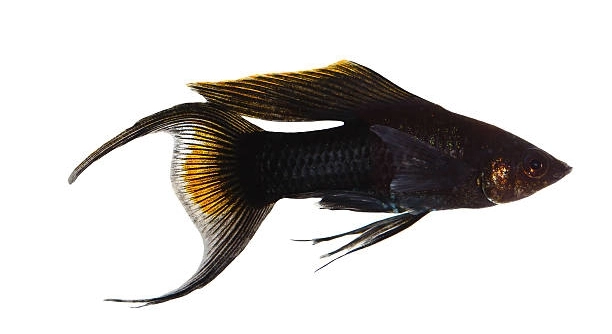
Is your black molly spending more time resting than swimming around its tank? Observing a usually active fish becoming lethargic can be concerning. Fish owners often notice this change and wonder what might be affecting their pet’s behavior.
Excessive resting in black mollies is commonly caused by water quality issues, improper diet, or stress. Temperature fluctuations, low oxygen levels, and illnesses can reduce activity. Maintaining optimal tank conditions and monitoring health indicators is crucial for preventing prolonged inactivity.
Understanding the reasons behind your molly’s behavior can help you provide a healthier, more comfortable environment for it to thrive. Small adjustments can make a significant difference in its energy levels.
Common Reasons for Excessive Resting
Many black mollies slow down due to environmental factors. Poor water quality is a primary cause. Ammonia, nitrite, or nitrate levels that are too high can stress your fish, making it rest more than usual. Sudden temperature changes or a tank that is too small may also reduce activity. Diet plays an important role as well. A lack of proper nutrition or feeding too infrequently can leave your molly low on energy. Overfeeding, on the other hand, can cause digestive issues, leading to lethargy. Stress from tankmates or frequent disturbances may make the fish hide or rest more often. Observing its behavior alongside these conditions helps identify which factor might be affecting your molly. Regular water tests, balanced feeding, and careful monitoring of the tank environment are effective ways to encourage a healthy, active fish.
Keeping your tank clean and maintaining a proper feeding schedule usually improves activity within days.
It is important to watch your molly’s behavior over time. Changes that persist might indicate illness, such as parasites or bacterial infections. In such cases, isolation and appropriate treatment are necessary. Ensuring water is consistently clean, the temperature is stable, and the fish receives enough nutrition can prevent future inactivity. Tank layout also matters; providing enough hiding spots and swimming space encourages exploration and movement. Observing interactions with other fish helps identify if aggression or bullying is causing stress. Gradual adjustments and consistent care can restore normal activity levels.
Monitoring Health and Behavior
Lethargy may be a sign of illness or stress that requires attention.
Regular observation is essential. Watch for changes in appetite, color, and swimming patterns. Illnesses often present subtle signs before lethargy becomes pronounced. Quarantining new fish and checking water quality daily helps prevent problems. Proper care routines reduce stress and improve overall health.
Monitoring a black molly’s health involves consistent attention to diet, tank conditions, and behavior patterns. Fish that remain inactive despite optimal water parameters may need medical evaluation. Early detection of infections or parasites increases the likelihood of recovery. Keeping a log of feeding habits, resting periods, and interactions with tankmates can reveal patterns that indicate stress or illness. Adjustments in diet, water changes, and tank setup may be required to address specific issues. Providing a stable, enriched environment with proper hiding spots and open swimming areas supports natural activity. Observing subtle behavioral cues ensures your molly’s health is maintained and prolonged lethargy is avoided. Consistency in care and proactive monitoring contribute to a more energetic and healthy fish.
Water Quality and Temperature
Maintaining clean water is essential for black mollies. Poor water conditions or sudden temperature changes can stress them, leading to excessive resting. Regular water testing and consistent temperature control help keep your fish active and healthy.
High ammonia, nitrite, or nitrate levels can harm black mollies, causing them to become lethargic. Frequent water changes and proper filtration are crucial. The tank’s temperature should remain stable, ideally between 72 and 78 degrees Fahrenheit, to support normal activity. Sudden drops or spikes in temperature can weaken their immune system, making them more prone to disease. Adding a reliable heater and thermometer ensures consistent conditions.
Oxygen levels also influence activity. Low oxygen in the water can cause a fish to rest more often. Aeration with air stones or proper filtration increases oxygen circulation. Observing how your molly behaves near the surface versus hiding spots helps determine if oxygen is sufficient. Keeping plants and decorations balanced ensures water flow isn’t blocked. Maintaining these environmental factors reduces stress, promotes swimming, and encourages natural behavior in your black molly.
Diet and Nutrition
A balanced diet directly affects energy levels. Feeding only one type of food or irregularly can make your molly lethargic and less responsive.
Black mollies require a mix of protein and plant-based foods to stay healthy. Flake foods, frozen or live brine shrimp, and vegetables like spinach or zucchini provide necessary nutrients. Overfeeding can cause digestive issues, while underfeeding leads to low energy and prolonged resting periods. Proper portion control and varied diet improve vitality. Feeding small amounts two to three times a day ensures proper digestion and consistent energy throughout the day. Monitoring your fish during feeding also helps identify if illness or stress affects appetite.
Supplements can be beneficial if your fish shows signs of nutrient deficiency. Adding spirulina, high-quality flakes, or occasional live foods enhances color and boosts energy. Avoid sudden diet changes, which may cause stress. Observing your molly’s behavior after feeding helps you understand if it’s receiving adequate nutrition. Proper feeding routines, combined with a clean tank and suitable temperature, create conditions that encourage regular activity. These steps support overall health and reduce excessive resting in black mollies.
Stress and Tankmates
Stress from aggressive or overly active tankmates can cause black mollies to rest excessively. Ensuring compatible species and observing interactions helps reduce tension. Proper hiding spots allow your fish to feel secure and regain energy without constant disturbances.
Overcrowding also contributes to stress. A crowded tank limits swimming space and can lead to territorial disputes. Providing enough room for each fish and maintaining a peaceful community reduces stress and promotes natural activity.
Signs of Illness
Lethargy is often one of the first signs of illness in black mollies. Other indicators may include clamped fins, faded colors, or unusual swimming patterns. Early identification of these symptoms is key to timely intervention and recovery.
Providing a Comfortable Environment
Creating a calm and enriched tank environment encourages movement. Plants, hiding spots, and open swimming areas help mollies feel secure. Proper lighting and gentle water flow also support natural behavior.
FAQ
Why is my black molly resting at the bottom of the tank?
Black mollies often rest at the bottom due to stress, illness, or poor water conditions. Low oxygen levels, sudden temperature changes, or high ammonia and nitrite can make them inactive. Providing proper water quality, hiding spots, and monitoring tankmates helps your molly feel secure and encourages normal swimming behavior.
Can diet affect my black molly’s activity?
Yes, diet plays a major role in energy levels. A lack of balanced nutrition, overfeeding, or infrequent feeding can make your molly lethargic. Providing a mix of flakes, vegetables, and occasional live or frozen foods ensures it receives enough protein and nutrients to stay active and healthy.
Is it normal for black mollies to rest a lot?
Some resting is normal, but excessive inactivity can indicate underlying issues. Healthy black mollies alternate between swimming, exploring, and resting. Extended periods of rest, especially with other symptoms like clamped fins or faded colors, may suggest stress, disease, or poor environmental conditions.
Could tankmates cause my molly to rest more?
Yes, aggressive or overly active tankmates can stress black mollies, forcing them to hide or rest excessively. Ensuring compatible species, sufficient swimming space, and hiding areas reduces stress and promotes natural movement. Observation is key to understanding interactions in your tank.
How often should I test water for my black molly?
Regular water testing is essential. Ammonia, nitrite, nitrate, and pH should be checked at least once a week. Sudden spikes or imbalances can quickly affect energy and health. Maintaining stable temperature and proper filtration supports a safe and active environment.
Can temperature changes make my molly lethargic?
Yes, black mollies are sensitive to temperature fluctuations. They thrive between 72 and 78 degrees Fahrenheit. Sudden drops or rises weaken their immune system and reduce activity. Using a reliable heater, thermometer, and gradual adjustments prevents stress and maintains consistent swimming behavior.
How do I know if my molly is sick?
Signs of illness include clamped fins, faded color, loss of appetite, irregular swimming, or excess resting. Observing these symptoms early allows for timely isolation and treatment. Healthy mollies should swim actively, eat well, and respond to tankmates and environmental changes.
Can oxygen levels affect my black molly?
Low oxygen makes mollies lethargic. Adding air stones, proper filtration, or gentle water movement ensures adequate oxygen circulation. Observing where the fish swims—near the surface or hiding spots—can indicate if oxygen is sufficient. Well-oxygenated water supports energy, exploration, and normal behavior.
What should I do if my molly is resting too much despite good water quality?
If water quality and diet are ideal, stress or hidden illness may be the cause. Observe tankmates for aggression, provide extra hiding spots, and monitor for disease symptoms. Consulting a veterinarian or experienced aquarist can help diagnose and treat persistent inactivity.
Does lighting affect my molly’s activity?
Yes, proper lighting influences behavior. Too bright or inconsistent lighting can stress mollies, while dim or natural light patterns support normal activity. A consistent day-night cycle helps regulate energy levels and encourages regular swimming and feeding habits.
How can I prevent excessive resting in black mollies?
Maintain clean water, stable temperature, balanced diet, adequate oxygen, and a stress-free environment. Regular observation of behavior, tankmates, and health ensures your molly stays active. Consistency in care and gradual adjustments to tank conditions prevent long-term lethargy and support vitality.
Are black mollies naturally less active at times?
Yes, mollies may naturally rest after feeding or during certain times of day. Short periods of inactivity are normal. Prolonged lethargy, changes in appetite, or unusual behavior indicate that something in their environment or health may require attention.
Can sudden tank changes affect activity?
Relocating a tank, rearranging decorations, or adding new fish can stress mollies. Stress reduces movement and increases resting periods. Gradual changes, careful introductions, and maintaining familiar hiding spots help mollies adjust without prolonged inactivity.
Should I isolate a lethargic molly?
Isolation is helpful if illness or aggression is suspected. Quarantining a lethargic molly prevents disease spread and reduces stress from tankmates. Monitor behavior closely, check water conditions, and provide appropriate care during isolation to support recovery.
How long does it take for a black molly to return to normal activity?
Recovery time varies. With proper water quality, diet, and reduced stress, activity may improve within days. Persistent inactivity could indicate underlying illness requiring treatment. Regular monitoring and consistent care are essential to restore normal energy levels and overall health.
Can supplements improve energy levels?
Yes, adding high-quality flakes, spirulina, or occasional live foods enhances nutrition and boosts energy. Avoid sudden diet changes. Observing how mollies respond to dietary adjustments helps ensure they receive adequate nutrients without causing stress or digestive issues.
Do hiding spots reduce excessive resting?
Hiding spots give mollies security, reducing stress-related inactivity. Plants, caves, or decorations allow them to rest comfortably without feeling threatened, encouraging natural movement and swimming behavior once they feel safe.
Is excessive resting a sign of old age?
Older mollies naturally rest more than younger fish, but sudden increases in inactivity are usually linked to stress, poor water quality, or illness rather than age alone. Monitoring overall health and maintaining ideal conditions remains important.
Can changing diet alone fix lethargy?
Diet adjustments help, but they may not fully resolve lethargy if water quality, temperature, or stress factors are present. Addressing all environmental and health aspects ensures mollies regain normal activity effectively.
How do I encourage my molly to swim more?
Maintain clean water, stable temperature, proper diet, adequate oxygen, and low-stress tankmates. Providing space, gentle water flow, and enrichment encourages exploration and activity, reducing excessive resting and supporting overall health.
Final Thoughts
Black mollies are generally active fish, but periods of excessive resting can signal underlying issues. Observing their behavior closely is the first step in understanding what may be affecting their energy. Environmental factors, including water quality, temperature, and tank layout, play a significant role in how your molly behaves. Poor water conditions, such as elevated ammonia, nitrite, or nitrate levels, can stress the fish and reduce activity. Regular water testing, proper filtration, and consistent water changes are essential to maintain a healthy environment. Even small changes, like adjusting the water temperature gradually or ensuring there is enough swimming space, can have a noticeable effect on their activity levels.
Diet and nutrition are equally important in supporting a black molly’s energy. A balanced diet that includes protein-rich foods, vegetables, and occasional live or frozen treats ensures the fish receives the nutrients necessary for daily activity. Overfeeding can lead to digestive issues and lethargy, while underfeeding can leave them weak and inactive. Feeding small, consistent portions two to three times a day helps maintain energy levels throughout the day. Monitoring your fish during feeding provides insight into appetite, which can indicate if stress or illness is affecting their energy. Supplements such as spirulina or high-quality flakes may be added to improve vitality, but these should complement a balanced diet rather than replace it.
Stress management and health monitoring are also key to preventing excessive resting. Aggressive or incompatible tankmates, overcrowding, and sudden changes in the tank environment can all cause black mollies to hide or remain inactive. Providing hiding spots, open swimming areas, and a calm environment reduces stress and encourages natural behavior. Regular observation of swimming patterns, color, and appetite helps detect early signs of illness or nutrient deficiencies. If lethargy persists despite proper care, isolating the fish and seeking advice from a veterinarian or experienced aquarist may be necessary. By maintaining clean water, a stable environment, balanced nutrition, and careful observation, you create conditions that support a healthy, active black molly and reduce periods of excessive resting.

Hello,
If you enjoy the content that we create, please consider saying a "Thank You!" by leaving a tip.
Every little bit helps us continue crafting quality advice that supports the health, happiness, and well-being of pets around the world, for pets of all shapes, sizes, and species.
We really appreciate the kindness and support that you show us!