
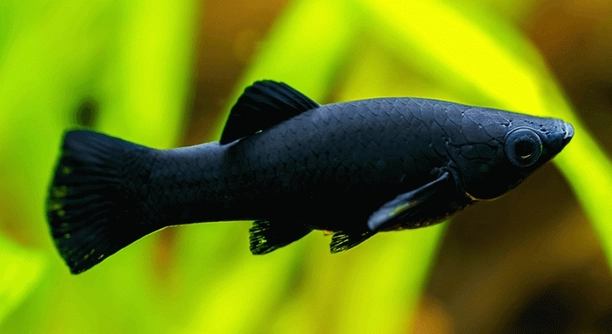
Do your black mollies sometimes swim in unusual patterns, darting suddenly or floating oddly in the tank? These behaviors can be unsettling for owners who are used to watching calm, graceful movements in their aquarium fish.
Unusual swimming in black mollies is often caused by factors such as poor water quality, inadequate nutrition, parasitic infections, swim bladder disorders, stress, sudden temperature changes, or genetic conditions. Identifying the cause is essential for proper treatment and care.
Understanding the reasons behind these behaviors can help maintain a healthy, balanced environment for your fish and prevent long-term health issues.
Poor Water Quality
Maintaining clean water is essential for black mollies to swim normally. High ammonia, nitrite, or nitrate levels can irritate their gills and disrupt their balance. Algae buildup and leftover food contribute to poor water conditions, which may cause lethargy, erratic swimming, or gasping at the surface. Regular water changes, using a reliable filter, and testing water parameters are important for a healthy environment. Mollies are sensitive to sudden changes, so avoid drastic shifts in pH or temperature, as this can stress them and worsen swimming issues. Observing your fish daily helps catch problems early, and adding live plants can improve water quality naturally. Consistent maintenance reduces the likelihood of behavioral or health problems. Clean water is not just about appearance; it directly affects your fish’s ability to move properly and maintain balance. Overlooking this basic need can lead to long-term harm and decreased vitality in your black mollies.
Water quality affects swimming directly and must be monitored carefully to keep your mollies healthy and active.
Regular checks and proper filtration prevent stress and support smooth, natural movement. Proper care ensures your mollies thrive.
Inadequate Nutrition
Feeding black mollies a poor diet can result in weak muscles and energy loss, causing unusual swimming. A diet limited to flakes or low-quality pellets does not provide essential vitamins and minerals. Providing a mix of high-quality flake food, live or frozen brine shrimp, daphnia, and occasional vegetables like zucchini or spinach supports overall health. Overfeeding or underfeeding can also affect swimming patterns, so offer moderate portions based on their size and activity level. Fish need a balanced diet to maintain buoyancy and coordination, as nutritional deficiencies may cause floating problems or erratic darting. Observing their behavior after feeding can help identify dietary issues early. Supplements like spirulina or vitamin-enriched food can strengthen immunity and improve energy levels. Paying attention to nutrition directly impacts swimming abilities, preventing weakness, lethargy, and unusual movements. By establishing a feeding routine and ensuring variety, you can support strong, healthy mollies capable of smooth, natural swimming.
A balanced diet is vital for black mollies’ movement, energy, and overall health.
Feeding quality food and variety helps prevent swimming issues caused by weakness or nutritional deficiencies.
Parasitic Infections
Parasitic infections can cause black mollies to swim erratically, scratch against surfaces, or isolate themselves. Common parasites include gill flukes, skin flukes, and internal worms. Early detection and treatment with appropriate medication help prevent serious health issues and restore normal swimming behavior.
These infections often enter the tank through new fish, live plants, or contaminated water. Mollies may show symptoms such as rapid gill movement, clamped fins, or visible spots. Treating the entire tank and quarantining new additions can reduce the risk of recurring problems. Maintaining stable water conditions and proper nutrition supports recovery and strengthens immunity, making mollies less prone to infections.
Preventing parasitic issues involves consistent observation and hygiene. Regularly checking fish, cleaning the tank, and quarantining new arrivals can reduce stress and help mollies swim normally. Early action ensures health and vitality, avoiding prolonged suffering or permanent swimming difficulties.
Swim Bladder Disorders
Swim bladder disorders affect buoyancy, making black mollies float, sink, or swim sideways. Overfeeding, constipation, or bacterial infections are common triggers. Adjusting feeding habits, fasting for a day or two, and providing high-fiber foods can help regulate the swim bladder.
These disorders can result from sudden temperature changes or poor water quality, which stress the fish. Symptoms include difficulty staying upright, floating to the surface, or sinking to the bottom. A balanced diet and maintaining clean water reduce the likelihood of these problems.
Long-term swim bladder issues may require veterinary guidance and careful tank management. Consistent feeding schedules, avoiding sudden diet changes, and ensuring water stability help mollies maintain proper buoyancy and movement. Addressing disorders early improves recovery and prevents permanent swimming difficulties.
Stress
Stress can cause black mollies to swim erratically or hide frequently. Overcrowding, aggressive tank mates, sudden environmental changes, or excessive handling can increase stress levels and disrupt normal behavior.
Minimizing stress involves providing adequate space, compatible companions, and stable tank conditions. Consistent routines help mollies feel secure and maintain regular swimming patterns.
Temperature Fluctuations
Sudden changes in water temperature can shock black mollies, affecting their coordination and energy. Maintaining a stable temperature appropriate for their species prevents unusual swimming patterns and health complications. Consistent monitoring with a reliable heater or thermometer ensures the water stays within safe limits.
Genetic Conditions
Some black mollies may have genetic traits that affect swimming ability. These can include body shape variations or fin deformities that influence balance, buoyancy, and maneuverability. Genetic factors are often apparent from a young age and may persist throughout the fish’s life.
Overcrowding
Too many fish in a tank reduces swimming space and increases stress, causing unusual movements. Ensuring proper stocking levels allows mollies to move freely and maintain normal behavior.
What are the first signs of unusual swimming in black mollies?
The first signs usually include darting around suddenly, floating at odd angles, or struggling to stay upright. You might notice your fish hovering near the surface or bottom for longer than usual. Clamped fins, trembling, or rubbing against tank objects are also early indicators that something is off. Observing these behaviors early allows you to take action before the issue worsens.
How can I improve water quality for my mollies?
Regular water changes, ideally 25% weekly, help keep ammonia, nitrite, and nitrate levels low. Using a quality filter and testing water parameters frequently ensures a stable environment. Removing uneaten food and debris prevents buildup that can harm your fish. Adding live plants or using water conditioners can further enhance water quality. Keeping the tank clean is one of the simplest ways to prevent stress and swimming problems.
Can diet affect swimming behavior?
Yes, inadequate nutrition can make black mollies weak, lethargic, or unable to swim properly. A mix of high-quality flake food, live or frozen foods, and occasional vegetables provides necessary vitamins and minerals. Overfeeding can also cause bloating or constipation, which may impact buoyancy. Adjusting portion sizes and offering variety improves energy and reduces unusual movements.
What should I do if my mollies show signs of parasitic infection?
Quarantine infected fish immediately to prevent spreading parasites. Treat the tank with recommended medications for the specific parasite, following dosage instructions carefully. Cleaning the tank, replacing part of the water, and maintaining stable temperature and pH support recovery. Regular observation during treatment ensures the infection is fully resolved.
How do swim bladder problems affect mollies?
Swim bladder disorders interfere with buoyancy, causing fish to float, sink, or swim sideways. Common causes include constipation, bacterial infections, or sudden dietary changes. Feeding high-fiber foods, temporarily fasting, and maintaining water stability often improve the condition. Persistent cases may require professional advice or longer-term care adjustments.
Can stress really change swimming patterns?
Stress from overcrowding, aggressive tank mates, or sudden environmental changes directly affects swimming. Stressed mollies may hide, dart erratically, or hover near the surface. Providing enough space, compatible companions, and consistent routines reduces stress and helps fish regain normal swimming behavior over time.
How important is temperature control for swimming behavior?
Temperature fluctuations can shock black mollies, leading to coordination problems or lethargy. Keeping the water within a stable, species-appropriate range prevents unusual movements. Using a reliable heater, thermometer, and monitoring daily ensures the tank environment remains safe and predictable. Gradual adjustments, rather than sudden changes, are crucial for stability.
Are some mollies genetically predisposed to swimming issues?
Yes, certain black mollies have genetic traits that affect body shape, fin structure, or buoyancy, impacting swimming ability. These traits are usually noticeable from a young age. While care and tank conditions can improve comfort, genetic limitations may mean some fish never swim perfectly.
How does overcrowding affect swimming behavior?
Too many fish in a tank limits movement, increases stress, and may cause unusual swimming. Ensuring proper stocking density allows mollies to move freely, reduces aggression, and supports normal behavior. Regular observation helps identify overcrowding issues before they become serious health or behavioral problems.
When should I seek professional help for my mollies?
Seek professional advice if unusual swimming persists despite good water quality, proper diet, and stress reduction. Severe symptoms like labored breathing, persistent floating, or visible infections require expert guidance. Early intervention can prevent long-term health problems and improve the fish’s quality of life.
Can tank setup influence swimming patterns?
Yes, the arrangement of decorations, plants, and hiding spaces affects movement. Overcrowded or poorly arranged tanks can restrict swimming and increase stress. Providing open areas for free movement and strategically placed shelters ensures mollies can swim naturally while feeling secure.
How can I prevent future swimming issues?
Maintain clean water, provide a balanced diet, avoid overcrowding, and monitor for stress or parasites. Quarantining new fish and keeping a consistent routine reduces risks. Regular observation and preventive care help mollies stay active, healthy, and swim normally over their lifespan.
This FAQ addresses the most common causes of unusual swimming in black mollies and provides practical steps to maintain their health and well-being. Proper care, attention, and preventive measures significantly improve swimming behavior and overall quality of life.
Observing unusual swimming in black mollies can feel concerning, especially when you want your fish to be healthy and active. Many factors can contribute to this behavior, including poor water quality, stress, nutritional deficiencies, parasites, temperature fluctuations, and genetic conditions. Each factor affects your fish differently, but most are manageable with careful attention and consistent care. Maintaining a clean tank is one of the simplest and most effective ways to prevent problems. Regular water changes, testing water parameters, and proper filtration help mollies remain comfortable and reduce the risk of erratic swimming. Overfeeding or leaving uneaten food in the tank can worsen water quality, so it’s important to feed appropriate amounts and remove leftovers promptly. Observing your fish daily allows you to notice early signs of distress or unusual movement, giving you a chance to address the problem before it escalates.
Providing a balanced diet is equally important for black mollies’ health and movement. High-quality flake food combined with live or frozen options, and occasional vegetables, ensures they get the nutrients needed for energy, buoyancy, and muscle strength. Nutritional deficiencies can lead to weakness or swim bladder issues, affecting their ability to move properly. Stress from overcrowding, incompatible tank mates, or sudden environmental changes can also impact swimming patterns, so creating a calm and stable tank environment is necessary. Introducing new fish or plants should always be done with care, and quarantining new additions can prevent parasites from entering the tank. Proper temperature management and avoiding sudden fluctuations are additional ways to ensure mollies remain active and swim normally. By focusing on water quality, nutrition, and a stable environment, you can prevent most common causes of unusual swimming behavior.
Even with all precautions, some mollies may experience ongoing issues due to genetic traits or past health problems. In these cases, close observation and patience are required, and seeking professional guidance can be helpful if problems persist. Consistent care, including monitoring water quality, maintaining a balanced diet, and reducing stress, goes a long way in supporting your fish’s overall health. The goal is to create a safe and comfortable environment where black mollies can thrive, swim naturally, and exhibit normal behavior. By staying attentive and proactive, you can address problems early, prevent long-term health complications, and ensure your fish remain vibrant and active. Focusing on preventive measures rather than reactive solutions will improve their quality of life and give you confidence in managing your aquarium successfully. Proper care not only benefits swimming behavior but also supports overall well-being, making your aquarium a healthier and more enjoyable space.

Hello,
If you enjoy the content that we create, please consider saying a "Thank You!" by leaving a tip.
Every little bit helps us continue crafting quality advice that supports the health, happiness, and well-being of pets around the world, for pets of all shapes, sizes, and species.
We really appreciate the kindness and support that you show us!