7 Things Arowana Hate in a Tank (+Avoid These)
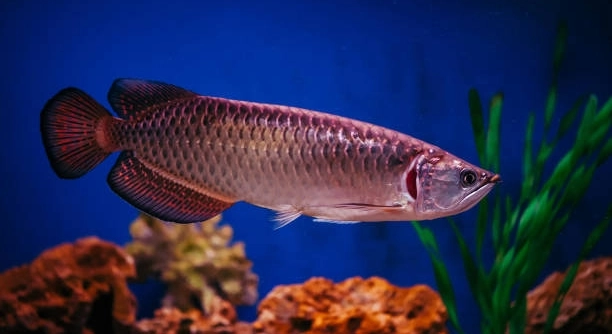
Have you ever noticed your arowana acting restless or refusing to eat, leaving you wondering if something in its tank might be bothering it? Arowanas are highly sensitive fish that react strongly to unsuitable tank conditions. They dislike small spaces, poor water quality, overcrowding, strong currents, bright lights, and certain tankmates. These stress factors can … Read more
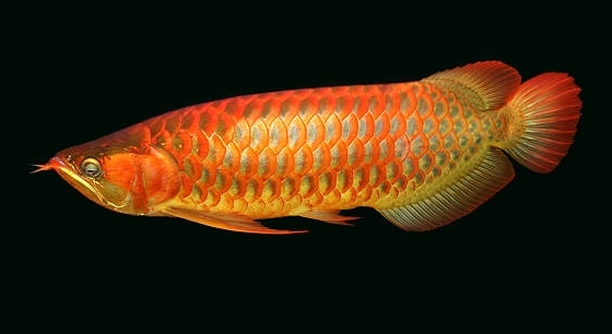
Why Is My Arowana Avoiding the Top of the Tank?

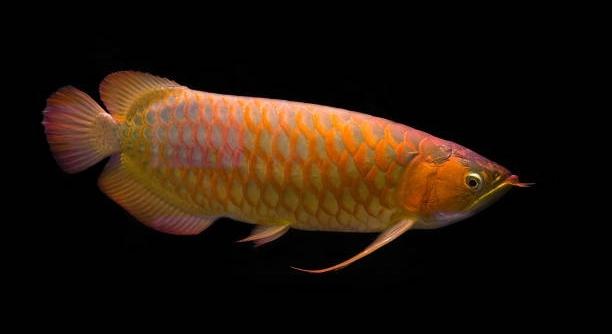
Your arowana glides gracefully through its tank, yet sometimes it avoids the top entirely. This behavior can be puzzling for aquarium owners who expect to see their fish near the surface, interacting with its environment naturally. Arowanas often avoid the top of the tank due to water quality issues, insufficient oxygen, or stress caused by … Read more

Why Do Arowana Swim Upside Down?

Have you noticed your arowana gliding through the tank in unusual ways, sometimes appearing upside down? Watching them move can be fascinating, and these graceful fish often show surprising behaviors that catch the eye of any fish keeper. Arowana swim upside down mainly due to swim bladder issues or stress, which affect their buoyancy and … Read more

How Often Should You Reposition Tank Decor?

Are your aquarium tanks starting to feel a little stale or uninteresting? Over time, tank decorations can shift, settle, or lose their appeal. Repositioning them can refresh the look of your aquatic environment and maintain balance. Tank decor should be repositioned periodically, typically every few weeks to months, depending on tank size, inhabitant activity, and … Read more

7 Tips for Introducing New Arowana to a Tank

New Arowanas are beautiful and majestic fish, but introducing them to a tank can be tricky. Proper preparation and understanding of their needs help ensure a smooth transition and reduce stress for both the fish and the owner. Successful introduction of a new Arowana requires careful attention to water conditions, tank size, and acclimation methods. … Read more

7 Signs Your Arowana Is Overstimulated

Are your arowanas showing unusual behavior or seeming restless more often than usual? Overstimulation in these fish can affect their well-being, making it important to notice early signs before it impacts their health and daily activity. Overstimulation in arowanas is typically caused by excessive environmental stimuli, including rapid movements, frequent handling, or overcrowding. Common indicators … Read more

How to Train Arowana to Eat From Your Hand

Arowanas are fascinating fish, admired for their elegance and strong presence in home aquariums. Many owners enjoy building a connection with them through feeding routines, creating an engaging experience that strengthens trust and interaction. Training an arowana to eat from your hand requires patience, consistency, and a calm environment. Gradually offering food close to your … Read more

Why Is My Arowana Skimming the Surface?

Do you ever notice your arowana spending a lot of time at the water’s surface, gliding slowly or gasping for air? This behavior can seem worrying, especially when your fish usually swims throughout the tank with ease. Arowanas skimming the surface often indicate low oxygen levels, poor water quality, or stress within the tank environment. … Read more

How to Introduce a New Arowana to the Tank

Have you ever brought home a new Arowana and wondered how to make its first moments in the tank calm and safe? Introducing a new fish requires patience and careful planning to ensure harmony with existing tank mates. The proper method to introduce a new Arowana involves quarantining the fish, gradually acclimating it to the … Read more

7 Signs Your Arowana Is Adjusting to a New Light

Do you ever notice your Arowana acting differently after changing its tank lighting? Adjusting to a new light can be subtle, and observing these changes closely helps ensure your fish remains healthy and comfortable in its environment. Arowanas display several behavioral and physical indicators when adapting to new lighting. Changes in swimming patterns, appetite, color … Read more